
Ear Infections In Pets: Vet-Approved Otitis Guide
Comprehensive guide to recognizing, treating, and preventing otitis in dogs and cats for healthier ears.
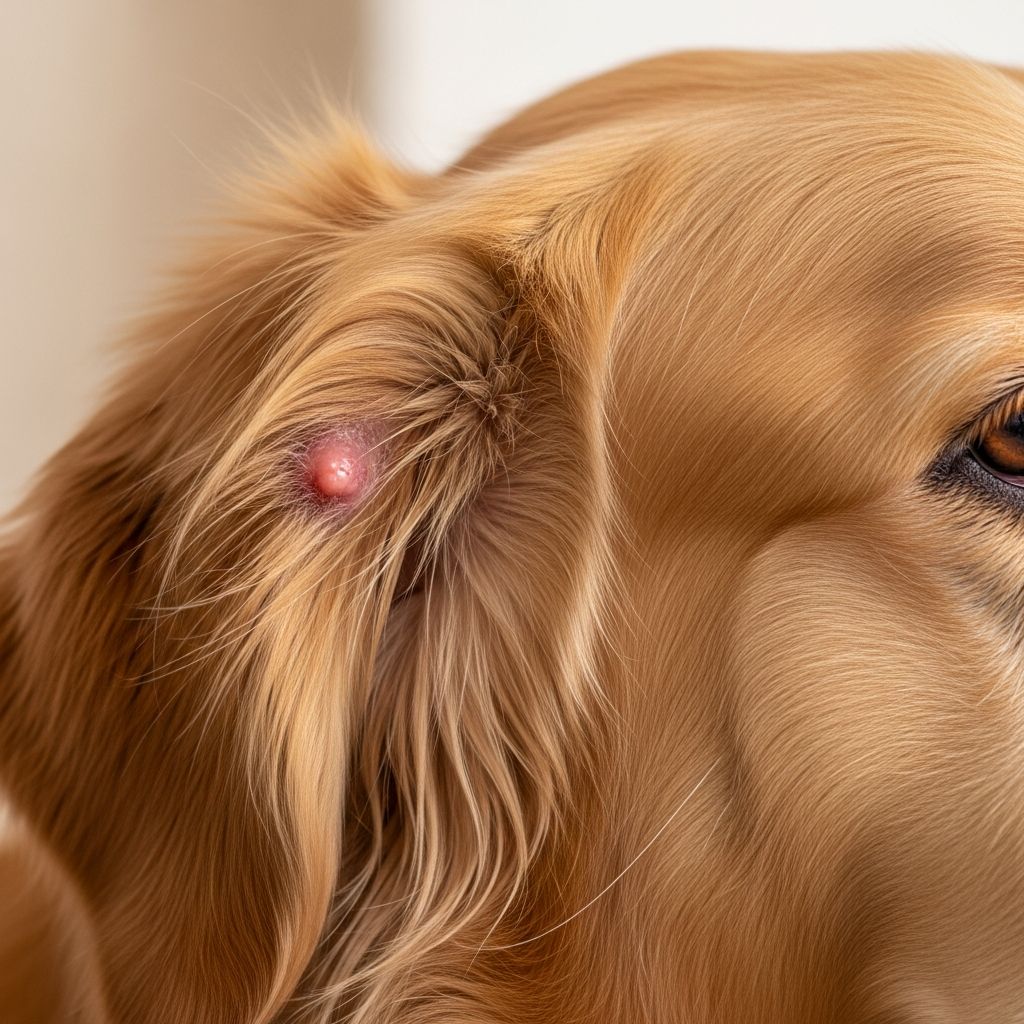
Ear infections, known medically as otitis, represent one of the most common health issues affecting dogs and cats. These conditions can range from mild irritation in the outer ear to severe complications involving the inner ear, leading to pain, balance problems, and potential hearing loss if untreated. Understanding the nuances of otitis helps pet owners act swiftly, improving outcomes and quality of life for their animals.
Understanding Otitis: Types and Anatomy
The ear consists of three main parts: the outer ear (pinna and canal), middle ear (with the eardrum), and inner ear (responsible for balance and hearing). Otitis externa affects the outer canal, otitis media the middle section, and otitis interna the inner structures. Most cases begin as externa but can progress if underlying issues persist.
In dogs, floppy ears and narrow canals predispose them to moisture buildup, while cats often face issues from mites or allergies. Bacterial and yeast overgrowth frequently complicates primary inflammation.
Common Causes Behind Ear Infections
Otitis rarely occurs in isolation; primary factors trigger inflammation, paving the way for secondary infections. Key contributors include:
- Allergies: Food or environmental allergens cause chronic itching, leading to self-trauma and infection. Dogs with atopic dermatitis are particularly susceptible.
- Ear Mites: Highly contagious in cats, these parasites cause dark, crumbly discharge and intense irritation.
- Foreign Bodies: Grass seeds or debris trapped in the canal provoke inflammation.
- Moisture and Anatomy: Breeds like Cocker Spaniels or Shar-Peis have ears that trap water, fostering bacterial growth.
- Endocrine Disorders: Hypothyroidism in dogs alters ear environment, promoting yeast.
Addressing these root causes is crucial for preventing recurrence.
Recognizing Symptoms Early
Pet owners should watch for behavioral and physical signs. Early detection prevents escalation.
| Symptom | Dogs | Cats |
|---|---|---|
| Head Shaking/Tilting | Common, often vigorous | Frequent with mites |
| Scratching/Pawing | Intense, leads to wounds | Persistent rubbing |
| Discharge/Odor | Yellow/brown, foul smell | Dark, coffee-ground like |
| Redness/Swelling | Thickened canal | Visible inflammation |
| Balance Issues | Nystagmus, reluctance to move (interna) | Less common, but possible |
Pain upon touch or enlarged lymph nodes signal advanced cases. Inner ear involvement may cause nausea and disorientation.
Diagnostic Approaches in Veterinary Practice
Veterinarians start with a thorough history and otoscopic exam to visualize the canal and eardrum. Cytology—microscopic debris analysis—identifies bacteria, yeast (e.g., Malassezia), or mites.
For deeper infections, imaging like X-rays or CT scans checks middle/inner ear involvement. Culture and sensitivity testing guides antibiotic selection in resistant cases. Sedation may be needed for thorough cleaning and sampling.
Treatment Strategies: A Multi-Faceted Approach
Effective management targets infection, inflammation, and underlying causes. Topical therapies form the cornerstone.
- Cleaning: Removes debris; vet-performed initially, followed by home care with approved solutions.
- Topical Medications: Combinations of antibiotics (e.g., enrofloxacin), antifungals (e.g., miconazole), and steroids (e.g., hydrocortisone) applied directly.
- Systemic Drugs: Oral antibiotics like cefpodoxime for 6-8 weeks in severe cases; antifungals like itraconazole for yeast. Anti-inflammatories (prednisone) reduce swelling.
- Pain Management: NSAIDs or opioids for comfort.
- Special Cases: Antiparasitics (e.g., selamectin) for mites; allergy testing/treatment.
Hospitalization with IV fluids aids recovery in vestibular cases.
Advanced Interventions and Surgery
Chronic or unresponsive otitis may require:
- Video Otoscopy: Deep flushing under magnification.
- Total Ear Canal Ablation (TECA): Surgical removal of the canal for end-stage disease in dogs.
- Ventilation Tubes: For middle ear issues.
Surgery addresses polyps, tumors, or stenosis.
Recovery Timeline and Follow-Up Care
Improvement often begins within days, but full courses (7-14 days minimum, longer for chronic) are essential. Rechecks with cytology confirm resolution.
Monitor for relapse; incomplete treatment leads to resistance. Home care includes weekly cleaning and diet trials for allergies.
Prevention: Proactive Ear Health Maintenance
Reduce risks through:
- Regular inspections and gentle drying after swims/baths.
- Managing allergies with hypoallergenic diets or immunotherapy.
- Routine vet check-ups for at-risk breeds.
- Parasite preventives year-round.
Avoid Q-tips or hydrogen peroxide, which can worsen damage.
FAQs on Pet Ear Infections
What home remedies can I use for mild ear issues?
Do not self-treat; consult a vet. Approved cleaners only after diagnosis.
How long do treatments last?
Typically 7-14 days for simple cases, 6-8 weeks for bacterial interna.
Can ear infections affect hearing permanently?
Yes, untreated inner ear cases can cause deafness.
Are certain breeds more prone?
Dogs: Spaniels, Hounds; Cats: Persians with narrow canals.
Is surgery always the last resort?
Only for refractory cases after medical failure.
When to Seek Emergency Care
Rush to the vet if your pet shows severe head tilt, vomiting, circling, or facial paralysis—these indicate inner ear or neurological involvement.
References
- Inner Ear Infection (Otitis Interna) in Dogs — VCA Animal Hospitals. 2023. https://vcahospitals.com/know-your-pet/inner-ear-infection-otitis-interna-in-dogs
- Cat Ear Infection: Symptoms, Causes, and Treatment — PetMD. 2024. https://www.petmd.com/cat/conditions/ears/cat-ear-infections
- Canine otitis externa — Treatment and complications — PMC – NIH. 2018-12-01. https://pmc.ncbi.nlm.nih.gov/articles/PMC6294027/
- Otitis Externa in Animals — Merck Veterinary Manual. 2023. https://www.merckvetmanual.com/ear-disorders/otitis-externa/otitis-externa-in-animals
- Otitis – Ear Infections in Dogs and Cats — Alpine Animal Hospital. 2023. https://www.alpinehospital.com/services/other/blog/otitis-ear-infections-dogs-and-cats
- Ear Infections and Otitis Externa in Dogs — MSD Veterinary Manual. 2024. https://www.msdvetmanual.com/dog-owners/ear-disorders-of-dogs/ear-infections-and-otitis-externa-in-dogs
- Pet Ear Infections Prevention And Care — AVC Orlando. 2023. https://avcorlando.com/blog/pet-ear-infections-prevention-and-care/
Similar Articles








Read full bio of medha deb


