

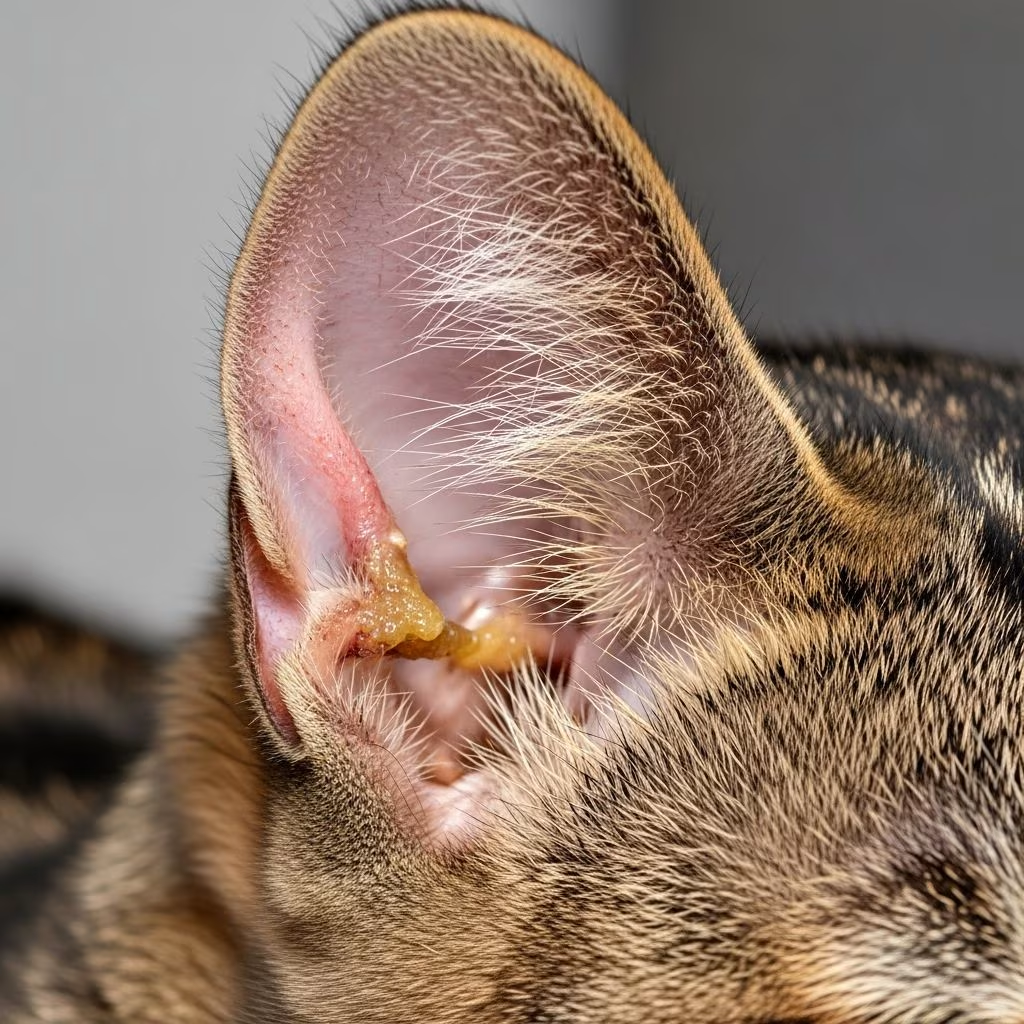
Understanding Ear Infections in Cats: Otitis Externa
Ear infections in cats, particularly outer ear infections known as otitis externa, are a common but often overlooked health concern among pet owners. While these infections occur less frequently in cats than in dogs, they can become quite serious if left untreated, potentially progressing to middle or inner ear infections. Understanding the signs, causes, and treatment options is essential for maintaining your feline companion’s health and comfort.
Otitis externa refers specifically to inflammation of the external ear canal in cats. This condition can cause significant discomfort and, if ignored, may lead to chronic issues that affect your cat’s quality of life. Early recognition and prompt veterinary care are crucial to preventing complications and ensuring your cat receives appropriate treatment.
What Causes Ear Infections in Cats?
Ear infections in cats can develop from various underlying causes. Understanding these factors can help you identify potential risk factors for your own pet and take preventive measures when possible.
Parasitic Infections
Ear mites are among the most common parasitic causes of ear infections in cats. These tiny parasites live in the ear canal and cause significant irritation and inflammation. Kittens and indoor cats that have been exposed to infested animals are particularly susceptible to ear mite infections.
Bacterial and Fungal Overgrowth
Excessive growth of bacteria and yeast within the ear canal is another frequent cause of otitis externa in cats. These organisms naturally occur in small amounts, but when conditions favor their proliferation, infections develop. Warm, moist ear environments provide ideal conditions for bacterial and fungal growth.
Allergies and Sensitivities
Allergies represent a significant underlying cause of ear infections in cats. These may include food allergies, environmental allergies to pollen, dust, or other irritants. When a cat experiences an allergic reaction, inflammation in the ear canal occurs, creating an environment susceptible to secondary bacterial or yeast infections.
Anatomical and Environmental Factors
Several physical characteristics and environmental conditions can predispose cats to ear infections. Thick fur or hair in the ear canal can trap moisture and debris, promoting infection. Excessive wax buildup naturally occurs in some cats, while foreign bodies accidentally lodged in the ear canal can cause inflammation and secondary infections. Additionally, environmental irritants may trigger inflammation leading to infection.
Medical Conditions and Other Causes
Certain medical conditions increase the likelihood of ear infections. These include:
– Immune system diseases such as FLV or FIV- Autoimmune diseases affecting the body’s ability to fight infection- Diabetes mellitus, which can compromise immune function- Polyps or tumors in the ear canal- Ruptured eardrum- Incorrect or aggressive ear cleaning techniques
Recognizing the Symptoms of Ear Infections
Early detection of ear infections can prevent progression to more serious conditions. Familiarize yourself with the warning signs so you can seek veterinary care promptly if you suspect your cat is experiencing ear problems.
Behavioral Signs
The most obvious indicators that your cat may have an ear infection are behavioral changes related to ear discomfort. If your cat is frequently pawing at their ears, shaking their head repeatedly, or tilting their head to one side, these are classic signs that something is wrong. Your cat may appear uncomfortable or irritable during these episodes.
Physical Symptoms
Visual and olfactory signs provide important clues about ear infections. Look for the following physical indicators:
– Yellowish or black discharge from the ear canal- Ear discharge that resembles coffee grounds, which is particularly characteristic of ear mite infestations- Redness or swelling in or around the ear canal- Redness or swelling of the ear flap itself- Excessive waxy buildup visible on or near the ear canal- A strong, unpleasant odor emanating from the ear
Neurological and Systemic Symptoms
When infections progress to the middle or inner ear, more serious symptoms may develop. These include hearing loss, loss of balance, disorientation, and walking in circles. Your cat may also display flickering eye movements. These symptoms indicate that the infection has advanced beyond the outer ear and requires immediate veterinary attention.
What Healthy Ears Should Look Like
Understanding the appearance of healthy cat ears helps you identify abnormalities. The insides of healthy cat ears are typically pale pink in color with minimal visible debris or wax buildup. There should be no odor associated with healthy ears. In contrast, infected ears often appear red or swollen and may emit a noticeable smell. Any deviation from the normal appearance warrants a veterinary examination.
How Veterinarians Diagnose Ear Infections
Accurate diagnosis is the foundation for effective treatment. Your veterinarian will use specific diagnostic tools and techniques to identify the cause of your cat’s ear infection.
Otoscopic Examination
The diagnostic process begins with an otoscopic examination. Your vet will use an otoscope, a specialized instrument with a light and magnification lens, to look directly into your cat’s ear canal. This examination allows the veterinarian to assess the condition of the eardrum, check whether it is intact, and look for foreign objects, tumors, or other abnormalities that might be causing symptoms.
Microscopic Analysis
During the examination, your veterinarian will take a sample of any debris or discharge found in the ear canal. This sample is then examined under a microscope to determine the cause of the infection. The microscopic analysis reveals whether the problem is caused by ear mites, bacteria, yeast, or a combination of these organisms. This identification is crucial for determining the appropriate treatment.
Additional Diagnostic Testing
In cases of severe or chronic ear infections, your veterinarian may recommend additional diagnostic testing to identify underlying causes. These tests might include X-rays to assess the extent of infection or to check for bony changes in the ear canal. Sedation may be necessary for more thorough examination in cases where the cat is in significant pain or when the infection is deep within the canal. In-house laboratory tests can provide quick results, allowing for faster treatment initiation.
Treatment Options for Cat Ear Infections
Treatment depends on the underlying cause identified through diagnosis. Your veterinarian will prescribe appropriate medications and recommend care strategies tailored to your cat’s specific situation.
Medication Approaches
Several types of medications are commonly used to treat ear infections in cats:
– Antibiotics: Used when bacterial infections are identified, either as topical ear drops or oral medications- Antifungals: Prescribed when yeast or fungal infections are present- Anti-parasitics: Administered to eliminate ear mites and other parasitic infections- Corticosteroids: Used to reduce inflammation and itching in the ear canal
Topical medications are often preferred for uncomplicated outer ear infections as they deliver medication directly to the affected area. However, oral medications may be necessary if the eardrum is ruptured or if systemic infection is suspected.
Ear Cleaning
Professional ear cleaning performed by your veterinarian may be recommended as part of the treatment plan. This removes debris, discharge, and excess wax that harbor infection-causing organisms. However, ear cleaning must be performed correctly to avoid damaging the sensitive ear canal or eardrum. Your veterinarian will demonstrate proper cleaning techniques if you need to continue care at home.
Chronic Ear Infection Management
Some cats develop chronic or recurrent ear infections. This may result from underlying allergies, anatomical issues, polyps, or persistent parasites. If your cat experiences long-lasting or frequently recurring ear infections that cause itching and pain, your veterinarian may prescribe long-term medications to help reduce tissue swelling and inflammation within the canal. Identifying and addressing the underlying cause is essential for managing chronic cases.
Surgical Intervention
In rare cases where chronic infections cause significant swelling that blocks or narrows the ear canal, surgery may become necessary. Surgical procedures can remove swollen tissue and restore normal ear canal anatomy, allowing better drainage and airflow. This option is typically considered only after medical management has been attempted.
Importance of Early Treatment
Prompt treatment of ear infections is absolutely essential for your cat’s health and well-being. Untreated ear infections can lead to serious complications, including chronic infection, facial paralysis, permanent hearing loss, and damage to the eardrum. The longer an infection persists, the more likely it is to cause permanent damage and become increasingly difficult to treat. If you notice any signs of ear discomfort in your cat, schedule a veterinary appointment as soon as possible.
Prevention Strategies
While not all ear infections can be prevented, several measures can reduce your cat’s risk of developing otitis externa. Maintain regular veterinary wellness exams, during which your veterinarian can monitor your cat’s ear health and detect early signs of problems before they develop into infections. Keep your cat’s ears clean and dry, and avoid aggressive cleaning that might damage the delicate ear canal. If your cat has allergies, work with your veterinarian to manage them effectively, as this reduces inflammation and secondary ear infections. Regular parasite prevention helps avoid ear mite infestations.
Frequently Asked Questions About Cat Ear Infections
Q: Are ear infections common in cats?
A: Outer ear infections (otitis externa) are less common in cats than in dogs, but they do occur regularly. Early detection and treatment prevent them from becoming more serious.
Q: Can ear infections in cats go away on their own?
A: Some mild cases might temporarily improve, but without proper treatment, infections typically worsen and can become chronic. Veterinary treatment is recommended even for mild symptoms.
Q: How long does it take to treat a cat ear infection?
A: Simple bacterial or yeast infections typically improve within 1-3 weeks with appropriate treatment. Ear mite infections may take longer, and chronic infections require extended management.
Q: Can I use human ear medications on my cat?
A: No, human ear medications should never be used on cats. Your veterinarian will prescribe feline-specific medications formulated for your cat’s unique ear anatomy and physiology.
Q: What should I do if my cat’s ear infection keeps coming back?
A: Recurrent infections suggest an underlying cause such as allergies, parasites, or anatomical issues. Your veterinarian may recommend additional testing to identify and address the root cause.
Q: Is a ruptured eardrum dangerous?
A: A ruptured eardrum requires immediate veterinary care. While some ruptures heal naturally, others can lead to serious complications including middle and inner ear infections.
Q: Can ear infections cause permanent hearing loss in cats?
A: Yes, untreated or chronic ear infections can cause permanent hearing damage. Early treatment is crucial for protecting your cat’s hearing.
References
- Ear Infections in Cats: Causes, Treatment, and Prevention — WebMD Pets. 2024. https://www.webmd.com/pets/cats/ear-infections-in-cats-causes-treatment-and-prevention
- Ear infections in cats — PDSA (People’s Dispensary for Sick Animals). 2024. https://www.pdsa.org.uk/pet-help-and-advice/pet-health-hub/conditions/ear-infections-in-cats
- Ear Infections in Cats | Small Door Veterinary — Small Door Veterinary. 2024. https://www.smalldoorvet.com/learning-center/medical/ear-infections-cats
- How to Tell if Your Cat Has an Ear Infection — Lomabardy Veterinary Clinic. 2024. https://www.lombardvet.com/services/cats/blog/how-tell-if-your-cat-has-ear-infection
- Cat Ear Infections: Key Signs and Care Tips for Pet Owners — Oldetown Animal Hospital. 2024. https://www.oldetowneanimalhosp.com/cat-ear-infections-symptoms-causes-care-guide/



