

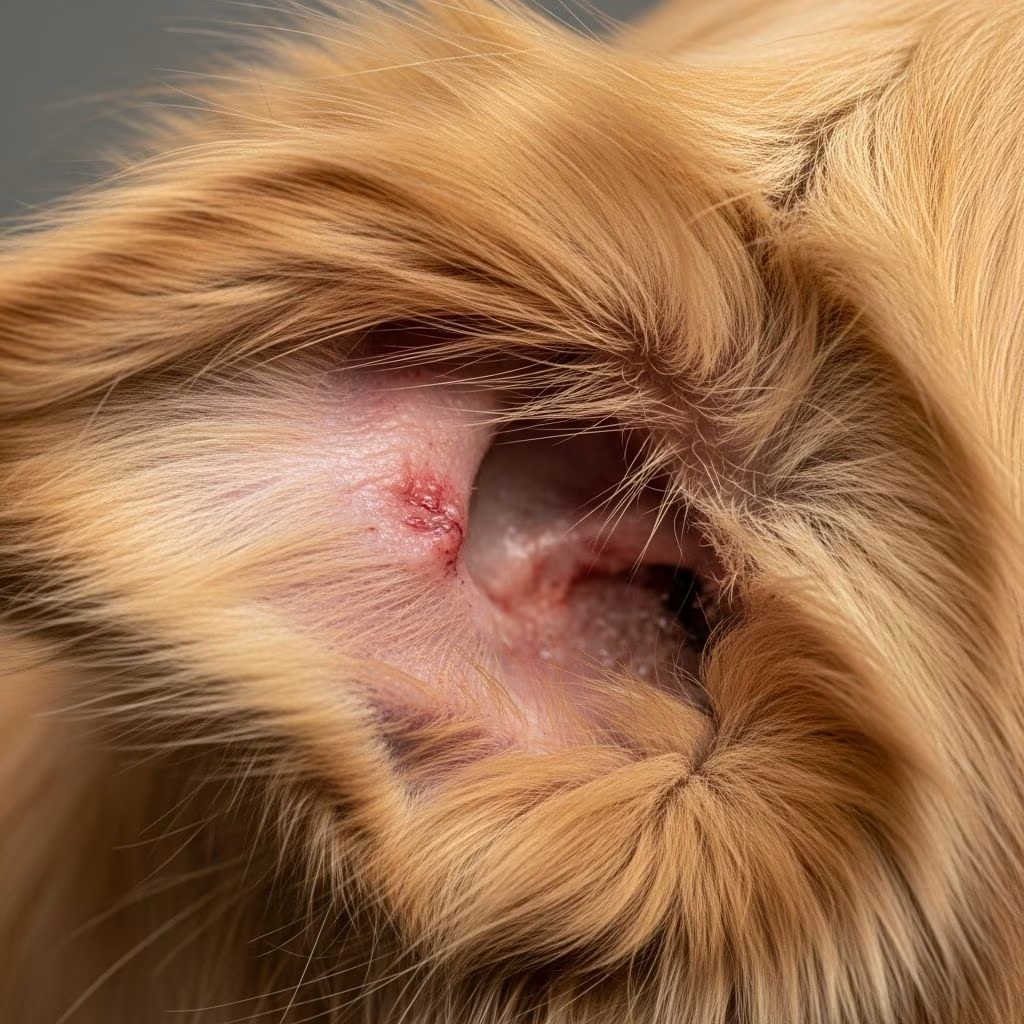
Understanding Otitis Externa in Dogs
Otitis externa, commonly referred to as an outer ear infection, is one of the most frequently encountered health conditions in dogs. This condition affects the layer of cells lining the external portion of the ear canal, causing inflammation and discomfort. The outer ear canal extends from the eardrum to the external ear opening and is lined with skin that can become irritated, inflamed, and infected. Understanding this condition is essential for dog owners, as early recognition and treatment can prevent complications and improve your pet’s quality of life.
Unlike inner ear infections (otitis interna), which can lead to serious complications such as deafness and facial paralysis, otitis externa, when treated promptly, typically responds well to medical intervention. However, chronic or untreated cases can progress to involve the middle and inner ear, making prompt veterinary attention crucial.
Common Causes of Otitis Externa
Ear infections in dogs develop when the protective skin barrier of the ear canal is compromised, allowing bacteria, yeast, or other infectious agents to proliferate. Several factors can contribute to the development of otitis externa:
Moisture and Water Accumulation
One of the most prevalent causes of ear infection in dogs is excess moisture inside the ear. This buildup can occur from bathing, swimming, or high humidity levels, particularly in dogs with floppy ears or hair-filled ear canals that trap moisture. Water that remains in the ear canal creates an ideal environment for bacterial and yeast growth, leading to infection. Breeds such as bulldogs, spaniels, and hound breeds with floppy ears are especially susceptible to moisture-related ear infections.
Bacterial Infection
Bacteria naturally inhabit the surface of a dog’s skin, but they typically remain harmless when the skin barrier is intact. When the ear canal becomes irritated or inflamed due to allergies or other causes, the protective skin barrier breaks down. Bacteria then multiply rapidly in this compromised environment, perpetuating inflammation and infection. This creates a vicious cycle where bacterial overgrowth causes increased itching and inflammation, further damaging the protective barrier.
Yeast Overgrowth
Yeast infections represent another significant cause of otitis externa in dogs. Yeast naturally occurs on a dog’s skin but can multiply excessively when conditions are favorable, particularly in moist environments. Dogs that spend time swimming or bathing without proper ear drying are at increased risk. Additionally, certain breeds with naturally moist ear canals are predisposed to yeast infections, as are dogs with compromised immune systems or underlying allergies.
Allergies
Allergies, whether food-based or environmental, represent a major underlying cause of ear infections. Allergic reactions cause inflammation and irritation of the ear canal lining, compromising the protective skin barrier. This makes the ear environment more susceptible to secondary bacterial or yeast infections. Dogs with skin allergies often experience concurrent ear problems, as the inflammatory processes affect both the skin and ear tissues.
Other Contributing Factors
Additional causes and risk factors for otitis externa include ear mites, foreign bodies such as grass seeds or foxtails lodged in the ear canal, ear trauma, excessive ear cleaning, and endocrine disorders like hypothyroidism. Some dogs are simply more prone to ear problems due to genetic predisposition or breed characteristics, such as those with long ear canals or excessive ear hair.
Recognizing Symptoms of Ear Infection
Dog owners should be vigilant for signs of ear infection, as early detection facilitates more effective treatment. Symptoms of otitis externa vary in severity but commonly include:
Observable Ear Symptoms
The most obvious signs involve the affected ear itself. Dogs with ear infections typically display redness and swelling inside the ear canal and on the earflap. Discharge from the ear is a hallmark sign and may be brown, yellow, or occasionally bloody in appearance, depending on the severity and type of infection. An unpleasant odor emanating from the ear is another key indicator that warrants veterinary attention.
Behavioral Changes
Affected dogs often exhibit behavioral changes in response to ear discomfort. Head shaking is perhaps the most recognizable sign, as dogs attempt to relieve the irritation and discomfort. Excessive scratching, pawing, or rubbing of the affected ear is common, as is holding the head to one side or tilting it toward the affected ear. Some dogs may develop crusts or scabs just inside the ear from excessive scratching and self-trauma.
Additional Signs
Beyond localized ear symptoms, dogs may display itching of other body areas, particularly if the ear infection stems from allergies affecting the entire skin. In some cases, dogs may show reluctance to have their ears or head touched due to pain and sensitivity. The inner ear tissues may become thickened and hard to the touch from chronic inflammation.
Diagnosis of Otitis Externa
Proper diagnosis is essential for determining the underlying cause of the infection and selecting appropriate treatment. Your veterinarian will perform several diagnostic procedures:
Physical Examination
Your vet will begin by examining the affected ear with an otoscope, an instrument that allows visualization of the ear canal and eardrum. This examination helps assess the severity of inflammation, identify any foreign bodies, and check for eardrum rupture. The vet will also examine the ear discharge to determine its character and appearance.
Cytology and Culture
Your veterinarian may collect samples of ear discharge for cytological examination under a microscope to identify the type of organism causing the infection—whether bacterial, fungal, or parasitic. In some cases, bacterial cultures may be performed to determine which specific bacteria are present and their antibiotic sensitivities, particularly in cases of recurrent or resistant infections.
Allergy Testing
If allergies are suspected as the underlying cause, your vet may recommend allergy testing to identify specific allergens triggering the ear inflammation.
Treatment Options for Otitis Externa
Treatment of otitis externa is multifaceted and tailored to the underlying cause. The goals of treatment include eliminating the infection, reducing inflammation and pain, and addressing any underlying predisposing factors.
Ear Cleaning
Professional ear cleaning with a medicated cleanser is typically the first step in treatment. This removes debris, discharge, and infectious organisms from the ear canal. Your vet will provide instructions on how to perform gentle ear cleaning at home using a prescribed medicated cleaner. It is crucial not to use plain water for ear cleaning, as this can worsen the infection by introducing additional moisture into the already compromised ear canal. Regular cleaning helps prevent the buildup of bacteria and yeast and promotes healing.
Medicated Ear Drops
Medicated ear drops are a cornerstone of otitis externa treatment. Your veterinarian will prescribe specific ear drops formulated to address the identified infection type and reduce inflammation. These drops should be administered according to your vet’s precise dosage instructions, typically twice daily, and gently massaged into the affected ear to ensure the medication reaches the infection site. The specific medication chosen depends on whether bacteria, yeast, or both are involved in the infection.
Topical Medications
Certain infections may be managed with topical medications applied directly to the ear canal that remain effective for 2-4 weeks after application. These formulations are designed to provide sustained therapeutic levels of medication within the ear canal, reducing the frequency of application required.
Oral Medications
Depending on the severity and extent of infection, your veterinarian may prescribe oral antibiotics, antifungal medications, steroids, or anti-inflammatory drugs. Antibiotics such as amoxicillin-clavulanate, enrofloxacin, clindamycin, or cefpodoxime may be used for bacterial infections, while itraconazole is commonly prescribed for fungal infections. These systemic medications complement topical treatments and help control infection throughout the ear canal.
Pain Management
Dogs with ear infections often experience significant discomfort. Your veterinarian may prescribe pain medication to help manage this discomfort during the initial treatment period. Most dogs experience substantial pain relief within a few days once treatment is initiated and adherence to the treatment protocol is maintained.
Treatment Duration
The duration of treatment varies depending on the infection type and severity. Bacterial infections typically require treatment for a minimum of 1-2 weeks, while some infections may require extended therapy. It is essential to complete the full course of treatment as prescribed, even if symptoms improve, to prevent recurrence.
Prevention Strategies
Preventing otitis externa is far more effective than treating it. Several preventive measures can significantly reduce your dog’s risk of developing ear infections:
Proper Ear Hygiene
Regular, gentle ear cleaning helps prevent moisture and debris accumulation. However, over-cleaning can damage the protective ear canal lining, so follow your veterinarian’s recommendations for appropriate cleaning frequency. After bathing or swimming, thoroughly dry your dog’s ears using a soft cloth or vet-approved drying solutions.
Allergy Management
Since allergies are a common underlying cause, managing your dog’s allergies through proper diet, environmental controls, or prescribed allergy medications can significantly reduce ear infection risk. Work with your veterinarian to identify and address allergens affecting your pet.
Breed-Specific Considerations
Dogs with floppy ears or excessive ear hair may benefit from professional grooming of ear hair and more frequent monitoring for moisture accumulation. Consider your dog’s specific breed characteristics when developing an ear care routine.
Regular Veterinary Checkups
During routine veterinary visits, your vet can examine your dog’s ears for early signs of problems and provide preventive recommendations specific to your pet’s risk factors.
When to Seek Veterinary Care
Contact your veterinarian promptly if you notice any signs of ear infection, including head shaking, ear scratching, discharge, odor, or redness. Early intervention prevents progression to more serious middle or inner ear infections and ensures faster recovery.
Frequently Asked Questions
Q: Can I treat my dog’s ear infection at home without veterinary care?
A: No, ear infections require proper diagnosis and veterinary treatment. Without professional care, infections can worsen and progress to more serious conditions affecting the middle and inner ear.
Q: What is the difference between otitis externa, media, and interna?
A: Otitis externa affects the outer ear canal, otitis media involves the middle ear, and otitis interna affects the inner ear. Otitis interna is the most serious and can result in deafness, facial paralysis, and vestibular problems if left untreated.
Q: How long does it take to treat an ear infection?
A: Most uncomplicated ear infections show improvement within 1-2 weeks of treatment, but complete healing may take several weeks. Chronic infections require longer treatment periods.
Q: Why is it important to complete the full course of treatment?
A: Completing the full course prevents incomplete resolution of infection and reduces the risk of recurrence or development of antibiotic resistance.
Q: Are certain dog breeds more prone to ear infections?
A: Yes, breeds with floppy ears, excessive ear hair, or naturally moist ear canals, such as spaniels, bulldogs, and hounds, are more susceptible to ear infections.
Q: Can ear infections be prevented?
A: While not all ear infections can be prevented, proper ear hygiene, allergy management, and prompt attention to early signs significantly reduce infection risk.
References
- Dog Ear Infection Treatments, Causes, Symptoms, and Prevention — Coyne Veterinary Care. 2024. https://coynevetcare.com/blog/dog-ear-infections-crown-point-in/
- Inner Ear Infection (Otitis Interna) in Dogs — VCA Animal Hospitals. 2024. https://vcahospitals.com/know-your-pet/inner-ear-infection-otitis-interna-in-dogs
- Ear Infection in Dogs: Symptoms and Treatment — GoodRx. 2024. https://www.goodrx.com/pet-health/dog/how-to-tell-if-dog-has-ear-infection
- Middle and Inner Ear Infections in Dogs — Wag Walking. 2024. https://wagwalking.com/condition/middle-and-inner-ear-infections
- Ear Infection in Dogs – Causes, Treatment & Prevention — Pet Doctors of America. July 17, 2023. https://www.petdoctorsofamerica.com/site/blog/2023/07/17/dog-ear-infection
- Dog Ear Infections — PetMD. 2024. https://www.petmd.com/dog/conditions/dog-ear-infections
- Ear Infections in Dogs — Blue Cross. September 5, 2024. https://www.bluecross.org.uk/advice/dog/health-and-injuries/ear-infection-in-dogs
- Dog Ear Infections: Symptoms, Causes, Treatment, and Prevention — American Kennel Club. 2024. https://www.akc.org/expert-advice/health/dog-ear-infections/



