

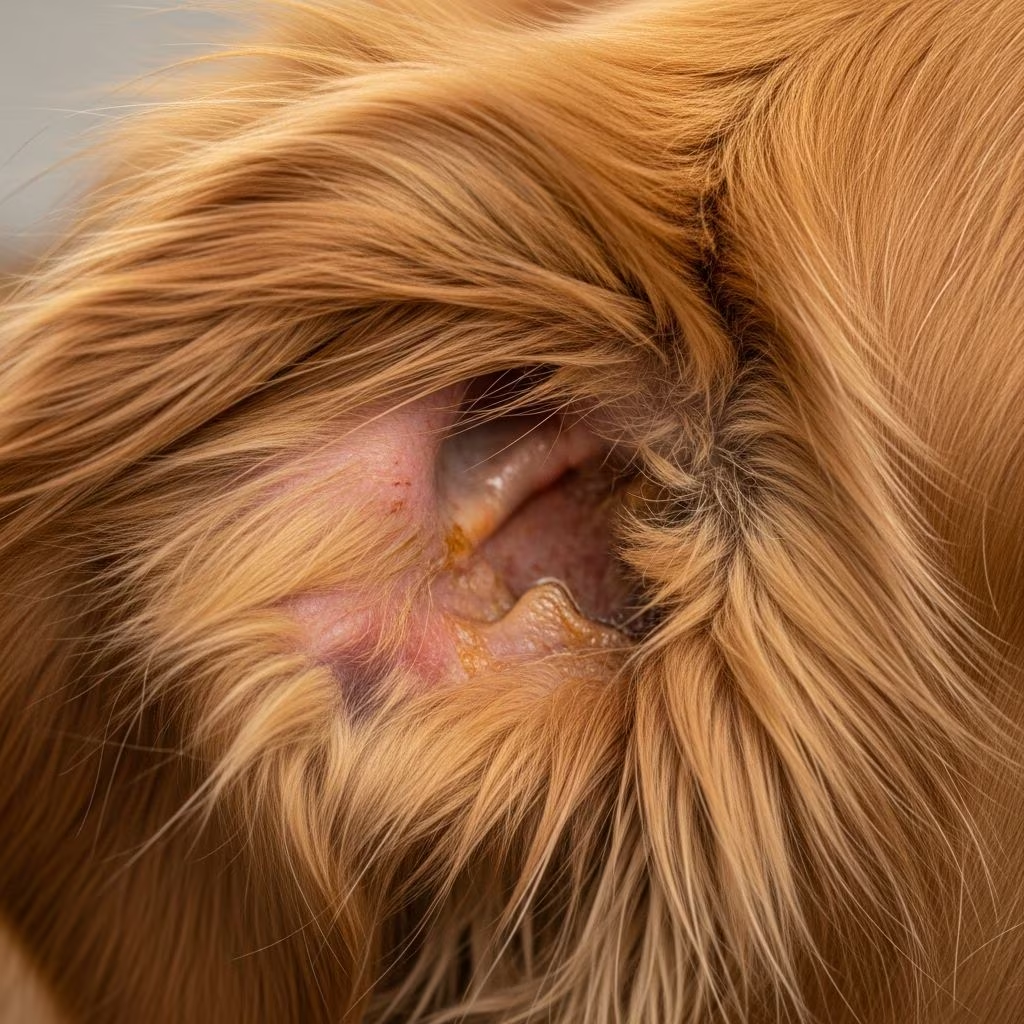
Understanding Otitis Externa in Dogs
Otitis externa is one of the most common health conditions affecting dogs, characterized by inflammation of the external ear canal. This condition can cause significant discomfort and, if left untreated, may progress to more serious complications affecting the middle and inner ear. Understanding the fundamentals of otitis externa is essential for any dog owner seeking to maintain their pet’s health and quality of life.
The external ear canal is a delicate structure lined with skin that can become irritated and inflamed for various reasons. When inflammation occurs, the protective barrier of the ear canal weakens, allowing bacteria, yeast, and other pathogens to establish infections. Otitis externa specifically affects the outer portion of the ear canal, distinguishing it from otitis media (middle ear infection) and otitis interna (inner ear infection), which are more serious conditions that can develop if external ear infections are not properly managed.
What Causes Otitis Externa in Dogs?
Otitis externa develops through a combination of predisposing factors and underlying causes. Understanding these factors is crucial for both prevention and treatment of this common condition.
Primary Causes
Allergies represent the most common underlying cause of otitis externa in dogs. Both food allergies and environmental allergies can trigger inflammation in the ear canal, creating an ideal environment for secondary infections. When a dog’s immune system reacts to allergens, the inflammatory response weakens the ear canal’s natural defenses, allowing opportunistic pathogens to flourish.
Bacterial infections frequently develop as secondary infections following initial irritation or inflammation. Common bacteria found on a dog’s skin naturally colonize the ear canal when the protective skin barrier is compromised. These bacteria multiply rapidly in the warm, moist environment of the ear, perpetuating the inflammatory cycle.
Yeast infections are another significant cause of otitis externa, particularly in dogs that experience moisture buildup within their ears. Yeast naturally exists on dog skin but proliferates when conditions become favorable, such as after swimming, bathing, or in breeds with floppy ears that trap moisture and reduce air circulation.
Predisposing Factors
Certain characteristics and conditions make specific dogs more susceptible to developing otitis externa:
- Breed characteristics: Dogs with floppy ears, such as Cocker Spaniels, Basset Hounds, and Poodles, experience reduced ear canal ventilation
- Excessive hair in ear canals that traps debris and moisture
- Humidity and moisture exposure from swimming or frequent baths
- Narrow or stenotic ear canals that limit airflow and drainage
- Endocrine disorders such as hypothyroidism that compromise immune function
- Trauma to the ear from excessive scratching or head shaking
- Foreign bodies such as grass seeds or foxtails lodged in the ear canal
- Parasitic infections including ear mites or harvest mites
Contributing Factors
Several additional factors can contribute to the development of otitis externa. Moisture buildup inside the ear represents one of the most common contributors, as excess fluid creates an environment conducive to bacterial and fungal growth. Poor ear cleaning practices, either overcleaning or insufficient cleaning, can also disrupt the ear’s natural balance. Additionally, certain medications and immune system disorders may increase susceptibility to infection.
Recognizing Symptoms of Otitis Externa
Early recognition of otitis externa symptoms is crucial for prompt treatment and prevention of complications. Symptoms can vary in severity and presentation depending on the cause and individual dog characteristics.
Early Warning Signs
Pet owners should watch for these initial indicators of ear problems:
- Frequent head shaking or tilting of the head to one side
- Scratching, pawing, or rubbing at the affected ear or ears
- Rubbing the ear on furniture, flooring, or bedding
- Visible moisture or wetness inside the ear canal
- Increased sensitivity when the ear is touched
- Behavioral changes such as increased irritability or restlessness
Observable Clinical Signs
As otitis externa progresses, more obvious signs become apparent:
- Redness or erythema inside the ear flap and canal
- Heat radiating from the affected ear
- Visible discharge ranging from yellow to brown to black in color
- Foul odor emanating from the ear
- Crusts or scabs forming inside the ear
- Swelling or edema of the ear flap or canal
- Pain when the area around the ears is touched
Severe or Complicated Symptoms
In cases where otitis externa has progressed or spread to the middle and inner ear, more serious symptoms may develop:
- Apparent hearing loss or decreased responsiveness to sounds
- Loss of balance or coordination
- Unusual eye movements (nystagmus)
- Walking in circles or disorientation
- Facial nerve involvement causing drooping of facial features
Diagnosis of Otitis Externa
Veterinary diagnosis of otitis externa involves several diagnostic techniques to identify the underlying cause and determine the most appropriate treatment.
Physical Examination
The veterinarian begins with a thorough physical examination of the affected ear, using an otoscope to visualize the ear canal. This allows the veterinarian to assess the extent of inflammation, identify any foreign bodies, and collect samples for further analysis.
Diagnostic Testing
Additional diagnostic procedures may include:
- Cytology samples taken from ear discharge to identify bacteria, yeast, or parasites under microscopic examination
- Bacterial or fungal cultures to determine the specific organisms involved
- Allergy testing to identify potential allergens contributing to the condition
- Imaging studies such as X-rays or CT scans in cases of suspected middle or inner ear involvement
Treatment Options for Otitis Externa
Treatment of otitis externa depends on the underlying cause and severity of the infection. A comprehensive treatment approach often includes multiple components working together to resolve the infection and restore ear health.
Ear Cleaning
Professional ear cleaning is a fundamental component of otitis externa treatment. Veterinarians use medicated cleansers specifically formulated to remove debris, discharge, and excess wax while maintaining the ear’s pH balance. Importantly, pet owners should not clean their dog’s infected ears with water alone, as this can worsen the condition by introducing additional moisture. Instead, follow your veterinarian’s recommendations for medicated cleaning solutions and frequency of application.
Topical Medications
Topical medications applied directly to the affected ear represent the primary treatment for most cases of otitis externa. These medications may include:
- Antibiotic ointments or solutions to combat bacterial infections
- Antifungal preparations to treat yeast infections
- Anti-inflammatory medications to reduce pain and swelling
- Combination products containing multiple active ingredients
Topical treatments typically require application 1-2 times daily and should be gently massaged into the affected ear to ensure the medication reaches the infected area. Some topical formulations remain active in the ear for 2-4 weeks after application, reducing treatment frequency.
Medicated Ear Drops
Prescription medicated ear drops are commonly prescribed for otitis externa and should be administered exactly as directed by your veterinarian, typically a couple of times daily. These drops are designed to decrease inflammation, manage pain, and treat the underlying infection. Gentle massage into the affected ear following application helps distribute the medication throughout the ear canal.
Oral Medications
Depending on the severity of the infection, oral medications may be prescribed, including:
- Oral antibiotics for systemic or middle ear involvement
- Oral antifungals to combat yeast infections
- Oral anti-inflammatory medications or steroids to reduce inflammation and swelling
- Pain medications to manage discomfort
Pain medication is often provided for the initial days of treatment to ensure your dog’s comfort. As the infection resolves and inflammation decreases with consistent treatment, pain levels typically improve significantly.
Allergy Management
Since allergies are the most common underlying cause of otitis externa, identifying and managing allergies is crucial for preventing recurrence. This may include food trials to identify dietary allergens, environmental allergy testing, or medication to control allergic responses.
Surgical Intervention
In severe or chronic cases where medical management has proven ineffective, surgical options may be considered. Total ear canal ablation (TECA) and ventral bulla osteotomy (VBO) are procedures that remove the diseased ear canal tissue in cases of scarring or permanent canal narrowing. These interventions are typically reserved for dogs with chronic, recurrent infections that no longer respond to medical treatment.
Why Early Treatment Matters
Ear infections in dogs rarely resolve independently without veterinary intervention. The consequences of delaying treatment can be severe and potentially irreversible:
- Chronic inflammation and scarring of the ear canal
- Progressive narrowing of the ear canal (stenosis)
- Spread of infection to the middle ear (otitis media)
- Spread of infection to the inner ear (otitis interna)
- Development of aural hematomas from trauma caused by excessive scratching
- Facial nerve paralysis affecting facial function
- Permanent hearing loss or deafness
- Requirement for surgical intervention
Preventing Recurrent Ear Infections
Prevention is significantly more effective and less costly than treating recurrent infections. Implementing preventive measures can substantially reduce the frequency and severity of otitis externa in susceptible dogs.
Regular Ear Maintenance
Establish a routine ear care regimen that includes:
- Weekly inspection of ears for signs of redness, discharge, or odor
- Regular cleaning with veterinarian-approved solutions appropriate for your dog’s ear type
- Prompt drying of ears following swimming or bathing
- Trimming of excessive hair in and around the ear canal to improve ventilation
Identifying and Managing Root Causes
Work with your veterinarian to identify underlying causes of recurrent infections, such as food allergies, environmental allergies, or breed predisposition, and implement appropriate management strategies.
Environmental Considerations
Minimize moisture exposure by thoroughly drying ears after water activities and maintaining appropriate humidity levels in your home. Protect ears from foreign bodies by avoiding grassy areas during foxtail season and checking ears regularly for debris.
Frequently Asked Questions About Otitis Externa
Q: How long does it take to treat otitis externa?
A: Treatment duration depends on the severity and underlying cause. Most uncomplicated cases of otitis externa respond to treatment within 7-14 days, though some topical medications may remain effective for 2-4 weeks. Chronic cases may require several weeks of treatment and ongoing management of underlying allergies.
Q: Can otitis externa be prevented?
A: While complete prevention isn’t always possible, particularly in breeds predisposed to ear problems, risk can be significantly reduced through regular ear cleaning, prompt drying after water exposure, management of allergies, and routine veterinary check-ups.
Q: What is the difference between otitis externa, media, and interna?
A: Otitis externa affects the outer ear canal, otitis media involves the middle ear space, and otitis interna affects the inner ear. Otitis externa is most common, but can progress to involve the middle and inner ear if left untreated, potentially causing hearing loss and neurological complications.
Q: Why do my dog’s ear infections keep coming back?
A: Recurrent infections often indicate an underlying condition hasn’t been addressed, such as uncontrolled allergies, poor ear cleaning practices, continued water exposure, or incomplete treatment of the initial infection. Work with your veterinarian to identify and manage the root cause.
Q: Is it safe to use over-the-counter ear products for my dog?
A: While some over-the-counter ear cleaners are safe for maintenance, infected ears require veterinary evaluation and prescription medication. Inappropriate treatment can worsen infections or mask underlying conditions. Always consult your veterinarian before treating ear problems.
References
- Dog Ear Infection Treatments, Causes, Symptoms, and Prevention — Coyne Veterinary Care. 2024. https://coynevetcare.com/blog/dog-ear-infections-crown-point-in/
- Dog Ear Infections Demystified: Symptoms, Treatment & Prevention — Mid-Valley Veterinary Clinic. 2024. https://mid-valleyvet.com/dog-ear-infections-demystified-symptoms-treatment-prevention/
- Ear Infection in Dogs: Symptoms and Treatment — GoodRx Pet Health. 2024. https://www.goodrx.com/pet-health/dog/how-to-tell-if-dog-has-ear-infection
- Middle and Inner Ear Infections in Dogs – Symptoms, Causes — Wag! Pet Care. 2024. https://wagwalking.com/condition/middle-and-inner-ear-infections
- Ear Infection in Dogs – Causes, Treatment & Prevention — Pet Doctors of America. 2023-07-17. https://www.petdoctorsofamerica.com/site/blog/2023/07/17/dog-ear-infection
- Dog Ear Infections — PetMD. 2024. https://www.petmd.com/dog/conditions/dog-ear-infections
- Ear Infections in Dogs — Blue Cross. Last reviewed 2024-09-05. https://www.bluecross.org.uk/advice/dog/health-and-injuries/ear-infection-in-dogs



