
Ear Hair Care in Dogs: Pluck or Not?
Discover the risks of plucking dog ear hair and safer grooming methods for healthy ears.
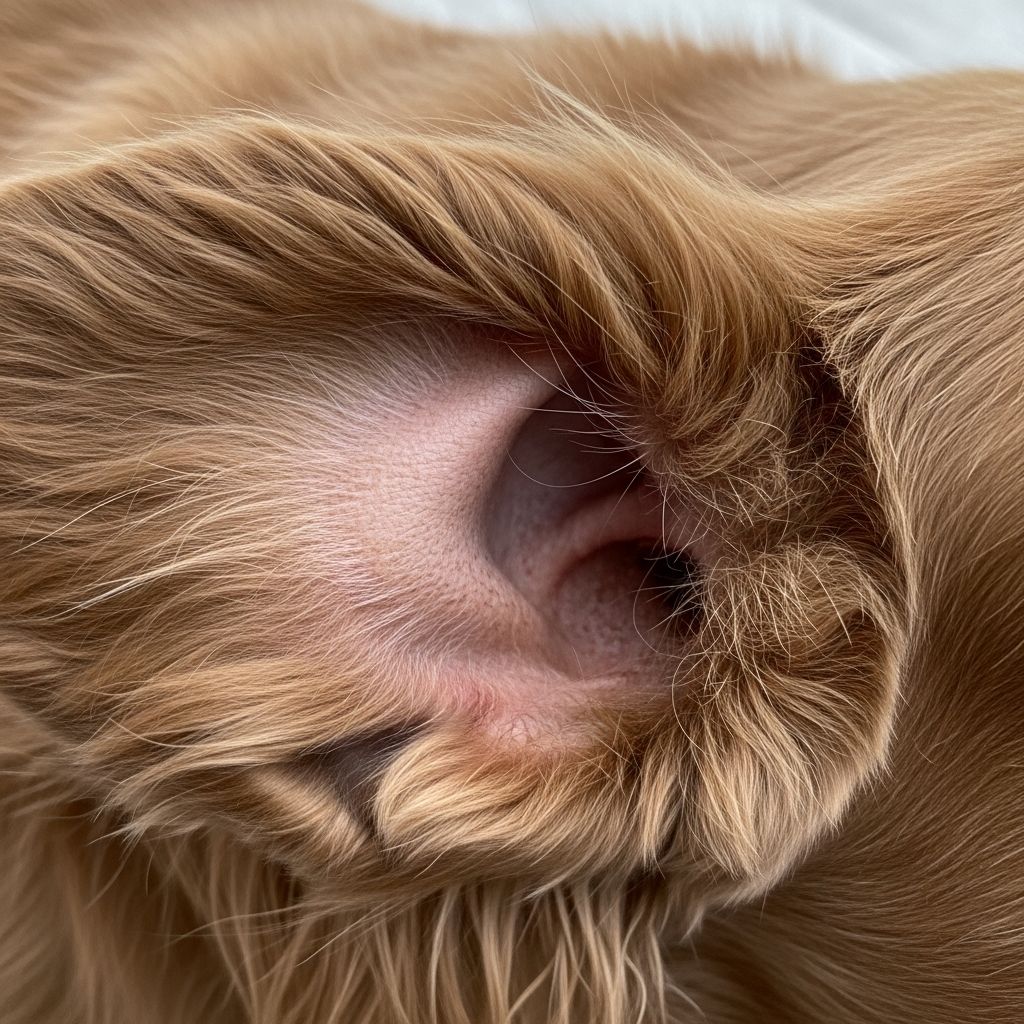
Plucking ear hair from dogs has long been a common grooming practice, particularly for breeds with hairy ear canals, but modern veterinary insights reveal it often does more harm than good by causing micro-tears that invite infections. Instead, focus on gentler methods like trimming outer hair and routine cleaning to maintain ear health without risking pain or complications.
The Anatomy of Canine Ears and Hair Growth
Dogs’ ears, especially in breeds like Poodles, Schnauzers, Doodles, and Bichon Frises, feature hair growth inside the canal that serves protective functions, trapping debris and regulating airflow. This hair acts as a natural barrier, but excessive growth can trap moisture, wax, and bacteria, potentially disrupting the ear’s microbiome—the balance of beneficial and harmful organisms.
When hair overgrows unchecked, it blocks visibility into the canal, hindering otoscope exams by vets and allowing yeast or bacteria buildup, as seen in cases where ears appear warm, red, and odorous before cleaning. Understanding this structure is key: the ear canal’s delicate lining is prone to injury from aggressive removal, shifting the focus from routine plucking to monitored maintenance.
Historical Context: Why Plucking Became Popular
Decades ago, groomers and some vets routinely plucked ear hair believing it enhanced ventilation, reduced wax accumulation, and prevented infections by clearing blockages. For show dogs in hairy-eared breeds, it created a clean aesthetic while supposedly promoting hygiene during baths when water might enter ears.
This method gained traction because short-term results—like easier cleaning—seemed beneficial, and few immediate issues arose in healthy dogs. However, as grooming evolved and vets tracked long-term outcomes, the narrative changed: what was once standard is now questioned unless medically justified.
Key Risks Associated with Ear Plucking
The primary concern with plucking is trauma to the ear canal’s sensitive tissues. Forcefully pulling hair creates microscopic tears, exposing raw areas to bacteria, yeast, and dirt, which dramatically heightens infection risk. These tears can lead to inflammation, soreness, and conditions like otitis externa if debris enters post-procedure.
- Microscopic Damage: Ripping hair follicles irritates the canal lining, fostering an environment ripe for pathogens rather than preventing them.
- Pain and Stress: Comparable to human waxing, it causes discomfort, especially in sensitive or infected ears, leading dogs to associate grooming with trauma and resist future sessions.
- Secondary Infections: Post-pluck scratching introduces toenail dirt into open follicles, worsening issues; groomers report fewer post-grooming infection complaints after abandoning the practice.
- Pathological Changes: Repeated trauma may alter ear anatomy or function, creating chronic problems.
These risks explain why many professionals now advise against it for healthy ears, prioritizing animal welfare over tradition.
Potential Benefits: When Plucking Might Still Be Warranted
Despite drawbacks, plucking isn’t universally discouraged. In dogs with recurrent infections, excessive wax not caused by prior plucking, or hair so dense it obscures the canal (preventing vet exams), removal can restore balance and aid treatment. For instance, a young Poodle’s yeast-laden ear improved dramatically after hair clearance, allowing proper medication.
However, this should occur under veterinary guidance, ideally by a vet, to minimize trauma and pair with infection checks. Regular, small-scale plucking may prevent massive buildups that are harder—and more irritating—to remove later.
Safer Alternatives to Plucking for Ear Maintenance
Modern grooming emphasizes non-invasive techniques that preserve natural protections while promoting hygiene. Here’s a comparison of options:
| Method | Benefits | Risks | Best For |
|---|---|---|---|
| Trimming Outer Ear Hair | Improves airflow without canal entry; tidy appearance | Minimal; no tears | All breeds, routine grooming |
| Ear Cleaning Solutions | Removes wax/debris safely; balances microbiome | Overuse dries skin | Weekly maintenance |
| Vet-Monitored Cleaning | Addresses infections early; professional tools | Requires appointment | Problem ears |
| Plucking (Vet-Only) | Clears heavy buildup | High trauma risk | Medical necessity only |
Trimming hair around the entrance enhances ventilation safely, while vet-approved cleaners dissolve buildup without pulling. Regular checks during grooming spot issues like odor, redness, or discharge early, prompting vet referrals.
Step-by-Step Guide to Safe Ear Grooming at Home
- Inspect Ears: Gently lift flaps; note smell, wax, redness, or head-shaking. Stop if painful.
- Trim Outer Hair: Use blunt scissors or clippers to shorten visible hair, avoiding canal entry.
- Clean Gently: Apply vet-recommended solution on cotton balls; wipe outer canal only—never probes deep.
- Dry Thoroughly: Use absorbent pads post-bath to prevent moisture.
- Monitor Weekly: Track changes; consult vet for abnormalities.
Frequency depends on breed: hairy-eared dogs need more attention, but always prioritize comfort.
Recognizing and Preventing Ear Infections
Ear infections (otitis) affect up to 20% of dogs yearly, worsened by poor grooming. Symptoms include:
- Head tilting or scratching
- Foul odor or dark discharge
- Sensitivity to touch
- Hair loss or crusting
Prevention involves balanced care: avoid water in canals during baths, use drying agents, and maintain microbiome with probiotics if vet-advised. Early intervention prevents chronic issues.
Breed-Specific Considerations
Not all dogs need ear interventions:
- High-Risk Breeds: Poodles, Schnauzers, Spaniels—prone to growth and infections; trim routinely.
- Low-Risk: Short-haired like Labs; focus on cleaning only.
- Floppy-Eared: Cocker Spaniels trap moisture; extra drying essential.
Tailor routines to anatomy and lifestyle (e.g., swimmers need more vigilance).
Professional Groomer and Vet Collaboration
Groomers play a pivotal role by educating owners on risks and refusing non-essential plucking. Always discuss history: recurrent issues warrant vet input before procedures. Vets can perform safe plucks with sedation if needed, reducing stress.
FAQs on Dog Ear Hair Grooming
Q: Is ear plucking ever safe?
A: Yes, for medical reasons under vet supervision, but not routinely.
Q: How often should I clean my dog’s ears?
A: Weekly for prone breeds; less for others—vet guidance key.
Q: What if my dog hates ear handling?
A: Use positive reinforcement; trim only outer hair to build trust.
Q: Can unplucked hair cause infections?
A: Only if excessive and unmanaged; trimming suffices usually.
Q: What’s the best ear cleaner?
A: Vet-recommended, pH-balanced solutions without alcohol.
Conclusion: Prioritize Gentle Care
Shifting from plucking to alternatives protects ears long-term, reducing pain, stress, and vet bills. Consult professionals for personalized plans—healthy ears mean happy dogs.
References
- Is Ear Plucking Safe for Dogs? — Smoochie Pooch. Accessed 2026. https://smoochie-pooch.com/ear-plucking-risks-and-safer-options/
- Rethinking Ear Plucking: Balancing Dog Ear Health — Retrostylistwear. Accessed 2026. https://retrostylistwear.com/blogs/news/rethinking-ear-plucking-balancing-do-ear-health
- The Problem with Ear Plucking — Gordon’s Grooming. Accessed 2026. https://gordonsgrooming.com/the-problem-with-ear-plucking/
- Should Dog’s Ear Hair Be Plucked? — Colorado Pet Education. Accessed 2026. https://coloradopeteducation.com/should-dogs-ear-hair-be-plucked/
- Ear Plucking and Why We’d Rather Not — Pawmasté Pet Spa. Accessed 2026. https://www.pawmastepetspa.com/blog/ear-plucking-and-why-wed-rather-not
Similar Articles








Read full bio of medha deb




