

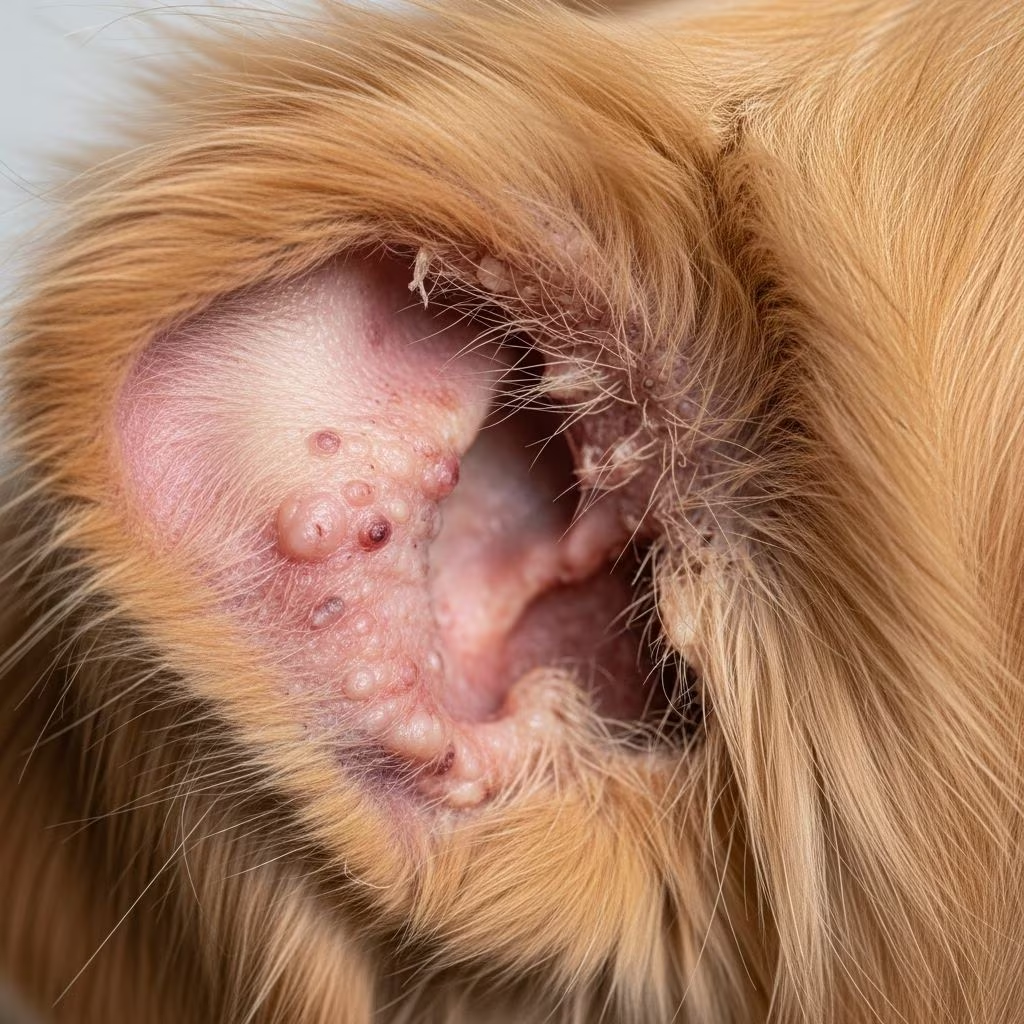
Ear contact dermatitis represents a significant challenge in veterinary practice, affecting the outer ear structures of dogs and cats through direct exposure to harmful substances. This condition arises when the skin of the pinna or ear canal reacts adversely to topical agents, leading to inflammation, discomfort, and potential secondary complications. Understanding its mechanisms, identification, and resolution is crucial for pet owners and veterinarians alike.
Understanding the Basics of Ear Skin Reactions
The ears of pets, particularly the pinnas, possess delicate skin that is highly susceptible to environmental and chemical insults. Contact dermatitis specifically involves a localized inflammatory response triggered by substances in direct contact with the skin. Unlike systemic allergies, this form targets the application site, often resulting from grooming products, medications, or plants.
In dogs, breeds with pendulous ears like spaniels face heightened risk due to moisture retention, fostering an ideal environment for irritant persistence. Cats, though less commonly affected, can develop similar issues from flea treatments or household cleaners. Early recognition prevents progression to chronic states, where tissue thickening and scarring impair ear function.
Primary Triggers and Risk Factors
Several factors contribute to the onset of ear contact dermatitis. Allergenic reactions occur when the immune system identifies harmless substances as threats, producing histamines that cause itching and redness. Common culprits include pollen residues carried on fur, certain shampoos with fragrances, and topical flea preventatives.
Irritant contact dermatitis, conversely, stems from non-immunologic damage by harsh chemicals like alcohol-based cleaners or acidic solutions, leading to immediate barrier disruption. Pets with pre-existing skin conditions, such as atopy, exhibit amplified susceptibility, with studies indicating allergies underlie over 40% of recurrent ear issues.
- Common allergens: Nickel in earrings (for pets with piercings), rubber components in collars, and plant saps.
- Frequent irritants: Ear cleaning solutions with harsh detergents, overzealous drying methods, and certain antibiotics.
- Predisposing factors: Humid climates, frequent swimming, and poor ear ventilation in floppy-eared breeds.
Recognizing Clinical Manifestations
Owners often first notice excessive head shaking, pawing at the ears, or rubbing against furniture. Visual signs include erythema (redness), edema, and papule formation on the pinna margins. As the condition advances, vesicles may rupture, yielding crusts and exudates that emit foul odors.
Severe cases manifest as ulceration, hair loss, and hyperpigmentation. In chronic scenarios, lichenification—skin thickening—occurs alongside glandular hyperplasia, complicating treatment. Pain upon palpation can lead to aural hematomas, fluid-filled swellings requiring surgical correction.
| Stage | Symptoms | Duration |
|---|---|---|
| Acute | Redness, swelling, mild itch | Days to 1 week |
| Subacute | Crusting, scaling, moderate pain | 1-4 weeks |
| Chronic | Thickened skin, odor, secondary infection | Months+ |
Diagnostic Approaches in Veterinary Practice
Accurate diagnosis begins with a thorough history, inquiring about recent product uses, environmental changes, and treatment responses. Physical examination employs otoscopy to visualize canal changes, noting discharge type—serous in allergies versus purulent in infections.
Cytology via swab analysis identifies inflammatory cells, bacteria, or yeast overgrowth, guiding therapy. For confirmation, intradermal testing or elimination diets rule out broader hypersensitivities. Advanced imaging like CT scans assess deeper involvement in refractory cases.
Video otoscopy, a specialized tool, allows magnified views and sample collection under sedation, essential for pinpointing contact reactions amid secondary otitis.
Management and Treatment Strategies
Treatment prioritizes allergen/irritant removal, followed by symptomatic relief. Hypoallergenic shampoos and emollients restore the skin barrier. Topical glucocorticoids reduce inflammation, while antimicrobial combinations address overgrowth.
Systemic therapies, such as oral antihistamines or short corticosteroid courses, benefit severe flares. Deep ear flushes under anesthesia clear debris, preventing stenosis. Long-term, hypoallergenic diets and environmental controls mitigate recurrences.
- Discontinue suspect products immediately.
- Initiate gentle cleansing with vet-recommended solutions.
- Apply prescribed topicals twice daily.
- Schedule follow-ups for cytology rechecks.
Preventive Measures for Long-Term Ear Health
Prevention hinges on meticulous ear hygiene without over-cleaning, which strips protective lipids. Routine checks post-swimming or grooming detect early changes. Selecting fragrance-free, veterinary-formulated products minimizes risks.
For allergy-prone pets, immunotherapy tailored via testing desensitizes over time. Regular dermatology consults for chronic cases ensure proactive management, averting irreversible damage.
Special Considerations for Dogs and Cats
Dogs: Breed-Specific Vulnerabilities
Breeds like Cocker Spaniels and Retrievers suffer disproportionately due to ear conformation and allergy prevalence. Food trials reveal otitis as the sole indicator in many.
Cats: Unique Presentations
Feline cases often link to ectoparasiticides or litter additives, presenting with pinnal erosions. Less prone to chronicity, they respond well to trigger avoidance.
Potential Complications and Prognosis
Untreated dermatitis fosters bacterial/yeast proliferation, yielding antibiotic-resistant strains. Hearing deficits from canal occlusion or ototoxicity arise in advanced otitis. Prognosis excels with prompt intervention; chronicity demands specialist input.
Referral thresholds include bilateral involvement, treatment failures, or neoplasia suspicion.
FAQs on Ear Contact Dermatitis
What distinguishes contact dermatitis from yeast infections?
Contact dermatitis primarily shows allergic/irritant signs without prolific yeast on cytology, unlike infections dominated by Malassezia.
Can home remedies safely treat this?
Avoid unguided remedies; they exacerbate damage. Consult vets for safe protocols.
How long until improvement post-treatment?
Acute cases resolve in 7-14 days; chronic may span weeks with diligent care.
Is surgery ever required?
Yes, for hematomas or end-stage canal ablation in unresponsive chronic disease.
Do vaccines or diets prevent recurrences?
Hypoallergenic diets and allergen-specific immunotherapy offer sustained control.
Emerging Research and Future Directions
Ongoing studies explore microbiome roles in dermatitis persistence, promising probiotic adjuncts. Anti-IL-31 therapies target itch at molecular levels, revolutionizing management.
Pet owners play pivotal roles via vigilant monitoring and compliance, ensuring ears remain healthy gateways to pet joy.
References
- Ears and allergies: A common couple in veterinary medicine — dvm360. 2023-approx. https://www.dvm360.com/view/ears-and-allergies-common-couple-veterinary-medicine
- The Role of Allergies in Pet Ear Problems — Animal Friends Dermatology. 2024-01-22. https://www.animalfriendsdermatology.com/site/blog/2024/01/22/role-allergies-pet-ear-problems
- Itchy Skin & Ear infection — Summit Dog and Cat Hospital. 2023-approx. https://www.summitdogandcat.com/itchy-skin-a-ear-infection
- Canine otitis externa — Treatment and complications — PMC – NIH (.gov). 2018-12-01. https://pmc.ncbi.nlm.nih.gov/articles/PMC6294027/
- Itchy ear problems — Cornell University College of Veterinary Medicine (.edu). 2023-approx. https://www.vet.cornell.edu/departments-centers-and-institutes/riney-canine-health-center/canine-health-information/itchy-ear-problems
- Pet Ear Infection Information — Veterinary Skin and Ear. 2023-approx. https://veterinaryskinandear.com/ear-infections/



