

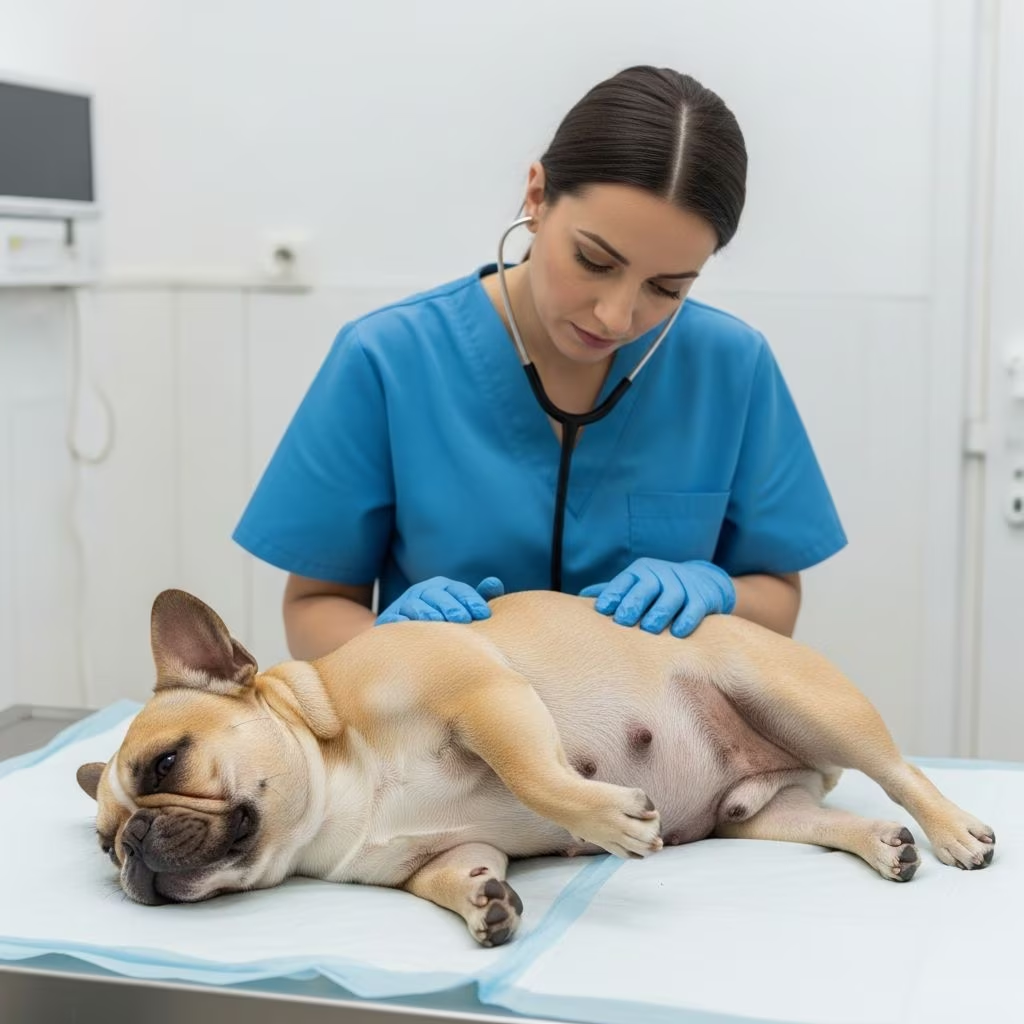
Understanding Dystocia in French Bulldogs
The term ‘dystocia’ refers to difficulty giving birth, and unfortunately French Bulldogs experience this condition far more frequently than many other dog breeds. French Bulldogs are approximately 16 times more likely to experience dystocia compared to crossbreeds, making it a significant health concern for breed owners and veterinarians. This heightened risk stems from the breed’s distinctive physical characteristics combined with genetic factors that create substantial challenges during the birthing process. Understanding the causes, recognizing warning signs, and knowing when to seek veterinary intervention are essential for anyone breeding or owning a pregnant French Bulldog.
Causes of Dystocia in French Bulldogs
Breed-Specific Anatomy
French Bulldogs are classified as a brachycephalic breed, characterized by shorter snouts and flattened facial structures. While these features define the breed’s distinctive appearance, they create significant physiological challenges. The brachycephalic body structure leads to multiple health complications including breathing difficulties, sleep disruption, and poor heat tolerance. More critically for reproduction, French Bulldogs have relatively large heads compared to their body size, while their mothers possess narrow hips and pelvis structures. This anatomical mismatch creates a dangerous combination for successful birthing, as the larger fetal heads must pass through the restricted pelvic canal of the mother.
Litter and Puppy Size
French Bulldogs typically produce smaller litter sizes than many other breeds. While smaller litters might seem less challenging, they actually increase dystocia risk significantly. In smaller litters, individual puppies tend to be substantially larger than they would be if part of a larger litter. These oversized puppies, particularly those presenting in abnormal positions during delivery, are more prone to becoming lodged in the birth canal. This obstruction can lead to serious and potentially life-threatening birthing complications for both mother and offspring.
Maternal Health Factors
Dystocia development is not solely determined by puppy characteristics; maternal health plays an equally critical role. French Bulldogs are susceptible to brachycephalic obstructive airway syndrome (BOAS), a condition directly linked to their head shape and the resulting breathing restrictions. During pregnancy and labor, BOAS typically worsens, reducing the mother’s oxygen availability at precisely the time when maximum physical exertion is required. This oxygen deprivation can precipitate severe complications.
Uterine inertia represents another significant maternal factor in dystocia development. This condition involves weak or completely absent uterine contractions necessary for expelling puppies through the birth canal. The age and weight of the mother also significantly influence dystocia risk, with female dogs over three years old experiencing more than three times the odds of dystocia compared to those under three years of age. Obesity further compounds this risk by compromising uterine function and overall birthing efficiency.
Genetic and Hereditary Risks
French Bulldogs carry a high prevalence of genetic spinal conditions that substantially increase dystocia risk. The breed frequently experiences Intervertebral Disk Disease (IVDD) and disk herniation due to genetic factors. The same gene mutation responsible for the breed’s characteristic corkscrew-like tail also causes problematic spinal changes throughout the vertebral column, resulting in curved spines and spinal column instability. During pregnancy and labor, these hereditary spinal conditions create additional physical stress on the mother’s body, further compromising her ability to deliver successfully.
Recognizing Physical Symptoms of Dystocia
Identifying dystocia requires vigilant observation of specific physical warning signs during labor. Several symptoms demand immediate veterinary attention:
- Green vaginal discharge without puppy delivery within 30 minutes
- Foul-smelling discharge indicating possible infection or fetal death
- Heavy bleeding suggesting internal trauma or complications
- Black discharge indicating necrotic tissue or serious internal problems
- Extreme lethargy or weakness in the mother
- Signs of distress or panic suggesting pain or inability to cope
- Strong contractions lasting over one hour without delivering a puppy
- Visible signs of a stuck puppy in the birth canal
Dystocia always represents an emergency requiring prompt veterinary treatment. Delayed intervention can result in death of puppies, maternal collapse, or permanent damage to reproductive organs. Never attempt to manage dystocia at home; immediate professional veterinary care is non-negotiable.
Diagnosis and Veterinary Intervention
How Veterinarians Diagnose Dystocia
Effective diagnosis begins with comprehensive information gathering. Veterinarians will request detailed notes about when labor commenced, the total pregnancy duration, how many puppies have already been delivered, and all observed symptoms. This historical context provides crucial diagnostic direction.
Physical examination follows, including a thorough vaginal examination to detect obstructions or abnormalities. Advanced diagnostic tools such as radiographs and ultrasound imaging help identify fetal positioning, count remaining puppies, and reveal any internal complications. Blood tests assess the mother’s overall health status and identify any electrolyte imbalances or metabolic abnormalities that might contribute to dystocia. This multi-layered diagnostic approach ensures veterinarians understand the precise nature and severity of the birthing difficulty before determining treatment strategy.
Treatment and Management of Dystocia
Medical Support During Labor
Treatment approaches depend entirely on the underlying cause and severity of dystocia. In some cases, manual assistance can resolve the difficulty. Veterinarians may gently manipulate puppy positioning to correct abnormal presentations that obstruct the birth canal. When maternal contractions are weak or absent, oxytocin injection can stimulate stronger uterine contractions. Additional medical support such as intravenous fluids or dextrose administration helps correct low blood sugar or provides systemic support when the mother is depleted from prolonged labor.
Medical management is only appropriate when no physical obstruction exists, fetal distress is absent, and the mother remains systemically stable. If initial medical interventions fail or complications develop, surgical intervention becomes necessary.
Cesarean Section in French Bulldogs
When manual assistance and medical management prove ineffective, or when a puppy is severely stuck, distressed, or deceased in the birth canal, surgical intervention becomes essential. A cesarean section (C-section) involves surgical removal of puppies from the uterus under general anesthesia. The mother receives complete anesthesia throughout the procedure, ensuring she experiences no pain.
Depending on the extent of internal trauma and the owner’s future breeding intentions, veterinarians may perform a spay procedure simultaneously with the cesarean section. This eliminates the risk of future dystocia episodes but permanently ends the dog’s breeding capability. Post-operative pain management is critical, utilizing medications suitable for nursing mothers, including NSAIDs and opioids as appropriate.
Post-Operative Care and Monitoring
Following cesarean delivery, vigilant monitoring for complications is essential. Owners should observe the surgical wound daily for signs of infection such as foul odor, oozing, excessive redness, or warmth. Fever, lethargy, or inability to care for puppies may indicate serious post-operative complications requiring immediate veterinary attention. Internal sutures help prevent wound contamination and reopening, but careful wound care remains important throughout the healing process.
Risk Factors and Prevention Considerations
Several factors significantly increase dystocia risk in French Bulldogs and warrant serious consideration before breeding:
- Maternal age: Dogs over three years old face substantially elevated risk
- Obesity: Overweight females show markedly increased dystocia incidence
- Size mismatch: Matings where the sire significantly exceeds the dam in size create disproportion problems
- Small litter size: Litters with few puppies result in oversized individual offspring
- Previous dystocia: Dogs with prior difficult births face recurrence risk
- Hereditary spinal conditions: Pre-existing IVDD or spinal instability compounds complications
Prospective breeders should carefully evaluate these risk factors and consider whether breeding is appropriate given the substantial health risks involved. Genetic screening, health testing, and selection of appropriate breeding pairs can marginally reduce—but not eliminate—dystocia risk in this breed.
Frequently Asked Questions
Q: What is dystocia in French Bulldogs?
A: Dystocia refers to difficulty in giving birth, occurring when a French Bulldog cannot deliver puppies without medical assistance. It can result from abnormal puppy positioning, disproportionate size between the puppy’s head and the mother’s pelvis, or maternal health conditions affecting labor capability.
Q: How common is dystocia in French Bulldogs?
A: Dystocia is quite common in French Bulldogs, occurring approximately 16 times more frequently than in crossbreeds. The breed’s brachycephalic head shape, narrow hips, and genetic predispositions create inherent birthing challenges affecting a substantial proportion of breeding females.
Q: What is uterine inertia and why is it problematic?
A: Uterine inertia occurs when the uterus fails to contract with sufficient strength or frequency to move puppies toward the cervix and through the birth canal. This most common cause of dystocia can result from genetic predisposition, excessive or insufficient litter size, low blood calcium, exhaustion, or illness. Without effective contractions, puppies cannot progress through the birth canal.
Q: When should I call the veterinarian during labor?
A: Contact a veterinarian immediately if you observe green discharge without a puppy arriving within 30 minutes, foul-smelling or black discharge, heavy bleeding, strong contractions exceeding one hour without delivery, signs of maternal distress, or any indication that a puppy is stuck in the birth canal.
Q: What are the risks of untreated dystocia?
A: Untreated dystocia can result in death of puppies from oxygen deprivation, maternal collapse from exhaustion and shock, uterine rupture, infection, and permanent damage to the mother’s reproductive system. Both mother and offspring face life-threatening consequences without prompt veterinary intervention.
Q: Is cesarean section safe for French Bulldogs?
A: Yes, cesarean section is a safe and often necessary surgical intervention for dystocia in French Bulldogs. Performed under general anesthesia, the procedure successfully delivers puppies when natural birth is impossible. Risk exists with any surgery, but the alternative—untreated dystocia—carries far greater danger to mother and offspring.
Q: Can dystocia be prevented in French Bulldogs?
A: Complete prevention is impossible given the breed’s inherent anatomical challenges. However, careful breeding practices, including genetic health testing, selection of appropriate breeding pairs, maintenance of healthy maternal weight, and breeding only younger, healthier females can marginally reduce risk. Some breeders and veterinarians recommend routine cesarean delivery for French Bulldogs due to the breed’s consistently high dystocia rates.
References
- Dystocia in dogs: understanding difficult births — Cornell University College of Veterinary Medicine, Riney Canine Health Center. https://www.vet.cornell.edu/departments-centers-and-institutes/riney-canine-health-center/canine-health-information/dystocia-dogs-understanding-difficult-births
- Dystocia in Small Animals – Reproductive System — Merck Veterinary Manual. https://www.merckvetmanual.com/reproductive-system/reproductive-diseases-of-the-female-small-animal/dystocia-in-small-animals
- Managing dystocia with surgery — DVM360. https://www.dvm360.com/view/managing-dystocia-with-surgery
- Dystocia in Dogs: Symptoms and Treatment — Veteris UK Petcare Advice. https://veteris.co.uk/petcare-advice/dystocia-in-dogs-symptoms-and-treatment
- Dystocia in Dogs — CVS Vets. https://www.cvsvets.com/health/conditions/dystocia-in-dogs



