Dysautonomia In Rabbits: A Comprehensive Guide For Vets
Understanding Autonomic Nervous System Failure in Lagomorphs
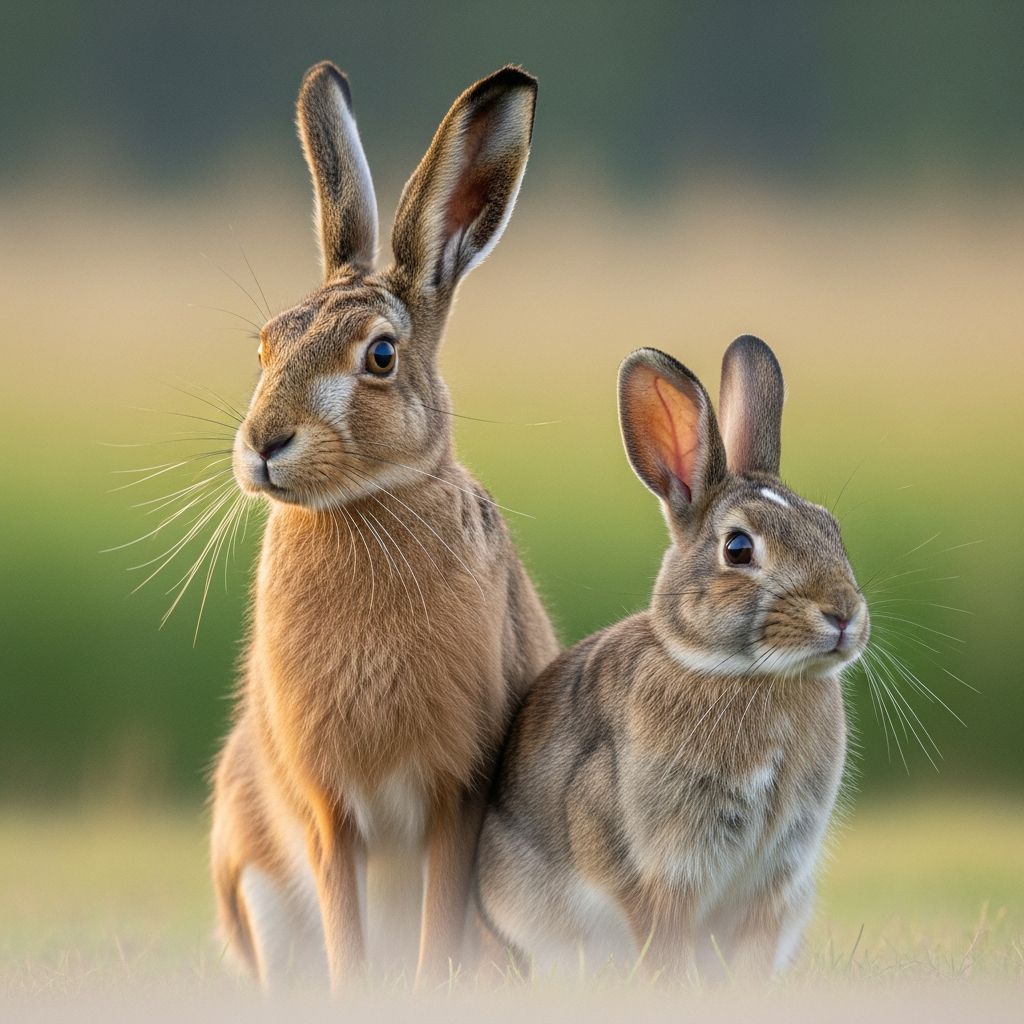
Dysautonomia represents one of the most challenging and poorly understood neurological conditions affecting domestic and wild rabbits as well as hares. This idiopathic disorder involves the progressive degeneration of neurons within the peripheral nervous system, leading to catastrophic failure of both sympathetic and parasympathetic nervous system functions. While relatively uncommon, the condition carries severe consequences for affected animals and presents diagnostic challenges for veterinary professionals. Understanding the pathophysiology, clinical presentation, and management strategies remains essential for practitioners caring for lagomorphs.
The Nature of Autonomic Dysfunction in Lagomorphs
The autonomic nervous system regulates involuntary bodily functions that operate continuously without conscious control. In healthy animals, this system maintains critical processes including heart rate regulation, blood pressure control, gastrointestinal motility, urinary function, lacrimal secretion, and pupillary responses. When dysautonomia develops in rabbits and hares, the degenerative process compromises these protective mechanisms, rendering the animal unable to maintain essential physiological equilibrium.
Leporine dysautonomia differs from dysautonomia observed in other species through its specific presentation and severity in rabbits. The condition has been documented primarily in European populations, with confirmed cases identified in Great Britain and more recently in other regions. Related autonomic disorders have been identified across multiple species, including equine grass sickness in horses and Key-Gaskell syndrome in both canine and feline populations, suggesting potential evolutionary or environmental connections.
Pathological Changes and Microscopic Findings
The microscopic examination of tissue samples from affected rabbits reveals distinctive patterns of neuronal damage. Severe vacuolation appears within neurons of the submucous and myenteric plexus—the nerve networks embedded within the intestinal wall that coordinate digestive movements. This vacuolar degeneration represents the hallmark pathological feature, indicating irreversible damage to the autonomic nervous ganglia. The chromatolytic changes observed in these neurons reflect the death and breakdown of the cell bodies that would normally transmit essential regulatory signals throughout the digestive tract and other organ systems.
These pathological alterations extend beyond visible microscopic damage. The actual mechanism responsible for initiating this neuronal degeneration remains unknown, classifying the condition as idiopathic. The precise trigger—whether infectious, toxic, nutritional, or genetic—has eluded scientific investigation, complicating both understanding and prevention efforts.
Clinical Manifestations and Physical Examination Findings
Rabbits and hares suffering from dysautonomia present with a constellation of clinical signs reflecting widespread autonomic dysfunction. The most apparent findings include:
- Severe weight loss and cachexia, resulting from gastrointestinal dysfunction and reduced appetite
- Marked dehydration despite potential access to water sources
- Extreme abdominal distension from dilated intestines, visible as a dramatically enlarged abdomen
- Significant urinary bladder enlargement and distension
- Ocular abnormalities including prolapsed nictitating membranes and pupillary changes
- Lethargy and depression, reflecting systemic compromise
- Variable gastrointestinal signs ranging from complete anorexia to partial food refusal
The progression of clinical signs typically follows a deteriorating course. Initial signs may appear subtle, manifesting as mild appetite reduction or behavioral changes. However, the condition characteristically worsens over time as neuronal degeneration progresses, ultimately leading to a state of complete physiological failure.
Gross Physical Abnormalities at Necropsy
When examining animals that have succumbed to the disease or requiring euthanasia, pathologists consistently observe severe gross abnormalities. The gastrointestinal tract appears markedly dilated, sometimes to remarkable degrees, with accumulation of food material despite the animal’s inability to consume adequate nutrition. The urinary bladder frequently achieves enormous size, sometimes contributing significantly to abdominal distension. Severe dehydration becomes evident from dried mucous membranes, sunken eyes, and reduced tissue turgor throughout the body.
These dramatic physical changes underscore the profound physiological disruption occurring throughout the animal’s body. The gastrointestinal dilation and bladder enlargement represent direct consequences of neuronal denervation—the loss of nerve supply that normally coordinates smooth muscle contraction and maintains appropriate organ function.
Diagnostic Approach and Differentiation
Establishing a diagnosis of leporine dysautonomia requires careful consideration of the clinical presentation alongside appropriate diagnostic testing. The combination of specific clinical signs can raise suspicion for autonomic dysfunction, though confirmation proves challenging in living animals. Veterinarians should consider dysautonomia as a differential diagnosis in rabbits presenting with neurological signs accompanied by mild gross findings, particularly when cachexia and intestinal or bladder distension are prominent features.
Diagnostic testing may include pharmacological assessments examining the animal’s response to autonomic agents. These tests evaluate whether the autonomic nervous system can respond appropriately to stimulation. However, the ability to perform and interpret such testing may be limited in general veterinary practice, and definitive diagnosis often requires post-mortem histopathological examination of nervous tissue.
The differential diagnosis list should include other causes of gastrointestinal dysfunction in rabbits, such as primary motility disorders, mechanical obstruction, infectious gastroenteritis, and metabolic derangements. The distinctive neurological component, combined with the characteristic gastrointestinal and urinary manifestations, helps distinguish dysautonomia from these alternative conditions.
Comparative Dysautonomia Across Animal Species
While dysautonomia in rabbits and hares represents an uncommon diagnosis, related autonomic nervous system disorders have been identified across multiple other species. This broader pattern of disease occurrence suggests potential shared etiological factors or parallel pathogenic mechanisms.
| Species | Condition Name | Geographic Distribution | Prognosis |
|---|---|---|---|
| Horses | Grass Sickness | Worldwide, especially temperate regions | Generally poor |
| Dogs | Key-Gaskell Syndrome | Worldwide | Poor to grave |
| Cats | Feline Dysautonomia | Worldwide, regional variations | Grave in most cases |
| Rabbits/Hares | Leporine Dysautonomia | Great Britain, Europe | Grave |
The occurrence of dysautonomia across evolutionarily distant species suggests that the etiological factor, whatever its nature, may affect multiple mammalian species through similar mechanisms. Understanding dysautonomia in one species potentially provides insights applicable to others, though species-specific differences in clinical presentation and progression remain evident.
Prognosis and Long-term Outcomes
The prognosis for rabbits diagnosed with dysautonomia remains uniformly grave. Unlike some chronic conditions in veterinary medicine where management strategies may permit prolonged survival or quality of life, dysautonomia typically follows a relentless course toward complete systemic failure. The progressive nature of the underlying neuronal degeneration means that as more neurons succumb to the pathological process, organ dysfunction compounds and life-threatening complications become inevitable.
Affected animals rarely survive extended periods following diagnosis. The progressive loss of autonomic function leads to mounting gastrointestinal dysfunction, urinary retention complications, inability to maintain appropriate cardiovascular regulation, and ultimate multi-organ system failure. Most animals succumb or require euthanasia within weeks to months of symptom onset.
Treatment Considerations and Supportive Care
Currently, no definitive treatment exists for dysautonomia in rabbits or any other species. The irreversible nature of the neuronal degeneration means that therapeutic interventions cannot restore damaged nerve tissue or reverse the underlying pathological process. Management efforts necessarily focus on supportive care measures aimed at maintaining comfort and addressing specific complications.
Supportive care approaches may include:
- Fluid therapy to address severe dehydration
- Nutritional support through assisted feeding or gastric intubation
- Medications to manage specific complications such as constipation or urinary retention
- Careful monitoring of vital parameters and organ function
- Pain management as the condition progresses
Given the uniformly poor prognosis and progressive nature of the condition, veterinarians must thoughtfully discuss quality of life considerations with rabbit owners. In many cases, humane euthanasia represents the most appropriate option to prevent prolonged suffering as the disease advances toward inevitable systemic failure.
Epidemiology and Geographic Distribution
Leporine dysautonomia remains a rare condition, though confirmed cases have appeared in multiple countries. The geographic distribution suggests either localized occurrence in specific populations or potential underrecognition in other regions. Documentation of cases in Croatia alongside previously reported cases in Great Britain indicates that the condition extends beyond isolated geographic areas, though the true prevalence remains uncertain due to potential underdiagnosis.
The rarity of the condition creates diagnostic challenges for veterinarians who may encounter rabbits with compatible clinical signs but lack familiarity with dysautonomia as a differential diagnosis. Increased awareness among practitioners could improve case recognition and understanding of the disease’s true prevalence.
Pathogenic Mechanisms and Etiology
Despite decades of investigation into dysautonomia across multiple species, the fundamental cause remains elusive. The idiopathic classification reflects our current inability to identify a specific infectious agent, toxin, nutritional deficiency, genetic predisposition, or environmental factor responsible for initiating the neuronal degeneration characteristic of the disease.
Several potential etiological theories have been proposed but lack definitive confirmation. These include infectious agents such as bacteria or viruses that specifically target autonomic neurons, environmental toxins that accumulate and cause neuronal damage, nutritional deficiencies affecting neuronal metabolism, or genetic susceptibility factors that predispose certain individuals to developing the condition. The simultaneous occurrence of related conditions in multiple species suggests that if an infectious or toxic etiology exists, it may affect diverse mammalian hosts.
Clinical Distinguishing Features Between Leporine Dysautonomia and Other Conditions
Several features help distinguish leporine dysautonomia from other common rabbits conditions affecting the gastrointestinal or urinary systems. The concurrent presentation of neurological signs with gastrointestinal and urinary manifestations represents a critical distinguishing characteristic. Primary gastrointestinal disorders typically spare the nervous system and ocular structures. Urinary obstruction or cystitis usually present without severe cachexia and neurological findings. The distinctive combination of severe weight loss, neurological signs, marked gastrointestinal distension, and bladder enlargement creates a clinical syndrome relatively specific to dysautonomia.
Future Research Directions and Diagnostic Advancement
Advancing understanding of dysautonomia requires continued investigation into its etiology across multiple species. Comparative studies examining dysautonomia in rabbits, horses, dogs, and cats might reveal common pathogenic mechanisms or species-specific differences in disease expression. Advanced diagnostic techniques, including neuroimaging and genetic analysis, could identify previously unrecognized abnormalities in autonomic nerve structures or genetic markers associated with susceptibility.
Development of improved diagnostic tests applicable to living animals would facilitate earlier and more confident diagnosis, potentially allowing for therapeutic research. Likewise, identification of the causative agent or mechanism could open avenues for preventive strategies or targeted treatments.
Clinical Recommendations for Veterinary Practitioners
Veterinarians encountering rabbits with concurrent neurological signs, severe weight loss, and marked gastrointestinal or urinary distension should include dysautonomia in their differential diagnosis. Thorough history-taking regarding disease progression, dietary factors, and environmental exposures should be documented. Diagnostic imaging and laboratory work help exclude other conditions, while histopathological examination of nervous tissue provides definitive diagnosis in cases where post-mortem examination becomes necessary.
When dysautonomia appears likely based on clinical presentation, practitioners should discuss the grave prognosis and progressive nature of the condition with owners. Honest communication regarding expected outcomes and quality of life considerations allows families to make informed decisions regarding treatment versus humane euthanasia.
References
- A Case of Leporine Dysautonomia from Croatia — Advances in Clinical and Veterinary Neurology. 2022. https://reference-global.com/article/10.2478/acve-2022-0010
- Autonomic dysfunction in a Jack Russell terrier — National Center for Biotechnology Information, U.S. National Library of Medicine. PMC3039902. https://pmc.ncbi.nlm.nih.gov/articles/PMC3039902/
- Feline dysautonomia in the Midwestern United States — National Center for Biotechnology Information, U.S. National Library of Medicine. PMC10911208. https://pmc.ncbi.nlm.nih.gov/articles/PMC10911208/
- Dysautonomia: What It Is, Symptoms, Types & Treatment — Cleveland Clinic. 2024. https://my.clevelandclinic.org/health/diseases/6004-dysautonomia
Similar Articles








Read full bio of Sneha Tete