

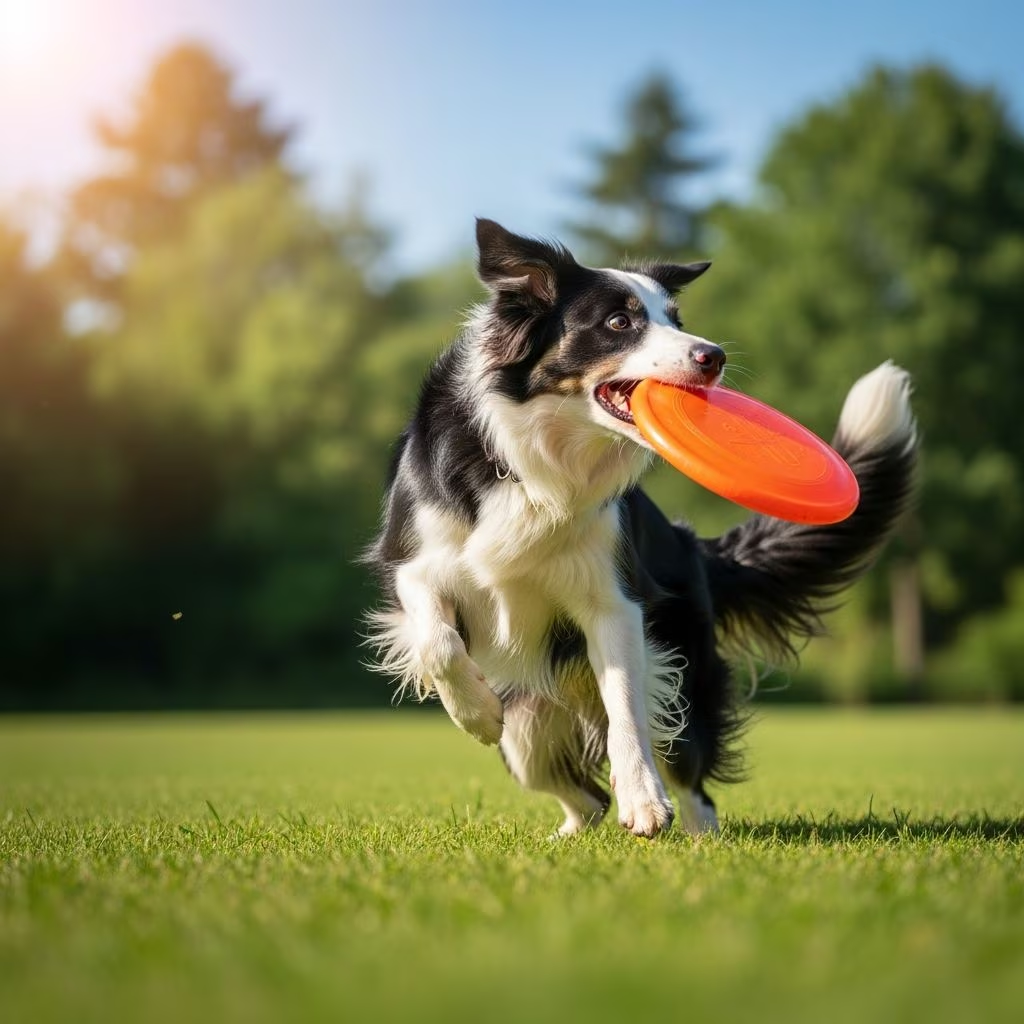
Dogs with high energy levels require more than occasional outdoor walks to stay healthy, mentally sharp, and emotionally balanced. Traditional exercise routines often fall short of meeting the complex physical and cognitive demands of active breeds and younger dogs. Motion-based toys, particularly those that encourage chasing and pursuit, offer a sophisticated solution to this challenge. These tools transform ordinary playtime into comprehensive workout sessions that simultaneously address fitness needs, mental stimulation, and behavioral concerns. Understanding how to effectively use chase-oriented toys can dramatically improve your dog’s daily routine and overall quality of life.
The Fundamentals of Movement-Based Toy Systems
Motion-activated toys function on a principle that taps into dogs’ natural predatory instincts and prey-drive behaviors. Unlike stationary toys that remain in one location, these systems create dynamic environments where dogs must track, pursue, and respond to moving targets. The most effective designs combine unpredictable movement patterns with engagement rewards, creating scenarios that challenge both the body and mind simultaneously.
Modern chase toy systems can reach speeds of up to 20 mph and span course lengths extending to 100 feet, making them suitable for various environments and property sizes. These systems typically incorporate durable materials, safety features like reinforced nylon cords and tethers, and adjustable speed settings that accommodate different skill levels and fitness capacities. The engineering behind these toys reflects a deeper understanding of canine behavior and biomechanics, allowing owners to provide professional-quality enrichment experiences.
Physical Conditioning and Muscular Development
Active pursuit through chase toy engagement delivers comprehensive cardiovascular benefits that extend far beyond simple calorie expenditure. When dogs engage in chasing behaviors, they activate muscle groups throughout their entire body, developing strength and agility through natural movement patterns. The running, jumping, and directional changes required during chase sequences strengthen core muscles, improve joint flexibility, and enhance overall body coordination.
Dogs participating in regular chase play demonstrate improved muscle tone, increased cardiovascular capacity, and better metabolic function. These physical adaptations are particularly crucial for growing puppies, whose developing bodies benefit from varied movement patterns, and for senior dogs, who need consistent activity to maintain mobility and prevent muscle atrophy. The repetitive nature of pursuit play also develops fine motor skills and coordination, as dogs must use their paws with precision and think through their movements to successfully engage with moving targets.
Physical fitness achieved through chase toys offers protective benefits against numerous health conditions. Regular physical activity reduces obesity risk, a condition affecting significant portions of the pet population and contributing to numerous secondary health issues including joint problems, diabetes, and reduced lifespan. Active dogs maintain healthier cardiovascular systems, stronger bones, and better overall physical resilience.
Mental Stimulation and Cognitive Development
Beyond physical exertion, chase toys provide essential mental engagement that keeps canine brains sharp and responsive. Dogs must constantly process visual information, predict movement patterns, calculate trajectories, and make split-second decisions about pursuit strategies. This cognitive demand activates problem-solving centers within the canine brain, promoting neural development and maintaining mental acuity as dogs age.
Mental stimulation through interactive play encourages the development of enhanced cognitive functions and learning capabilities. Dogs learn to associate pursuit behaviors with positive outcomes and rewards, reinforcing adaptive learning patterns. This mental engagement is particularly valuable for younger dogs whose developing brains benefit from varied challenges, and for older dogs who require continued cognitive stimulation to maintain alertness and prevent age-related cognitive decline.
The complexity introduced by moving toys that vary their speed, direction, and patterns prevents habituation and maintains novelty in play routines. Dogs remain engaged and interested across multiple play sessions because they cannot predict exact movements or outcomes. This sustained mental engagement combats boredom, which serves as a root cause for numerous behavioral problems including destructive chewing, excessive barking, and anxiety-related behaviors.
Behavioral Improvements and Stress Reduction
Excessive energy without appropriate outlets manifests in destructive and problematic behaviors that strain the relationship between dogs and their owners. Dogs confined to small spaces without sufficient physical and mental engagement become anxious, frustrated, and reactive. Chase toys provide controlled environments where dogs can safely discharge pent-up energy and redirect natural impulses toward appropriate activities.
Regular engagement with motion-based toys significantly reduces behaviors stemming from boredom and frustration. Dogs that receive adequate physical exercise and mental stimulation demonstrate calmer temperaments, reduced anxiety levels, and fewer destructive behaviors. The satisfaction derived from successful pursuit and engagement with moving toys contributes to improved emotional well-being and a more content disposition.
Stress reduction extends beyond behavioral improvement to encompass measurable physiological changes. Dogs engaged in appropriate physical activity experience reduced stress hormone levels and improved emotional regulation. This creates a positive feedback loop where physically active dogs become calmer, more responsive to training, and better behaved in home environments.
Strengthening Human-Canine Bonds Through Interactive Play
Chase toys designed for interactive use, where owners actively participate in play sessions, create powerful bonding opportunities. When owners guide, encourage, and engage with their dogs during chase play, they communicate trust, enthusiasm, and shared joy. These positive interactions strengthen emotional connections and reinforce the bond between dog and owner.
Interactive play sessions provide structured quality time that demonstrates to dogs they are valued members of the family unit. Dogs learn to associate their owners with fun, excitement, and positive experiences. This foundation of positive association makes training more effective, increases compliance with commands, and creates more harmonious household dynamics.
Participating in active play with your dog also delivers health benefits to owners. The physical activity required during chase toy sessions provides owners with moderate exercise, contributing to their own fitness and wellness goals. Shared activity creates common ground and establishes routines that both dog and owner look forward to maintaining.
Adapting Chase Toys to Different Living Situations
Chase toys offer flexibility that makes them suitable for various living environments and circumstances. Dogs living in apartments or on small properties can utilize indoor versions or compact outdoor setups that fit available space constraints. Dogs with limited mobility due to injury or advanced age can engage with adjusted speed settings and shorter course lengths, maintaining activity levels appropriate to their physical condition.
Weather-related limitations that might prevent traditional outdoor exercise become less problematic with properly selected chase toys. Indoor play areas, covered porches, or basement spaces can accommodate movement-based toys during rain, extreme heat, or severe cold. This ensures dogs maintain consistent activity levels throughout the year rather than experiencing seasonal fluctuations in exercise routines.
Dogs in recovery from surgery or injury can gradually return to activity through controlled chase toy sessions. Adjustable speed settings and shorter engagement periods allow owners to calibrate activity levels precisely, supporting rehabilitation processes under veterinary guidance. The mental stimulation provided during these limited-activity periods helps prevent the frustration and anxiety that often accompanies recovery periods.
Comparison Table: Chase Toy Options and Characteristics
| Toy Type | Best For | Space Requirements | Engagement Level |
|---|---|---|---|
| Motorized Track Systems | High-energy dogs, breed-specific training | Outdoor or large indoor areas | Very High |
| Treat-Dispensing Rolling Toys | Dogs of various sizes and ages | Moderate indoor or outdoor spaces | Moderate to High |
| Laser or LED Chase Systems | Indoor apartments, senior dogs | Minimal space required | Moderate |
| Tug-Based Motion Toys | Interactive owner-dog play | Variable based on toy design | High |
Frequently Asked Questions About Chase Toys
How often should dogs engage in chase toy play sessions?
The optimal frequency depends on individual dog factors including age, breed, fitness level, and overall health. Most dogs benefit from daily chase toy engagement, with sessions lasting 15 to 30 minutes. Puppies and high-energy adults may require multiple shorter sessions throughout the day, while senior dogs might engage in one session with adjusted intensity and duration.
Can chase toys substitute for traditional walking exercises?
Chase toys provide excellent supplementary activity and mental stimulation, but they work best as complementary rather than replacement exercise. Dogs benefit from varied movement patterns, environmental exposure, and sensory stimulation that traditional walks provide. Chase toys become particularly valuable during weather limitations or temporary mobility restrictions, but regular walking maintains its importance in comprehensive canine fitness routines.
Are chase toys appropriate for all dog sizes and breeds?
Most chase toy systems offer adjustable features that accommodate different sizes and fitness levels. Small dogs can use compact systems with proportional settings, while large breeds enjoy full-sized configurations. Puppies and senior dogs require modified intensity levels, but chase toys remain beneficial across age and size categories when properly selected and supervised.
What safety considerations apply to chase toy use?
Proper setup, regular equipment inspection, and appropriate supervision ensure safe chase toy experiences. Dogs should wear properly fitted collars, and play areas should be clear of obstacles or hazards. Initial sessions should be monitored to ensure dogs understand boundaries and respond to commands appropriately.
Implementing Chase Toys in Your Dog’s Routine
Starting a chase toy program requires gradual introduction and observation of your individual dog’s response. Begin with shorter sessions to assess comfort levels and energy responses. Many dogs naturally understand pursuit play, but some require familiarization periods to build confidence and engagement. Gradually extend session duration as your dog demonstrates sustained interest and appropriate behavior.
Variety in chase toy usage maintains novelty and prevents habituation. Rotating between different toy types, adjusting speed settings, and varying play locations keeps the experience fresh and engaging. This variation prevents boredom and maintains the mental stimulation benefits across extended time periods.
Incorporating chase toys into structured daily routines establishes expectations and creates positive anticipation. Dogs anticipating regular play sessions demonstrate improved behavior and emotional stability. Consistent scheduling also helps owners integrate play sessions into their own daily routines, ensuring sustained commitment to this important aspect of canine wellness.
Long-Term Health and Wellness Benefits
Dogs receiving consistent physical activity and mental stimulation through chase toys demonstrate better long-term health outcomes and increased lifespans compared to sedentary counterparts. The cardiovascular benefits, weight management, and reduced stress contribute to fewer chronic health conditions and improved overall quality of life. Mental engagement and behavioral satisfaction create emotionally healthier dogs with fewer anxiety and behavioral issues requiring intervention.
The investment in appropriate chase toys represents a proactive approach to canine health and happiness. By providing tools that align with natural dog behaviors and instincts, owners create environments where dogs thrive physically, mentally, and emotionally. Chase toys transform exercise from a sometimes-resisted obligation into an eagerly anticipated activity that dogs genuinely enjoy.
References
- Why Your Cat Will Love the Dog Chasing Toy Too — Flounder Cat. Accessed March 2026. https://floundercat.com/post/why-your-cat-will-love-the-dog-chasing-toy-too
- How Interactive Puzzle Toys Enhance Your Dog’s Well-being — My Intelligent Pets. Accessed March 2026. https://myintelligentpets.com/blogs/blog/playtime-prowess-how-interactive-toys-enhance-your-dogs-well-being
- How Interactive Puzzle Toys Enhance Your Dog’s Well-being — Dog Training Michigan. Accessed March 2026. https://dogtrainingmichigan.com/enhancing-your-dogs-fitness-the-power-of-interactive-puzzle-toys/
- The Importance of Interactive Toys in Canine Development — My Woof. Accessed March 2026. https://mywoof.com/blogs/articles/the-importance-of-interactive-toys-in-canine-development
- Are Puzzle Toys Really Good for Dogs? What the Science Tells Us — Rover. Accessed March 2026. https://www.rover.com/blog/are-puzzle-toys-good-for-dogs/



