

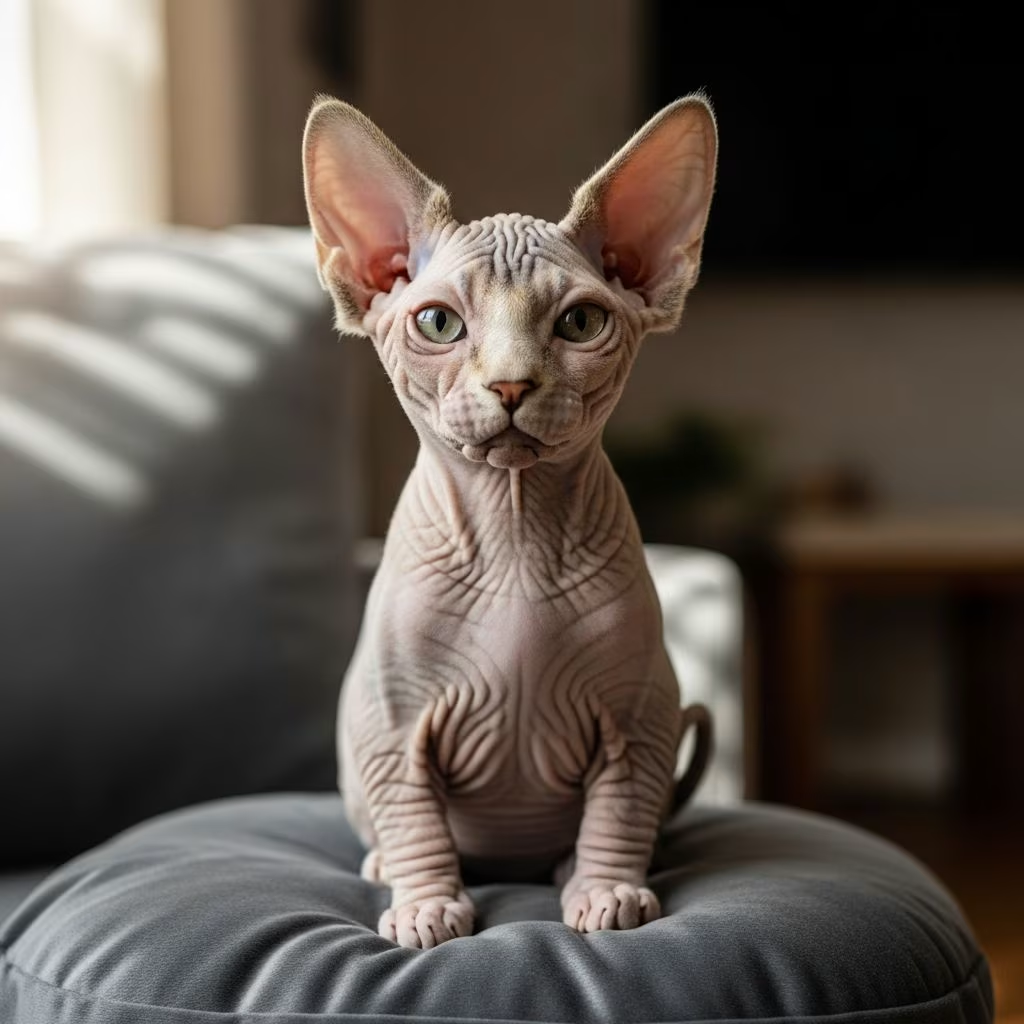
The Dwelf cat stands out as a mesmerizing hybrid breed, blending the hairless elegance of the Sphynx, the compact stature of the Munchkin, and the distinctive ear curl of the American Curl. Developed in the early 2000s, this rare feline captivates with its otherworldly looks and affectionate nature, making it a sought-after choice for dedicated cat enthusiasts.
Origins and Development of the Dwelf
The Dwelf emerged from innovative breeding programs in the United States during the early 2000s, where breeders sought to combine standout traits from three established breeds. By crossing the Sphynx for its furless body, the Munchkin for shortened limbs, and the American Curl for backward-curving ears, they crafted a cat that embodies fantasy-inspired aesthetics. This deliberate hybridization reflects a trend in designer cats, prioritizing visual novelty alongside companionship qualities.
Unlike longstanding breeds recognized by major bodies like the Cat Fanciers’ Association (CFA), the Dwelf remains experimental and is accepted mainly by niche registries. Its name fuses “dwarf,” nodding to the leg length, and “elf,” evoking the pointed, curled ears, underscoring its mythical allure. Breeders emphasize ethical practices to mitigate genetic risks inherent in such mixes.
Physical Characteristics and Appearance
Dwelf cats possess a compact, muscular frame that belies their agility. Typically weighing 5 to 9 pounds (2.3 to 4.1 kg), they measure small to medium in size, with a low-slung, elongated body supported by sturdy, short legs—longer in the hindquarters for a characteristic crouch.
Their skin, nearly hairless or covered in fine peach fuzz, feels warm and supple, often displaying loose wrinkles especially around the neck, shoulders, and paws. This exposes prominent cheekbones and a sculpted head, enhancing their exotic appeal. Ears stand large and curl backward in a gentle arc, framing wide-set, expressive eyes that convey perpetual curiosity.
| Feature | Description |
|---|---|
| Body Type | Muscular, low-slung with short legs |
| Skin/Coat | Hairless or peach fuzz; wrinkled, colorful patterns |
| Ears | Large, curled backward (elf-like) |
| Eyes | Large, wide-set, expressive |
| Weight | 5-9 lbs (2.3-4.1 kg) |
Color variations abound, from solids and tabbies to tortoiseshells, all accentuated by the skin’s texture. Paws are oval and robust, aiding surprising acrobatics despite the leg proportions.
Temperament and Behavioral Traits
Dwelfs shine in personality, marked by boundless energy, sociability, and intelligence. These cats crave interaction, excelling in play sessions that leverage their agility for leaps and chases. Their quick learning makes them responsive to training, from tricks to harness walks.
- Playful Energy: Hours of engagement keep them content, preventing mischief.
- Affectionate Bonds: They form deep attachments, often following owners room-to-room.
- Social Adaptability: Thrive with families, children, and compatible pets; less ideal for solitary lifestyles.
While routine-oriented and change-averse, Dwelfs adapt to indoor living with ample stimulation. Their gentle handling tolerance suits lap cuddles, though they balance independence with devotion.
Grooming and Daily Care Essentials
Absence of fur shifts care focus to skin health. Weekly baths with mild, cat-safe shampoos remove oils, preventing blackheads or dryness. Follow with moisturizers to soothe wrinkles. Sun protection via clothing or lotions guards against burns, as their exposed skin is UV-sensitive.
Nail trims biweekly, ear cleanings to avert buildup in curls, and dental brushing maintain hygiene. Short legs demand monitoring for mobility issues, but most navigate furniture nimbly. Provide elevated perches and ramps for accessibility.
- Bathing: 1-2 times weekly
- Skin Moisturizing: Daily if dry
- Nail Trims: Every 2 weeks
- Dental Care: Brushing 2-3 times weekly
Diet mirrors active Sphynx needs: high-protein, calorie-dense food supports metabolism. Fresh water and portion control prevent obesity.
Health Considerations and Lifespan
Dwelfs inherit potential issues from parent breeds: Munchkin-related lordosis or pectus excavatum affecting spine and chest; Sphynx hypertrophic cardiomyopathy (HCM); Curl ear cartilage concerns. Reputable breeders screen via genetic tests and ultrasounds.
With vigilant care, lifespans reach 12-15 years. Routine vet visits catch early signs. Their warmth-seeking nature suits moderate climates; drafts or extremes exacerbate skin woes.
Ideal Living Environments for Dwelf Cats
Dwelfs flourish in interactive homes with play opportunities. Apartments suit if enriched with toys, scratching posts, and vertical space. They bond well with respectful kids and dogs but need gradual pet introductions.
Avoid isolation; puzzle feeders and window perches combat boredom. Temperature control (68-78°F) ensures comfort, as they lack insulating fur.
Acquiring a Dwelf: Breeders and Costs
Rarity drives prices to $2,000-$4,000 from ethical breeders prioritizing health certifications. Research via breed clubs; evade unregulated sources risking poor genetics.
Adoption from rescues is uncommon but growing. Verify pedigrees and visit facilities.
Common Myths and Facts About Dwelf Cats
- Myth: Hairless means low-maintenance. Fact: Skin care intensifies routines.
- Myth: Short legs hinder mobility. Fact: Agile despite stature.
- Myth: Fragile health. Fact: Robust with screening.
Frequently Asked Questions (FAQs)
Are Dwelf cats hypoallergenic?
Partially; minimal dander aids allergy sufferers, but test exposure.
Do Dwelfs need special diets?
High-calorie for metabolism; vet-guided nutrition.
Can Dwelf kittens have curled ears from birth?
Ears curl weeks post-birth, unlike fixed traits.
Are Dwelfs good with children?
Yes, patient if supervised.
How often should I bathe a Dwelf?
Weekly to manage oils.
Training Tips for Your Dwelf Cat
Leverage intelligence for litter training, recall, and tricks. Positive reinforcement with treats or play yields results. Harness training enables safe outdoor time.
Consistency builds routine trust, minimizing stress from changes.
References
- Traits, characteristics, health of Dwelf Cat breed — KingPet. 2023. https://www.kingpet.com/breeds/cat/2067-Dwelf
- Dwelf Cats: Unique Traits & Characteristics — Bailey’s CBD. 2024. https://baileyscbd.com/blogs/cat-breeds/dwelf-cats-unveiling-their-mysteries
- Dwelf — GoofyTails. 2024. https://goofytails.com/pages/dwelf
- Dwelf Cat Breed: The Small, Bald, & Beautiful Feline Guide — Holistapet. 2023. https://www.holistapet.com/blogs/cat-breeds/dwelf



