Dutch Rabbit Care Guide: Key Tips For Diet, Grooming & Housing
Master the essentials of nurturing a Dutch rabbit with expert tips on housing, feeding, grooming, and health for a joyful pet.
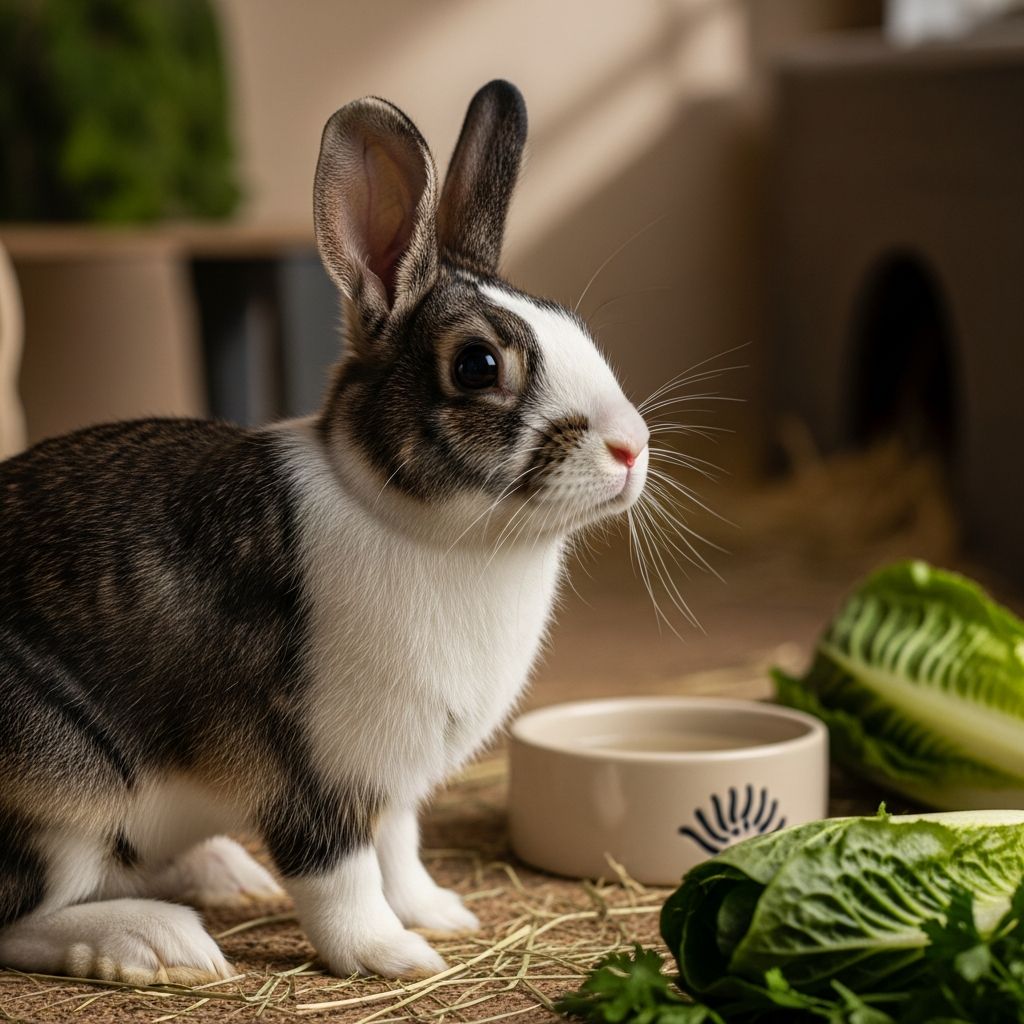
Dutch Rabbit Care Guide
Dutch rabbits make excellent pets for families and beginners due to their friendly nature, manageable size, and straightforward care requirements. These compact bunnies, typically weighing 4 to 5.5 pounds, feature striking black-and-white markings and short, glossy coats that require minimal upkeep. With proper attention to their diet, living space, grooming, health, and social needs, Dutch rabbits can live 7 to 10 years or more, bringing years of companionship.
Understanding the Dutch Rabbit Breed
The Dutch rabbit originated in England in the early 19th century and quickly gained popularity for its distinctive piebald coloration: a white face blaze, collar, and underbelly contrasting with a solid colored head, ears, and hindquarters in shades like black, blue, chocolate, or tortoise. Recognized by the American Rabbit Breeders Association (ARBA), they are a small-to-medium breed ideal for indoor living. Their alert personality, intelligence, and affection make them responsive to training and eager for interaction.
Unlike larger breeds, Dutch rabbits adapt well to apartment life provided they receive ample exercise. They are active yet not overly destructive, though early socialization prevents skittish behavior around children or other pets. Selecting a healthy specimen involves checking for bright eyes, clean fur, firm body condition, and balanced markings without excessive white spotting.
Creating the Ideal Living Environment
A suitable habitat prioritizes space, safety, and cleanliness to support natural behaviors like hopping, digging, and hiding. For indoor setups, opt for an enclosure at least 24 by 24 inches for a single Dutch rabbit, expandable for pairs, with vertical height allowing full upright stretches. Wire floors should cover no more than half the base to prevent foot sores; pair with solid platforms, tunnels, and chew toys.
Outdoor hutches demand predator-proofing with secure latches, roofing against rain, and insulation for temperatures between 50°F and 80°F. Avoid extremes: bring indoors below freezing or above 80°F to prevent hypothermia or heatstroke. Placement in high-traffic family areas fosters bonding while litter box training confines mess to one spot.
- Essential Enclosure Features: Spacious floor area (minimum 4×4 feet for playtime), hiding boxes, hay racks, litter tray, and chew-proof wiring.
- Daily Exercise: 4-6 hours supervised free-roam in bunny-proofed rooms to burn energy and strengthen bones.
- Cleaning Schedule: Spot-clean daily, full sanitize weekly with vinegar solution to curb bacteria.
| Indoor vs. Outdoor Housing | Pros | Cons | Tips |
|---|---|---|---|
| Indoor | Climate control, family interaction | Requires room proofing | Use baby gates, cover wires |
| Outdoor | Fresh air, space | Weather/predator risks | Double walls, elevate off ground |
Nutrition for Optimal Health
Dutch rabbits are herbivores requiring a high-fiber diet mimicking wild foraging. Unlimited timothy or meadow hay forms 80-90% of intake, grinding teeth and aiding digestion. Supplement with 1-2 cups fresh greens per 5 pounds body weight daily, such as romaine, parsley, or cilantro, rotating to avoid oxalate buildup.
Pellets provide concentrated nutrients: limit to 1/4 cup per 4-5 pounds daily of timothy-based, high-fiber varieties without seeds or treats. Fresh water via bottle or bowl must refresh daily; observe preferences. Avoid fruits (sugar overload) and carrots (myths aside, they’re treats only). Young rabbits under 6 months benefit from alfalfa hay for growth.
- Daily Feeding Breakdown:
- Hay: Unlimited access
- Greens: 1 cup per pound of body weight
- Pellets: Measured portions
- Treats: Occasional oats or herbs
Monitor weight weekly; obesity risks GI stasis. Transition diets gradually over 7 days to prevent upset.
Grooming and Hygiene Routines
Short coats shed seasonally, demanding weekly brushing with a soft slicker tool to remove loose fur and inspect skin. Nail trims every 4-6 weeks prevent snags using pet clippers, avoiding the quick. Ear checks weekly for wax or mites; clean gently if vet-approved. Never bathe—rabbits self-groom effectively, and water shocks their system. Spot-clean soiled areas with damp cloths or wipes.
Litter training leverages natural habits: provide a box with hay and pellets in the enclosure corner. Most learn in days via positive reinforcement like treats. Weekly vinegar cleanings maintain hygiene without harsh chemicals.
Health Monitoring and Veterinary Care
Annual vet exams by a rabbit-savvy professional catch issues early. Watch for dental malocclusion (spur growth causing drooling/pawing), GI stasis (no eating/pooping), or parasites like Cheyletiella mites, transmissible to humans requiring bleach disinfection. Signs of distress: lethargy, hunched posture, wet chin, or abnormal stools demand immediate care.
Vaccinations aren’t routine in the US but protect against myxomatosis in endemic areas. Spay/neuter at 4-6 months curbs cancer, aggression, and urine marking. ARBA guidelines stress sanitation to prevent respiratory infections.
- Common Issues and Solutions:
- Dental: Vet filing under sedation
- Mites: Medicated baths, cage disinfect
- Overgrown Nails: Monthly trims
Behavior, Training, and Socialization
Dutch rabbits exhibit binkying (joy jumps), flopping (relaxation), and thumping (alarm). Gentle handling from youth builds trust: support hindquarters fully to avoid injury. Litter training uses enclosed pans; tricks like fetch leverage smarts.
Social butterflies, they bond deeply with owners and compatible pairs (same-sex post-neuter). Supervised kid interactions teach respect; isolate from dogs/cats initially. Daily 30-minute play sessions prevent boredom-induced chewing.
Daily and Weekly Care Schedules
| Frequency | Tasks |
|---|---|
| Daily | Hay refill, greens/pellets, water change, exercise, cuddle time |
| Weekly | Brushing, nail/ear check, full clean, toy rotation |
| Monthly | Weight check, deep sanitize |
| Annually | Vet exam, vaccines if needed |
Frequently Asked Questions
Are Dutch rabbits suitable for beginners?
Yes, their size, trainability, and low grooming needs make them ideal for first-time owners committed to daily interaction.
Can Dutch rabbits live outdoors year-round?
Possible in mild climates with insulated, secure hutches, but indoor is safer for monitoring health.
How much do Dutch rabbits cost?
Expect $30-60 for pet quality, plus $200-500 initial setup and ongoing food/vet expenses.
Do they get along with other pets?
With supervision and slow intros, yes; always prioritize rabbit safety.
What’s the best diet ratio?
Hay 85%, greens 10%, pellets 5%; no muesli mixes.
Long-Term Bonding and Enrichment
Build routines like puzzle feeders or agility tunnels for mental stimulation. Track milestones in a journal for vet visits. Rescue adoption supports breed preservation while gaining a loving companion.
References
- The Dutch Rabbit: A Classic Choice for New Owners — Vet Verified. 2023. https://vetverified.com/articles/the-dutch-rabbit-a-classic-choice-for-new-owners
- Dutch Rabbit — PetMD. 2024-01-15. https://www.petmd.com/rabbit/breeds/dutch-rabbit
- ARBA Recommendations for the Care of Rabbits and Cavies — American Rabbit Breeders Association. 2019-05. https://arba.net/wp-content/uploads/2019/05/rabbit-care-recommendations.pdf
- Rabbit Care Guide — Chicago Exotics Animal Hospital. 2023. http://www.exoticpetvet.com/complete-rabbit-care.html
Similar Articles








Read full bio of Sneha Tete