

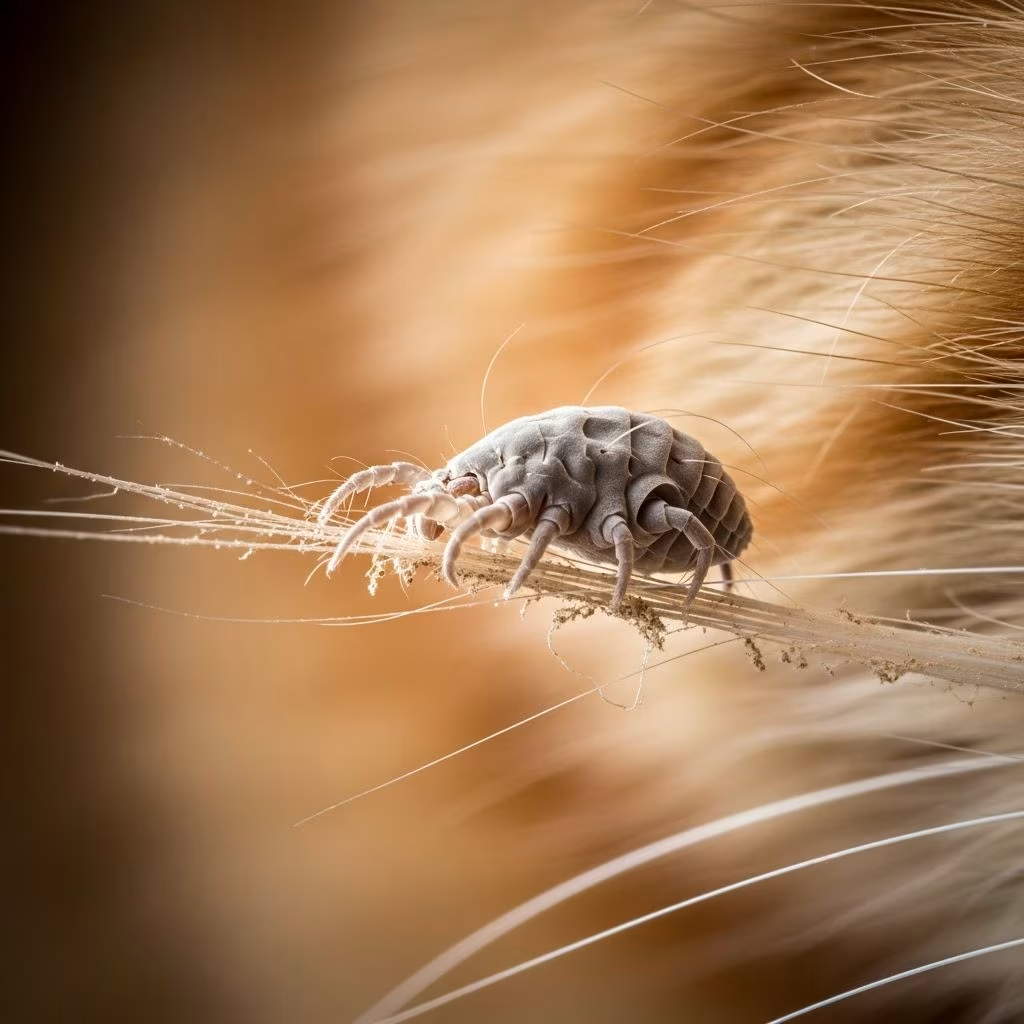
Dust mite allergies represent a significant environmental trigger for atopic dermatitis in cats, leading to persistent discomfort and skin problems. These microscopic arachnids thrive in household dust, and their allergens provoke immune responses in sensitized felines.
Understanding the Nature of Dust Mites and Their Impact on Cats
Dust mites are tiny creatures that feed on dead skin cells shed by humans and pets, flourishing in warm, humid environments like bedding, carpets, and upholstery. In cats, exposure to dust mite feces and body fragments can initiate hypersensitivity reactions, contributing to 30-80% of positive skin tests in atopic cases. Unlike fleas or food allergens, dust mites are pervasive indoors, making complete avoidance challenging.
Cats previously living outdoors may develop sensitivities upon transitioning to indoor life, as constant exposure builds immune tolerance thresholds. This allergy often manifests as part of broader atopy, overlapping with pollen or mold reactions, complicating diagnosis.
Recognizing Symptoms of Dust Mite Sensitivity in Felines
Cats with dust mite allergies typically exhibit intense **itching (pruritus)**, particularly around the head, ears, paws, and groin areas. Common clinical signs include:
- Recurrent ear infections (otitis) due to self-trauma from scratching.
- Chin acne or folliculitis, appearing as blackheads or pustules.
- Eosinophilic granuloma complex, featuring ulcerative lesions on lips, tongue, or paws.
- Plasma cell pododermatitis, causing swollen, painful footpads.
- Secondary bacterial or yeast infections from broken skin barriers.
These symptoms worsen seasonally in humid climates or year-round in controlled indoor settings. Owners may notice excessive grooming, hair loss (alopecia), or behavioral changes like restlessness from discomfort.
How Dust Mite Allergens Trigger Allergic Reactions
The primary allergens are proteins in mite digestive enzymes, potent even in trace amounts sufficient to elicit reactions. In allergic cats, these invade the skin, prompting IgE-mediated responses that release histamine, causing inflammation and itch. Chronic exposure leads to epidermal barrier dysfunction, increasing infection susceptibility.
Studies indicate storage mites in dry pet food can exacerbate respiratory issues like asthma in some cats, though skin allergies predominate.
Diagnostic Approaches for Confirming Dust Mite Allergy
Veterinarians start with a thorough history and physical exam to rule out fleas, food allergies, or mites. Key diagnostics include:
- Intradermal skin testing: A shaved flank patch is injected with allergens; wheal formation indicates positivity, performed by dermatologists.
- Serum IgE testing: Blood draw analyzes antibody levels to specific mites.
- Exclusion trials: Flea preventatives and novel protein diets eliminate differentials.
Positive results to house dust mites (e.g., Dermatophagoides farinae) guide targeted therapy.
Primary Treatment Strategies: Immunotherapy and Medications
The cornerstone of long-term management is **allergen-specific immunotherapy (ASIT)**, via subcutaneous injections or sublingual drops, desensitizing the immune system over months to years. Success rates improve clinical signs in many cases, reducing reliance on drugs.
Symptomatic relief options include:
| Medication | Type | Use |
|---|---|---|
| Cyclosporine (Atopica) | Oral | Anti-inflammatory for itch control. |
| Oclacitinib (Apoquel) | Oral | Targets itch signaling pathways. |
| Lokivetmab (Cytopoint) | Injection | Monoclonal antibody lasting 4-8 weeks. |
| Glucocorticoids (e.g., Prednisone) | Oral/Topical | Short-term flare control. |
Topical shampoos support skin barriers, while antibiotics treat infections. For storage mite-linked asthma, switching to wet food may help.
Environmental Controls to Minimize Dust Mite Exposure
Eradication is impossible, but reduction strategies lower allergen loads. Effective measures:
- Wash bedding weekly in hot water (>130°F/54°C).
- Vacuum carpets/upholstery daily with HEPA filters; air out fabrics in hot sun or freezing cold for 12 hours.
- Use allergen-proof covers on pet beds and human mattresses.
- Maintain humidity below 50% with dehumidifiers.
- Groom cats regularly to remove dander/attractants; bathe weekly if tolerated.
- Opt for washable blankets; change HVAC filters often.
Avoid dry kibble storage in open bags to prevent storage mites.
Lifestyle Adjustments for Allergic Cats
Keep cats out of bedrooms to protect sleeping areas from dander and mites. Use unscented litter and minimize stressors, as anxiety amplifies symptoms. Regular vet check-ups monitor progress and adjust plans.
Potential Complications and Prognosis
Untreated allergies lead to chronic infections, thickened skin (lichenification), and reduced quality of life. With multimodal therapy—immunotherapy, meds, and environment—most cats achieve good control. Prognosis improves with early intervention and owner compliance.
FAQs on Dust Mite Allergies in Cats
Q: Can indoor-only cats get dust mite allergies?
A: Yes, constant indoor exposure sensitizes them, especially former outdoor cats brought inside.
Q: Is immunotherapy safe for cats?
A: Generally yes, with monitoring; sublingual options suit non-compliant cats.
Q: How long until treatments work?
A: Medications offer quick relief (days); immunotherapy takes 3-12 months for peak effect.
Q: Do air purifiers help?
A: HEPA units reduce airborne allergens but pair with other controls.
Q: Can diet affect dust mite allergies?
A: Wet food may reduce storage mite exposure for respiratory cases.
Conclusion: Empowering Cat Owners for Better Outcomes
Managing dust mite allergies requires a holistic approach, blending veterinary care with home vigilance. By identifying triggers, implementing therapies, and modifying environments, owners can significantly alleviate their cat’s suffering and foster healthier lives.
References
- FAQs about house dust mite and storage mite allergies — dvm360. 2023. https://www.dvm360.com/view/faqs-about-house-dust-mite-and-storage-mite-allergies
- House Dust Mite Allergies in Dogs and Cats — MedVet. 2024. https://www.medvet.com/house-dust-mite-allergies-in-dogs-and-cats/
- Pets, Dog and Cat Allergies — ACAAI. 2023. https://acaai.org/allergies/allergic-conditions/pet-allergies/
- Your guide to managing cat allergies — Nextmune Laboratories UK. 2023. https://nextmunelaboratories.co.uk/news/your-guide-to-managing-cat-allergies/
- Treatment of Allergies in Cats — Your Vet Wants You To Know. 2024. https://yourvetwantsyoutoknow.com/treatment-of-allergies-in-cats/



