

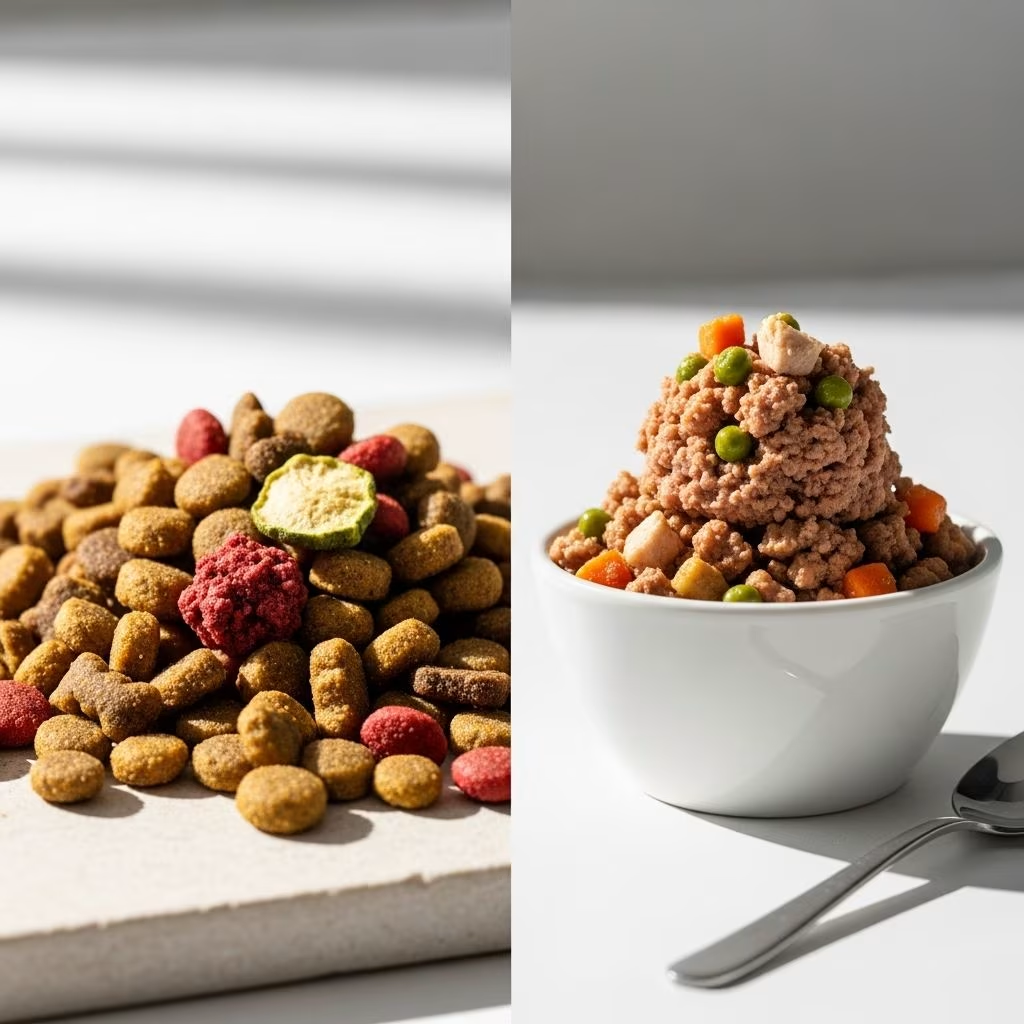
Choosing between dry kibble and wet canned dog food involves weighing factors like nutrition, convenience, cost, and your dog’s specific needs. Both types meet nutritional standards when AAFCO-approved, but their differences in moisture, texture, and processing affect suitability for various dogs.
Understanding the Basics of Dog Food Types
Dry dog food, known as kibble, undergoes extrusion processing where ingredients are cooked, shaped, and dried to about 10% moisture content. This creates shelf-stable bags easy for storage and portioning. Wet dog food, conversely, involves grinding proteins, blending with nutrients and gravy, then canning or pouching at 75-82% moisture, offering a soft, gravy-like consistency.
These production methods lead to distinct profiles: kibble prioritizes density and crunch, while canned varieties emphasize aroma and hydration. Semi-moist options exist with 20-45% moisture but often include added sugars or salts, making them less common.
Nutritional Breakdown: Dry Matter Analysis
To compare fairly, evaluate nutrients on a dry matter basis, excluding water. Dry food lists higher crude protein (25-40%) due to concentration, while wet shows 10-15% as-fed, but both equalize around 40-50% dry matter protein in quality formulas. Fat levels align at 5-15% across types, supporting energy needs.
| Nutrient | Dry Food (As-Fed) | Wet Food (As-Fed) | Dry Matter Comparison |
|---|---|---|---|
| Protein | 25-40% | 10-15% | Similar (40-50%) |
| Fat | 10-15% | 5-15% | Comparable |
| Carbohydrates | 30-50% | 10-30% | Dry higher |
| Moisture | 6-12% | 75-82% | N/A |
Dogs digest carbohydrates efficiently, so higher levels in kibble aren’t inherently problematic unless a low-carb diet is prescribed. Wet foods often feature more meat on dry matter, appealing to carnivorous instincts.
Key Advantages of Dry Kibble
- Cost-Effective: Lower price per calorie and bag format reduces shopping frequency.
- Convenience: No refrigeration needed; stays fresh longer and portions easily.
- Dental Benefits: Crunching action scrapes plaque, though not a substitute for brushing.
- Nutrient Density: Ideal for large breeds needing high calories without bulk volume.
- Storage: Lightweight bags fit any pantry.
Key Advantages of Wet Canned Food
- Hydration Boost: High water content aids dogs prone to urinary issues or low drinkers.
- Palatability: Intense aroma and soft texture entice picky, senior, or ill dogs.
- Ease of Digestion: Softer for dental problems or post-surgery recovery.
- Satiety: Fills dogs faster, aiding weight control despite higher calorie density per gram.
- Fewer Preservatives: Processing requires less for stability.
Potential Drawbacks to Consider
Dry food’s low moisture demands ample fresh water access, and its hardness challenges dogs with broken teeth. It may include more preservatives for shelf life and carbs for shaping.
Wet food costs 1.5-3x more per calorie, spoils quickly after opening, and its softness risks plaque buildup. Larger volumes suit small dogs better than giants.
| Aspect | Dry Food Cons | Wet Food Cons |
|---|---|---|
| Cost | Lower upfront | Higher per serving |
| Storage | Easy, long shelf life | Refrigerate leftovers |
| Dental | May abrade teeth | Promotes tartar |
| Hydration | Requires extra water | Built-in moisture |
Health Impacts and Special Needs
For kidney or urinary conditions, wet food’s moisture reduces strain, per veterinary insights. Seniors or those with arthritis appreciate soft textures. Active large breeds thrive on dense kibble. Puppies benefit from either if complete and balanced.
Dental health: Kibble offers mechanical cleaning, but wet with brushing maintains hygiene equally. Obesity management favors wet for satiety, though calories must match activity.
Mixing Dry and Wet: A Balanced Approach
Combining types maximizes benefits: top wet on kibble for flavor and moisture without full switch costs. This enhances palatability, hydration, and variety, preventing boredom.
- Start with 75% dry, 25% wet; adjust based on acceptance.
- Boosts calories for underweight dogs.
- Varied textures stimulate appetite.
Transition gradually over 7-10 days to avoid digestive upset.
Cost and Practical Feeding Tips
Dry suits budgets and busy owners; buy in bulk for savings. Wet excels for targeted health but watch portions—dogs eat more volume. Calculate needs via body weight and activity: roughly 2-3% body weight daily, split meals.
Store dry in cool, dry spots; freeze wet portions. Always provide water, especially with kibble.
Choosing Based on Your Dog’s Profile
- Puppy: Dry for teething crunch; mix for weaning.
- Adult Active: Dry for density.
- Senior: Wet for joints, hydration.
- Picky Eater: Wet topper.
- Weight Loss: Wet for fullness.
Frequently Asked Questions
Is wet dog food better for hydration?
Yes, its 75%+ moisture contributes significantly, ideal for low drinkers or hot climates, but kibble-fed dogs stay hydrated with water bowls.
Does dry food clean dogs’ teeth?
It helps remove plaque via chewing, but veterinary dental care is essential; wet food requires more brushing.
Can I switch between dry and wet?
Absolutely—mixing provides variety; transition slowly to prevent tummy issues.
Which is more nutritious?
Both can be if AAFCO-compliant; compare dry matter labels for protein/fat.
Is wet food more expensive?
Yes, 1.5-3x per calorie, but smaller cans stretch for toppers.
Final Thoughts on Optimal Feeding
No one-size-fits-all: assess your dog’s age, health, preferences, and lifestyle. Consult vets for tailored advice, especially medical conditions. Quality ingredients trump format—prioritize whole meats, veggies, and balanced macros.
References
- Dry vs. Wet Dog Food, or Both? — PetMD. 2023. https://www.petmd.com/dog/nutrition/dry-dog-food-vs-wet-dog-food-which-better
- Wet Versus Dry Pet Food: Is One Better for Your Pet? — McGill Office for Science and Society. 2022-01-10. https://www.mcgill.ca/oss/article/nutrition/wet-versus-dry-pet-food-one-better-your-pet
- Dry, Canned, or Semi-Moist: Food Choices for Dogs — VCA Animal Hospitals. 2024. https://vcahospitals.com/know-your-pet/dry-canned-or-semimoist-food-choices-for-dogs
- Dry vs Wet Dog Food in 2025: A Vet’s Thorough Comparison — Ask A Vet. 2025. https://askavet.com/blogs/pet-food-nutrition/dry-vs-wet-dog-food-in-2025-a-vet-s-thorough-comparison-%F0%9F%90%B6
- Wet Vs Dry Dog Food: Which is Right for Your Pup — Nature’s Logic. 2024. https://natureslogic.com/blog/wet-vs-dry-dog-food/



