

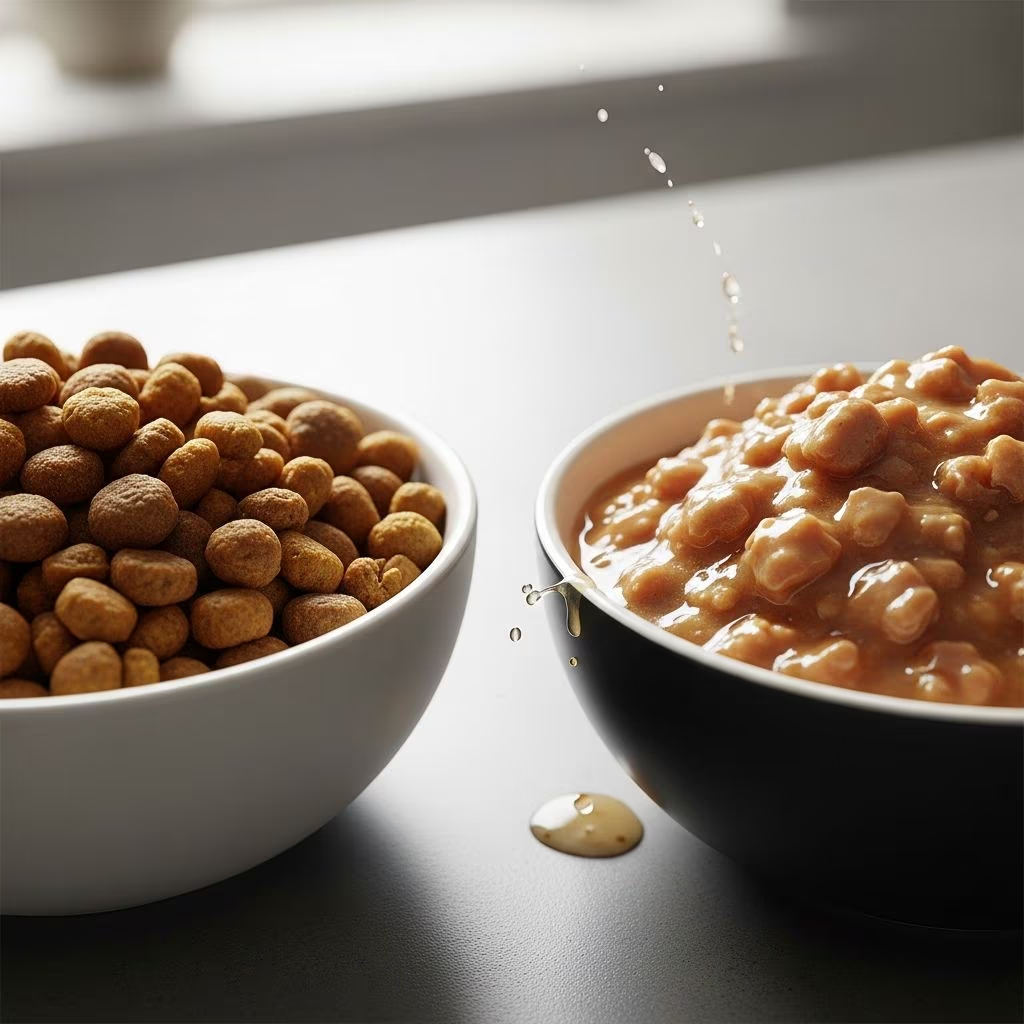
Cats are obligate carnivores with specific nutritional needs, and choosing between **dry cat food** (kibble) and **wet cat food** (canned or pouched) impacts their hydration, dental health, weight management, and overall vitality. This comprehensive guide breaks down the differences, pros, cons, and expert recommendations to help you select or combine the ideal diet for your cat.
What Is Dry Cat Food?
**Dry cat food**, also known as kibble, is a dehydrated product with low moisture content, typically around **6-12%**. It’s processed through extrusion, where ingredients are cooked under high pressure and cut into bite-sized pieces that expand as they cool. This results in crunchy, shelf-stable nuggets easy to store and serve.
Dry food is formulated to be complete and balanced, often including grains or starches for binding. It’s energy-dense, meaning cats get more calories per gram compared to wet food, making portion control essential.
What Is Wet Cat Food?
**Wet cat food** comes in cans, pouches, or trays with a high moisture content of **70-85%**, mimicking the water levels in raw prey. It’s gently cooked in the packaging to preserve flavors and nutrients, resulting in a soft, pâté-like or chunky texture that’s highly palatable.
The high water content makes it less calorie-dense, promoting satiety while aiding hydration. Wet food often emphasizes animal proteins with fewer carbohydrates, aligning closely with a cat’s natural diet.
Key Differences Between Dry and Wet Cat Food
The primary distinctions lie in composition, convenience, and health impacts. Here’s a detailed comparison:
| Feature | Dry Cat Food | Wet Cat Food |
|---|---|---|
| **Moisture Content** | 6-12% | 70-85% |
| **Protein (as fed basis)** | 28-40% (higher due to dehydration) | 10-20% (similar dry matter basis) |
| **Fat** | 8-22% | 2-10% |
| **Carbohydrates** | 25-50% (for kibble structure) | <10% |
| **Calories per oz** | Higher (energy-dense) | Lower |
| **Shelf Life** | Long; no refrigeration | Refrigerate after opening |
Nutrient percentages can mislead without considering dry matter basis—dehydrate wet food mentally by dividing by 0.2-0.3 to compare apples-to-apples.
Pros and Cons of Dry Cat Food
Pros of Dry Cat Food
- Convenience: Shelf-stable, no refrigeration needed; ideal for free-feeding or multi-cat homes.
- Dental Health: Crunchy texture mechanically scrapes plaque and tartar, reducing buildup (though not a substitute for brushing).
- Affordability: Lower cost per ounce and pound; economical for long-term feeding.
- Nutrient Density: Concentrated calories and nutrients suit active cats or kittens needing energy.
- Portion Control: Measuring cups make it easy to track intake.
Cons of Dry Cat Food
- Low Hydration: Minimal moisture can lead to chronic dehydration if cats don’t drink enough, risking urinary issues.
- Higher Carbs: Starches for extrusion may exceed a cat’s low-carb needs, potentially contributing to obesity or diabetes.
- Calorie Density: Easy to overfeed, leading to weight gain without vigilant portions.
- Palatability for Seniors: Hard kibble may be tough on aged teeth or gums.
Pros and Cons of Wet Cat Food
Pros of Wet Cat Food
- Superior Hydration: High water content supports kidney and urinary tract health, crucial for cats prone to crystals or FLUTD.
- High Palatability: Strong aroma and soft texture appeal to picky eaters, seniors, or kittens.
- Lower Carbs, Higher Protein Quality: Closer to ancestral diet; promotes lean muscle and satiety.
- Weight Management: Less calorie-dense; cats feel full longer, aiding slimming.
- Easy Digestion: Soft consistency gentle on digestive and dental issues.
Cons of Wet Cat Food
- Cost: More expensive per ounce due to packaging and moisture.
- Storage Hassle: Must refrigerate leftovers; spoils quickly if not consumed.
- No Dental Benefits:
- Messier: Can be sloppy to serve and clean.
Soft texture doesn’t clean teeth; may increase plaque if fed exclusively.
Nutritional Comparison: Dry vs Wet Cat Food
Both can be AAFCO-complete, but formulations differ. Dry kibble requires grains/starches for shaping, elevating carbs to 25-50%, while wet food prioritizes meat (protein 40-50% dry matter). Fat is higher in dry for palatability and energy.
**Protein:** Cats need 26-30% minimum (dry matter); both meet this, but wet often uses more animal sources.
**Taurine & Essentials:** Both fortified; no superiority.
For health conditions:
- Obesity/Diabetes: Wet (low-carb, hydrating).
- Kidney/Urinary: Wet (flushes toxins).
- Dental: Dry (mechanical action).
Cost Comparison: Which Is Cheaper?
Dry food costs $1-3/lb, lasting weeks; wet is $0.50-2/oz (e.g., 3oz can $1.50), but smaller volumes needed. Per calorie, dry is often cheaper, but premium wet may equalize. Factor vet bills—wet prevents issues, potentially saving money long-term.
Health Considerations
- Hydration Risks: Cats descend from desert dwellers with low thirst drive; dry-only diets correlate with CKD/UTIs.
- Dental Myths: Dry reduces tartar somewhat but doesn’t prevent gingivitis like brushing.
- Obesity: Dry’s density promotes overeating; 60%+ cats overweight.
- Specific Needs: Kittens thrive on dry for calories; seniors/patients prefer wet.
Can You Mix Dry and Wet Cat Food?
Yes—combining leverages strengths: hydration from wet, convenience/dentals from dry. Strategies:
- 50/50 mix per meal for texture variety.
- Alternate meals: Wet AM, dry PM.
- Topper: Wet over dry for appeal.
Benefits include better hydration, palatability, weight control. Transition gradually; consult vet for calories.
Frequently Asked Questions (FAQs)
Is wet or dry food better for cats?
No one-size-fits-all; wet excels in hydration, dry in convenience/dentals. Mix for balance based on your cat’s needs.
Does dry food clean cats’ teeth?
It helps reduce plaque via crunching, but veterinary dental care is still essential.
Can I feed only wet food?
Yes, if complete nutrition; supplement brushing for dentals.
Is wet food more expensive?
Per ounce yes, but comparable per calorie; prevents costly health issues.
How much water should cats drink on dry food?
Aim for 3-4oz per 5lb body weight daily; add wet or fountains if low.
Final Thoughts
Assess your cat’s age, health, lifestyle, and preferences. Prioritize AAFCO-approved foods; consult your vet for tailored advice. Many thrive on a mix, optimizing nutrition effortlessly.
References
- Wet Vs Dry Cat Food: Which is Right for My Cat — Nature’s Logic. 2023. https://natureslogic.com/blog/wet-vs-dry-cat-food/
- Wet vs. Dry Cat Food, or Both? — PetMD. 2024-05-15. https://www.petmd.com/cat/nutrition/wet-cat-food-vs-dry-cat-food-which-better
- Wet vs. Dry Cat Food | What to Feed a Cat — Blue Buffalo. 2023. https://www.bluebuffalo.com/articles/cat/wet-vs-dry-cat-food/
- Wet vs Dry Food: What’s The Right Choice For Your Cat? — CareCredit. 2024. https://www.carecredit.com/well-u/pet-care/canned-vs-dry-cat-food/
- Wet vs Dry Cat Food: Which Is Better for Your Cat? — Tuft & Paw. 2024. https://www.tuftandpaw.com/blogs/cat-guides/wet-vs-dry-cat-food
- Dry, Canned, or Semi-Moist: Food Choices for Cats — VCA Animal Hospitals. 2023. https://vcahospitals.com/know-your-pet/dry-canned-or-semi-moist-food-choices-for-cats



