

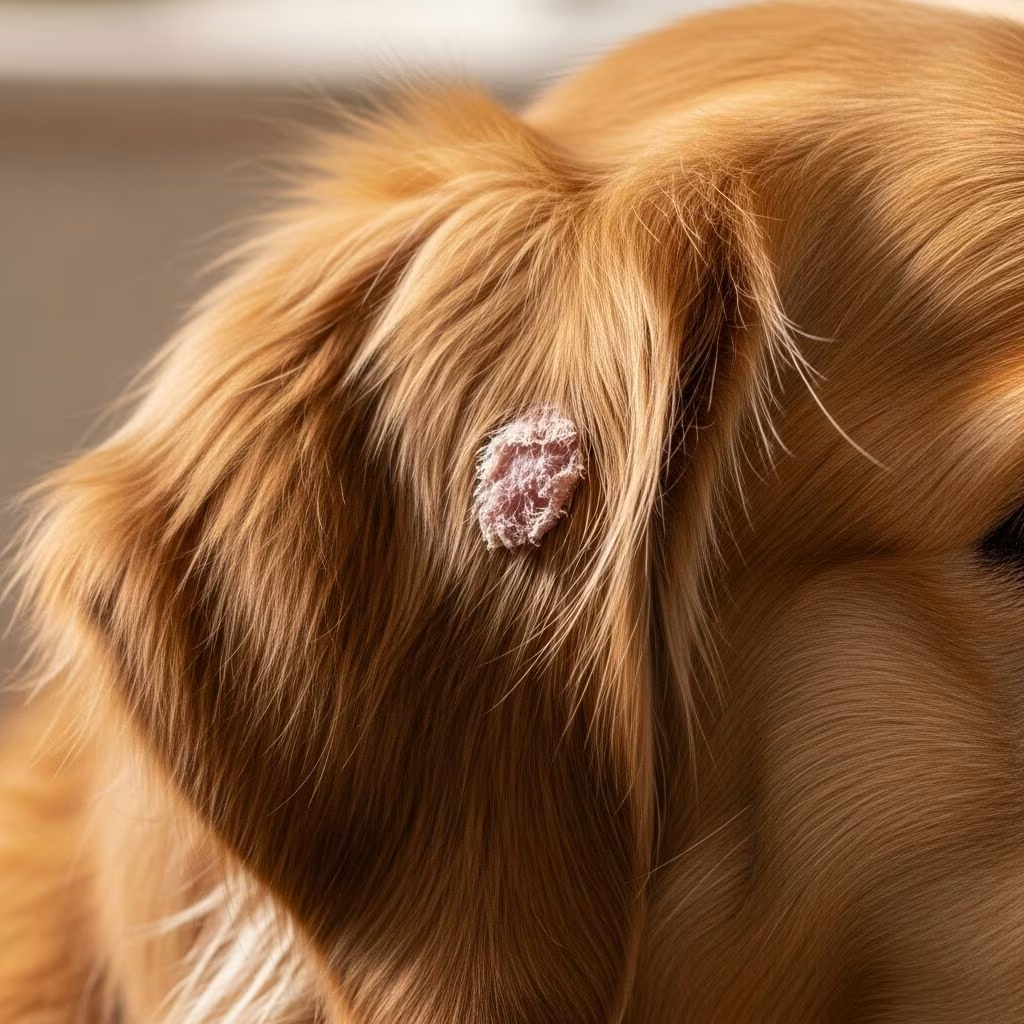
Dry skin on a dog’s ears often manifests as flaky, crusty, or irritated patches that cause discomfort, leading to scratching, head shaking, or hair loss. This condition stems from various triggers like allergies, infections, or nutritional gaps, requiring prompt attention to prevent worsening.
Recognizing the Signs of Ear Dryness in Dogs
Early detection is key to managing dry ear skin effectively. Owners frequently notice visible changes before behavioral cues emerge. Common indicators include scaly or flaky textures on the ear flaps, redness around the edges, and small crusts forming from dried discharge. Affected areas may lose fur, revealing bald spots, while persistent itching prompts dogs to paw at their ears relentlessly.
- Flaking and Scaling: Fine white or gray flakes resemble dandruff, often concentrating on the outer ear surface.
- Redness and Swelling: Inflamed skin turns pink or red, sometimes puffing up due to constant irritation.
- Crusting: Yellowish or brownish scabs develop, especially if secondary infections set in.
- Hair Thinning: Patches of sparse or absent hair expose vulnerable skin underneath.
- Behavioral Changes: Excessive head tilting, shaking, or rubbing against furniture signals discomfort.
These symptoms can appear suddenly or gradually, varying by underlying cause. For instance, seasonal flares might tie to pollen exposure, while chronic flaking points to dietary deficiencies.
Primary Causes Behind Dry Ear Skin
Multiple factors contribute to this issue, often overlapping. Understanding the root helps tailor interventions. Allergies top the list, followed by infections and parasites, with environmental and systemic influences playing supporting roles.
Allergies: A Leading Culprit
Dogs suffer from environmental allergens like pollen, dust mites, and mold, or food triggers such as beef, chicken, dairy, or grains. These provoke immune responses, inflaming ear skin and causing dryness. Ears are prime targets due to thin skin and abundant blood vessels, amplifying reactions. Seasonal patterns or recent diet changes often clue owners in.
Infections: Bacterial and Yeast Overgrowth
Moisture-trapped ears, especially in floppy-eared breeds, foster yeast or bacterial proliferation. Symptoms include waxy buildup, foul odors, and crusty dryness from inflammation. Swimming dogs face higher risks from “swimmer’s ear,” where water lingers post-bath or swim.[10]
Parasites: Fleas, Mites, and More
Ear mites burrow into canals, sparking intense itching that traumatizes skin through scratching. Fleas trigger allergic dermatitis, drying out ear margins. Ticks or lice exacerbate flaking if untreated.
Nutritional and Hormonal Factors
Diets lacking omega-3 fatty acids, zinc, or vitamins lead to poor skin barrier function, resulting in dryness. Hormonal disorders like hypothyroidism or Cushing’s disease disrupt sebum production, causing flaky ears. Seborrhea, a scaly skin condition, frequently affects ear flaps.
| Cause Category | Common Triggers | Key Symptoms |
|---|---|---|
| Allergies | Pollen, food proteins | Seasonal itching, redness |
| Infections | Yeast, bacteria | Odor, discharge, crusts |
| Parasites | Mites, fleas | Dark debris, intense scratching |
| Nutrition/Hormones | Omega deficiency, thyroid issues | Chronic flaking, hair loss |
Step-by-Step Diagnosis Process
Self-diagnosis risks missing serious issues, so veterinary exams are essential. Vets start with physical inspections, using otoscopes to peer into canals for mites, wax, or inflammation. Skin scrapings detect parasites, while cytology swabs identify infection types via microscope.[10]
Cytology reveals yeast (oval cells) or bacteria (rods/cocci). Allergy testing involves blood panels or intradermal injections. Diet trials eliminate suspects over 8-12 weeks. Bloodwork rules out hypothyroidism via T4 levels or Cushing’s through cortisol assays.
- Visual Exam: Check for redness, flakes, or debris.
- Skin Scraping: Confirms mites or mange.
- Cytology: Differentiates yeast from bacteria.
- Allergy Testing: Pinpoints environmental/food triggers.
- Blood Tests: Screens hormonal imbalances.
Safe and Effective Treatment Options
Treatments target causes while soothing symptoms. Avoid human products like petroleum jelly, which clog pores and trap bacteria.
Cleaning and Topical Care
Gentle, vet-approved cleaners remove debris without irritation. Apply medicated wipes or ointments containing chlorhexidine or ketoconazole for yeast control. Natural balms with anti-inflammatory herbs hydrate safely. Clean weekly or as advised, using cotton balls externally.
Medications for Infections and Inflammation
Prescription drops or ointments combat bacteria/yeast. Oral antibiotics handle severe cases. Anti-inflammatories or steroids reduce swelling short-term. Mite infestations need acaricidal treatments.[10]
Dietary Adjustments and Supplements
Switch to hypoallergenic or novel-protein foods. Omega-3 supplements from fish oil restore moisture. Probiotics support gut-skin axis, aiding allergy management.
Prevention Strategies for Healthy Ears
Proactive care minimizes recurrences. Dry ears thoroughly after swims or baths with absorbent towels or low-heat dryers. Maintain flea preventives year-round. Feed balanced diets rich in skin-supporting nutrients. Trim hair in floppy ears for airflow.
- Dry ears post-water exposure.
- Use hypoallergenic bedding/shampoo.
- Regular vet check-ups for at-risk breeds.
- Monitor for early itching signs.
When to Seek Professional Veterinary Help
Consult a vet if dryness persists beyond a week, accompanies odor/discharge, or leads to bleeding. Sudden hair loss, balance issues, or pain warrant immediate visits. Breeds like Cocker Spaniels or Labs prone to ear woes need routine monitoring.
Frequently Asked Questions (FAQs)
Can I use coconut oil on my dog’s dry ears?
Coconut oil offers mild moisturizing but risks yeast growth in humid ears. Vet-approved alternatives are safer.
Is dry skin on ears contagious?
No, but mites can spread dog-to-dog. Isolate and treat promptly.
How long do treatments take to work?
Visible improvement in 7-14 days; full resolution may take 4-6 weeks depending on cause.[10]
Do floppy ears cause more dryness?
Yes, poor ventilation traps moisture, inviting infections.
Can diet alone fix dry ears?
It helps allergies/nutrition issues but not infections/parasites.
References
- Ear Infections and Otitis Externa in Dogs — Merck Veterinary Manual. 2023. https://www.merckvetmanual.com/dog-owners/ear-disorders-of-dogs/ear-infections-and-otitis-externa-in-dogs
- Itchy Ear Problems — Cornell University College of Veterinary Medicine. 2024. https://www.vet.cornell.edu/departments-centers-and-institutes/riney-canine-health-center/canine-health-information/itchy-ear-problems
- Ear Dermatitis in Dogs — PetMD (via PetPlace). 2023. https://www.petplace.com/article/dogs/pet-health/ear-dermatitis-inflammation-of-the-skin-on-ears-in-dogs
- Dog Dry Skin: Causes, Treatments, and Prevention — PetMD. 2024. https://www.petmd.com/dog/symptoms/dry-flaky-skin-dogs
- Crusty Dog Ears: Causes and Care — Bayshore Veterinary Hospital. 2023. https://bayshore-vet.com/blog/crusty-dog-ears/
- Yeast Dermatitis in Dogs & Other Yeast Infections — Browns Bridge Animal Hospital. 2021-12-30. https://www.brownsbridgeah.com/site/blog/2021/12/30/yeast-dermatitis-in-dogs



