

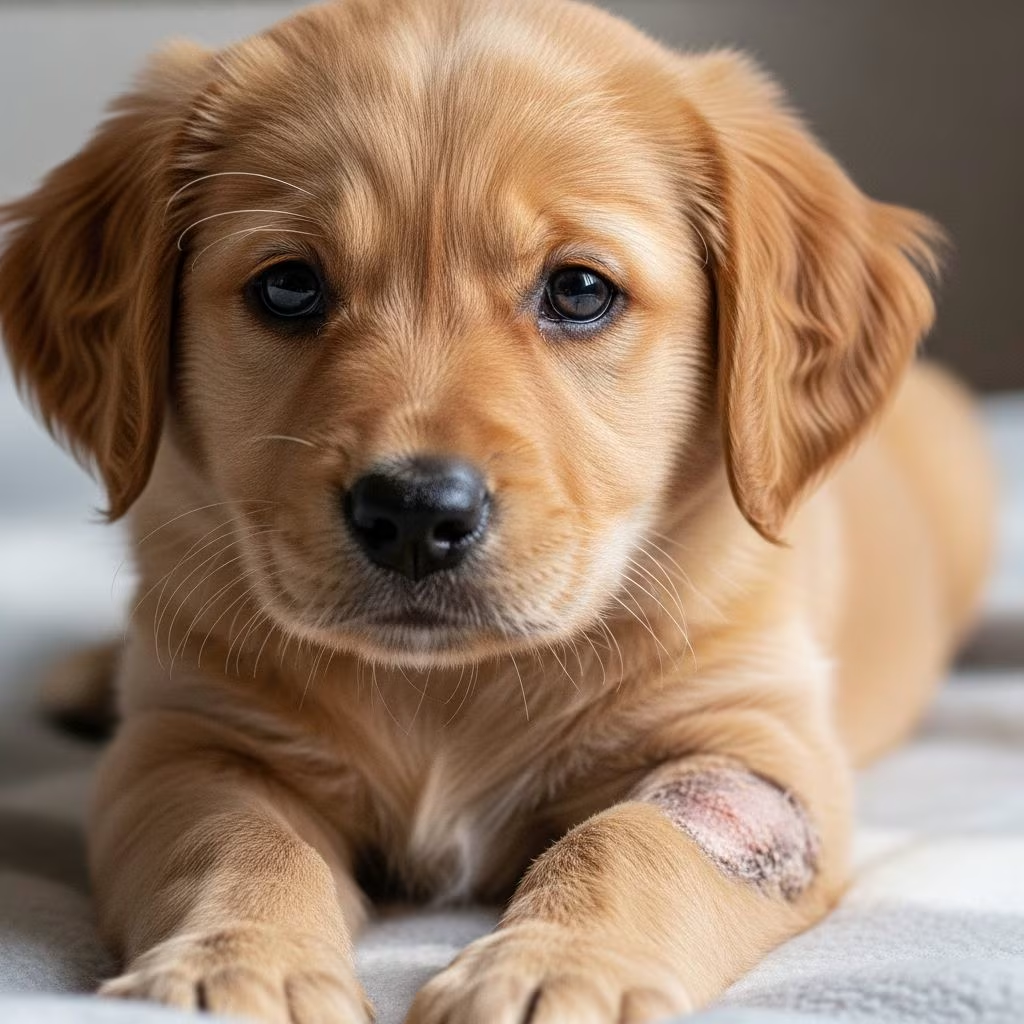
Puppies often develop dry, flaky skin due to their sensitive skin barrier, which is still maturing. This condition can lead to discomfort, itching, and secondary issues if not addressed promptly. Understanding the root causes and implementing targeted care can restore your puppy’s skin health quickly.
Recognizing the Signs of Dry Skin in Puppies
Early detection is key to preventing escalation. Look for visible flakes, dull coat, excessive scratching, red patches, or bald spots. Puppies may also shake their heads frequently or rub against furniture if ears or paws are affected. Unlike adult dogs, puppies’ skin is thinner and produces fewer natural oils, making them prone to rapid moisture loss.
- **Flaky dandruff:** White or gray scales on the back, tail base, or belly.
- **Itching behaviors:** Chewing paws, licking flanks, or scooting on the floor.
- **Coat changes:** Brittle hair that sheds excessively or appears greasy despite dryness.
- **Secondary signs:** Mild odor, thickened skin, or hot spots from constant irritation.
If symptoms persist beyond a week or worsen, consult a veterinarian to rule out infections.
Primary Causes Behind Puppy Dry Skin
Dry skin arises from a mix of environmental, dietary, and health factors. Puppies’ immune systems and skin microbiomes are underdeveloped, amplifying these effects.
Environmental Triggers and Seasonal Effects
Low humidity in winter or air-conditioned homes strips natural oils. Pollen, dust mites, and grass during spring can provoke reactions, leading to inflamed, dry patches. Indoor allergens like feathers in bedding or chemical cleaners exacerbate issues.
Bathing Mistakes and Grooming Errors
Frequent baths with human shampoos remove protective sebum. Hot water and harsh drying methods compound the problem. Overbrushing without conditioning tangles fur, pulling at skin.
Dietary Shortfalls Impacting Skin Health
Imbalanced nutrition lacks omega fatty acids, zinc, and vitamins essential for skin barrier function. Low-quality foods with fillers fail to support coat integrity, causing flakiness and slow healing.
| Cause Category | Common Examples | Symptoms in Puppies |
|---|---|---|
| Environmental | Low humidity, allergens | Seasonal flares, paw licking |
| Bathing/Grooming | Overbathing, wrong shampoo | Post-bath dryness, matting |
| Dietary | Nutrient deficiencies | Dull coat, poor wound healing |
Health Conditions Mimicking or Causing Dryness
Not all dryness is superficial; underlying issues demand professional diagnosis.
Allergies: Food and Environmental
Food sensitivities to proteins like beef or grains trigger chronic itching and scaling. Environmental culprits include flea saliva, molds, and fabrics. Puppies scratch obsessively, worsening cracks.
Parasites and Infections
Fleas, mites, and yeast overgrowth cause intense irritation. Bacterial hotspots form from broken skin. Check for black specks (flea dirt) or crawling pests.
Other Medical Factors
Hormonal imbalances or hypothyroidism are rare in pups but possible. Obesity limits self-grooming, trapping debris.
Step-by-Step Treatment Strategies
Treatment targets the cause while soothing symptoms. Start with safe home measures, escalating to vet care as needed.
Optimizing Bathing and Grooming Routines
Bathe every 4-6 weeks using oatmeal-based or hypoallergenic puppy shampoos. Rinse thoroughly with lukewarm water; pat dry gently. Brush daily with a soft pin brush to distribute oils.
Nutritional Adjustments for Skin Repair
Switch to premium puppy food rich in omega-3s from fish oil, zinc, and antioxidants. Add salmon oil supplements (1 tsp per 10 lbs body weight daily). An elimination diet under vet guidance identifies allergens—remove suspects for 8 weeks.
Natural Remedies for Immediate Relief
Apply virgin coconut oil sparingly to affected areas for moisturizing. Diluted apple cider vinegar (1:1 with water) sprays restore pH. Colloidal oatmeal baths (grind plain oats into powder) lock in hydration for 10 minutes.
- Coconut oil: Antifungal, antibacterial; massage into paws and belly.
- Fish oil: Reduces inflammation; mix into meals.
- Vitamin E: From capsules, dab on cracks for healing.
Environmental Modifications
Use a humidifier to maintain 40-60% humidity. Wash bedding weekly in hypoallergenic detergent. Vacuum frequently to reduce dust.
Advanced Veterinary Interventions
For persistent cases, vets may prescribe medicated shampoos, antibiotics for infections, or hypoallergenic diets. Allergy testing via intradermal skin exams pinpoints triggers. Parasite preventives like topical spot-ons are essential year-round.
Skin scrapings or cytology rule out mange or yeast. Bloodwork checks for deficiencies. In severe allergies, immunotherapy builds tolerance over months.
Preventive Measures for Long-Term Skin Wellness
Proactive care keeps puppies flake-free.
- Feed age-appropriate, AAFCO-approved formulas with proven skin nutrients.
- Maintain flea prevention and regular deworming.
- Groom weekly, monitoring for early changes.
- Introduce new foods gradually over 7-10 days.
- Ensure ample fresh water intake for internal hydration.
Puppy Skin Care Routine Table
| Weekly Task | Frequency | Tips |
|---|---|---|
| Brushing | Daily | Use slicker brush; focus on underbelly. |
| Bathing | Every 4 weeks | Puppy-specific, moisturizing formula. |
| Oil Supplement | Daily | Fish or coconut; vet-dosed. |
| Bedding Wash | Weekly | Hypoallergenic, hot water. |
| Vet Check | Bi-annual | Include skin exam. |
Frequently Asked Questions (FAQs)
Can dry skin in puppies go away on its own?
Mild cases from weather may resolve with humidity boosts and gentle care, but persistent flaking needs intervention to avoid infections.
Is coconut oil safe for puppy skin?
Yes, in moderation; it’s hydrating and antimicrobial. Avoid eyes and test a small area first.
How do I know if it’s allergies or just dryness?
Allergies involve intense itching and ear infections; simple dryness shows flakes without much scratching. Vet confirmation is best.
What shampoo is best for dry puppy skin?
Opt for oatmeal, aloe, or ceramide-enriched formulas designed for sensitive puppy skin.
Does diet really affect puppy skin?
Absolutely—essential fatty acids and proteins are building blocks for resilient skin barriers.
Monitoring Progress and When to Seek Help
Track improvements weekly: reduced flakes, less scratching, shinier coat. No change in 2 weeks warrants a vet visit. Emergency signs include oozing sores, lethargy, or fever.
With consistent care, most puppies recover fully, enjoying itch-free playtime.
References
- Vetster Wellness: What to Do If Your Dog Has Dandruff or Dry Skin — Vetster. 2023-2024. https://vetster.com/en/wellness/what-to-do-if-your-dog-has-dandruff-or-dry-skin
- AKC Pet Insurance: Home Remedies for Dry Dog Skin — AKC Pet Insurance. 2023. https://www.akcpetinsurance.com/blog/home-remedies-for-dry-dog-skin
- WebMD: Skin Problems in Dogs Slideshow — WebMD. 2024. https://www.webmd.com/pets/dogs/ss/slideshow-skin-problems-in-dogs
- Purina: Puppy Dry Skin – Symptoms & Treatment Options — Purina. 2024. https://www.purina.com/articles/dog/puppy/health/dry-puppy-skin
- Spot & Tango: Why Is My Dog’s Skin So Dry? — Spot & Tango. 2024. https://www.spotandtango.com/blog/dry-dog-skin



