

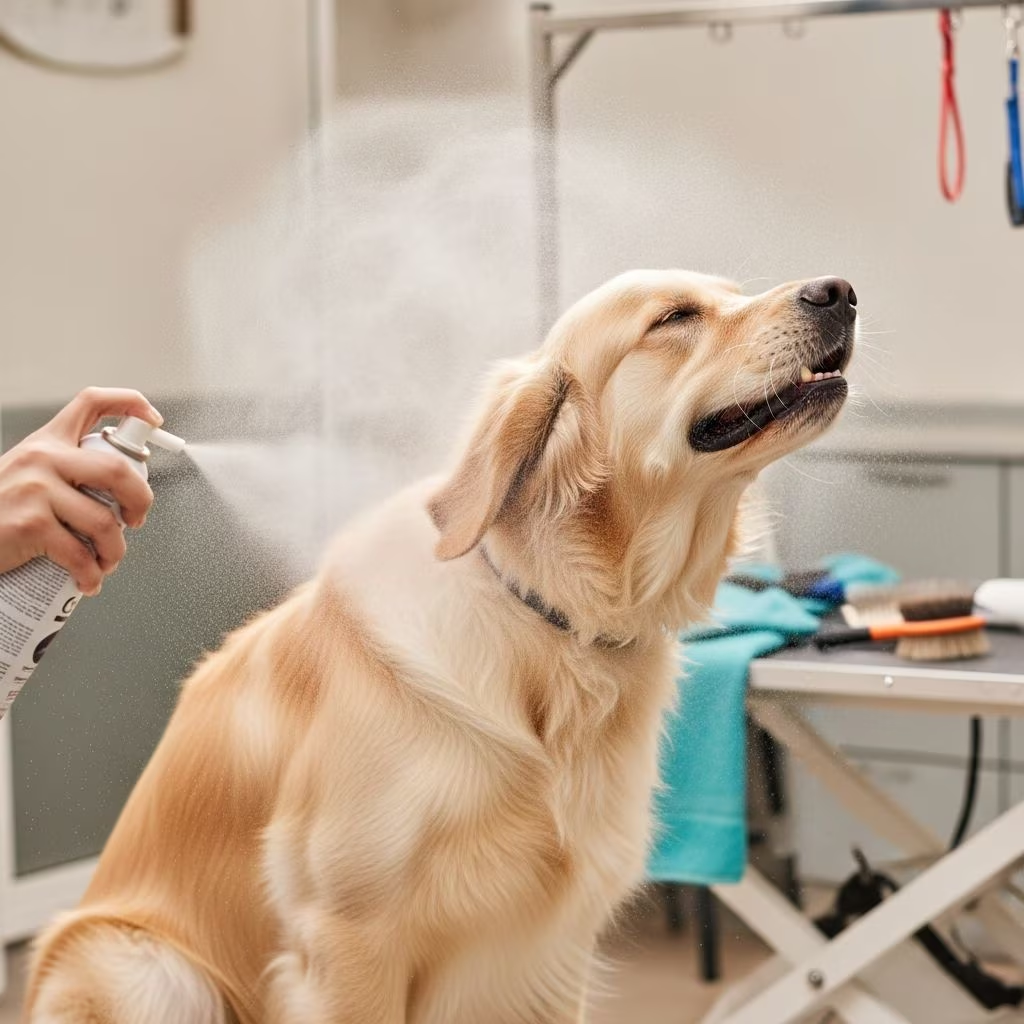
Dry shampoos and waterless baths offer a convenient way to refresh your dog’s coat without water, ideal for quick touch-ups or anxious pets. However, they primarily absorb oils and odors rather than deeply clean, making them supplements—not substitutes—for traditional baths.
Understanding Waterless Grooming Products
Waterless dog grooming products come in two main forms: powder-based dry shampoos and foam or spray waterless shampoos. Powder versions use absorbents like cornstarch or baking soda to soak up excess sebum and neutralize smells, while foams contain surfactants that bind to dirt for easy wiping.
These products appeal to owners of dogs who dread bath time, seniors with mobility challenges, or those needing spot cleans after muddy adventures. Applied by sprinkling or spraying, massaging in, and brushing out, they promise freshness in minutes without towels or tubs.
How Dry Shampoos Function on a Dog’s Coat
Dry shampoos work through absorption and mild deodorizing. Powders draw out oils from the fur, making it look cleaner and reducing greasy buildup. Essential oils or fragrances then mask lingering scents.
Waterless foams, by contrast, lift dirt particles via gentle cleansers that don’t require rinsing. They encapsulate grime, allowing a cloth or brush to remove it, leaving a conditioned feel. Neither penetrates the skin deeply to combat bacteria or allergens like wet shampoos do.
- Absorption mechanism: Starches and clays pull oils from fur shafts.
- Odor control: Natural agents like baking soda neutralize smells.
- Quick application: No drying time needed.
Key Benefits of Using Dry Shampoos
Convenience tops the list. Skip the water fight with pups who bolt at hose sight—apply, rub, brush, done. Saves water and time, perfect for apartments or travel.
Stress reduction benefits both dog and owner. No barking marathons or slippery floors. Safe for post-surgery care or frequent outdoor dogs needing deodorizing without wetting wounds.
For skin-sensitive dogs, hypoallergenic formulas avoid harsh detergents, preserving natural oils better than over-frequent wet baths.
| Benefit | Description |
|---|---|
| Time-Saving | 5-10 minutes vs. 30+ for full baths. |
| Water-Free | Eco-friendly, no plumbing needed. |
| Low Stress | Ideal for water-averse or elderly dogs. |
| Portable | Great for camping or quick vet visits. |
Limitations and Potential Drawbacks
Despite hype, dry shampoos fall short for heavy dirt. They can’t dissolve mud, feces, or deep-seated oils—residues build up, risking irritation or dull coats.
Overuse disrupts skin’s pH and oil balance, leading to dryness, itchiness, or allergies. Veterinary experts note they never replace soap-and-water baths for true hygiene.
Powders may leave white residue if not brushed thoroughly, especially on dark fur. Foams with synthetic scents or alcohols can sting sensitive skin.
- Not for matted, soiled, or infected coats.
- Avoid eyes, nose, and genitals.
- Limit to 1-2 times weekly max.
Distinguishing Dry Powders from Waterless Foams
Don’t confuse the two. Dry powders rely on physical absorption—no chemicals break down grime. Waterless foams mimic liquid shampoos with no-rinse agents but may include more solvents.
Powders suit odor control; foams handle light dirt better. Check labels: powders list starches/clays first; foams highlight surfactants.
|Type|Form|Best For|Cleanup Method|
|—-|—-|——–|—————|
|Dry Powder|Sprinkle|Odors, oils|Brush/towel|
|Waterless Foam|Spray/foam|Light dirt|Wipe/brush|
Safe Ingredients to Look For
Opt for natural formulas. Top picks: oatmeal, aloe vera, coconut oil for soothing; arrowroot, talc-free powders for absorption. Avoid parabens, sulfates, artificial dyes.
Holistic vets recommend oatmeal-based for allergies, essential oil-free for scent-sensitive noses. pH-balanced (6.5-7.5) matches canine skin.
Step-by-Step Application Guide
- Brush loose fur first to loosen debris.
- Sprinkle powder or spray foam sparingly—less is more.
- Massage into coat for 2-5 minutes, avoiding face.
- Let sit 5 minutes for absorption.
- Brush or towel off excess thoroughly.
- Spot-test first for reactions.
Frequency: Every 3-7 days between baths, per coat type. Short-haired breeds need less; long-haired more brushing.
When to Choose Dry Shampoo Over Full Baths
Best scenarios: Post-walk dust-offs, travel freshness, winter dry spells, or puppies under 12 weeks. Seniors or arthritic dogs benefit from no-lift ease.
Combine with grooming: Weekly dry + monthly wet maintains health. Monitor skin for issues signaling vet check.
Expert Insights from Veterinarians
Holistic vets like those consulted emphasize investigation over masking. Odors often signal diet, allergies, or infections—dry shampoo treats symptoms, not causes.
American Veterinary Medical Association guidelines stress regular bathing for parasite control, where waterless can’t compete. Use as adjunct only.[inferred from general vet standards]
Common Myths Debunked
- Myth: Replaces all baths. Fact: Only refreshes surface.
- Myth: Safe daily. Fact: Builds residue, irritates.
- Myth: Kills bacteria. Fact: No antimicrobial rinse.
FAQ
Can I use dry shampoo on puppies?
Yes, from 12 weeks if hypoallergenic; consult vet for younger.
Is dry shampoo safe for all dogs?
Most, but test patch on sensitive breeds like Bulldogs.
How often is too often?
Not daily; 2x/week max to avoid buildup.
Does it work on long-haired dogs?
Yes, but brush well to prevent mats.
What if my dog licks it?
Choose ingestible-safe naturals.
Alternatives to Commercial Dry Shampoos
DIY: Mix cornstarch, baking soda, baby powder (talc-free). Sprinkle, rub, brush. Add drop lavender oil for scent—but sparingly.
Wet wipes with natural ingredients or brushing with conditioner sprays offer similar quick cleans.
Maintaining Overall Canine Skin Health
Diet rich in omegas supports coat. Regular brushing distributes oils. Monthly vet baths prevent issues. Dry products fit routine, not replace it.
References
- The Difference Between Dry Dog Shampoo and Waterless Dog Shampoo — 4-Legger. 2023. https://www.4-legger.com/blogs/fetch-the-dog-blog/should-i-use-dry-dog-shampoo-on-my-dog
- Dry Shampoo vs. Liquid Shampoo for Dogs: Which is Best? — Pet Releaf. 2024. https://petreleaf.com/blogs/blog/dry-shampoo-vs-liquid-shampoo-for-dogs-which-is-best
- Ditch the Bath Time Drama: The Ultimate Guide to Waterless Dog Shampoo — SuperTails. 2024. https://supertails.com/blogs/posts/ditch-the-bath-time-drama-the-ultimate-guide-to-waterless-dog-shampoo
- Dry Shampoo For Dogs: When and How to Use it — Total.Vet. 2023. https://total.vet/dry-shampoo-for-dogs/
- Whole Dog Journal Reviews “Dry Shampoos” and “Waterless Baths” — Whole Dog Journal. 2023. https://www.whole-dog-journal.com/care/whole-dog-journal-reviews-dry-shampoos-and-waterless-baths/



