

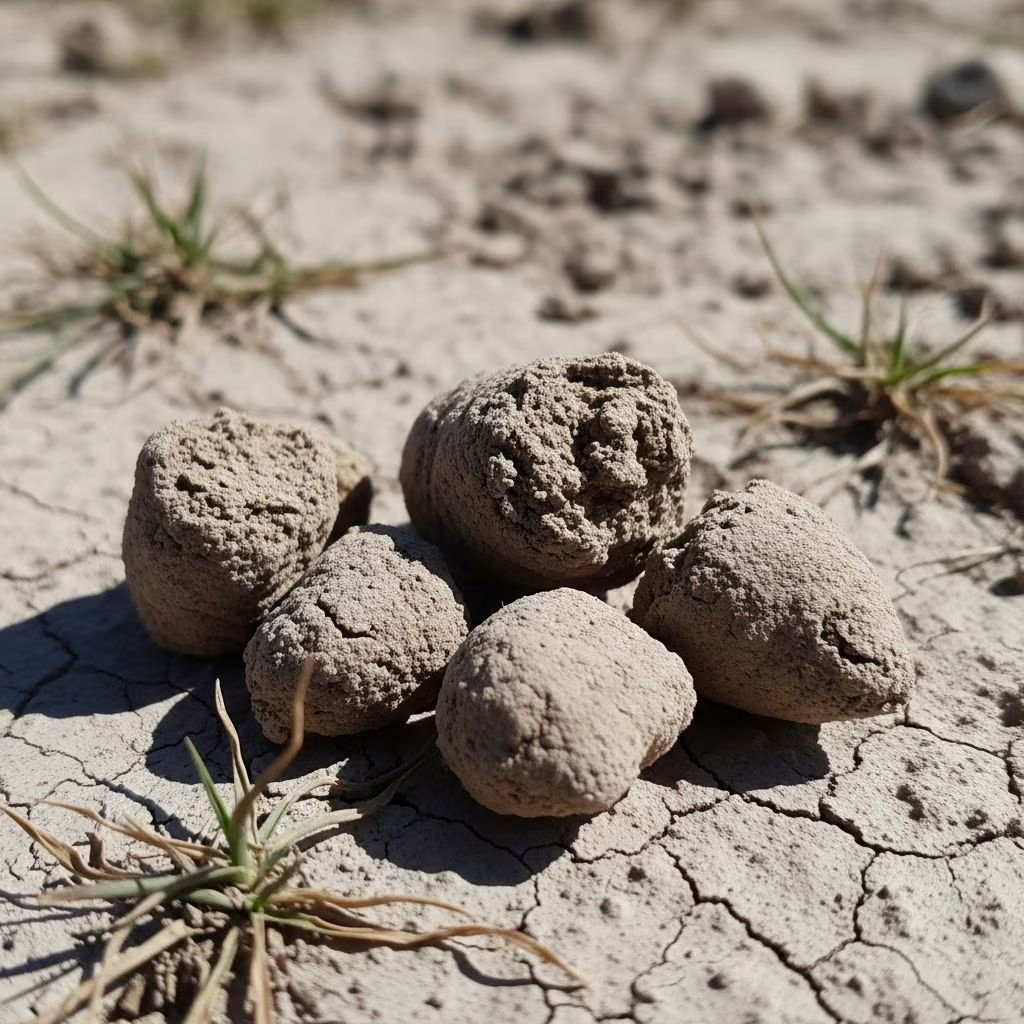
Your dog’s stool offers vital clues about their overall health. When it turns dry, crumbly, or powdery—like small pebbles or dust instead of firm logs—it often points to digestive slowdowns or moisture loss. This condition can cause discomfort, straining, or even more serious blockages if ignored. Understanding the triggers helps you act quickly to restore balance.
Recognizing Abnormal Stool in Dogs
Normal dog poop is firm, segmented, and moist enough to hold shape without crumbling. **Dry powdery stool** deviates by being overly hard, pellet-like, or breaking apart like powder. This texture arises when the colon absorbs too much water from feces, leaving little moisture behind.
Observe these traits:
- Hard, small balls that scatter on impact
- Powdery residue or chalky appearance
- Infrequent bowel movements (less than daily)
- Straining or whining during elimination
Such changes differ from soft stools caused by diet shifts or stress. Persistent dryness warrants attention, as it may signal underlying issues affecting nutrient absorption or hydration.
Primary Reasons for Dry, Crumbly Stool
Several factors contribute to this stool quality. Here’s a breakdown of the most common culprits, supported by veterinary insights.
Dehydration and Water Shortfalls
Dogs losing more fluids than they intake produce drier feces. Hot weather, intense exercise, or illnesses like kidney disease accelerate water loss, concentrating stool. Puppies, seniors, and breeds with thick coats (e.g., Bulldogs) are especially prone. Check gum moisture: pale, sticky gums indicate dehydration needing immediate fluids.
Dietary Imbalances: Low Fiber and High Protein
Fiber bulks stool and retains moisture for smooth passage. Diets lacking it—often low-quality kibble or raw bones—lead to pebble-like output. High-protein feeds reduce stool volume and dryness by minimizing carbs that hold water. Swallowing non-digestibles like hair, toys, or bones exacerbates this, slowing gut transit.
| Diet Type | Stool Impact | Examples |
|---|---|---|
| Low Fiber | Dry, pellet-like | Grain-free kibble, bone-heavy raw |
| High Protein | Small, crumbly | Meat-only diets |
| Balanced Fiber | Firm, moist logs | Veggies, oats, quality kibble |
Constipation and Gut Motility Problems
**Constipation** occurs when stool hardens in the colon due to slow movement. Causes include inactivity, pain (anal glands, spinal issues), or blockages from ingested items. Older dogs face higher risks from megacolon, where colon muscles weaken. Symptoms: bloating, appetite loss, unproductive straining.
Other Contributors: Medications and Health Conditions
Diuretics, opioids, or hypothyroidism dry stools as side effects. Parasites like whipworms irritate the gut, indirectly hardening feces via inflammation. Scavenging grass or over-grooming ingests indigestibles, mimicking constipation.
Health Risks of Ignoring Dry Stool
Beyond discomfort, chronic dry poop risks obstipation (severe blockage) or toxemia from reabsorbed waste. Weight loss, dull coat, and lethargy follow poor nutrient uptake. Early intervention prevents vet visits for enemas or surgery.
Practical Solutions for Softer Stool
Address dryness with targeted changes. Always consult a vet for tailored advice, especially if symptoms persist over 48 hours.
Hydration Boosters
- Provide constant fresh water; add ice cubes for appeal.
- Mix low-sodium broth into meals.
- For severe cases, vet-administered IV fluids rehydrate quickly.
Diet Tweaks for Better Digestion
Increase soluble fiber gently:
- Plain canned pumpkin (1-4 tbsp daily, by size).
- Steamed veggies like carrots or green beans.
- Switch to higher-fiber kibble gradually over 7 days.
Avoid raw bones temporarily; opt for digestible proteins.
Exercise and Routine Adjustments
Daily walks (20-30 minutes) stimulate bowels. Massage the abdomen clockwise to encourage movement. Elevate food bowls for breeds prone to gulping air.
Veterinary Interventions
Expect fecal exams for parasites, bloodwork for systemic issues, or laxatives like lactulose. Anal gland expression relieves pain-induced straining.
Prevention Strategies for Optimal Bowel Health
Maintain consistency:
- Balanced diet with 2-5% fiber (check labels).
- Monitor water intake (1 oz per lb body weight daily).
- Regular vet checkups, including fecal tests biannually.
- Prevent scavenging with leashed walks and grooming.
Track stool via apps or journals to spot trends early.
When to Seek Professional Help Urgently
Rush to the vet if:
- No poop in 48+ hours with distress.
- Blood, mucus, or vomiting accompanies dryness.
- Extreme lethargy, bloating, or collapse.
These signal blockages, infections, or organ failure.
Frequently Asked Questions (FAQs)
Is dry powdery poop always constipation?
Not always; it can stem from diet or dehydration without full blockage. Persistent cases need vet confirmation.
Can I give my dog laxatives at home?
No—human laxatives harm dogs. Use vet-recommended options only.
How much pumpkin for fiber?
1 tsp for small dogs, up to 4 tbsp for large; introduce slowly to avoid diarrhea.
Does raw diet cause crumbly stool?
Yes, bones make it bulky and dry; balance with fiber sources.
White powdery poop—emergency?
Possibly liver/bile issues or calcium excess; see vet promptly.
Monitoring stool keeps your dog thriving. Proactive care turns potential problems into minor fixes.
References
- From Yard to Diagnosis: What Your Dog’s Poop Says About Their Health — Bell Parkway Vet. 2023. https://bellparkwayvet.com/from-yard-to-diagnosis-what-your-dogs-poop-says-about-their-health/
- Why is my dog’s poo crumbly? — Vet Help Direct. 2023-11-03. https://vethelpdirect.com/vetblog/2023/11/03/why-is-my-dogs-poo-crumbly/
- What to do if your dog has dry poop — Buddy & Lola. N/A. https://www.buddyandlola.co.uk/blogs/news/what-to-do-if-your-dog-has-dry-poop
- Why is my dog’s stool white? — Friends of the Dog. N/A. https://www.friendsofthedog.co.za/why-is-my-dogs-poo-white.html
- What Is Your Dog’s Poop Trying to Tell You? — Empire Ranch Vet. N/A. https://empireranchvet.com/what-is-your-dogs-poop-trying-to-tell-you/
- Parasites in Dog’s Stool: Signs and Treatments — Wakefield Pet Vet. N/A. https://wakefieldpetvet.com/blog/parasites-in-dogs-stool/
- Dog Constipation: Treatment and When To Call Your Vet — PetMD. N/A. https://www.petmd.com/dog/symptoms/dog-constipation



