

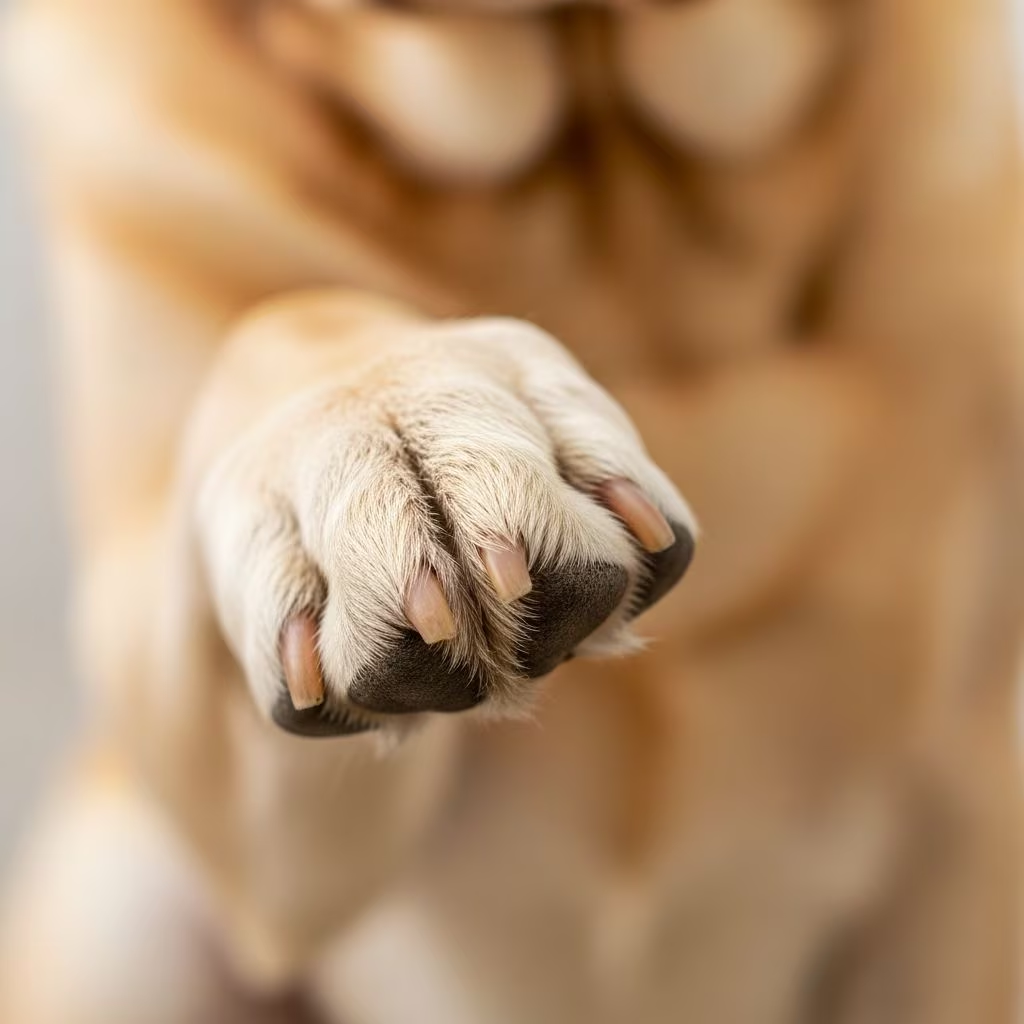
Dry Paws in Dogs: Causes, Symptoms, and Treatment
Your dog’s paws—affectionately called “toe beans”—are among the most hardworking and vulnerable parts of their body. Yet many dog owners overlook paw health until problems develop. Dry, cracked paws can cause significant discomfort, pain, and even infections if left untreated. Whether your dog spends hours playing outdoors or enjoys leisurely neighborhood walks, understanding the causes and solutions for dry paws is essential for keeping your furry friend comfortable and healthy.
Understanding Dog Paw Pad Structure and Function
Dog paw pads are composed of thick layers of tissue and keratin, designed to protect dogs’ feet from ground elements and temperature extremes. However, this protective layer can deteriorate due to various environmental, nutritional, and health-related factors. When paw pads become dry and cracked, they lose their protective function and become vulnerable to infection and pain.
Common Causes of Dry Paws in Dogs
1. Weather Conditions
Cold winter weather is one of the most common culprits behind dry paws. The dry winter air draws moisture from dogs’ skin, just as it does with human skin, causing irritation and dryness. Additionally, snowy environments often expose paws to salt and harsh chemical de-icers, which get trapped between the toes and cause cracking.
Hot summer temperatures pose an equally serious threat. On a sunny day with temperatures around 95 degrees Fahrenheit (35 degrees Celsius), asphalt can reach dangerous temperatures of up to 140 degrees Fahrenheit (60 degrees Celsius) by midday—hot enough to quickly burn paw pads. Furthermore, wet and damp weather creates conditions favorable for infections, as paws that remain moist develop fungal and bacterial issues more easily.
2. Exposure to Harsh Terrain and Surfaces
Dogs with limited experience on rough surfaces can suffer paw damage from friction and abrasion. Rocky terrain, rough concrete, hot pavement, and chemical exposure can tear or split paw pads. If your dog suddenly increases their activity level or ventures onto unfamiliar terrain, their paws may not be conditioned to handle the stress, leading to cracks and soreness.
3. Allergies
Allergies are a significant underlying cause of dry paws in dogs. Environmental, contact, flea, and food allergies can all trigger allergic dermatitis, which manifests as lesions and dry, flaky paws. Dogs with allergies often lick their paws excessively in an attempt to relieve itching, which can worsen the condition. If you suspect allergies, consult your veterinarian about allergy testing and management strategies.
4. Nutritional Deficiencies
While nutritional deficiencies are relatively uncommon in dogs receiving quality diets, they can still contribute to paw problems. Specific nutritional gaps can compromise paw pad health:
- Protein deficiency leads to decreased keratin production, leaving paw pads vulnerable to injury.
- Zinc deficiency causes dry, cracked paws along with hair loss, lethargy, and crusty skin lesions around the eyes and nose.
- Omega-3 and Omega-6 fatty acid deficiencies result in dry, flaky skin and fragile paw pads.
- Vitamin A deficiency can affect paw pad health and overall skin condition.
However, it’s important to note that nutritional deficiencies are not the primary cause of dry paws in most cases. Other medical conditions are far more common.
5. Underlying Health Conditions
Several medical conditions can cause or contribute to dry, cracked paws:
- Liver disease (hepatocutaneous syndrome) causes low protein levels, leading to long-term, non-healing paw pad issues.
- Autoimmune diseases such as pemphigus foliaceus cause the immune system to attack the skin, resulting in blisters, crusting, and dry, cracked paw pads.
- Endocrine disorders like hypothyroidism and Cushing’s disease can affect paw pad condition.
- Hyperkeratosis, or overgrowth of keratin, is a common cause of dry, cracked paw pads in senior dogs.
- Canine distemper and other contagious diseases can cause paw problems.
- Hereditary footpad hyperkeratosis and other genetic conditions affect certain dog breeds.
6. Weight and Pressure-Related Issues
Dogs carrying extra weight experience increased pressure on their paw pads, making injury more likely. This additional stress also accelerates callus development, which can give paws a drier appearance. Similarly, if a dog has a painful leg injury, they limp to protect the limb, forcing other legs to carry extra weight and creating abnormal wear patterns on weight-bearing paws.
Recognizing Symptoms of Dry Paws
Early detection of paw problems can prevent complications. Watch for these signs that your dog may have dry paw pad issues:
- Visible cracks or splits in the paw pad surface
- Excessive licking or chewing at the paws—dogs often lick to relieve discomfort, though this behavior can worsen the condition
- Dry, flaky, or scaly appearance of the paw pads
- Thickened or hardened paw pads
- Rashes, hot spots, or hairless patches indicating skin infection or allergies
- Limping or reluctance to walk due to paw pain or discomfort
- Funky odor emanating from the paws, suggesting infection
- Bleeding or discharge from cracks
It’s important to inspect your dog’s paws daily, especially if they spend significant time outdoors or on rough surfaces. Early intervention can prevent minor dryness from progressing to painful cracks and infections.
Treatment Options for Dry Paws
Professional Veterinary Care
If your dog’s symptoms persist or your dog appears to be in pain or discomfort, consult a veterinarian immediately. A vet can accurately diagnose the underlying cause and recommend appropriate treatment. This is especially important if you notice bleeding, excessive licking, or signs of infection. Your veterinarian may prescribe topical medications, oral supplements, or other treatments depending on the root cause.
Topical Treatments and Moisturizers
Applying pet-safe paw balms or moisturizers is one of the most effective immediate treatments for dry paws. Options include:
- Dog-specific paw balms and waxes
- Pet-safe coconut oil (though veterinarians recommend using this only if directed by your vet)
- Prescribed topical ointments from your veterinarian
Apply a thin layer of medication to affected areas as directed by your vet—excess product will either get caught in fur or rub off. Avoid human lotions and petroleum-based products, as they can be harmful if ingested.
Paw Protection and Environmental Management
Beyond direct treatment, protecting your dog’s paws from further damage is crucial:
- Winter care: Use dog booties in snowy weather to protect against salt and ice. Wash and dry paws thoroughly after outdoor exposure.
- Summer care: Walk your dog during cooler times of day and avoid hot pavement.
- Indoor surface management: Keep your dog on carpet or soft surfaces rather than rough dirt or gravel while paws heal.
- Thorough drying: After outdoor play or bathing, dry between the toes and pads completely to prevent moist dermatitis.
Nutritional Support
Feeding your dog a balanced diet rich in Omega-3 and Omega-6 fatty acids supports skin health and prevents dryness. If your dog has food allergies, consider a limited-ingredient diet under veterinary guidance. In cases where nutritional deficiencies are diagnosed, your vet may recommend dietary supplementation or changes to address specific gaps.
Allergy Management
If allergies are identified as the cause, starting appropriate allergy therapy is essential for paw recovery. This may include antihistamines, prescription medications, or dietary changes. Once allergies are controlled, dry paws often improve significantly.
Prevention Strategies
Preventing dry paws is far easier than treating them:
- Maintain a regular paw inspection routine
- Keep your dog’s nails trimmed to reduce stress on paw pads
- Use protective gear (booties) in extreme weather
- Provide a balanced, high-quality diet with essential fatty acids
- Maintain a healthy weight through proper diet and exercise
- Limit exposure to harsh chemicals and rough surfaces when possible
- Keep paws clean and dry, especially after outdoor activities
- Schedule regular veterinary check-ups to catch health issues early
Frequently Asked Questions About Dry Paws in Dogs
Q: Can I use coconut oil to treat my dog’s dry paws?
A: Coconut oil is sometimes recommended for dry paws, but only use it if specifically directed by your veterinarian. Some vets prefer other pet-safe balms, and coconut oil may not address the underlying cause of the dryness. Avoid human moisturizers, as they can be harmful if ingested.
Q: How often should I check my dog’s paws?
A: Inspect your dog’s paws daily, especially if they spend significant time outdoors or on rough surfaces. This allows you to catch early signs of dryness or cracking before they become serious.
Q: Are certain dog breeds more prone to dry paws?
A: Yes, certain breeds are predisposed to hereditary paw pad issues and may naturally have drier paws. Additionally, some dogs have naturally dry paw pads regardless of external factors. Discuss breed-specific paw care with your veterinarian.
Q: When should I see a vet for my dog’s dry paws?
A: Consult a veterinarian if your dog’s paws are painful, bleeding, show signs of infection, if your dog is excessively licking their paws, or if home care doesn’t improve the condition within a few weeks. Early intervention prevents complications and identifies underlying health issues.
Q: Can dry paws indicate a serious health problem?
A: While mild dryness is often environmental, chronically dry paws can indicate underlying health issues such as allergies, autoimmune diseases, liver disease, nutritional deficiencies, or endocrine disorders. This is why veterinary evaluation is important.
Q: What’s the difference between dry paws and cracked paws?
A: Dry paws appear flaky and rough but may not have visible breaks in the skin. Cracked paws have visible splits or fissures that can be painful and vulnerable to infection. Both conditions require attention, but cracked paws are more serious and need prompt treatment.
Conclusion
Dry paws in dogs are a common problem with multiple potential causes, ranging from environmental factors to serious underlying health conditions. By understanding the causes, recognizing symptoms early, and implementing appropriate treatment and prevention strategies, you can keep your dog’s paw pads healthy, comfortable, and protected. Regular paw inspections, protective measures during extreme weather, a balanced diet, and prompt veterinary care when needed are the cornerstones of excellent paw health. Remember, your dog’s paws carry them through life—investing in their care ensures many more happy walks together.
References
- Dogs’ Sensitive Skin and Paws: Causes, Symptoms, and Solutions — Alvar Pet. https://www.alvarpet.com/blogs/news/dogs-sensitive-skin-and-paws-causes-symptoms-and-solutions
- Dry Paws on Dogs: Causes, Symptoms, and Treatment — Pawsome Pet Blog. https://www.mypawsomecompanionsllc.com/about-us-1/pawsome-pet-blog/1715337_dry-paws-on-dogs-causes-symptoms-and-treatment
- Can a nutritional deficiency cause my dog’s paws to be dry and cracked? — Vetster. https://vetster.com/en/wellness/can-a-nutritional-deficiency-cause-my-dog-s-paws-to-be-dry-and-cracked
- Cracked Dog Paws? Common Causes and How to Care for — PetMD. https://www.petmd.com/dog/general-health/cracked-dog-paws
- Healthy Vs. Unhealthy Dog Paws: 9 Common Problems — PetLab Co. https://thepetlabco.com/learn/dog/health-wellness/healthy-dog-paws-vs-unhealthy
- 5 Reasons Your Dog Has Dry Paws and How to Help — Four Paws. https://www.fourpaws.com/pets-101/health-and-wellness/dry-dog-paws
- Cracked Dog Paws: Causes and Treatment — Chewy. https://www.chewy.com/education/dog/health-and-wellness/solutions-for-caring-for-cracked-dog-paw



