

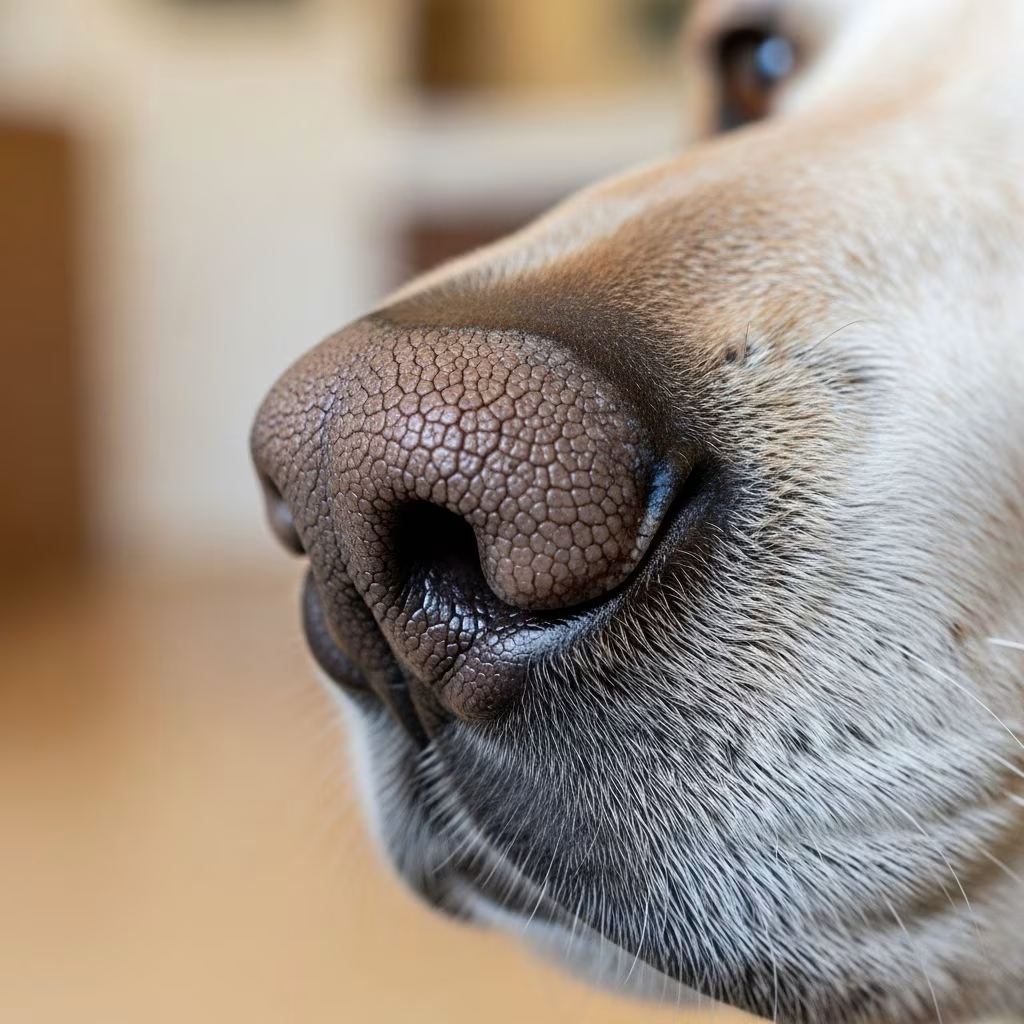
A dog’s nose drying out is one of the most frequent worries for pet owners, but it’s rarely a standalone emergency. While a cool, wet nose is the classic image of a healthy canine, fluctuations in moisture levels happen for benign reasons like sleeping or weather changes. However, persistent dryness, cracking, or accompanying symptoms demand closer inspection. This comprehensive guide breaks down the spectrum of possibilities, from everyday factors to underlying medical concerns, empowering you to care for your furry friend effectively.
Understanding the Normal Canine Nose
Dogs rely on their noses for survival—scenting prey, detecting dangers, and navigating their world. The nasal surface produces natural oils and moisture to enhance scent detection and protect against irritants. Contrary to myth, a dry nose doesn’t automatically mean illness; many healthy dogs wake up with one after naps because they aren’t licking it. Factors like breed, age, and activity influence baseline moisture. Brachycephalic breeds (e.g., Pugs, Bulldogs) often have drier noses due to facial structure impacting tear drainage and airflow.
Everyday Reasons for a Dry Nose
Most cases stem from temporary, non-threatening influences. Recognizing these helps avoid unnecessary panic.
- Sleep and Rest Cycles: During sleep, dogs stop licking their noses, leading to temporary dryness that resolves upon waking.
- Environmental Dryness: Low humidity from heating, air conditioning, or arid climates dries out nasal tissue. Winter indoors or summer heat exacerbates this.
- Sun Exposure and Sunburn: Light-colored or pink noses burn easily in UV light, causing cracking and flakiness. Short-nosed breeds are especially vulnerable.
- Mild Dehydration: Insufficient water intake from exercise, heat, or forgotten bowls results in overall dryness, including the nose.
- Allergies or Irritants: Pollen, dust, cleaning chemicals, or foods trigger inflammation, drying the surface.
These mild triggers often self-correct with simple adjustments, like offering water or moving away from drafts.
Moderate Health-Related Causes
When dryness lingers or pairs with subtle changes, moderate issues may be at play. Monitor for patterns.
| Condition | Symptoms | Common Breeds/Ages |
|---|---|---|
| Respiratory Infections | Coughing, sneezing, lethargy; nose may alternate wet-dry | All breeds; any age |
| Allergies | Itching, paw licking, ear infections | Retrievers, Terriers |
| Brachycephalic Traits | Snorting, breathing effort, chronic mild dryness | Pugs, Boxers, Frenchies |
| Age-Related Changes | Thinning fur, slower healing; common in seniors | Older dogs |
Bacterial or viral bugs inflame nasal passages, sometimes drying one side more than the other. Environmental allergies mimic infections, causing paw-chewing or eye watering alongside nose changes.
Serious Underlying Conditions
Rarely, a persistently dry, cracked, or scabbed nose signals deeper problems requiring veterinary intervention. Act promptly if bleeding, odor, or systemic signs appear.
- Hyperkeratosis: Excess keratin thickens and cracks the nose (and paw pads). Hereditary in Labs; idiopathic in seniors. No cure, but manageable.
- Autoimmune Disorders: Pemphigus or discoid lupus cause blisters, crusts on nose, eyes, ears. Diagnosed via biopsy; treated with immunosuppressants like prednisone.
- Hypothyroidism: Thyroid deficiency leads to dry skin, hair loss, weight gain, lethargy. Blood tests confirm; lifelong meds resolve symptoms.
- Keratoconjunctivitis Sicca (KCS/Dry Eye): Reduced tears dry the eye-to-nose duct, affecting one or both sides. Eye drops stimulate production.
- Mucocutaneous Pyoderma: Bacterial overgrowth crusts mucocutaneous junctions (nose, lips). Antibiotics for 4-6 weeks clear it.
- Severe Dehydration or Breathing Issues: Sunken eyes, panting, wheezing signal emergencies like heatstroke or obstruction.
How to Assess Your Dog’s Dry Nose
Evaluate systematically:
- Observe Duration: Occasional? Likely benign. Weeks-long? Vet time.
- Check Accompaniments: Fever, appetite loss, limping? Urgent care.
- Test Hydration: Pinch skin on neck; slow return means dehydration.
- Examine Texture: Soft dry vs. hard, cracked, bleeding?
- Note Breed/Age: High-risk groups need proactive checks.
Track changes in a journal for your vet, including photos.
Home Remedies for Mild Dryness
For non-severe cases, soothe safely while awaiting professional advice.
- Wipe gently with a cool, damp cloth to clean and hydrate.
- Apply vet-approved balms: Vitamin E, aloe, or salicylic acid creams soften hyperkeratosis.
- Boost humidity with a pet-safe humidifier.
- Ensure constant fresh water; add ice cubes or low-sodium broth to entice drinking.
- Protect from sun with dog-safe sunscreen (zinc-free).
- Feed omega-rich diets (fish oil) for skin health.
Avoid human lotions, petroleum jelly (toxic if licked), or irritants.
Veterinary Diagnosis and Treatments
Professionals use bloodwork, biopsies, tear tests (Schirmer), cultures. Tailored plans include:
- Antibiotics for infections.
- Immunosuppressants for autoimmune issues.
- Thyroid hormones for hypothyroidism.
- Eye drops for KCS.
- Special lotions for chronic dryness.
Follow-up prevents recurrence; costs vary by condition.
Preventing Dry Nose Problems
Proactive steps maintain nasal health:
- Consistent hydration and balanced nutrition.
- Humidify dry environments.
- Sun shields for light noses.
- Regular vet checkups, especially for at-risk breeds.
- Avoid irritants; hypoallergenic bedding/food if prone.
- Monitor seniors closely.
FAQs on Dog Dry Nose
Is a dry nose always bad for dogs?
No, it’s often normal, especially post-sleep. Worry if persistent with other symptoms.
Can I use coconut oil on my dog’s dry nose?
Some do, but consult a vet first; it may clog pores or cause GI upset if ingested.
How long before seeing a vet for dry nose?
If over a week, cracked, or with lethargy/fever, go sooner.
Do all breeds get dry noses equally?
No; brachycephalics and light-nosed breeds are more prone.
Can diet fix a dry dog nose?
Omega-3s help skin, but address root causes medically.
Armed with this knowledge, you’re better equipped to discern routine dryness from red flags. Prioritize observation, gentle care, and timely vet visits for your dog’s optimal health.
References
- Dry Nose In Dogs: Causes And Treatment — Kingsdale Animal Hospital. 2023. https://www.kingsdale.com/dry-nose-in-dogs-causes-and-treatment
- Why Is My Dog’s Nose Dry? — World of Animals Veterinary Hospital. 2024. https://wofainc.com/blog/why-is-my-dogs-nose-dry/
- Should You Worry if Your Dog’s Nose is Dry? — Brown Veterinary Hospital. 2023. https://brownvethospital.com/blog/should-you-worry-if-your-dogs-nose-is-dry/
- Why Is My Dog’s Nose Not Wet? — Partners Animal Hospital West Loop. 2024. https://partnersvetwl.com/?p=4893
- Is Dry Nose a Sign of Illness in Dogs? — PetMD. 2025-02-10. https://www.petmd.com/dog/conditions/respiratory/dry-nose-sign-illness-dogs



