

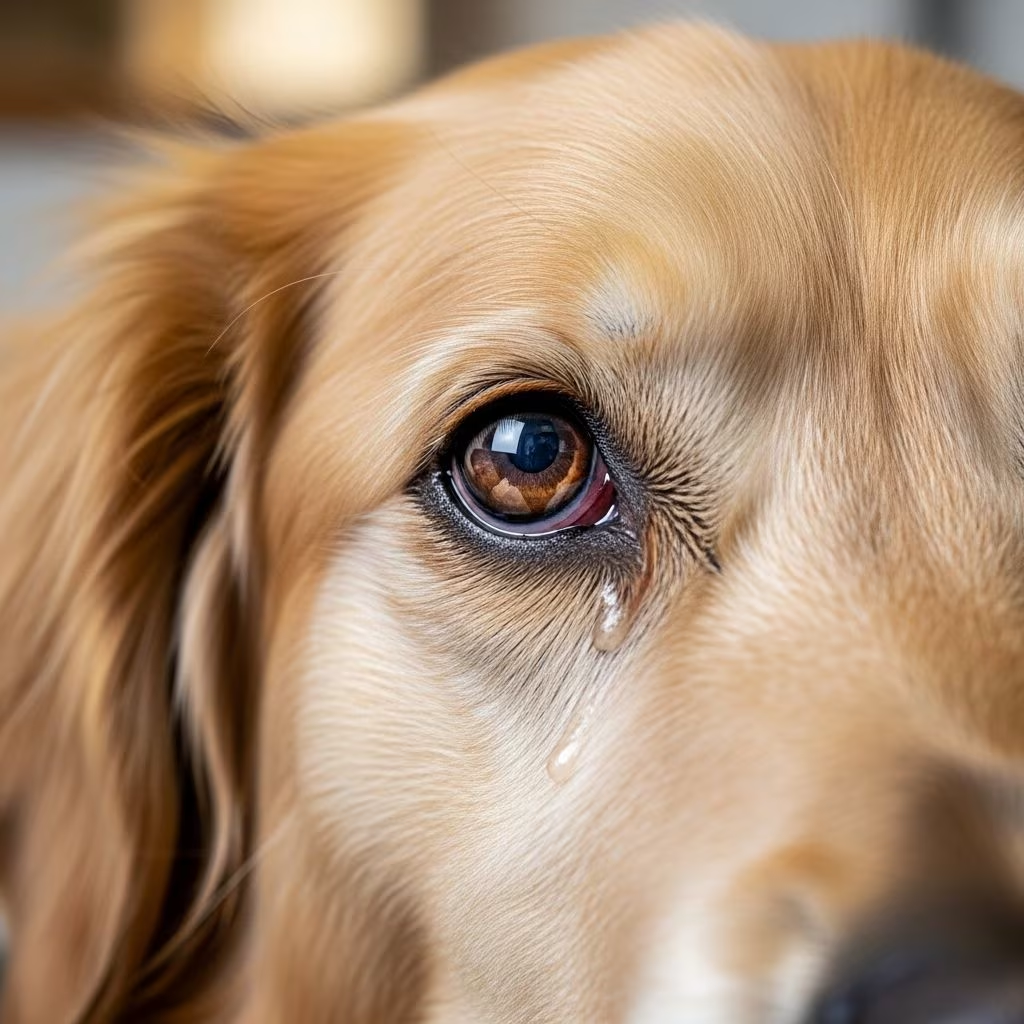
Understanding Dry Eye in Dogs
Dry eye, medically known as Keratoconjunctivitis Sicca (KCS), is a common eye condition affecting dogs of all ages and breeds. This condition occurs when the eyes do not produce adequate tears, leading to inflammation and discomfort on the eye surface. The tear film is essential for maintaining eye health, providing lubrication, nutrition, and protection against infections. When tear production becomes insufficient, dogs experience significant discomfort and face the risk of serious complications if left untreated.
KCS can develop gradually or suddenly, and while it may initially seem like a minor irritation, it requires prompt veterinary attention. The condition typically affects both eyes, though in certain cases involving nerve damage, only one eye may be affected. Understanding the causes, recognizing the symptoms, and seeking appropriate treatment are crucial steps in managing this painful condition.
Causes of Dry Eye in Dogs
Dry eye develops through various mechanisms, and understanding the underlying cause helps guide treatment decisions. The most common cause is immune-mediated inflammation, where the dog’s own immune system attacks and damages the tear-producing glands. This autoimmune response is poorly understood but is thought to be an inherited disorder in many cases.
Several other factors can contribute to the development of dry eye:
- Chronic allergies affecting the eye area
- Endocrine diseases such as diabetes and hypothyroidism
- Infections, particularly canine distemper virus
- Certain medications, including sulfonamide antibiotics and the anti-inflammatory drug etodolac
- Radiation treatment for cancer
- Surgical removal of the third eyelid gland
- Congenital factors present from birth
- Nerve damage to the tear glands (neurogenic KCS) from inner ear disease, trauma, or tumors
Interestingly, KCS can occur at any age, but it is most commonly diagnosed in middle-aged dogs. Certain breeds show higher predisposition to developing this condition, including American Cocker Spaniels, English Bulldogs, Lhasa Apsos, West Highland White Terriers, Cavalier King Charles Spaniels, Shih Tzus, and Pugs.
Recognizing the Symptoms
Early recognition of dry eye symptoms allows for faster intervention and better outcomes. Dogs with KCS typically display several characteristic signs that warrant veterinary examination:
- Thick yellow-green or mucoid discharge from the eyes
- Dull or dry appearance to the eye surface
- Redness and inflammation of the conjunctiva
- Excessive squinting or blepharospasm
- Frequent pawing or rubbing at the face and eyes
- Sensitivity to light
- Cloudiness or loss of eye transparency
- Blood vessels or dark pigment on the cornea in chronic cases
In cases of neurogenic dry eye affecting nerve function, symptoms typically appear on only one side of the face, corresponding to the affected nerve. It is important to note that dry eye is a painful condition, and untreated cases can lead to significant discomfort for your dog. If you notice any of these symptoms, scheduling a veterinary appointment promptly is essential to prevent complications.
How Dry Eye is Diagnosed
Accurate diagnosis is critical for proper treatment management. Veterinarians use several diagnostic methods to confirm dry eye and assess its severity:
Schirmer Tear Test (STT)
The primary diagnostic tool for dry eye is the Schirmer tear test, which measures the aqueous (watery) component of tear production over a one-minute period. This non-invasive test uses a small colored strip of paper placed on the eye’s surface to measure how many millimeters of tears are produced. Results below certain thresholds indicate decreased tear production consistent with KCS.
Fluorescein Stain Test
Because corneal ulcers frequently develop secondary to dry eye, veterinarians often perform a fluorescein stain test using special dye that adheres to damaged areas of the cornea. This test reveals any erosions or ulcerations that may be present, helping determine disease severity and guide treatment decisions.
Clinical Examination
A thorough ophthalmic examination assesses the overall health of the eye, including evaluation of the conjunctiva, cornea, and surrounding tissues. Despite the relative ease of diagnosis with proper examination techniques, dry eye is sometimes overlooked, leading to delayed treatment.
Treatment Options for Dry Eye
Treatment for dry eye has multiple objectives: stimulating natural tear production, replacing lost tear film, protecting the cornea, and controlling inflammation. A multimodal therapeutic approach tailored to each individual dog’s needs typically provides the best results.
Medicated Eye Drops
Tear stimulants are the cornerstone of medical management for dry eye. The most commonly prescribed medications include:
- Cyclosporine (brand name Optimmune): This medication prevents the immune system from attacking the tear-producing glands and is used by over 99% of specialist ophthalmologists. Cyclosporine performs three critical functions: controlling destruction of tear glands, increasing natural tear production, and reducing painful inflammation. It is applied once or twice daily directly to the affected eye.
- Tacrolimus: Another immunosuppressant medication used to stimulate tear production, typically prescribed when cyclosporine proves ineffective.
- Pilocarpine (brand name Isopto-Carpine): Used specifically for neurogenic KCS, pilocarpine stimulates glandular secretion through nerve-based mechanisms.
These medications are generally very safe and most dogs show dramatic improvement with consistent use. However, proper application technique is essential—medications should be applied to eyes that are free of discharge to ensure adequate penetration.
Artificial Tears and Lubricants
Artificial tears provide temporary relief and help maintain corneal hydration and lubrication. These products should be applied multiple times daily (typically three to four times) to supplement natural tear production. While artificial tears alone cannot cure dry eye, they play an important role in multimodal treatment protocols.
Topical Antibiotics
When secondary bacterial infections or corneal ulcers develop, broad-spectrum topical antibiotics become necessary components of treatment. These prevent further complications and promote corneal healing.
Surgical Interventions
For dogs that do not respond adequately to medical management, surgical options are available. The most common procedure is parotid duct transposition, which carefully reroutes the salivary gland duct into the inner pocket of the dog’s eye. This allows saliva to substitute for tears, providing moisture and protection. Some dogs may still require medication after surgery to optimize outcomes.
Advanced Options
Alternative treatments such as cyclosporin implants may be considered for refractory or intractable cases that fail to respond to conventional therapy.
Expected Treatment Timeline and Outcomes
Most dogs respond well to appropriate treatment, though the timeline for improvement varies. With consistent medication use, many dogs show noticeable improvement within a few weeks. However, in some cases, significant improvement may take up to twelve weeks. Dogs with very low or absent tear production at diagnosis tend to have a poorer response to treatment and may require more aggressive intervention.
It is crucial to understand that dry eye is a chronic condition requiring lifelong management in most cases. Early and consistent treatment greatly improves comfort and long-term outcomes, while untreated or poorly managed cases progressively worsen. If left untreated, KCS can lead to extensive inflammation, pain, blood vessel formation, scarring, secondary infections, and ultimately permanent vision loss or blindness.
Long-Term Management and Care
Successful management of dry eye requires commitment to ongoing treatment and regular veterinary monitoring. Several important practices support optimal outcomes:
- Administer prescribed medications exactly as directed, even when the eye appears to improve
- Attend all recommended follow-up eye examinations to assess treatment effectiveness
- Keep the eye area clean and free from discharge before applying medications
- Monitor for any changes in symptoms that might indicate treatment adjustment is needed
- Report adverse reactions or changes in your dog’s response to medication promptly
- Consider environmental factors that may exacerbate dry eye, such as dry heating systems or smoke exposure
Regular communication with your veterinarian ensures that the treatment regimen continues to meet your dog’s evolving needs and maximizes the chances of maintaining good eye health throughout your dog’s life.
Frequently Asked Questions About Dry Eye in Dogs
Q: Can dry eye in dogs be cured?
A: Dry eye is typically a chronic condition requiring lifelong management rather than a condition that can be cured. However, with appropriate treatment, most dogs show significant improvement and maintain good quality of life. Early intervention provides better long-term outcomes.
Q: Is dry eye painful for dogs?
A: Yes, dry eye is an extremely painful condition. The lack of tears and resulting corneal inflammation cause significant discomfort. This is another reason why prompt treatment is essential.
Q: How often should my dog receive eye drops for dry eye?
A: Medicated eye drops like cyclosporine or tacrolimus are typically applied once or twice daily as prescribed by your veterinarian. Artificial tears may be used more frequently, three to four times daily, depending on recommendations. Always follow your veterinarian’s specific instructions.
Q: Can certain breeds develop dry eye more easily?
A: Yes, certain breeds show higher predisposition including American Cocker Spaniels, English Bulldogs, Lhasa Apsos, West Highland White Terriers, Cavalier King Charles Spaniels, Shih Tzus, and Pugs. However, any dog can develop dry eye at any age.
Q: What happens if dry eye is left untreated?
A: Untreated dry eye progressively worsens, leading to corneal ulcers, scarring, blood vessel formation, secondary infections, chronic pain, and permanent vision loss or blindness.
Q: Are there side effects to cyclosporine treatment?
A: Cyclosporine is generally very safe when used as directed. Your veterinarian will monitor your dog during treatment to ensure the medication is well-tolerated and effective.
Q: How long does it take to see improvement with treatment?
A: Most dogs show improvement within a few weeks of starting treatment, though some may take up to twelve weeks to demonstrate significant improvement. Consistency with medication administration is key to achieving these timelines.
References
- Keratoconjunctivitis sicca (KCS) in dogs — Cornell University College of Veterinary Medicine, Riney Canine Health Center. 2025-07-10. https://www.vet.cornell.edu/departments-centers-and-institutes/riney-canine-health-center
- Keratoconjunctivitis Sicca (KCS) or Dry Eye in Dogs — VCA Animal Hospitals. https://vcahospitals.com/know-your-pet/keratoconjunctivitis-sicca-kcs-or-dry-eye-in-dogs
- Dry eye in dogs – causes, diagnostics and treatment — Vet Times. https://www.vettimes.com/news/vets/small-animal-vets/dry-eye-in-dogs-causes-diagnostics-and-treatment
- Dry Eye Syndrome in Dogs — PetMD. https://www.petmd.com/dog/conditions/eyes/c_dg_keratoconjunctivitis_sicca
- Dry Eye — MSD Animal Health Republic of Ireland. https://www.msd-animal-health.ie/species/dogs/dry-eye/
- Dry eye in dogs — PDSA. https://www.pdsa.org.uk/pet-help-and-advice/pet-health-hub/conditions/dry-eye-in-dogs
- Dry eye in dogs — Royal Veterinary College. https://www.rvc.ac.uk/small-animal-vet/teaching-and-research/fact-files/keratoconjuncitivitis-sicca-dry-eye



