

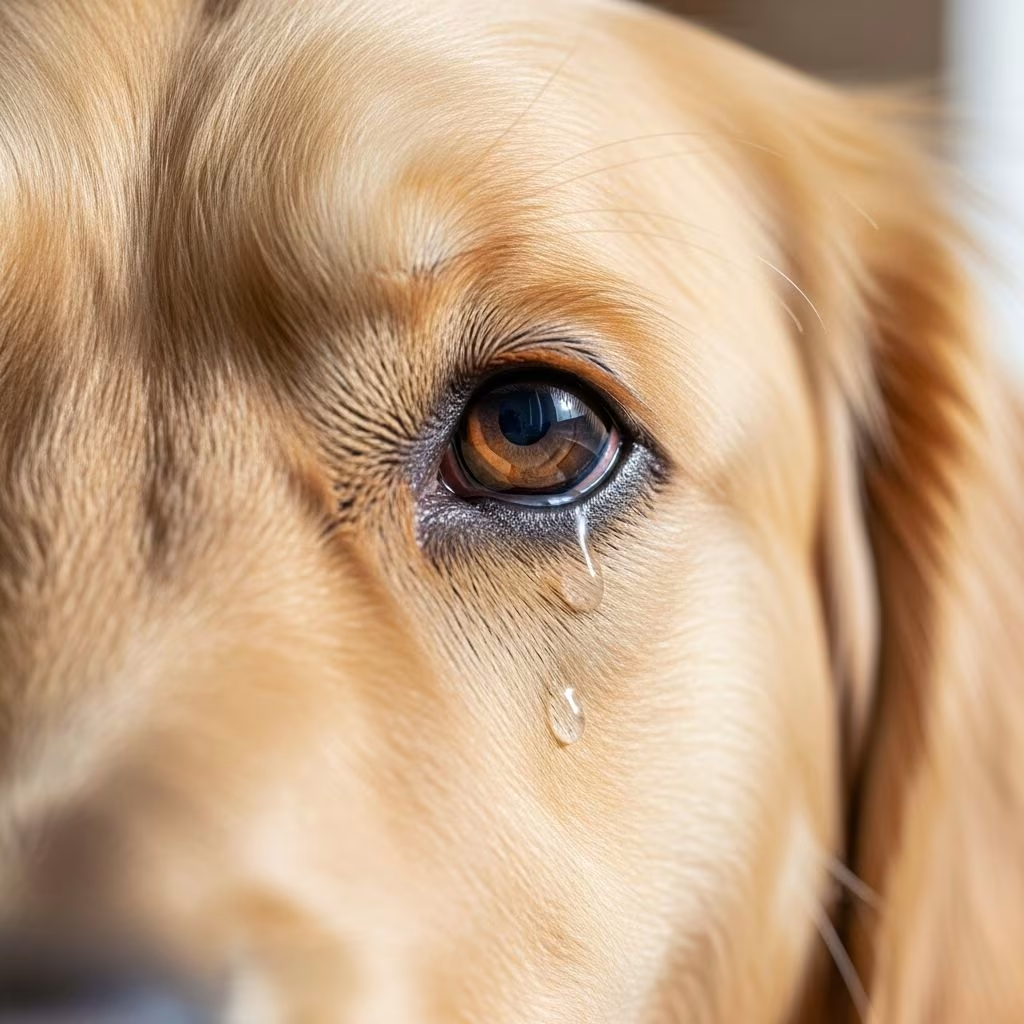
Dry eye syndrome, medically termed keratoconjunctivitis sicca (KCS), affects many dogs by reducing tear production, leading to discomfort and potential vision issues. This condition requires prompt veterinary attention to maintain ocular health.
Understanding the Basics of Canine Dry Eye
The eyes of dogs rely on a balanced tear film to stay lubricated, nourished, and protected from debris. When tear glands fail to produce enough tears, the cornea becomes dry, inflamed, and vulnerable to ulcers and infections. KCS primarily impacts the lacrimal and nictitans glands, resulting in quantitative tear deficiency.
Breeds like Cocker Spaniels, Bulldogs, West Highland White Terriers, and Shih Tzus show higher susceptibility due to genetic factors. Middle-aged and senior dogs are most commonly affected, though any age can develop it.
Common Symptoms to Watch For
Early recognition of KCS symptoms can prevent severe complications. Owners often notice:
- Persistent redness in the whites of the eyes
- Thick, sticky mucus discharge that may crust over
- Frequent blinking, squinting, or holding eyes partially closed
- Pawing at or rubbing the face against surfaces
- Dull or hazy corneal appearance over time
- Visible third eyelid or corneal pigmentation in chronic cases
These signs indicate irritation from lack of moisture, often worsening without intervention.
Root Causes Behind Tear Deficiency
KCS arises from immune-mediated destruction of tear glands in 80-90% of cases, where the body attacks its own tissues. Other triggers include:
- Drug-induced issues from sulfa antibiotics or NSAIDs
- Neurogenic problems damaging tear gland nerves
- Distemper virus remnants from prior infections
- Congenital gland absence in certain breeds
- Trauma, eyelid abnormalities, or surgical complications
Identifying the underlying cause guides effective therapy.
How Veterinarians Diagnose Dry Eye
Diagnosis starts with a thorough eye exam using fluorescein stain to check for ulcers. The key test is the Schirmer Tear Test (STT), where filter paper strips measure tear volume over one minute. Normal readings exceed 15 mm/min; below 10 mm/min confirms KCS.
Tear film breakup time and corneal cytology may supplement STT. Fluorescein retention highlights poor tear clearance. Regular monitoring every 3-4 weeks tracks progress.
Primary Treatment Strategies
Treatment focuses on boosting tear production and replacing tears. Most dogs respond well to consistent medical therapy.
Tear-Stimulating Medications
Cyclosporine (Optimmune®) ointment, applied once or twice daily, suppresses immune attacks on glands, often improving tears within 4-6 weeks. Tacrolimus drops serve as an alternative for non-responders, showing similar efficacy.
Tear Replacement Options
Artificial tears, gels, or ointments lubricate the eye every 2-6 hours initially. Preservative-free formulas minimize irritation. Hyaluron-based products like Optixcare enhance retention.
| Treatment Type | Examples | Frequency | Purpose |
|---|---|---|---|
| Tear Stimulants | Cyclosporine, Tacrolimus | 1-2x daily | Increase natural production |
| Lubricants | Artificial tears, gels | 2-6x daily | Moisturize cornea |
| Antibiotics | Triple antibiotic ointment | 4-6x daily | Treat secondary infections |
Addressing Secondary Complications
Dry eyes invite bacterial overgrowth, treated with broad-spectrum antibiotics like neomycin/polymyxin/bacitracin every 6-8 hours for 2 weeks. Anti-inflammatories reduce pain and swelling, but require vet oversight.
For neurogenic KCS, oral pilocarpine (1-2 drops per 10kg on food twice daily) stimulates secretion systemically.
Surgical Interventions for Refractory Cases
When medications fail after 3 months, surgery offers relief. Parotid duct transposition reroutes salivary ducts to the conjunctiva, using saliva as a tear substitute—effective in 70-80% of severe cases but risks complications like mucoid discharge or gland issues.
Punctal occlusion plugs tear drainage points to retain moisture. These procedures demand specialist veterinary ophthalmologists.
Home Care Routines for Daily Management
Support vet treatments with these practices:
- Clean eyes gently with warm saline and soft cloths, avoiding direct eyeball contact
- Administer meds consistently, even if improvement occurs
- Prevent rubbing with Elizabethan collars
- Maintain humidity and avoid irritants like smoke or dust
- Monitor for worsening and attend rechecks every 3-4 months
Lifelong therapy is standard, as KCS lacks a cure.
Prognosis and Long-Term Outlook
With diligent care, 80% of dogs achieve comfortable eyes and stable vision. Early intervention prevents scarring and pigmentation. Lifelong meds maintain gains, with adjustments as needed. Untreated KCS risks blindness from ulcers or melts.
Preventive Measures and Breed Considerations
Brachycephalic breeds benefit from routine STT screening. Avoid sulfa drugs in at-risk dogs. Prompt distemper vaccination reduces viral risks.
Frequently Asked Questions (FAQs)
Can dry eye in dogs be cured completely?
No, KCS requires ongoing management, but symptoms control well with treatment.
How quickly do treatments work?
Improvements often appear in 4-6 weeks, full stabilization in 12 weeks.
Is surgery always necessary?
Rarely; most cases respond to drops and ointments.
What if my dog resists eye medications?
Use treats or helpers; compounded flavors may aid compliance.
Does cat dry eye differ?
Cats experience similar issues but less commonly; treatments overlap with antibiotics and lubricants.
References
- Keratoconjunctivitis Sicca (KCS) or Dry Eye in Dogs — VCA Animal Hospitals. 2023. https://vcahospitals.com/know-your-pet/keratoconjunctivitis-sicca-kcs-or-dry-eye-in-dogs
- Dry Eye Syndrome in Dogs — PetMD. 2023. https://www.petmd.com/dog/conditions/eyes/c_dg_keratoconjunctivitis_sicca
- Diagnosis & Treatment of Keratoconjunctivitis Sicca in Dogs — Today’s Veterinary Practice. 2023. https://todaysveterinarypractice.com/ophthalmology/diagnosis-treatment-of-keratoconjunctivitis-sicca-in-dogs/
- Dry Eye – Veterinary Teaching Hospital — Colorado State University College of Veterinary Medicine. 2023. https://vetmedbiosci.colostate.edu/vth/services/ophthalmology/dry-eye/
- Focusing In On Canine Dry Eye — Texas A&M University. 2023-06-09. https://stories.tamu.edu/news/2023/06/09/focusing-in-on-canine-dry-eye/



