

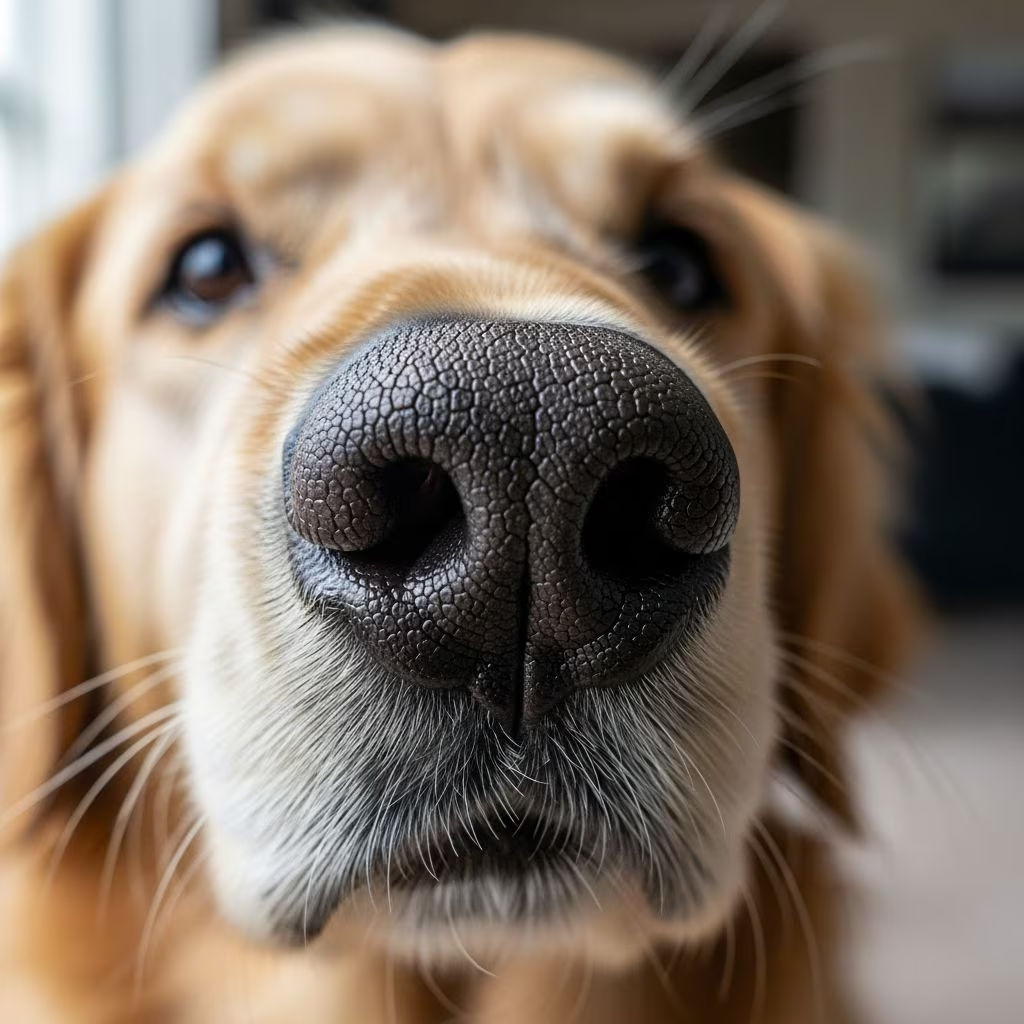
A dry dog nose often alarms owners, but it rarely signals a crisis on its own. While a moist nose is typical due to dogs’ licking and scent glands, dryness can stem from benign factors or indicate underlying problems requiring attention.
Understanding the Normal Dog Nose
Dogs’ noses stay wet through constant licking, specialized glands, and environmental moisture absorption. This aids in thermoregulation and olfaction. A temporarily dry nose—such as after sleep or in arid air—usually self-corrects without issue.
However, persistent dryness, cracking, crusting, or bleeding warrants closer inspection. These changes disrupt the nose’s protective barrier, risking infections or discomfort.
Common Benign Causes of Dryness
Many cases trace to everyday factors. Identifying them helps owners act swiftly.
- Dehydration: Insufficient water intake from heat, exercise, or illness dries nasal tissues. Mild cases resolve with hydration; severe ones need veterinary fluids.
- Environmental Dryness: Low humidity, sun exposure, or cold winds strip moisture. Indoor heating exacerbates this in winter.
- Sleep or Inactivity: Senior dogs or deep sleepers lick less, leading to temporary dryness common in older pets.
- Allergies or Irritants: Pollen, dust, cleaners, or foods provoke inflammation, drying the nose until the trigger fades.
Serious Medical Reasons for a Dry Nose
When dryness persists or worsens, health issues may be at play. Prompt vet evaluation prevents complications.
| Condition | Symptoms | Treatments |
|---|---|---|
| Hyperkeratosis | Crusty, thickened buildup; breed-related (e.g., Labs, Bulldogs) | Moisturizers, balms; lifelong for idiopathic cases |
| Infections (Bacterial/Fungal) | Discharge, odor, pain; crusting | Antibiotics, antifungals |
| Autoimmune Diseases (Lupus, Pemphigus) | Cracks, sores, depigmentation | Immunosuppressants like prednisone; biopsy for diagnosis |
| Zinc Deficiency | Scaling, especially in Huskies | Zinc supplements, diet change |
| Distemper or KCS | Hardening, dry eyes; rare in vaccinated dogs | Vaccination prevention; eye meds for KCS |
Breeds like brachycephalics (Pugs), northern types (Huskies), and seniors face higher risks due to genetics or age-related moisture loss.
Home Remedies for Mild Dryness
For non-severe cases, gentle interventions restore moisture safely. Always clean first with a damp cloth.
- Apply pet-safe balms with shea butter, coconut oil, or vitamin E twice daily.
- Use warm compresses (5-10 minutes) to soften crusts before moisturizing.
- Boost humidity with home humidifiers or steam from showers (supervised).
- Encourage hydration via fresh water, ice cubes, or low-sodium broth.
Avoid: Human products (phenol lip balms), excess petroleum jelly (licking risk), alcohol wipes, or unguided steroids.
Veterinary Interventions for Persistent Issues
Severe or unexplained dryness demands professional care. Vets diagnose via exams, biopsies, bloodwork, or cultures.
- Medications: Antibiotics for infections, antifungals, immunosuppressants for autoimmunity.
- Supplements: Omega fatty acids, zinc for deficiencies.
- Specialized Care: Prescription lotions or diets for allergies/hyperkeratosis.
For hyperkeratosis, daily balm routines manage chronic buildup effectively.
Prevention Strategies for Nasal Health
Proactive steps minimize recurrence, especially for at-risk dogs.
- Maintain hydration and balanced nutrition with fatty acids/zinc.
- Shield from sun with dog-safe SPF on light noses.
- Control environment: Humidifiers, limit extreme weather exposure.
- Regular grooming: Weekly checks, gentle cleaning for brachy breeds.
Seniors benefit from intensified routines as natural moisture declines.
Daily Care Routines for Prone Breeds
Dogs with hereditary hyperkeratosis need consistency:
- Morning/evening balm application.
- Weekly warm soaks for exfoliation (vet-approved).
- Monitor for bleeding, color shifts, or pain.
- Track humidity above 40% indoors.
When to Contact a Veterinarian Urgently
Seek immediate help if dryness accompanies:
- Bleeding, pus, or foul odor.
- Lethargy, fever, or appetite loss.
- Breathing issues or eye discharge.
- Sudden worsening or depigmentation.
These signal infections, distemper, or systemic illness.
FAQs on Dry Dog Noses
Is a dry nose always bad for dogs?
No, occasional dryness from sleep or weather is normal. Worry if chronic or with other symptoms.
Can diet fix my dog’s dry nose?
Yes, omega-rich foods and zinc aid skin health, especially for deficient breeds.
How do I treat hyperkeratosis at home?
Use vet-recommended balms, compresses, and humidity. Lifelong for genetic cases.
Are senior dogs more prone?
Yes, reduced licking and aging skin cause frequent dryness.
Does sunburn cause dry noses?
Common in pink-nosed dogs; apply pet sunscreen outdoors.
Long-Term Management Tips
Chronic conditions thrive on routines. Combine nutrition, environment, and monitoring for comfort. Most dogs lead active lives with proper care.
References
- Crusty Nose on Dog: Causes and Treatments Explained — Superior Care Pet. 2023. https://www.superiorcare.pet/blogs/news/crusty-nose-on-dog-causes-and-treatments-explained
- Dog Nose Hyperkeratosis: 9 Causes — ToeGrips. 2023. https://toegrips.com/dog-nose-hyperkeratosis/
- Why Is My Dog’s Nose Not Wet? — Partners Veterinary Wellness. 2023. https://partnersvetwl.com/?p=4893
- Should You Worry if Your Dog’s Nose is Dry? — Brown Vet Hospital. 2023. https://brownvethospital.com/blog/should-you-worry-if-your-dogs-nose-is-dry/
- Is Dry Nose a Sign of Illness in Dogs? — PetMD. 2023. https://www.petmd.com/dog/conditions/respiratory/dry-nose-sign-illness-dogs
- Ask a Vet: Why Is My Dog’s Nose Dry? — MetLife Pet Insurance. 2023. https://www.metlifepetinsurance.com/blog/pet-health/why-is-my-dog-s-nose-dry-and-when-to-be-concerned/



