

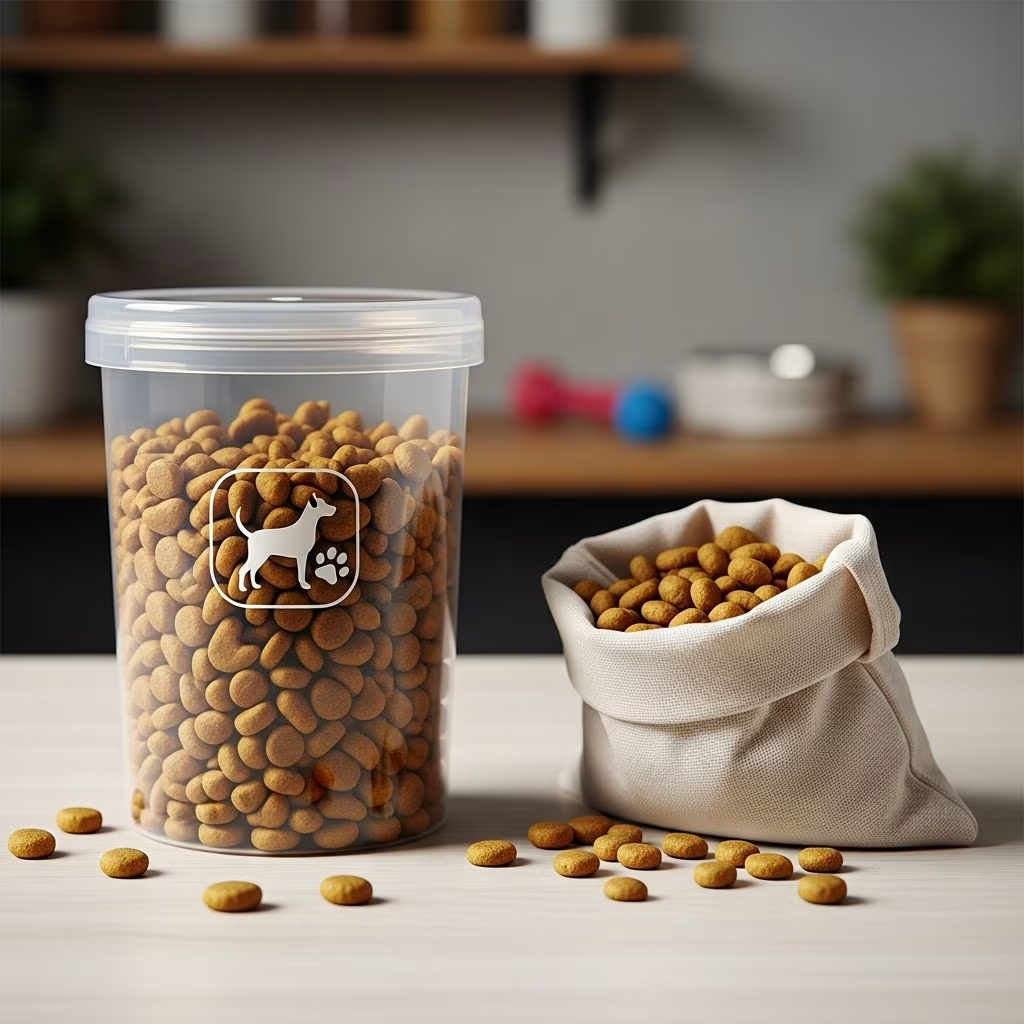
Dry dog food, commonly known as kibble, has earned a reputation for its impressive longevity compared to other pet food options. However, understanding the true shelf life of kibble and implementing proper storage methods is essential for maintaining your dog’s nutritional intake and overall health. Many pet owners assume that because dry food lasts longer than wet alternatives, they can store it with minimal care. This misconception can lead to nutritional degradation and potential food spoilage that goes unnoticed until the food reaches your dog’s bowl.
The Reality of Unopened Kibble Longevity
When purchasing a new bag of dry dog food, the packaging typically displays a “best by” or “use by” date that serves as a reference point for freshness. This date is determined based on the manufacturing date and represents the period during which the food maintains optimal taste, texture, and nutritional completeness. Most unopened bags of commercial dry dog food have a shelf life spanning from 12 to 18 months from the production date.
It is important to recognize that while dry dog food does not technically “expire” in the legal sense, the “best by” or “use by” date should be treated as a practical expiration guideline. The designation reflects findings from manufacturer-conducted studies that evaluate how long the product maintains its intended nutritional profile. Over time, even the vitamins and minerals incorporated into commercial pet foods undergo natural degradation, which is why manufacturers establish these dates.
Fortunately, nutritionists who formulate these diets are well aware of this natural nutrient loss. They deliberately add nutrients in quantities higher than the minimum requirements to account for these degradation patterns. This strategic formulation ensures that even as the food approaches the end of its shelf life, it remains complete and balanced for your dog’s nutritional needs.
What Happens After You Open the Bag
The timeline for consuming dry dog food changes dramatically once you break the seal on the bag. While unopened kibble can remain viable for more than a year, opened kibble faces a much shorter window of optimal freshness. Most veterinary nutritionists and pet food manufacturers recommend consuming opened dry dog food within 4 to 6 weeks when stored under ideal conditions.
Some sources, including major pet food producers, suggest a slightly extended window of up to 2 to 3 months for properly stored opened kibble. However, the more conservative 4 to 6 week timeframe represents the period during which nutritional integrity and food safety are most reliably maintained. After this period, while your dog may still consume the food without immediate adverse effects, the nutritional value and overall quality begin to diminish more rapidly.
The difference between unopened and opened shelf life stems from the change in environmental exposure. Once a bag is opened, the kibble inside begins interacting with air, humidity, and temperature variations in your home environment. These factors initiate chemical processes that compromise the food’s integrity and nutritional value.
Critical Storage Factors That Extend Freshness
The way you store your dog’s kibble after opening the bag has perhaps the most significant impact on how long the food remains safe and nutritious. Several environmental conditions can either preserve or accelerate the degradation of dry dog food:
- Air Exposure: When kibble comes into contact with air, oxygen initiates oxidation of the fats present in the food. This oxidation process causes the food to become rancid, which not only diminishes nutritional value but can also produce an unpleasant odor and taste.
- Moisture and Humidity: Excessive moisture creates an environment conducive to mold and bacterial growth. High humidity levels can compromise the food’s structural integrity and introduce pathogens that pose health risks to your pet.
- Heat and Temperature Fluctuations: Storing kibble in warm environments accelerates nutrient degradation and can cause the fats in the food to break down more rapidly. Additionally, temperature fluctuations can cause condensation inside storage containers, introducing unwanted moisture.
- Light Exposure: Direct sunlight and artificial light can degrade certain vitamins and nutrients in the kibble, reducing its overall nutritional completeness.
Optimal Storage Container Solutions
The container you choose for storing opened kibble significantly affects how long the food maintains its quality. The most effective storage approach is to keep the kibble in its original packaging when possible. Original bags are specifically designed by manufacturers to maintain freshness through controlled barrier properties.
After opening a bag, the best practice is to tightly reseal the original bag using a clip, rubber band, or tape. This approach maintains the bag’s designed barrier while keeping the food accessible. However, many pet owners find it more convenient to transfer kibble to airtight containers. When choosing alternative containers, prioritize airtight options specifically designed for food storage.
If transferring kibble to a different container, ensure that:
- The container has an airtight seal that prevents oxygen infiltration
- It is made from food-safe materials that do not leach chemicals into the kibble
- It is opaque or designed to block light exposure
- The size allows you to minimize the air space inside the container above the food
Some pet owners find that combining both methods—keeping kibble in the original bag and then placing that bag inside an airtight container—provides maximum protection against environmental factors.
Ideal Environmental Conditions for Storage
The location where you store your dog’s food is as important as the container you use. Optimal storage conditions include:
- Temperature Range: Store kibble in environments that remain below 80 degrees Fahrenheit. Ideally, maintain consistent temperatures between 60-75 degrees Fahrenheit to minimize nutrient degradation and prevent moisture condensation.
- Darkness: Keep the food in a dark location away from windows and direct sunlight. Pantries, cabinets, and closets are ideal storage locations in most homes.
- Low Humidity: Avoid storing kibble in bathrooms, kitchens near cooking areas, or basements where humidity levels tend to be elevated. These environments accelerate spoilage and mold growth.
- Stable Environment: Choose a storage location that does not experience significant temperature or humidity fluctuations throughout the day or across seasons.
Many pet owners store kibble in kitchen cabinets or pantries, which often provide adequate conditions. However, if your home lacks climate control or experiences extreme temperature variations, investing in a dedicated storage container placed in a climate-controlled room may be worthwhile.
Nutritional Degradation and Ingredient Quality
The quality of ingredients in a particular dog food brand influences how quickly nutrients degrade after opening. Higher-quality foods that utilize more natural ingredients and fewer artificial preservatives may have a shorter shelf life than foods loaded with synthetic additives specifically designed to extend product longevity.
This creates an interesting dynamic for pet owners: premium, natural dog foods may require more careful storage management than lower-quality commercial options. Understanding your specific dog food’s ingredient profile can help you anticipate potential storage challenges and implement appropriate preservation strategies.
Signs That Kibble Has Spoiled
Even with careful storage, it is important to monitor your dog’s food for signs of deterioration. Before serving kibble to your pet, check for:
- Unusual or rancid odors
- Visible mold or discoloration
- Changes in kibble texture or appearance
- Clumping or moisture inside the container
- Insect contamination
If you observe any of these indicators, discard the food immediately regardless of how long it has been stored. Trust your senses; if something seems off about the food’s appearance or smell, it is better to err on the side of caution.
Managing Your Dog’s Food Supply
Practical strategies for managing your dog’s kibble supply can help minimize waste while maintaining freshness:
- Purchase Appropriately Sized Bags: Buy quantities that your dog will consume within 4-6 weeks rather than stocking up on large bags that may sit partially opened for extended periods.
- Track Opening Dates: Mark the date you open a new bag directly on the container. This simple practice helps prevent accidentally serving food that has been open longer than recommended.
- Rotate Stock: Follow a “first in, first out” approach if you maintain multiple bags of food in storage.
- Consider Your Dog’s Consumption Rate: Calculate how long your dog takes to consume a full bag and purchase accordingly.
Frequently Asked Questions
Can I store dry dog food in the refrigerator or freezer?
While technically possible, refrigerator or freezer storage is generally not necessary for unopened kibble and can introduce condensation problems when removing portions. Store-bought kibble is shelf-stable by design and requires only cool, dark conditions.
How can I tell if unopened kibble has gone bad?
Unopened bags that have been stored above 80 degrees Fahrenheit or in humid conditions may spoil faster than the “best by” date suggests. Inspect bags for visible damage, moisture, or pest entry before purchase.
Is it safe to mix new kibble with older kibble from a previous bag?
Combining food from different bags or ages is acceptable as long as both are within their recommended consumption windows and show no signs of spoilage. However, this practice can make it difficult to track the age of your dog’s food supply.
What should I do if I accidentally leave kibble out at room temperature?
Kibble left exposed at room temperature for extended periods should be consumed within 24 hours. After this timeframe, discard any remaining food to prevent potential bacterial contamination or spoilage.
Manufacturer Guidelines and Food Labels
Different dog food formulations may have specific storage recommendations based on their unique ingredient profiles and preservative systems. Always read the manufacturer’s guidelines printed on the food bag or package. Some premium or specialized diets may have different storage requirements than standard commercial kibbles, and following these specific instructions helps ensure you are providing optimal nutrition to your pet.
The investment in proper storage practices ultimately reflects your commitment to your dog’s health and wellbeing. By understanding shelf life limitations and implementing appropriate storage techniques, you ensure that every meal your dog receives maintains the nutritional integrity intended by the food’s developers.
References
- Can Dry Dog Food Go Bad? Understanding Shelf Life, Storage, and Safety — Houndsy. https://www.houndsy.com/blogs/pupdiet/can-dry-dog-food-go-bad-understanding-shelf-life-storage-and-safety
- Dry dog food what is the shelf life? — Posh Dog Knee Brace. https://poshdogkneebrace.com/what-is-the-shelf-life-of-dry-dog-food/
- How Long Can You Keep Dry Dog Food Once Opened? — Petmate. https://www.petmate.com/blogs/petmate-academy/how-long-can-you-keep-dry-dog-food-once-opened
- How Long Can Dry Dog Food Sit Out? — Nextrition Pet. https://www.nextritionpet.com/blogs/nutrition/how-long-can-dry-dog-food-sit-out
- How To Store Dog Food — PetMD. https://www.petmd.com/dog/nutrition/how-to-store-dog-food
- How Long Does Dry Dog Food Last? — Whole Dog Journal. https://www.whole-dog-journal.com/food/how-long-does-dry-dog-food-last/
- Dog Food Storage: How to Store Dog Food — Purina US. https://www.purina.com/articles/dog/feeding/guides/how-to-store-dog-food



