

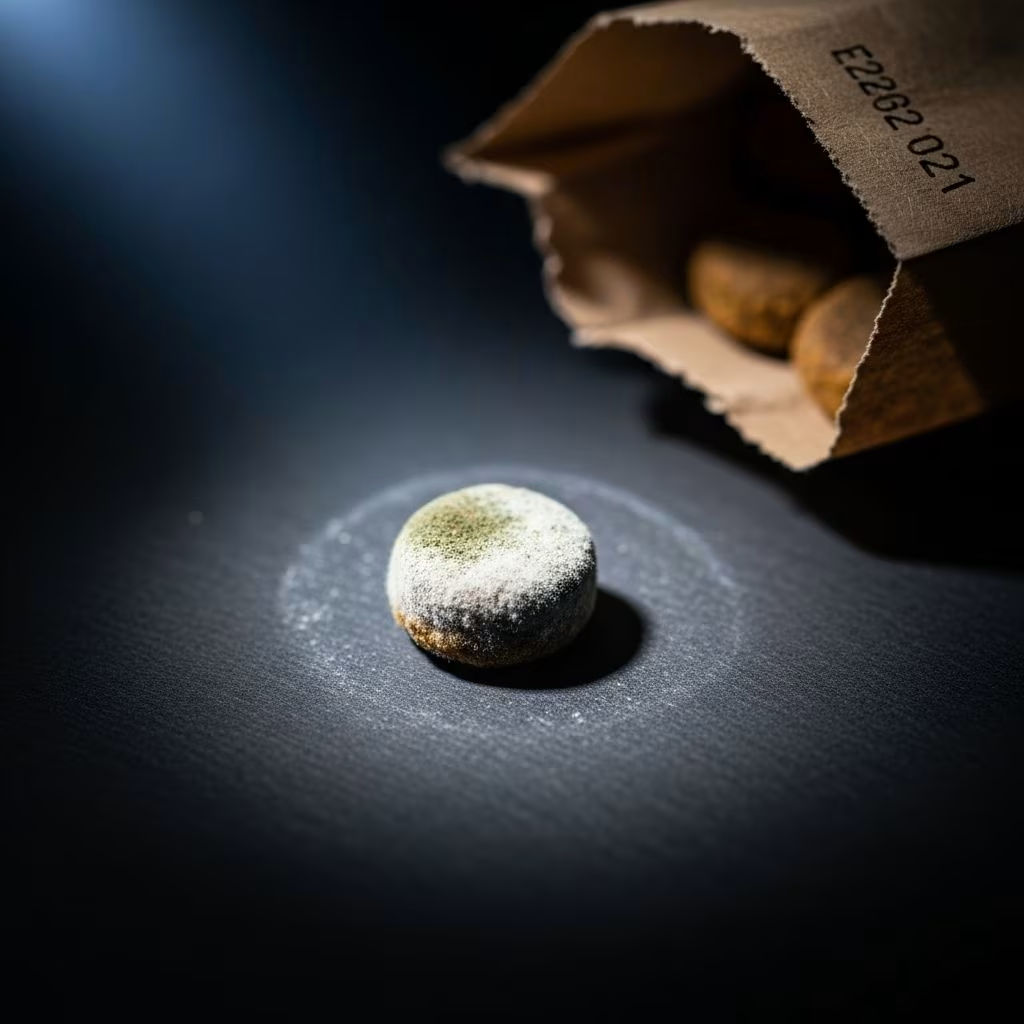
Dry dog food, or kibble, has a limited shelf life despite its reputation for longevity. Manufacturers print dates like “best by” or “use by” on bags, typically ranging from 12 to 18 months from production. Beyond these dates, the food can lose nutritional potency and develop harmful qualities, potentially sickening dogs through rancid fats or bacterial growth.
Understanding Shelf Life Timelines
Dry dog food’s stability stems from low moisture content, which inhibits microbial growth initially. Unopened bags stored in cool, dry conditions can remain viable up to 18 months. Once opened, exposure to air accelerates degradation, limiting usability to 4-6 weeks.
- Unopened kibble: Safe for 12-18 months if sealed properly.
- Opened kibble: Consume within 1 month for peak nutrition.
- Factors shortening life: High-fat formulas with fish oils oxidize faster due to unsaturated fats.
These timelines assume ideal storage; heat, humidity, or light exposure hastens breakdown.
Why Kibble Degrades Over Time
Oxidation is the primary culprit. Air contact breaks down fats into rancid compounds via lipid peroxidation. This process not only imparts off odors but produces toxins upsetting gut bacteria, leading to diarrhea. Vitamins like A, E, and C also diminish, risking deficiencies over prolonged feeding.
| Degradation Type | Cause | Impact on Dog |
|---|---|---|
| Fat rancidity | Lipid oxidation from air exposure | GI upset, vomiting, toxicity |
| Vitamin loss | Time and environmental factors | Nutritional gaps, weakened immunity |
| Bacterial risk | Moisture ingress post-opening | Salmonella, E. coli infections |
High-fat kibbles are especially vulnerable, as noted by veterinary nutritionists.
Health Dangers from Expired Kibble
Feeding outdated dry food invites multiple threats. Rancid fats cause immediate digestive distress; dogs may experience loose stools or refusal to eat. Bacterial contamination, including Salmonella, arises if moisture allows growth, potentially causing severe illness in vulnerable pets like puppies or seniors.
Mold toxins from improper storage pose rarer but serious risks, such as liver damage. Picky dogs detect staleness first, but persistent feeding erodes long-term health through incomplete nutrition. While rarely fatal, cumulative effects weaken vitality.
Spotting Spoiled Dry Dog Food
Sensory checks are vital since dates aren’t foolproof. Inspect for these red flags:
- Rancid, oily, or fishy smell indicating fat breakdown.
- Visible mold, discoloration, or clumping from moisture.
- Powdery dust or crumbling kibble signaling age.
- Insect webbing, larvae, or pest evidence.
- Dog’s rejection of familiar food or post-meal upset.
The FDA advises discarding any food with foul odors or packaging damage. Trust your nose and eyes over dates alone.
Optimal Storage Strategies
Preserve kibble freshness with these practices:
- Keep in original bag with airtight clip or transfer to sealed container.
- Store in cool (below 80°F), dark, dry spots away from humidity.
- Avoid garages or pantries prone to temperature swings.
- Buy smaller bags matching your dog’s consumption rate.
- Freeze portions if needed, thawing fully before serving.
Airtight plastic or metal bins prevent oxygen and pests. Label with open date for tracking.
Unopened vs. Opened: Key Differences
Unopened bags shield against air, extending usability months past dates if stored well. Opened food demands quicker use; reseal immediately and portion daily servings to minimize exposure.
- Unopened: Viable 1-2 years under ideal conditions.
- Opened: 4-6 weeks max; monitor closely.
Special Considerations for High-Risk Formulas
Foods with fish oil or high unsaturated fats spoil faster due to oxidation sensitivity. Grain-free or boutique brands may lack preservatives, shortening shelf life. Custom or fresh-frozen kibbles require even stricter timelines. Adjust purchases for your dog’s needs.
Nutritional Impacts Long-Term
Commercial formulas include nutrient overages, buffering short-term staleness. However, extended use depletes essentials like fatty acids and antioxidants, potentially dulling coat shine, energy, or immunity. Rotate fresh bags routinely.
FAQs on Dry Dog Food Safety
Is slightly expired kibble okay for healthy dogs?
If unopened, stored properly, and passes sensory tests, short overruns (1-3 months) pose low risk. Discard if any doubt.
Can rancid food kill my dog?
Rarely, but contaminated batches risk severe illness, especially in immunocompromised pets. Prevention is key.
How do I know if storage is adequate?
No clumping, pests, or odor changes after weeks. Consistent cool temps below 75°F ideal.
Does freezing stop expiration?
It slows oxidation but doesn’t reverse it. Freeze fresh food only.
What if my dog ate spoiled kibble?
Monitor for vomiting, diarrhea. Contact vet if symptoms persist beyond 24 hours.
Choosing Quality Kibble for Longer Life
Opt for reputable brands with clear dates and antioxidants like mixed tocopherols. Avoid bulk buys exceeding monthly needs. Transition gradually if switching to fresher stock.
Regular vet checkups catch nutrition shortfalls early. Balanced feeding prioritizes quality over cost savings from outdated bags.
References
- Is Expired Dry Dog Food Safe? Understanding the Risks and Realities — Houndsy. 2023. https://www.houndsy.com/blogs/modern-tails/is-expired-dry-dog-food-safe-understanding-the-risks-and-realities
- Does Dog Food Expire? How to Know If Your Pet’s Food Has Gone… — American Kennel Club (AKC). 2023-05-15. https://www.akc.org/expert-advice/nutrition/does-dog-food-expire/
- How Long Can You Keep Dry Dog Food Once Opened? — Petmate. 2024. https://www.petmate.com/blogs/petmate-academy/how-long-can-you-keep-dry-dog-food-once-opened
- Does Dog Food Expire? What to Know. — JustFoodForDogs. 2024-02-20. https://blog.justfoodfordogs.com/does-dog-food-expire.html
- Offering Spoiled Food Is No Way To Spoil Your Pet — Texas A&M University College of Veterinary Medicine & Biomedical Sciences (.edu). 2023. https://vetmed.tamu.edu/news/pet-talk/spoiled-food/
- Proper Storage of Pet Food & Treats — U.S. Food and Drug Administration (FDA.gov). 2024-01-10. https://www.fda.gov/animal-veterinary/animal-health-literacy/proper-storage-pet-food-treats



