

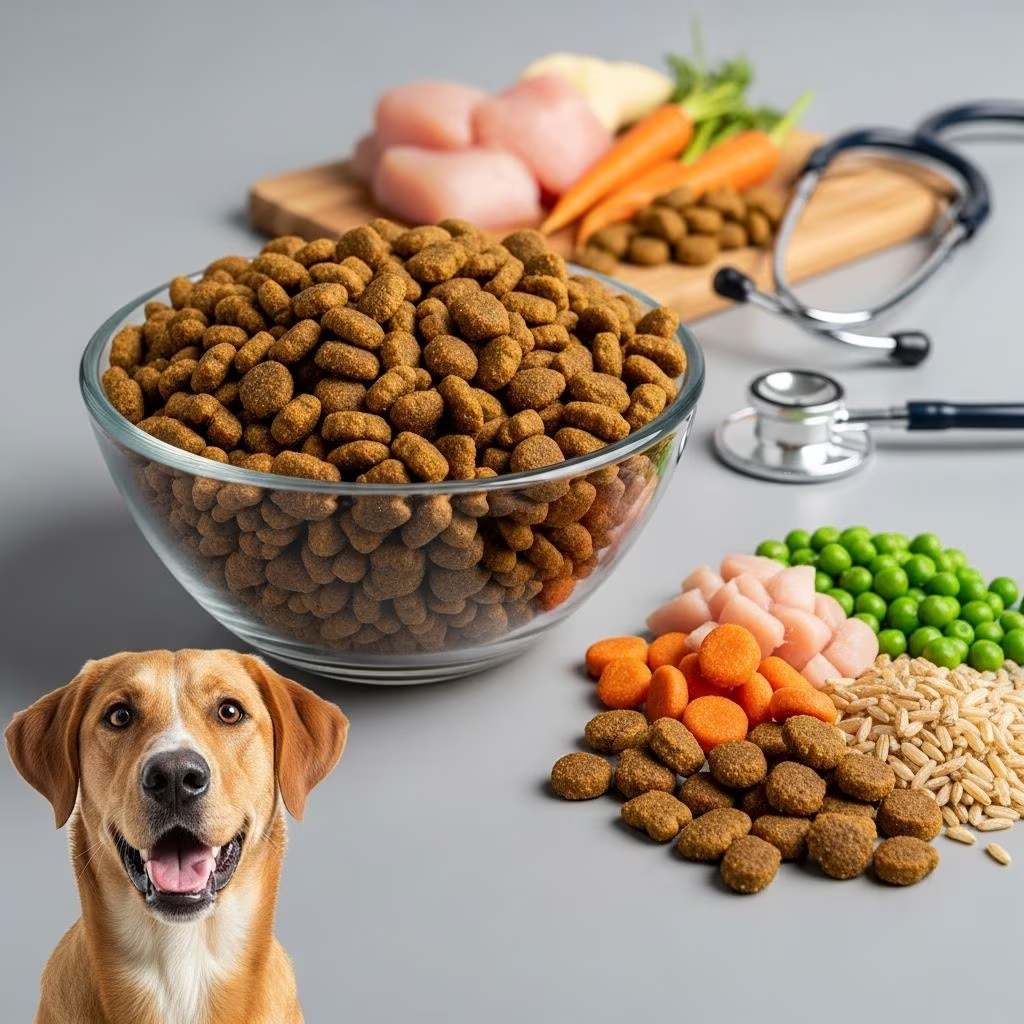
Dry dog food, commonly known as kibble, dominates the pet food market due to its practicality. However, its production methods and nutritional profile raise important questions for pet owners seeking the best for their dogs. This article delves into the key aspects of kibble, weighing its strengths against potential pitfalls to empower you with knowledge for better feeding choices.
Understanding the Basics of Kibble Production
Kibble is manufactured through a process called extrusion, where ingredients are mixed, ground, and subjected to high heat and pressure to form small, shelf-stable nuggets. This method allows for mass production but alters the raw materials significantly. Proteins can denature, enzymes break down, and vitamins lose bioavailability during this intense heating, often requiring manufacturers to add synthetic nutrients afterward.
Typically, dry food contains about 10% moisture, compared to 70-80% in wet varieties, making it lightweight and long-lasting. While this suits busy lifestyles, it shifts the burden of hydration entirely to the dog.
Key Advantages of Feeding Dry Dog Food
Despite criticisms, kibble offers several practical benefits that keep it popular among dog owners.
- Convenience and Storage: Kibble requires no refrigeration, has a long shelf life, and is easy to portion out. It’s ideal for travel, multi-dog homes, or free-feeding schedules where dogs graze throughout the day.
- Cost-Effectiveness: Generally cheaper per serving than wet food, especially for large breeds or long-term use. Bulk bags reduce expenses without sacrificing basic nutrition if quality brands are chosen.
- Dental Health Support: The crunchiness promotes chewing, which can help scrape tartar from teeth, potentially reducing plaque buildup and periodontal issues—though not a substitute for brushing.
- Versatility: Easy to use as training treats, in puzzle toys for mental stimulation, or mixed with other foods for variety.
- Cleanliness: Less mess in bowls and around feeding areas, keeping homes tidier.
Significant Drawbacks and Health Concerns
While convenient, kibble’s downsides can impact long-term health, particularly if low-quality formulas are used.
- Hydration Challenges: With minimal water content, dogs on exclusive kibble diets may not drink enough, leading to chronic low-level dehydration. Symptoms include dry gums, lethargy, and increased risk for kidney or urinary issues.
- Processing and Nutrient Loss: High-heat extrusion destroys heat-sensitive nutrients, and sprayed-on fats can rancidify quickly after opening, potentially causing deficiencies or inflammation over time.
- Ingredient Quality Issues: Many formulas rely on grains, fillers like corn or soy, and unnamed meat by-products, which offer low nutritional value and may trigger allergies or digestive upset.
- Digestibility Problems: Less palatable for picky eaters or those with dental issues; hard texture challenges puppies or seniors. It may also contribute to bloat risk in susceptible breeds by swelling in the stomach.
- Contamination Risks: Prone to storage mites, bacteria, or mycotoxins, especially in humid environments, leading to skin irritations or gastrointestinal distress.
Comparing Dry Food to Wet and Raw Alternatives
To contextualize kibble’s role, consider how it stacks up against other formats. The table below highlights core differences based on nutritional and practical factors.
| Aspect | Dry Kibble | Wet Food | Raw Food |
|---|---|---|---|
| Moisture Content | ~10% | 70-80% | 60-75% |
| Processing Level | High (extrusion) | Moderate (canning) | Minimal |
| Hydration Benefit | Low | High | High |
| Cost per Serving | Low | High | Variable |
| Dental Benefits | Moderate | None | None |
| Shelf Life | Long (unopened) | Short (opened) | Requires freezing |
| Palatability | Moderate | High | High |
Wet food excels in hydration and flavor, aiding picky or ill dogs, while raw options preserve nutrients better but demand careful handling.
Debunking Common Myths About Kibble
Misinformation abounds in pet nutrition discussions. Here’s clarity on frequent claims:
- Myth: Kibble Cleans Teeth Completely. While chewing helps, it doesn’t prevent tartar like professional care does.
- Myth: Dry Food Always Causes Dehydration. Dogs adapt by drinking more, but monitoring intake is key, especially for at-risk breeds.
- Myth: All Kibble Leads to Obesity. Calorie density varies; portion control matters more than format.
Expert Tips for Selecting Quality Dry Food
Not all kibble is equal. Prioritize these when shopping:
- Look for named meat as the first ingredient, avoiding vague “animal by-products.”
- Check for whole grains or grain-free if allergies are a concern, but balance carbs appropriately.
- Seek AAFCO approval for complete nutrition.
- Opt for brands using fresh or human-grade ingredients with minimal preservatives.
- Avoid excessive fillers; aim for 25-30% protein minimum.
Transition gradually over 7-10 days to prevent tummy upset.
Enhancing Kibble with Balanced Feeding Strategies
Pure kibble isn’t ideal for every dog. Hybrid approaches optimize health:
- Add Moisture: Top kibble with water, bone broth, or canned food to boost hydration and appeal.
- Mix with Fresh Foods: Incorporate veggies, fruits, or raw toppers for enzymes and variety.
- Rotate Diets: Alternate dry, wet, and fresh to prevent sensitivities and ensure broad nutrients.
- Monitor Weight and Health: Regular vet check-ups catch issues early; adjust based on activity level.
For seniors or those with conditions like kidney disease, wet or raw may be preferable.
Potential Long-Term Health Impacts
Studies link exclusive kibble feeding to higher obesity rates due to carbs, alongside digestive woes from poor digestibility. Rancid fats may contribute to skin issues, allergies, or even organ strain over years. Conversely, well-formulated kibble supports vitality when part of a holistic plan.
Frequently Asked Questions (FAQs)
Is dry dog food bad for my dog?
No, quality kibble isn’t inherently bad, but its limitations like low moisture and processing warrant supplementation for optimal health.
Can puppies eat dry food?
Soaked kibble works for young pups, easing chewing and digestion.
Does kibble cause bloat?
It may increase risk in deep-chested breeds by expanding in the stomach; feed smaller meals.
How much water should a kibble-fed dog drink?
About 1 ounce per pound of body weight daily; encourage with fountains or flavored water.
Is grain-free kibble better?
Not always—some lack taurine, linked to heart issues; consult vets.
Conclusion: Tailor Feeding to Your Dog’s Needs
Dry dog food shines in convenience but falls short in hydration and nutrient preservation. By understanding its profile and integrating smarter strategies, you can harness its benefits while mitigating risks. Prioritize quality, observe your dog’s responses, and consult professionals for personalized advice. Your furry friend deserves a diet that fuels a long, vibrant life.
References
- Pros and Cons of Different Dog Foods: What Your Dog Eats Matters — Lucky Chef. 2023. https://www.luckychef.com/en/magazine/blog/a-dog-is-what-he-eats-benefits-and-drawbacks-of-various-dog-foods
- Wet vs. Dry Dog Food: Which Option Is Best? — We Feed Raw. 2024. https://wefeedraw.com/blog/wet-vs-dry-dog-food
- Yes, Kibble is Bad for Your Dog: 7 Issues with Dry Pet Food — Raw Bistro. 2023. https://rawbistro.com/blogs/raw-bistro/why-kibble-is-bad-for-dogs
- Wet vs. Dry Dog Food: Advantages & Disadvantages — AvoDerm Natural. 2024. https://avodermnatural.com/blog/wet-vs-dry-dog-food/
- Dry vs. Wet Dog Food, or Both? — PetMD. 2025-03-15. https://www.petmd.com/dog/nutrition/dry-dog-food-vs-wet-dog-food-which-better
- Reversing 6 Misconceptions About Dry Dog Food — Tractor Supply Co. 2024. https://www.tractorsupply.com/tsc/cms/life-out-here/pet/dogs/reversing-6-misconceptions-about-dry-dog-food



