

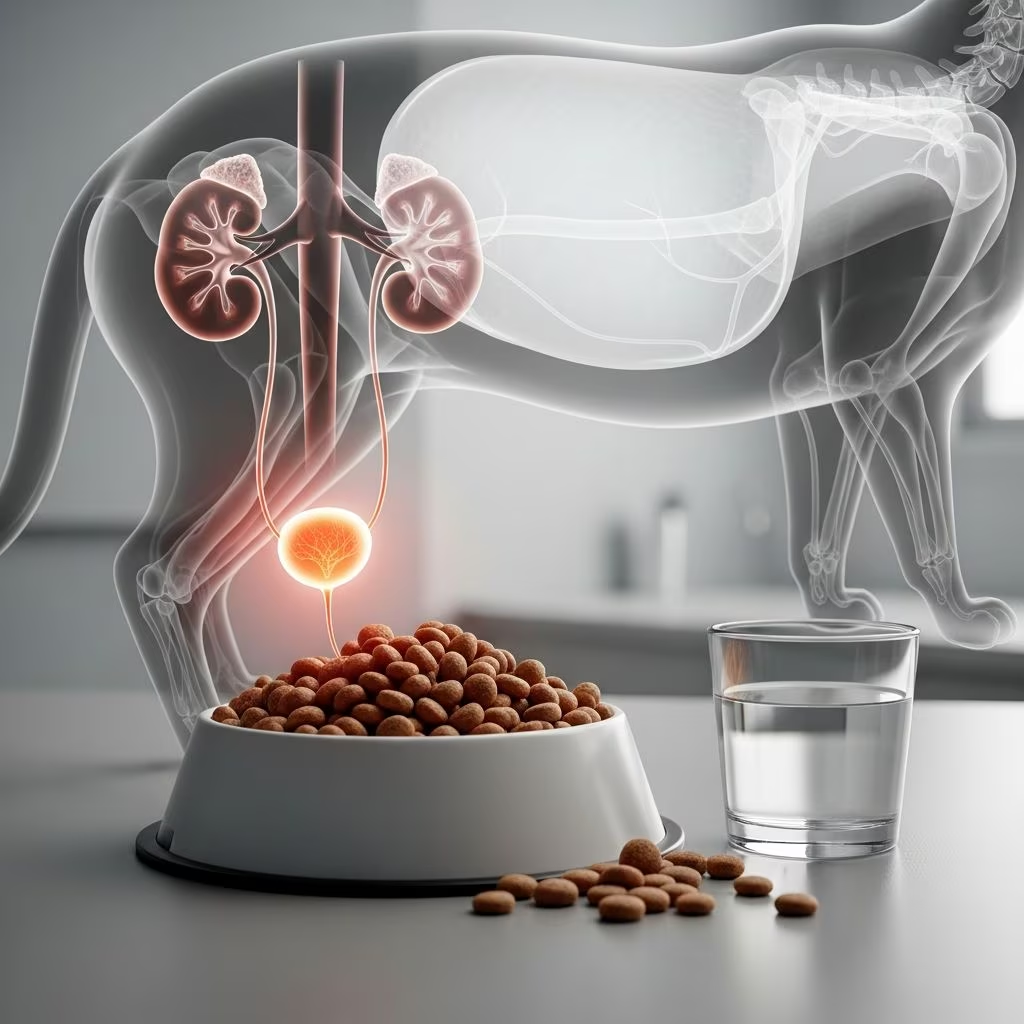
Cats fed primarily dry kibble face heightened risks for urinary tract complications due to low moisture content leading to concentrated urine, though diet formulation plays a larger role than dryness alone.
Understanding Feline Urinary Tract Disorders
Feline Lower Urinary Tract Disease (FLUTD) encompasses a range of conditions including crystal formation, bladder stones, infections, and blockages, which are particularly dangerous for male cats due to their narrow urethras. These issues manifest as frequent urination attempts, blood in urine, straining, or complete obstruction, potentially leading to fatal kidney damage if untreated. While genetics, stress, and environment contribute, nutrition remains a modifiable factor influencing urine concentration and mineral saturation.
Indoor cats, often reliant on dry food convenience, show elevated FLUTD incidence, but studies suggest this correlates more with lifestyle inactivity than diet moisture alone. Proper management hinges on balancing hydration, pH levels between 6.0-6.5, and mineral intake to prevent supersaturation where crystals like struvite or calcium oxalate form.
How Diet Composition Influences Bladder Health
Dry cat food’s impact stems from its dry matter makeup rather than mere low water content. High mineral levels—magnesium, phosphorus, calcium—excreted into urine can create supersaturated conditions fostering crystals, especially if pH skews alkaline from plant-heavy ingredients or overly acidic from excess animal proteins.
Optimal formulas prioritize low magnesium, controlled ash, and pH regulators like DL-methionine to acidify urine and dissolve struvite stones. Therapeutic diets, available in both dry and wet forms, demonstrate equal efficacy in resolving clinical signs within 19-30 days by maintaining these balances.
| Mineral/Ingredient | Effect on Urinary Health | Ideal Level in Dry Matter |
|---|---|---|
| Magnesium | Reduces struvite stone risk | <0.1% |
| Phosphorus | Prevents oversaturation | 0.5-1.0% |
| DL-Methionine | Acidifies urine | 0.1-0.3% |
| Protein (high-quality) | Supports repair without excess acidity | 30-40% |
This table highlights critical thresholds; exceeding them, even in wet foods, can provoke issues if not balanced.
The Critical Role of Hydration in Cats
Cats evolved as desert hunters with low thirst drives, consuming prey at 70-80% moisture. Modern dry kibble, at 10% moisture, necessitates 2-3 times more water intake to match, yet most cats under-drink, yielding concentrated urine ripe for crystal precipitation. Dilute urine flushes toxins and minerals, slashing blockage risks.
Prescription urinary dry foods often add salt to induce thirst, compensating for low inherent moisture—a workaround critiqued for relying on dehydration risk rather than direct hydration. Mixing wet food boosts overall intake without sodium hikes, mimicking ancestral patterns.
- Encourage drinking with flowing fountains, multiple bowls, or flavored water.
- Aim for 50-60ml water per kg body weight daily, beyond food moisture.
- Monitor via litter tracking for volume/color changes signaling issues.
pH Balance: Key to Crystal Prevention
Urine pH dictates crystal type: alkaline favors struvite, acidic promotes calcium oxalate. Grocery urinary foods may over-acidify healthy cats, disrupting natural 6.2-6.4 ranges, while poor formulations alkalize via grains. Balanced diets target slight acidification without extremes, aided by cranberries for antioxidants and omega-3s for inflammation control.
Long-term pH manipulation in healthy cats risks imbalance, underscoring veterinary guidance before specialized feeds.
Debunking Dry Food Myths
Myth 1: Dry food alone causes FLUTD. Reality: Indoor confinement and stress amplify risks; wet-only cats still obstruct if minerals overload.
Myth 2: All urinary foods suit all cats. Grocery versions often aggressively lower pH, unsuitable for maintenance.
Myth 3: Wet food eliminates risks. High-protein wet diets without mineral control relapse at 11% vs. 39% for dry, per studies.
Selecting Optimal Dry Foods for Urinary Wellness
Choose kibbles with AAFCO statements, low magnesium (<0.1% dry matter), and urine-acidifying agents. Poultry/fish bases with DL-methionine, blueberries, and omega-3s excel. Avoid high-ash, plant-heavy recipes.
- Verify labels: Ash <6.5%, Magnesium <0.1%.
- Prioritize those promoting dilution via fiber or palatants.
- Transition gradually over 7-10 days.
For at-risk cats, prescription options like those dissolving stones in 30 days offer proven relief.
Integrating Wet and Dry for Best Outcomes
A 50/50 split yields superior hydration without full wet commitment. Wet’s moisture dilutes minerals, while quality dry controls calories. This hybrid cuts relapse, especially with monitoring tools assessing intake/output.
Lifestyle Factors Beyond Diet
Stress from multi-cat homes or inactivity spikes FLUTD; enrich environments with toys, perches, and play. Obesity strains bladders—maintain ideal weight via portion control. Annual vet urinalysis catches issues early.
Signs Your Cat Needs Veterinary Attention
Watch for vocalizing while urinating, litter box avoidance, small/frequent voids, or bloody urine. Emergencies like no urination >24 hours demand immediate care—blockages kill swiftly.
FAQs
Can healthy cats eat urinary dry food?
Short-term yes, for hydration perks, but long-term pH alteration may unbalance normal systems; consult vets.
Does switching to wet food fix urinary problems?
It aids dilution but won’t resolve if minerals/pH imbalanced—therapeutic formulas needed.
How much water should my dry-fed cat drink?
At least 3.5ml per kcal consumed; fountains help reluctant drinkers.
Are treats safe with urinary diets?
Limit to 10% calories; extras alter mineral balance, negating benefits.
Can dry food prevent urinary crystals?
Specialized low-mineral versions can, paired with hydration; generics heighten risks.
Conclusion: Proactive Nutrition Saves Lives
Armed with mineral savvy, pH knowledge, and hybrid feeding, owners safeguard urinary health. Regular vet partnerships ensure tailored plans, turning potential crises into managed wellness.
References
- What Is the Best Dry Cat Food for Urinary Health? — SiiPet. 2024. https://siipet.com/blogs/knowledge/what-is-the-best-dry-cat-food-for-urinary-health
- Does dry food cause urinary disease in cats? — Nutrition RVN. 2024-06-08. https://nutritionrvn.com/2024/06/08/dry-food-flutd/
- Can Normal Cats Eat Urinary Food? — Under the Weather Pet. 2024. https://www.undertheweatherpet.com/blogs/under-the-weather/can-normal-cats-eat-urinary-food
- Why We Don’t Recommend A “Prescription” Urinary Diet For Cats — Two Crazy Cat Ladies. 2024. https://twocrazycatladies.com/cat-urinary-problems/why-we-dont-recommend-a-prescription-urinary-diet-for-cats/
- Urine Crystals and Bladder Stones in Cats — PetMD. 2024. https://www.petmd.com/cat/conditions/urinary/urine-crystals-and-bladder-stones-in-cats



