

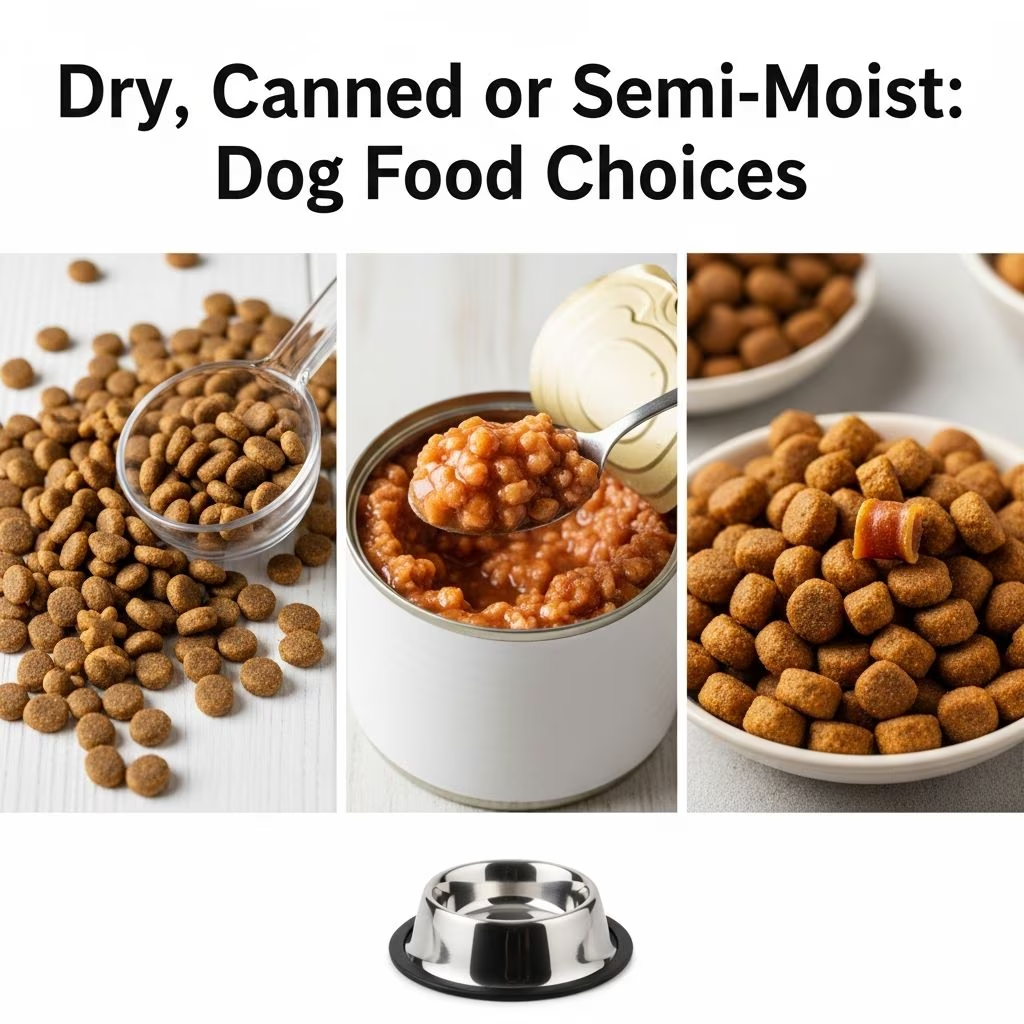
Dry, Canned, or Semi-Moist: Food Choices for Dogs
Choosing the right food for your dog can feel overwhelming with so many options available on the market today. Between dry kibble, canned food, and semi-moist varieties, pet owners often wonder which format provides the best nutrition and convenience for their furry companions. The truth is that there is no one-size-fits-all answer. Each food type offers distinct advantages and limitations, and the best choice depends on your individual dog’s needs, lifestyle, and health status. Your veterinary team can provide personalized recommendations based on your dog’s specific nutritional requirements, but understanding the characteristics of each food type will help you make an informed decision.
Understanding Your Dog’s Food Options
The pet food industry offers three primary formats for feeding dogs: dry food (kibble), canned food, and semi-moist food. Each format differs in moisture content, shelf life, cost, convenience, and nutritional density. By evaluating the pros and cons of each option, you can determine which format best suits your dog’s preferences and your household’s feeding routine. It’s also worth noting that many dogs can thrive on a combination of food types, and exposing younger dogs to different textures can make future dietary transitions smoother if medical conditions arise that require specialized diets.
The Benefits and Advantages of Dry Dog Food
Dry dog food, commonly referred to as kibble, remains the foundation of the dog food industry and continues to be the most popular choice among pet owners. This popularity is well-deserved, as dry food offers numerous practical and nutritional advantages that make it an excellent option for many households.
Convenience and Shelf Life
One of the most significant advantages of kibble is its exceptional convenience. Dry food is easy to measure, store, and serve, requiring minimal preparation beyond pouring it into a bowl. The packaging keeps the food fresh for extended periods, and once opened, kibble maintains its quality for several weeks when properly sealed and stored in an airtight container. This long shelf life makes it ideal for busy pet owners and those who prefer to buy in bulk.
Portion Control and Flexibility
Kibble makes portion control straightforward and accurate. You can easily weigh or measure specific amounts for each meal, allowing you to monitor your dog’s caloric intake precisely. For dogs that prefer to graze throughout the day rather than eat in one sitting, you can measure the full day’s amount into a bowl in the morning and remove any uneaten portions at the end of the day. This flexibility accommodates various feeding schedules and dog preferences.
Variety and Affordability
The dry food market offers an extensive range of sizes and shapes, allowing you to select options that match your dog’s preferences. Additionally, kibble is generally the most cost-effective option per calorie, making it an economical choice for budget-conscious pet owners who need to feed multiple dogs or larger breeds.
Exploring the Advantages of Canned Dog Food
Canned dog food has gained popularity among pet owners seeking higher moisture content and enhanced palatability for their dogs. This format offers several distinct advantages, particularly for dogs with specific health conditions or dietary preferences.
High Moisture Content and Medical Benefits
The most significant advantage of canned food is its high water content, which can substantially increase your dog’s water intake. This benefit is especially valuable for dogs with medical conditions where increased hydration is therapeutic, such as urinary disease or chronic kidney disease. The elevated moisture content also reduces energy density, meaning your dog can enjoy a larger portion per meal while consuming the same number of calories as an equivalent weight of dry food.
Palatability and Texture Options
Many dogs find canned food more palatable than kibble, making it an excellent option for picky eaters or senior dogs with dental issues. Within the canned food category, you’ll find various textures including pâté, chunks in gravy, and stews. These options cater to individual preferences and can encourage dogs that are hesitant about eating. Additionally, canned food can be gently warmed, which increases its aroma and palatability, further enticing reluctant eaters. For dogs requiring medication, canned food also provides an effective medium for hiding pills or tablets.
Considerations and Limitations
Despite its advantages, canned food has several practical limitations to consider. The primary drawback is cost, as canned food typically costs more per calorie than kibble due to high water content and packaging requirements. After opening, canned food must be refrigerated and any unused portion should be discarded after three days to prevent bacterial growth and foodborne illness. Furthermore, once transferred from the can to a bowl, canned food remains fresh for only about thirty minutes, which can result in significant food waste for picky dogs that don’t finish their meals. Unlike some dry foods formulated with dental benefits, canned options provide no dental health advantages.
Semi-Moist Dog Food: A Middle Ground Option
Semi-moist dog food occupies a middle position between dry and canned varieties, offering a compromise between convenience and moisture content. This format typically contains 60-65% moisture and usually comes in pouch-type packaging designed for single servings.
Advantages of Semi-Moist Food
Many dogs find semi-moist food highly palatable, with numerous flavor and texture options available to suit different preferences. The pouches provide convenience, as the entire contents are typically poured into a bowl for one serving, eliminating the need to measure portions from a larger container. The texture and convenience make semi-moist food an attractive option for busy pet owners seeking a middle ground between kibble and canned varieties.
Important Limitations
The primary concern with semi-moist food is its higher sugar and sodium content compared to dry or canned foods. For an average, healthy dog receiving appropriate daily calories, this higher sugar and salt content may pose minimal risk, especially if semi-moist food is used as an occasional topper or treat. However, significant concerns arise when feeding semi-moist food to dogs with specific medical conditions where sugar and sodium intake must be carefully controlled. Dogs with diabetes, urinary disease, kidney disease, or heart disease should avoid semi-moist foods, as the elevated sugar and sodium levels could exacerbate their conditions and compromise their health.
Comparing Dog Food Types: Key Differences
To help you make the best decision for your dog, here’s a comprehensive comparison of the three main food formats:
| Feature | Dry Kibble | Canned Food | Semi-Moist |
|---|---|---|---|
| Moisture Content | 10-12% | 75-80% | 60-65% |
| Shelf Life (Unopened) | Several months to 1+ year | Several years | Several months |
| Shelf Life (After Opening) | Several weeks when sealed | 3 days refrigerated | Varies by product |
| Cost Per Calorie | Most economical | Most expensive | Moderate |
| Portion Control | Excellent | Good | Moderate |
| Convenience | Highest | Requires refrigeration | Single-serve pouches |
| Dental Benefits | Some options available | None | None |
| Sugar Content | Lower | Lower | Higher |
| Sodium Content | Moderate | Moderate | Higher |
Combining Multiple Food Types for Optimal Nutrition
One often-overlooked option is feeding your dog a combination of different food types. In fact, exposing dogs to various textures and food forms during their younger years can make subsequent dietary transitions significantly easier. This approach is particularly valuable if your dog develops a medical condition later in life that requires a specialized diet available only in a specific format.
For example, a dog fed exclusively on kibble throughout its life may refuse canned food if a medical condition such as kidney disease necessitates a diet only available in canned form. By introducing different food textures early, you expand your dog’s dietary flexibility and ensure they’ll accept alternative food formats if needed. When combining food types, work closely with your veterinary team to ensure you’re providing appropriate portions of each food type to meet your dog’s total daily caloric and nutritional requirements.
Choosing the Right Food for Your Dog’s Needs
Selecting the best food format involves considering several factors related to your individual dog’s health, lifestyle, and preferences. Your veterinary team should be your primary resource for specific recommendations on nutrient profiles tailored to your dog’s unique needs. However, you can also evaluate these key factors:
Health and Body Condition
Consider your dog’s current health status and any medical conditions. Dogs with certain health issues benefit from increased water intake, making canned food advantageous. Conversely, dogs with diabetes or heart disease should avoid semi-moist foods with their higher sugar and sodium content. Ensure your dog maintains a healthy body condition and weight regardless of the food format you choose.
Digestive Health
Observe your dog’s digestion by monitoring bowel movements. They should be formed and regular without blood or mucus, indicating the food is well-tolerated and meeting nutritional needs.
Coat and Energy
A healthy diet should result in a shiny, healthy skin and hair coat. Your dog should also maintain good activity levels throughout the day. Lethargy or poor coat quality may indicate nutritional imbalances.
Appetite and Preference
Your dog should eat the food readily when offered without leaving large amounts behind. If your dog consistently refuses a particular food format, it may be worth trying an alternative texture or type.
Palatability and Acceptance
Each dog is unique, and what works perfectly for one dog may not be accepted by another. Don’t assume that your dog will automatically prefer one format over another. Some experimentation may be necessary to find the format your dog finds most appetizing.
Frequently Asked Questions About Dog Food Choices
Q: Is kibble nutritionally inferior to canned food?
A: No. Both kibble and canned foods can provide complete and balanced nutrition. The primary difference is in moisture content, convenience, and cost. The best choice depends on your dog’s individual needs and your lifestyle preferences.
Q: Can I mix different food types in one meal?
A: Yes, you can mix different food types, but ensure you work with your veterinary team to determine appropriate portions of each food type to maintain proper caloric intake and nutritional balance.
Q: Is semi-moist food safe for all dogs?
A: Semi-moist food can be appropriate for healthy adult dogs, but should be avoided or limited for dogs with diabetes, urinary disease, kidney disease, or heart disease due to its higher sugar and sodium content.
Q: How long does opened canned dog food stay fresh?
A: Opened canned dog food must be refrigerated and any unused portion should be discarded after three days. Once transferred to a food bowl, it should not remain uneaten for more than about thirty minutes.
Q: Should young dogs be exposed to different food types?
A: Yes, introducing puppies and young dogs to various food textures and formats can make future dietary transitions easier if medical conditions arise that require specialized diet formats.
Q: What should I do if my dog refuses a particular food type?
A: If your dog consistently refuses a food format, try an alternative texture or type. Each dog has individual preferences, and what matters most is that your dog eats an appropriate, complete, and balanced diet.
References
- Dry, Canned, or Semi-Moist: Food Choices for Dogs — VCA Animal Hospitals. 2025. https://vcahospitals.com/know-your-pet/dry-canned-or-semimoist-food-choices-for-dogs
- Choosing the Best Diet for Your Pet — VCA Animal Hospitals. 2025. https://vcahospitals.com/know-your-pet/choosing-the-best-diet-for-your-pet
- Designer Diets: What’s in My Dog’s Food? — VCA Animal Hospitals. 2025. https://vcahospitals.com/know-your-pet/designer-diets-whats-in-my-dogs-food
- Nutrition – General Feeding Guidelines for Dogs — VCA Animal Hospitals. 2025. https://vcahospitals.com/know-your-pet/nutrition-general-feeding-guidelines-for-dogs



