

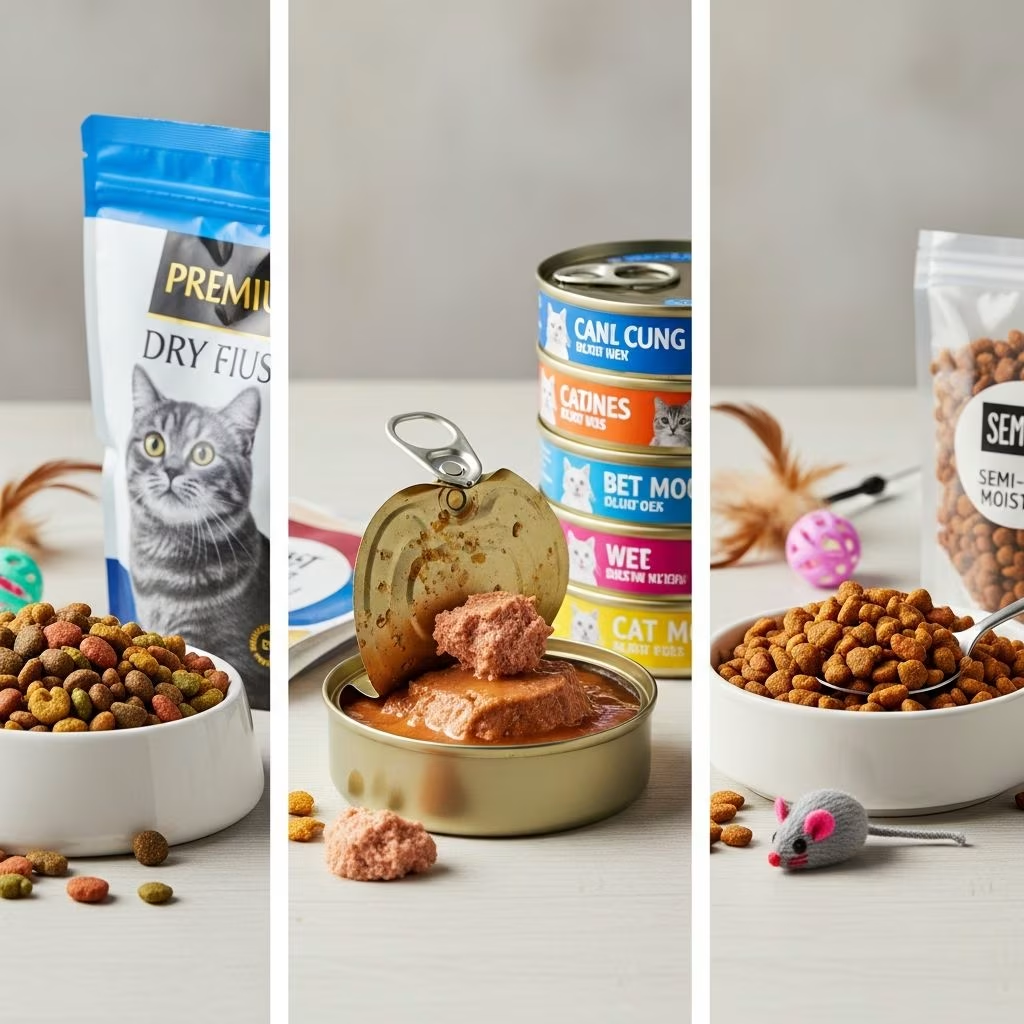
Understanding Cat Food Options: Dry, Canned, and Semi-Moist Choices
Selecting the right food for your cat is one of the most important decisions you can make as a pet owner. With numerous options available in the marketplace, the choice between dry kibble, canned food, and semi-moist varieties can feel overwhelming. Each type of cat food offers distinct advantages and limitations, and understanding these differences will help you make the best choice for your feline companion’s individual needs and lifestyle.
The three primary categories of commercially prepared cat food differ significantly in moisture content, convenience, cost, and nutritional profile. By examining each option carefully, you can determine which food type—or combination of types—best suits your cat’s health requirements, eating preferences, and your household’s lifestyle.
Dry Cat Food (Kibble): Advantages and Considerations
Dry cat food, commonly known as kibble, represents the most convenient and economical option for feeding your feline friend. Understanding both its benefits and potential drawbacks can help you decide if it’s the right choice for your cat.
Advantages of Dry Cat Food
Convenience and Storage: Kibble is the easiest and most convenient option to feed your cat. It has a long shelf life in its original packaging, and once opened, can stay fresh for several weeks when properly sealed and stored. This makes it ideal for busy pet owners who need a hassle-free feeding solution.
Portion Control: Dry food makes it easier to manage portions, as you can weigh or measure a specific amount for each meal. Alternatively, you can measure your cat’s full daily portion into an airtight container and then portion each meal from that container throughout the day. This precision helps prevent overfeeding and keeps your cat at a healthy weight.
Flexible Feeding Schedules: Kibble is an excellent choice for cats that prefer to graze throughout the day rather than eat their portion in one sitting. You can measure the total daily portion into the bowl in the morning, and any leftover can be measured at the end of the day. This flexibility works well for cats with different eating patterns.
Variety of Options: Dry cat food comes in many sizes and shapes, allowing you to choose options that your cat prefers. Whether your cat enjoys small pellets or larger kibble pieces, there’s likely a dry food option available to match your cat’s texture preferences.
Disadvantages and Limitations of Dry Cat Food
Oxidation and Nutrient Loss: While kibble stays fresh for an extended time in an unopened bag, the oxidation process begins immediately once the package is opened. This oxidation can affect nutrient concentration and reduce palatability over time. A common mistake many cat owners make is purchasing bags that are too large, thinking they’re getting a bargain. It’s best to buy package sizes that last approximately four to six weeks to minimize nutrient degradation.
Low Moisture Content: Dry food has a very low moisture content, typically between 10-12 percent. For cats that are not good drinkers, this limited moisture can be problematic. Cats with medical conditions requiring increased water intake, such as urinary disease or chronic kidney disease, may not receive sufficient hydration from kibble alone. If you choose dry food for a cat with these concerns, you should encourage additional water consumption through other means.
Canned Cat Food: Advantages and Considerations
Canned cat food offers a distinctly different nutritional and practical profile compared to dry options. Understanding its benefits and limitations can help determine if it’s appropriate for your cat.
Advantages of Canned Cat Food
High Moisture Content: One of the most significant advantages of canned food is its very high water content, typically around 75-85 percent. This can substantially help increase your cat’s water intake, which is especially beneficial for cats with medical conditions where increased water consumption is ideal, such as urinary disease or chronic kidney disease. Cats’ natural prey contains approximately 70-75 percent water, making canned food more closely approximate their ancestral diet.
Improved Portion Sizes: The high moisture in canned food reduces the energy density (calories per 100 grams), which means your cat can enjoy a larger portion per meal while receiving the same number of calories as an equivalent weight of kibble. This can be psychologically satisfying for cats that enjoy eating larger meals.
Palatability: Many cats find canned food highly palatable, making it an excellent option for picky eaters. The aroma and texture of canned food often appeal more to cats than dry kibble.
Disadvantages and Limitations of Canned Cat Food
Higher Cost: Canned food is more expensive per calorie compared to kibble, largely due to its high water content and specialized packaging requirements. This can make it a less budget-friendly long-term feeding option for many households.
Refrigeration Requirements: Canned food must be kept in the refrigerator after opening, and any unused portion should be discarded after three days. This creates a practical challenge for storage and meal planning.
Short Freshness Window: Canned food does not stay fresh for very long once transferred from the can to a food dish. Any amount not eaten within approximately 30 minutes should be discarded. For cats that are picky eaters and don’t finish meals, this can lead to substantial food waste and additional expense.
Lack of Dental Benefits: Unlike some dry foods that can provide dental health benefits through the mechanical action of chewing, canned food offers no such advantages. If dental health is a concern for your cat, you may need to incorporate additional dental care practices.
Semi-Moist Cat Food: Advantages and Considerations
Semi-moist cat food represents a middle ground between dry and canned options, offering unique advantages and specific considerations.
Advantages of Semi-Moist Cat Food
Balanced Moisture Content: Semi-moist food contains a slightly lower moisture content than canned food, typically ranging from 60-65 percent. This provides more hydration than dry kibble while maintaining some of the convenience benefits of dry food.
High Palatability: Many cats find semi-moist options very palatable. With several formulations available from different manufacturers, you’re likely to find an option your cat enjoys.
Convenient Packaging: Semi-moist food typically comes in pouch-type formats that are convenient for feeding. These pouches are usually designed so that the entire contents are poured into the bowl for one serving, eliminating the need for measuring or portion calculations.
Easy Storage: Semi-moist foods are generally easier to store than canned options and don’t require refrigeration in the same way.
Disadvantages and Limitations of Semi-Moist Cat Food
Elevated Sugar and Sodium Content: A significant disadvantage to semi-moist food is that it often contains more sugar and more salt (sodium) compared to dry or canned foods. For an average, healthy cat fed an appropriate number of calories daily, this might be acceptable, especially if this food form is reserved as a topper or occasional treat.
Concerns with Medical Conditions: Concern arises when semi-moist foods are fed to cats with specific medical conditions where sugar and sodium intake needs to be more carefully controlled. Cats with diabetes, or those with urinary, kidney, or heart disease may not be suitable candidates for semi-moist food as their primary diet. Always consult with your veterinarian before choosing semi-moist options for cats with these health concerns.
Individual Variation: Remember that each cat is unique, so what constitutes an appropriate serving size for one cat may not be suitable for another. The single-serving pouch format may not always provide the exact portion size your individual cat requires.
Comparing the Three Food Types: A Quick Reference
To help visualize the key differences between these three cat food options, consider the following comparison:
| Feature | Dry Kibble | Canned Food | Semi-Moist |
|---|---|---|---|
| Moisture Content | 10-12% | 75-85% | 60-65% |
| Cost per Calorie | Most economical | Most expensive | Moderate |
| Shelf Life (Opened) | Several weeks | 3 days (refrigerated) | Variable |
| Freshness Window in Bowl | All day | ~30 minutes | Variable |
| Dental Benefits | Yes (some options) | No | No |
| Sugar/Sodium Levels | Low to moderate | Low to moderate | Often higher |
| Portion Size Per Meal | Smaller portions | Larger portions | Moderate portions |
| Hydration Support | Limited | Excellent | Good |
Making the Right Choice for Your Cat
Selecting the appropriate cat food depends on several factors unique to your situation. Consider your cat’s individual health status, age, activity level, eating preferences, and any existing medical conditions. Some cats thrive on a single food type, while others benefit from a combination approach.
For cats with excellent drinking habits and no health concerns, dry food may be perfectly adequate and offers significant convenience and cost advantages. For cats with urinary or kidney issues, those that don’t drink sufficient water, or older cats that may prefer softer textures, canned food or a combination of canned and dry options may be more appropriate.
Semi-moist food can work well as an occasional treat or topper, particularly for healthy cats without diabetes or cardiovascular concerns. However, it’s generally not recommended as a cat’s sole food source due to its higher sugar and sodium content.
The best approach is to consult with your veterinarian about your cat’s specific nutritional needs and get their recommendation on which food type or combination thereof will best support your feline friend’s long-term health and wellbeing.
Frequently Asked Questions About Cat Food Choices
Q: Can I mix different types of cat food together?
A: Yes, many cats benefit from a mixed diet approach. For example, you could feed dry food during the day and add canned food in the evening. This combination provides the convenience of kibble with the hydration benefits of canned food. However, always transition gradually when changing your cat’s diet to avoid digestive upset.
Q: How much should I feed my cat daily?
A: Daily feeding amounts depend on your cat’s age, weight, activity level, and metabolic rate. Check the feeding guidelines on your cat’s food packaging, but remember that these are general recommendations. Your veterinarian can provide personalized feeding guidance based on your cat’s individual needs and health status.
Q: Is dry food bad for my cat’s teeth?
A: Contrary to common belief, dry food alone does not prevent dental disease. While the mechanical action of chewing kibble may provide some benefit, regular dental care routines are more important for maintaining your cat’s oral health. If your cat has existing dental issues, consult your veterinarian about the best feeding approach.
Q: How do I know if my cat is drinking enough water?
A: Signs of adequate hydration include normal urination patterns, moist mucous membranes, and skin that returns to normal when gently pulled. If you’re concerned about your cat’s water intake, feeding canned or semi-moist food can help increase overall fluid consumption. Your veterinarian can assess your cat’s hydration status during wellness exams.
Q: Should I choose food based on what my cat prefers?
A: While cat preference matters for ensuring your pet actually eats their meals, nutritional appropriateness is more important. If your cat has specific health needs, your veterinarian’s recommendations should take priority over your cat’s taste preferences. However, you can often find nutritionally appropriate options in your cat’s preferred texture or flavor.
Q: Can senior cats eat the same food as younger cats?
A: Senior cats often have different nutritional requirements than younger adults, including potentially higher protein needs and different caloric requirements. Many senior cats also have dental issues that make softer canned or semi-moist food preferable. Discuss your senior cat’s diet with your veterinarian to ensure their food supports their changing health needs.
Q: How should I store opened bags of dry cat food?
A: Store opened kibble in an airtight container in a cool, dry place to minimize oxidation and maintain freshness. Keep the original bag’s label or a note of the expiration date on your storage container. Proper storage helps preserve the food’s nutritional value and palatability for your cat.
Q: What should I do if my cat refuses to eat the new food I’ve chosen?
A: Never abruptly switch your cat’s food, as this can cause digestive upset and food refusal. Gradually transition over 7-10 days by mixing increasing amounts of the new food with the old food. If your cat continues to refuse the new food, try a different brand or type, or consult your veterinarian about alternative options.
References
- Dry, Canned, or Semi-Moist: Food Choices for Cats — VCA Animal Hospitals. 2025. https://vcahospitals.com/know-your-pet/dry-canned-or-semi-moist-food-choices-for-cats
- Feeding Your Cat: Know the Basics of Feline Nutrition — Cornell Feline Health Center. 2025. https://catinfo.org
- What Is the Difference Between Dry, Semi-Moist and Wet Pet Foods? — Purina Institute. 2025. https://www.purinainstitute.com/centresquare/understanding-pet-food/what-is-the-difference-between-dry-semi-moist-and-wet-pet-foods
- A to Z of Pet Food: 4 Things to Know about Dry Pet Food — Pet Food Institute. 2025. https://www.petfoodinstitute.org/a-to-z-pet-food-4-things-know-dry-pet-food/
- Semi Moist Cat Food and Mixed-Food Diets — PetCareRx. 2025. https://www.petcarerx.com/article/semi-moist-cat-food-and-mixed-food-diets/1493



