
Dropsy in Fish: Causes, Symptoms, and Treatment
Complete guide to understanding, identifying, and treating dropsy in aquarium fish effectively.
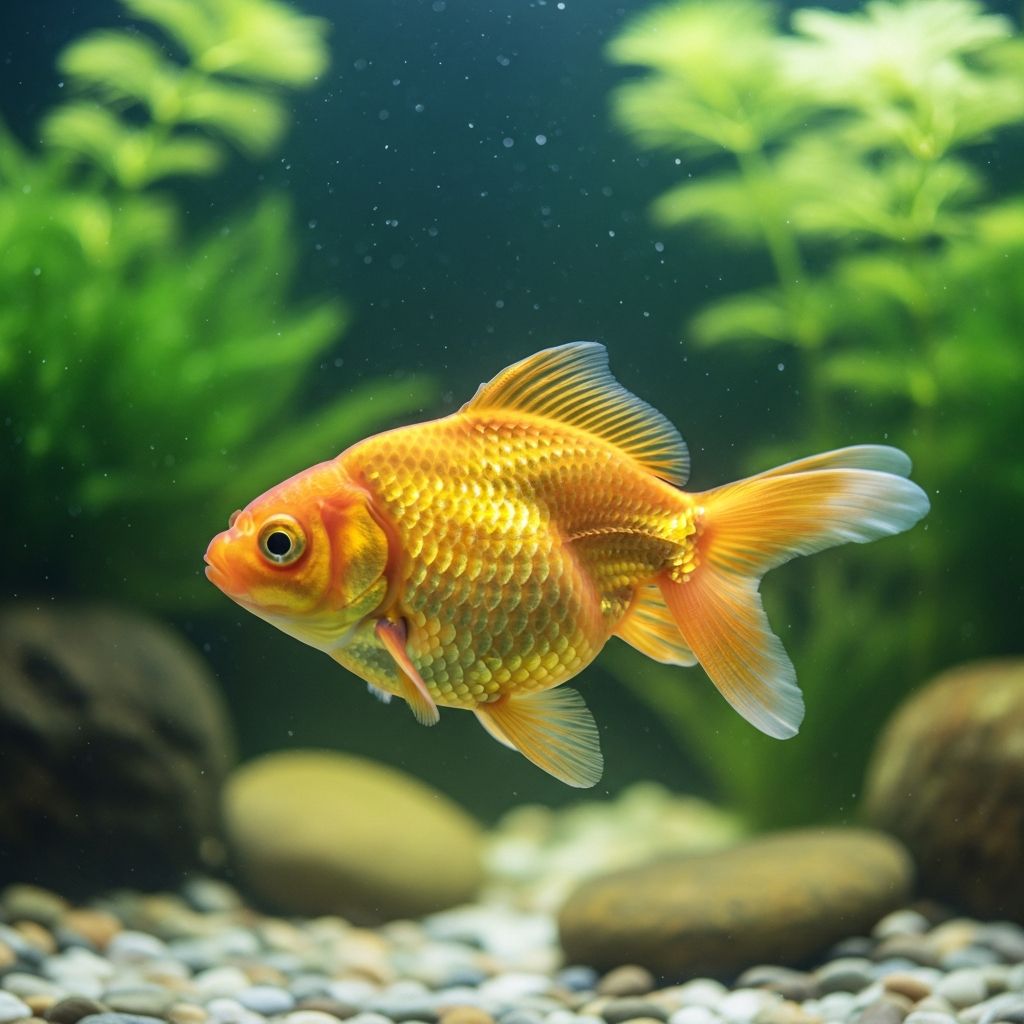
Understanding Dropsy in Fish
Dropsy is a serious and potentially fatal condition that affects aquarium fish across all species and types. The disease is characterized by abnormal abdominal swelling caused by an accumulation of fluid in the fish’s body cavity. The condition gets its common name “pinecone disease” from its most distinctive visual symptom: the scales protruding outward from the body in a pattern resembling a pinecone. When a fish develops dropsy, the scales stand on end due to the internal fluid pressure, creating an unmistakable appearance that experienced aquarists immediately recognize as a sign of serious illness.
Dropsy itself is not actually a disease but rather a symptom of underlying bacterial infections or other systemic problems within the fish’s body. Understanding this distinction is crucial because it means treatment must address the root cause rather than simply treating the symptom. The condition can develop in any aquarium fish, regardless of species, size, or age, making it a concern for all fishkeepers.
What Causes Dropsy in Fish
Dropsy develops when fish experience bacterial infections that damage their kidneys, liver, or other internal organs. The primary culprit is typically gram-negative bacteria, particularly species like Aeromonas, which infect the fish’s body and disrupt normal fluid regulation. When these organs are compromised, the fish loses its ability to maintain proper osmotic balance, leading to fluid accumulation in the body cavity.
Several factors can increase a fish’s susceptibility to developing dropsy:
- Poor water quality: Inadequate filtration, high ammonia or nitrite levels, and improper pH balance create stress and weakened immune function
- Overcrowding: Too many fish in an aquarium increases waste production and competition for oxygen
- Inadequate nutrition: Low-quality food or inconsistent feeding schedules weaken immune defenses
- Chronic stress: Environmental stressors such as aggressive tank mates, sudden temperature changes, or bright lights suppress immune response
- Injury or trauma: Physical damage to the fish’s body can allow bacterial entry
- Poor tank maintenance: Neglected water changes and accumulated debris harbor harmful pathogens
Recognizing Symptoms of Dropsy
Early detection of dropsy dramatically improves the chances of successful treatment. The symptoms progress in stages, and catching the disease in its initial phases is essential for recovery.
Early Stage Symptoms
In the early stages of dropsy, symptoms are subtle and easy to miss. The most reliable early warning sign is behavioral change: affected fish typically stop eating, often refusing food a day or two before physical symptoms appear. Other early behavioral indicators include:
- Swimming near the surface of the tank seeking oxygen
- Listlessness and reduced activity
- Clamped fins held close to the body
- Erratic swimming patterns or flashing against tank surfaces
Advanced Stage Symptoms
As dropsy progresses, physical symptoms become increasingly obvious. The fish develops a noticeably swollen belly as fluid accumulates internally. A red or inflamed area may appear on the skin near the swollen region. The fish may exhibit popeye, a condition where one or both eyes bulge outward and become discolored. Additional symptoms in advanced stages include:
- Protruding scales that stand on end like a pinecone
- Skin lesions or fin rot
- Swollen anus
- Pale or discolored gills
- Curved or bent spine
- Discoloration of the body
As dropsy worsens, internal organs including the kidney and liver sustain permanent damage. Symptoms progress aggressively, making immediate action critical when any signs are noticed.
Treatment Options for Dropsy
Treatment success depends heavily on how early the disease is caught. Fish diagnosed and treated in early stages have significantly better recovery prospects than those with advanced dropsy. However, even with aggressive treatment, recovery is not guaranteed, as the disease often causes irreversible organ damage.
Quarantine and Water Management
The first and most important step is immediate quarantine. Move the infected fish to a separate hospital tank with warm water maintained between 70-75°F. Warm water helps reduce stress and supports immune function. Complete isolation prevents the disease from spreading to healthy tank mates and allows focused treatment of the affected fish.
In the main aquarium, perform a thorough water change and closely monitor all remaining fish for symptoms. Continue regular maintenance and water testing to prevent conditions that contributed to the initial infection.
Salt Bath Treatment
Salt baths are one of the most effective and least invasive treatment methods. Add one teaspoon of Epsom salt per gallon of water to the hospital tank. Epsom salt helps restore osmotic balance by reducing excess fluid in the fish’s body cavity. This natural remedy supports the digestive system and can be effective, especially in early-stage cases.
Add salt gradually to avoid shocking the fish. Dim the aquarium lights during treatment, as low light has a calming effect and reduces additional stress. Treat the fish with salt baths for 15 to 30 minutes at a time, or maintain the salt solution continuously if using a hospital tank. Change the water regularly and re-add salt with each water change to maintain proper concentration.
Antibiotic Treatment
For bacterial infections causing dropsy, antibiotics are often necessary. Most aquarium bacterial infections are gram-negative and respond best to broad-spectrum antibiotics specifically formulated for this type of bacteria. Recommended antibiotics include:
- Maracyn-Two (Mardel)
- Amoxicillin (Aqua-Mox, VetDepot)
- Ampicillin (Fishbiotic)
- SeaChem KanaPlex
- Doxycycline
- Metronidazole
Add antibiotics to the hospital tank according to manufacturer instructions. Antibiotic-medicated food is also available and can be effective for fish still eating. Treatment typically lasts 10 days. Most medications should show visible improvement within one week. If no improvement occurs after 10 days, the fish’s prognosis becomes poor, and recovery is unlikely.
Nutritional Support
High-quality nutrition is crucial for recovery. If the fish is still eating, feed premium foods including fresh, varied options. Live foods and frozen foods can supplement regular flake or pellet foods depending on the species. Some fish recover from early-stage dropsy with nutritional support alone. Continue feeding throughout treatment, as proper nutrition strengthens the immune system and supports organ function.
Prevention Strategies
Preventing dropsy is far easier than treating it. Maintaining optimal aquarium conditions is the best defense against this serious disease.
Water Quality Management
Test water parameters regularly and maintain appropriate levels for your fish species. Perform partial water changes weekly to remove accumulated waste and maintain water quality. Use a quality filter sized appropriately for your tank volume. Remove uneaten food promptly and avoid overfeeding, which degrades water quality.
Tank Stocking and Environment
Avoid overcrowding, which increases waste and competition for oxygen. Provide hiding places and vegetation to reduce stress. Maintain stable water temperature and avoid sudden fluctuations. Choose tank mates carefully to prevent aggressive interactions and territorial conflicts.
Nutrition and Health
Feed high-quality foods appropriate for your fish species. Provide variety in diet to ensure complete nutrition. Feed appropriate portions to prevent waste and overfeeding. Quarantine new fish before adding them to established tanks to prevent introducing pathogens.
Treatment Timeline and Prognosis
| Treatment Stage | Duration | Expected Outcome |
|---|---|---|
| Days 1-3: Quarantine & Salt Bath | 3 days | Initial stabilization, reduced stress |
| Days 4-7: Antibiotic Treatment Begins | 4 days | Visible improvement should appear |
| Days 8-10: Continue Antibiotics | 3 days | Continued improvement or plateau |
| Post-Treatment Monitoring | Several weeks | Confirm recovery and monitor for relapse |
Frequently Asked Questions
Q: Is dropsy contagious to other fish?
A: The bacteria causing dropsy can spread to other fish, which is why immediate quarantine of affected fish is essential. While the condition itself isn’t directly contagious, the underlying bacterial infection can be transmitted through contaminated water.
Q: Can a fish survive dropsy?
A: Yes, fish can recover from dropsy if caught very early and treated aggressively with salt baths and antibiotics. However, survival depends on the disease stage at detection and the severity of organ damage. Fish diagnosed in advanced stages rarely survive.
Q: How long does dropsy treatment take?
A: Standard antibiotic treatment lasts 10 days. Improvement should be visible within the first week. Some fish may recover faster with salt baths alone, while others require the full 10-day antibiotic course.
Q: What should I do if my fish doesn’t improve after treatment?
A: If a fish shows no improvement after 10 days of treatment, the prognosis is poor. Internal organ damage may be too severe for recovery. At this point, consultation with a veterinarian about euthanization may be necessary to prevent prolonged suffering.
Q: Can I prevent dropsy through diet alone?
A: While high-quality nutrition strengthens immune function and reduces disease risk, dropsy prevention requires comprehensive tank management including excellent water quality, appropriate stocking levels, and stress reduction.
Q: Should I add salt permanently to prevent dropsy?
A: No. Salt treatment is reserved for active treatment of diseased fish. For prevention, focus on maintaining excellent water quality, proper nutrition, and low-stress environments instead.
References
- How to Treat Dropsy or Bloating in Fish — Hygger Online. 2024. https://www.hygger-online.com/how-to-treat-dropsy-or-bloating-in-fish/
- Dealing With Dropsy — Chewy Education. 2024. https://www.chewy.com/education/fish/health-and-wellness/dealing-with-dropsy
- Dropsy Disease in Aquarium Fish: What is It And How Do I Treat It? — Melbourne Tropical Fish. 2024. https://melbournetropicalfish.com.au/blogs/news/dropsy-disease-in-aquarium-fish-what-is-it-and-how-do-i-treat-it
- What is Dropsy in Fish — The Pond Guy Learning Center. 2024. https://www.thepondguy.com/learning-center/what-is-dropsy-in-fish/
- Dropsy Treatment Guide — Fritz Aquatics. 2024. https://fritzaquatics.com/resources/fish-diseases/dropsy
- 11.4. Dropsy — Aquarium Science. 2024. https://aquariumscience.org/index.php/11-4-dropsy/
Similar Articles








Read full bio of Sneha Tete


