

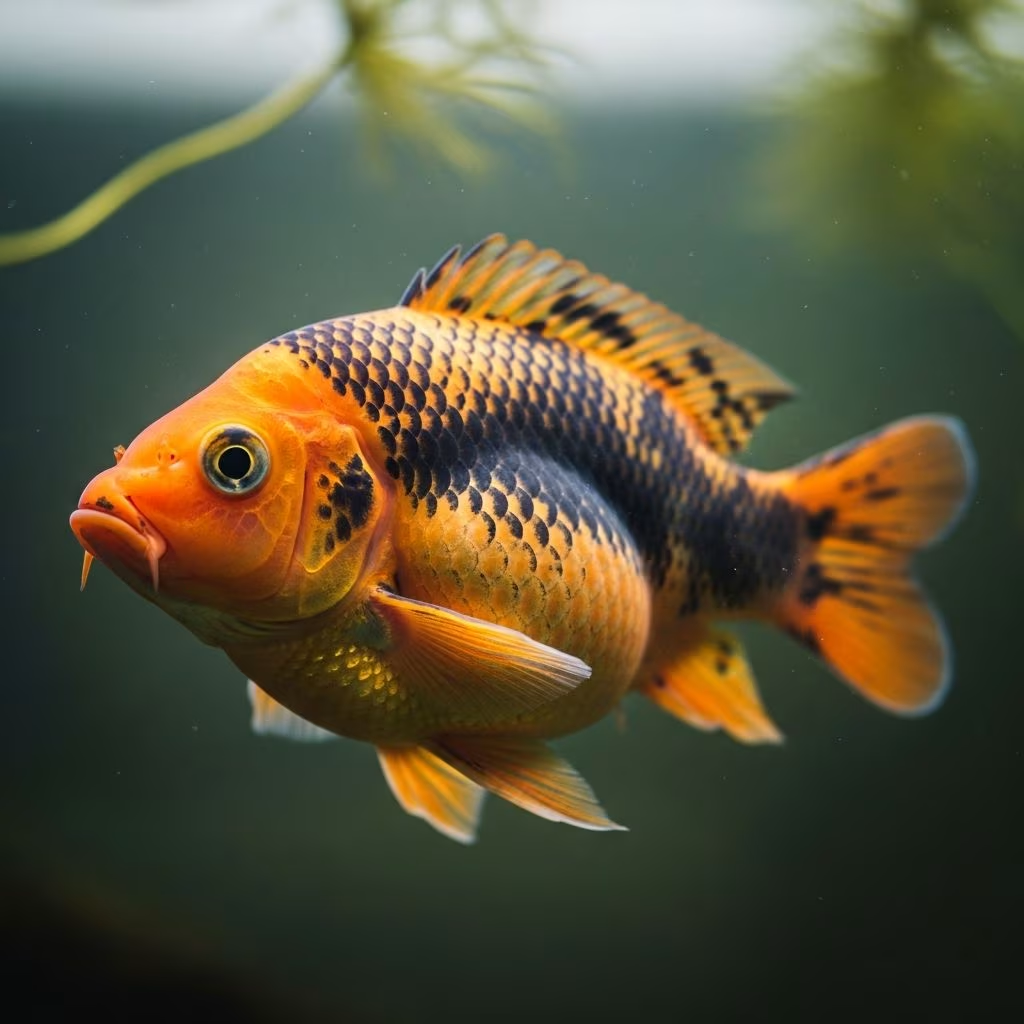
Understanding Dropsy, Edema, and Malawi Bloat in Aquarium Fish
Dropsy represents one of the most serious conditions affecting aquarium fish, yet it remains widely misunderstood by both novice and experienced aquarists. Rather than being a disease itself, dropsy functions as a clinical sign of a serious underlying systemic illness, typically a bacterial infection affecting the kidneys and other critical internal organs. When fish develop dropsy, their bodies accumulate excessive fluid in the body cavity, resulting in the characteristic swollen abdomen and raised scales that give the condition its other common name: pine cone disease. Understanding this distinction proves crucial for effective treatment and management.
Related conditions such as edema and Malawi bloat share similar presentations but may originate from different causative agents. Edema refers to the abnormal accumulation of fluid in body tissues, while Malawi bloat specifically affects African cichlid species and often stems from parasitic infections. Recognizing these distinctions helps aquarists implement appropriate treatment protocols and improve survival outcomes.
What Causes Dropsy and Related Conditions?
Dropsy most commonly develops as a secondary response to systemic bacterial infections, with opportunistic bacteria such as Aeromonas species playing a primary role. However, the condition can arise from multiple underlying causes, making diagnosis challenging without laboratory analysis.
Primary Causative Factors
Systemic Bacterial Infections represent the most common cause of dropsy in aquarium fish. These infections overwhelm the fish’s immune system and damage vital organs, particularly the kidneys, leading to fluid accumulation and the characteristic swollen appearance.
Parasitic Infections can also trigger dropsy symptoms. The protozoan parasite Hexamita, responsible for hole-in-the-head disease, occasionally produces dropsy alongside its typical symptoms of white, stringy feces and erosion of sensory pits on the head and flanks. This parasite primarily affects cichlids and marine perciform fish such as tangs and damselfish. Unfortunately, by the time dropsy develops from Hexamita infection, the prognosis becomes generally poor.
Malawi Bloat specifically affects African cichlids and typically results from parasitic or bacterial infections specific to these species. The condition creates pronounced abdominal swelling and bloating, which can progress rapidly without intervention.
Contributing Environmental Factors
Fish develop dropsy most readily when their immune systems are compromised by environmental stressors. These factors include:
- Poor water quality and unstable water parameters
- Chronic stress from overcrowding or incompatible tankmates
- Inadequate nutrition or poor-quality foods
- Temperature fluctuations or excessively cold water
- Internal organ damage from previous parasitic or bacterial infections
While dropsy itself is not contagious between fish, the underlying bacterial infections may persist in the aquarium environment and affect other stressed or immunocompromised fish.
Recognizing Dropsy Symptoms
Early detection significantly improves treatment success rates. Aquarists should monitor their fish carefully for the following clinical signs:
Physical Symptoms
- Pronounced abdominal swelling giving the fish a bloated appearance
- Scales that flare outward instead of lying flat against the body, creating a pine cone-like appearance
- Eyes that swell and bulge from their sockets (popeye condition)
- Skin lesions or fin rot as the disease progresses
- Pale or discolored gills
Behavioral Symptoms
- Refusal to eat or loss of appetite
- Swimming near the water surface or gasping for air
- Listlessness and reduced activity levels
- Flashing or rubbing against tank decorations
- Clamped fins held tightly against the body
- Positioning in corners of the tank with reduced mobility
As the disease progresses, fish may develop additional complications including kidney or liver damage, fin rot, and complete loss of appetite. Without prompt intervention, mortality becomes increasingly likely.
Diagnostic Approaches
Definitive diagnosis of dropsy’s underlying cause requires professional veterinary assessment. Diagnostic methods include:
- Microscopic examination of fluid or tissue samples
- Bacterial culture to identify specific pathogens
- Water parameter testing to identify contributing environmental stressors
- Necropsy (post-mortem examination) when fish do not survive
Because the causative organism often remains unknown without these tests, effective treatment typically involves addressing multiple potential causes simultaneously through a comprehensive, multi-pronged approach.
Treatment Strategies for Dropsy
Successful dropsy treatment depends on early detection and immediate intervention. Although prognosis remains guarded even with aggressive treatment, some fish do recover when the disease is caught early and comprehensive care protocols are implemented.
Immediate Management Steps
Hospital Tank Setup forms the foundation of treatment. Immediately move the affected fish to a separate hospital tank to prevent potential spread of pathogens and to maintain optimal water conditions without interference from other tank inhabitants. The hospital tank should be equipped with gentle filtration, heaters for temperature control, and hiding spaces to reduce stress.
Salt Treatment represents one of the most effective initial interventions. Salt helps restore the osmotic balance within the fish’s body and facilitates the removal of excess fluid causing the swelling. Add one teaspoon of aquarium salt per gallon of water to the hospital tank. Some aquarists recommend adding two teaspoons of Epsom salt per gallon in addition to aquarium salt for enhanced osmotic effects. Perform regular partial water changes (typically 25-30% weekly) and add salt with each water change to maintain consistent concentrations.
Temperature Adjustment supports immune function and inhibits bacterial multiplication. Gradually raise the water temperature to the mid to high 20s Celsius (approximately 81-86 degrees Fahrenheit or 27-29 degrees Celsius). Maintain this elevated temperature consistently throughout treatment, as temperature fluctuations stress the fish further.
Nutritional Support
Fish that continue eating often show improved recovery rates. Provide high-quality foods including live foods, frozen foods appropriate to the species, and medicated fish foods specifically formulated to combat bacterial infections. High-quality nutrition bolsters immune function and provides energy for recovery. If the fish stops eating completely, progression typically indicates a poor prognosis.
Antibiotic Therapy
When dietary and environmental interventions prove insufficient, antibiotic therapy becomes necessary. Treatment selection depends on the suspected causative organism:
For Bacterial Infections: Broad-spectrum antibiotics effective against gram-negative bacteria are recommended. Common options include erythromycin, minocycline, Maracyn-Two, KanaPlex, or Amoxicillin. Larger fish species such as cichlids and goldfish respond better to antibiotic treatment than smaller species. Administer antibiotics either through medicated food (preferred if the fish continues eating), water baths at appropriate concentrations, or by injection for valuable fish species under veterinary guidance. Follow all medication instructions carefully regarding dosage and duration.
For Hexamita Infections: When hole-in-the-head disease with concurrent dropsy is suspected, metronidazole represents the treatment of choice. However, prognosis becomes poor once dropsy develops from this parasitic infection.
For Malawi Bloat: Metronidazole serves as the standard treatment for this cichlid-specific condition. If the fish continues eating, metronidazole-dosed foods can be utilized. Alternatively, doses of up to 50 mg per gallon can be added directly to the water, though this method proves less effective than food delivery.
Supportive Care
Beyond pharmacological intervention, comprehensive supportive care maximizes recovery potential:
- Maintain optimal water parameters with regular testing
- Perform partial water changes at least weekly
- Ensure adequate aeration to support oxygen levels
- Maintain stable temperatures without fluctuations
- Minimize stress by providing hiding spaces and reducing disturbances
- Monitor the fish daily for signs of improvement or deterioration
Treatment Timeline and Recovery Expectations
Treatment responses vary considerably depending on dropsy severity, fish species, and underlying cause. If treatment is started when only mild swelling appears behind the head, some fish may recover with salt baths and improved nutrition alone. More advanced cases require antibiotics and extended hospitalization.
Maintain treatment for a minimum of 7-14 days depending on the specific medication used. If no improvement appears after 3 days of antibiotic treatment, consider switching to an alternative broad-spectrum antibiotic. Once swelling visibly decreases, begin gradually reducing salt concentrations during water changes rather than stopping abruptly. Continue treatment until the fish behaves and eats normally for several weeks before returning it to the main aquarium.
Prevention: The Most Effective Strategy
Because dropsy and Malawi bloat prove so difficult to treat successfully, prevention represents the most effective approach to managing these serious conditions.
Water Quality Management
Optimizing water chemistry and quality forms the cornerstone of disease prevention. Maintain consistent temperature within the appropriate range for your fish species, perform regular partial water changes (typically 25-30% weekly), and ensure efficient filtration removes excess waste products and maintains appropriate oxygen levels. Test water parameters regularly for ammonia, nitrite, nitrate, pH, and hardness, maintaining values within acceptable ranges for your specific fish species.
Nutritional Excellence
Provide appropriate, high-quality foods specifically formulated for your fish species. Avoid overfeeding, which degrades water quality and stresses fish. Offer varied diets including quality flake foods, pellets, frozen foods, and live foods as appropriate to maintain optimal nutrition and support immune function.
Population Management
Avoid overcrowding, which creates chronic stress and compromises immune systems. Research appropriate stocking densities for your tank size and fish species. Maintain compatible tankmates to minimize aggressive interactions and associated stress.
Quarantine Protocols
Quarantine all newly acquired fish in a separate tank for 2-4 weeks before introducing them to established aquariums. This practice prevents introducing pathogens that could compromise the health of existing fish. Observe new fish carefully for any signs of disease during this quarantine period.
Regular Maintenance
Perform consistent filter maintenance, clean decorations and substrate appropriately, and remove uneaten food promptly. These routine maintenance tasks prevent pathogenic bacteria accumulation and maintain optimal water conditions.
Special Considerations by Fish Species
Different fish species show varying susceptibility to dropsy and related conditions. Goldfish and cichlids, particularly African cichlids, show especially high incidence of these diseases. Bettas and other small fish species may develop dropsy but often show poorer treatment responses than larger species. Marine fish such as tangs and damselfish can develop dropsy, particularly from Hexamita infections.
When to Consider Euthanasia
Despite best efforts, some fish with advanced dropsy will not recover. If after 7-14 days of aggressive treatment the fish shows no improvement, refuses all food, exhibits severe distress, or develops secondary complications such as severe fin rot, humane euthanasia may represent the most compassionate option to prevent prolonged suffering.
Frequently Asked Questions
Q: Is dropsy contagious to other fish?
A: Dropsy itself is not contagious, but the underlying bacterial infections may be present in the aquarium environment and can affect other stressed or immunocompromised fish. Proper quarantine and water quality management minimize transmission risks.
Q: Can dropsy be cured?
A: Some fish recover from dropsy when treatment begins early and involves comprehensive care including salt baths, antibiotics, optimal water conditions, and supportive nutrition. However, prognosis remains guarded, and many fish do not survive despite aggressive treatment.
Q: How long does dropsy treatment take?
A: Treatment typically requires 7-14 days minimum, depending on the antibiotic used and disease severity. Some fish may require several weeks of hospitalization before returning to the main tank.
Q: What is the difference between dropsy and Malawi bloat?
A: Dropsy is a general condition affecting various fish species from systemic bacterial infections, while Malawi bloat specifically affects African cichlids and typically results from parasitic or species-specific bacterial infections. Treatment approaches differ accordingly.
Q: Can I use regular table salt for dropsy treatment?
A: No, use only aquarium salt specifically formulated for fish. Table salt contains additives and iodine harmful to fish. Epsom salt (magnesium sulfate) can complement but not replace aquarium salt.
Q: Should I return a recovered fish to the main tank?
A: Yes, but only after the fish has eaten and behaved normally for several weeks post-recovery and you have gradually reduced salt concentrations. Ensure main tank conditions are optimal before reintroduction.
References
- Dropsy (Edema), Malawi Bloat And Similar Syndromes — Chewy Education. Accessed November 28, 2025. https://www.chewy.com/education/fish/general/dropsy-edema-malawi-bloat-and-similar-syndromes
- Dropsy — Tree of Life Exotic Pet Medical Center. Accessed November 28, 2025. https://treeoflifeexotics.vet/education-resource-center/for-clients/fish/dropsy
- Treating and Preventing from Dropsy at Pond Fish — Velda. Accessed November 28, 2025. https://www.velda.com/pond-fish/diseases/dropsy/



