

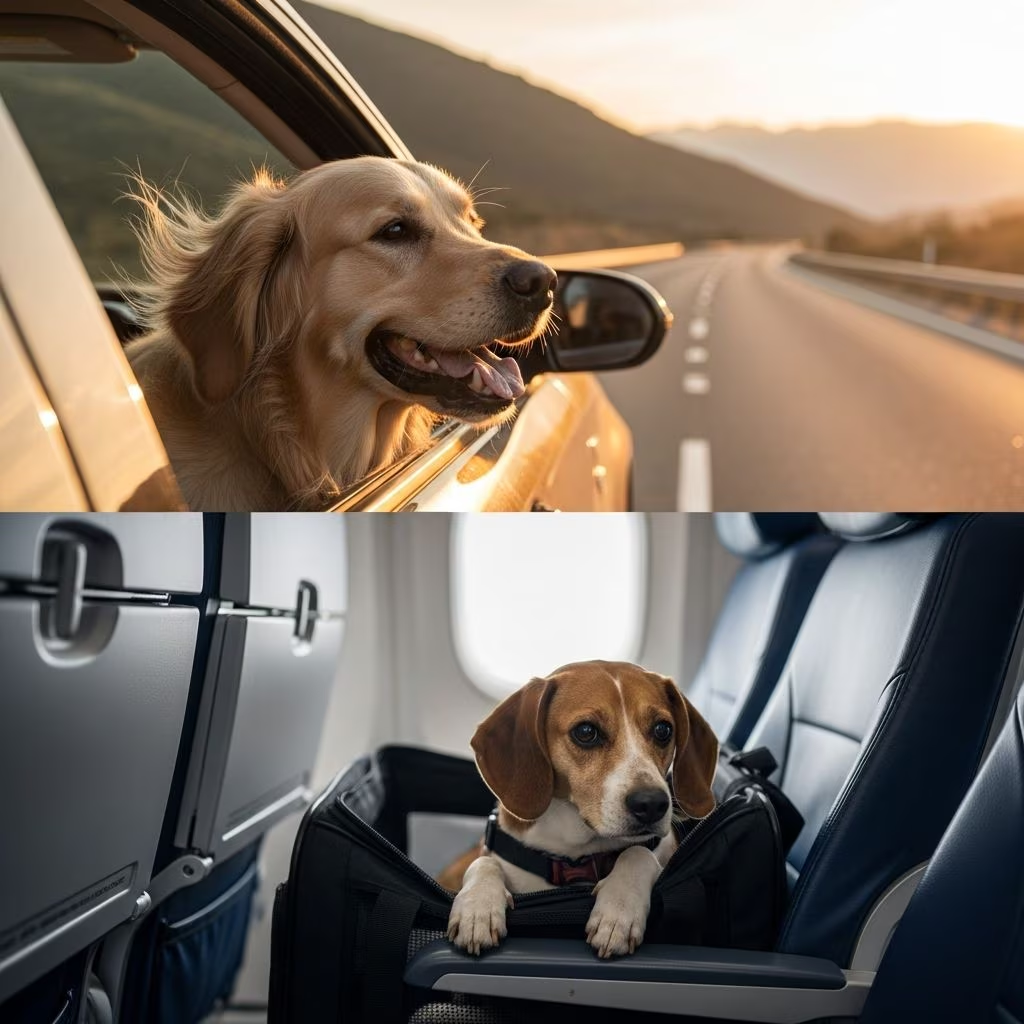
Relocating with your dog over hundreds or thousands of miles requires careful planning to ensure their safety and comfort. The two primary options—driving or flying—each offer unique benefits and challenges, depending on distance, your dog’s health, breed, and temperament. Ground travel provides flexibility and constant supervision, while air travel excels in speed for cross-country or international moves. This guide breaks down the key factors to help you decide.
Understanding Your Dog’s Travel Needs
Before choosing a method, assess your dog’s individual profile. Age, size, breed, and anxiety levels play crucial roles. Senior dogs or those with medical conditions often thrive better on the road, where you control the pace and environment. Brachycephalic breeds like Bulldogs or Pugs face higher risks in air travel due to breathing difficulties at altitude.
Healthy, crate-trained younger dogs may handle flights well, especially if under airline weight limits for cabin travel. Test your dog’s tolerance with short trips first. Consult a veterinarian for a travel fitness check, including vaccinations and health certificates required for both options.
Pros and Cons of Driving Your Dog Long Distances
Driving allows full control over the journey, making it ideal for medium distances (under 1,000 miles) or pets who dislike confinement.
Advantages of Road Trips
- Personal Oversight: You’re always present to monitor for distress, provide breaks, and adjust as needed.
- Fewer Restrictions: No breed bans or size limits; accommodate any dog comfortably.
- Cost Savings: Gas, lodging, and food often total less than air fees for solo trips.
- Flexibility: Stop for walks, play, or vet visits anytime, reducing motion sickness.
Drawbacks to Consider
- Time Commitment: Cross-country drives span days, risking driver fatigue.
- Weather and Road Risks: Extreme heat, storms, or accidents can endanger your pet.
- Logistics: Secure your dog in a crate or harness to prevent distractions.
For safety, use crash-tested crates or harnesses, never let your dog roam freely, and plan pet-friendly hotels.
Evaluating Air Travel for Your Dog
Flying shines for trips over 1,500 miles or international relocations, cutting transit time dramatically.
Benefits of Flying
- Speed: Reach destinations same-day, minimizing overall stress for adaptable dogs.
- Professional Handling: Airlines adhere to strict protocols; services offer door-to-airport transport.
- Cabin Options: Small dogs (under 20-40 lbs with carrier) fly under the seat.
Challenges and Risks
- Restrictions: Many airlines ban brachycephalic breeds or limit cargo pets; Southwest prohibits checked dogs.
- Stress Factors: Airport noise, loading, and altitude changes unsettle sensitive pets.
- Extra Costs: Fees ($100-$500+), crates, and docs add up.
Book direct flights, arrive early for acclimation, and use IATA-approved crates. Some airlines like Cunard allow pets on cruises as a hybrid sea option, but it’s rare.
Cost Breakdown: Driving vs. Flying
Expenses vary by distance, pet size, and services. Here’s a comparison table for a 2,000-mile move (estimates in USD):
| Category | Driving (DIY) | Driving (Professional) | Flying (Cabin) | Flying (Cargo) |
|---|---|---|---|---|
| Base Transport | $300-600 (gas) | $2,000-4,000 | $200-500 fee | $500-1,500 fee |
| Accommodations/Extras | $400-800 (hotels/food) | Included | $100-300 (crate/docs) | $300-700 (crate/docs) |
| Total Estimate | $700-1,400 | $2,000-4,000 | $300-800 | $800-2,200 |
| Time | 3-5 days | 3-5 days | 1 day | 1 day |
Professional ground services include 24/7 supervision and photos, justifying higher costs for peace of mind. Air totals rise with large dogs or connections.
Professional Ground Transport: A Superior Alternative
For hands-off moves, hire specialized pet transporters. They use climate-controlled vans with two-driver teams for non-stop care, walks, and overnight stays. Ideal for anxious, elderly, or restricted breeds, this door-to-door service spans the contiguous US or Canada.
- Constant monitoring prevents issues like dehydration or panic.
- Custom diets, meds, and exercise tailored to your dog.
- Often cheaper than air for mid-range distances when factoring hidden fees.
Services like Happy Tails or Your Dog Butler vet drivers and provide real-time updates.
Safety Protocols for Every Journey
Prioritize welfare regardless of method. Secure pets in vehicles with crates. For flights, microchip, vaccinate, and sedate only if vet-approved—most experts advise against it. Pack essentials: food, water, meds, toys, waste bags, and records.
Preparation Timeline
- 4-6 Weeks Out: Vet exam, update shots, get health cert.
- 2-4 Weeks: Acclimate to crate, practice car rides/flights.
- 1 Week: Book transport, confirm pet policies.
- Day Before: Fast if flying, exercise well.
Special Cases: Puppies, Seniors, and Multi-Pet Moves
Puppies adapt quickly but need frequent potty breaks—favor driving. Seniors benefit from ground’s gentle pace. For multiples, ground transport handles groups efficiently. International moves mandate air but require quarantine prep.
Frequently Asked Questions (FAQs)
Is it safer to drive or fly with my dog?
Safety depends on circumstances; ground offers supervision, air provides speed with regulations. Assess breed and health.
Can all dogs fly in the cabin?
No, only small ones under 20-40 lbs total. Larger go cargo, with breed limits.
How do I reduce travel stress?
Use familiar bedding, pheromone sprays, and short trials. Professional services excel here.
What’s the best for a 3,000-mile move?
Flying for time, ground pros for care—compare costs.
Are there pet cruises?
Limited; Queen Mary 2 offers kennels from NY to UK.
Final Thoughts on Choosing Wisely
No one-size-fits-all; match the method to your dog’s needs and your schedule. Ground transport often wins for stress reduction, air for efficiency. Always prioritize accredited services and vet advice for a smooth adventure.
References
- Best Travel Option for my Pet: Air Travel or Long-Distance Ground Transport — Happy Tails Travel. 2023. https://www.happytailstravel.com/pet-travel-tips/blog/best-travel-option-for-my-pet-air-travel-or-long-distance-ground-transport
- 4 Methods of Pet Transport to Consider When Moving — My Pet Cab. 2023. https://www.mypetcab.com/blog/4-methods-of-pet-transport-to-consider-when-moving
- Ground Vs. Air Pet Transport: Which Is Best For Moving? — Your Dog Butler. 2024. https://yourdogbutler.com/blog/ground-vs-air-pet-transport/
- How Do You Transport Pets Long Distance? — World Care Pet. 2025-05-08. https://worldcarepet.com/2025/05/08/how-do-you-transport-pets-long-distance/
- Flying vs. Driving with Pet — AirPets International. 2023. https://airpetsinternational.com/flying-vs-driving-with-pet/
- The Safest Way to Travel with Dogs — Animal Humane Society. 2023. https://www.animalhumanesociety.org/resource/safest-way-travel-dogs



