

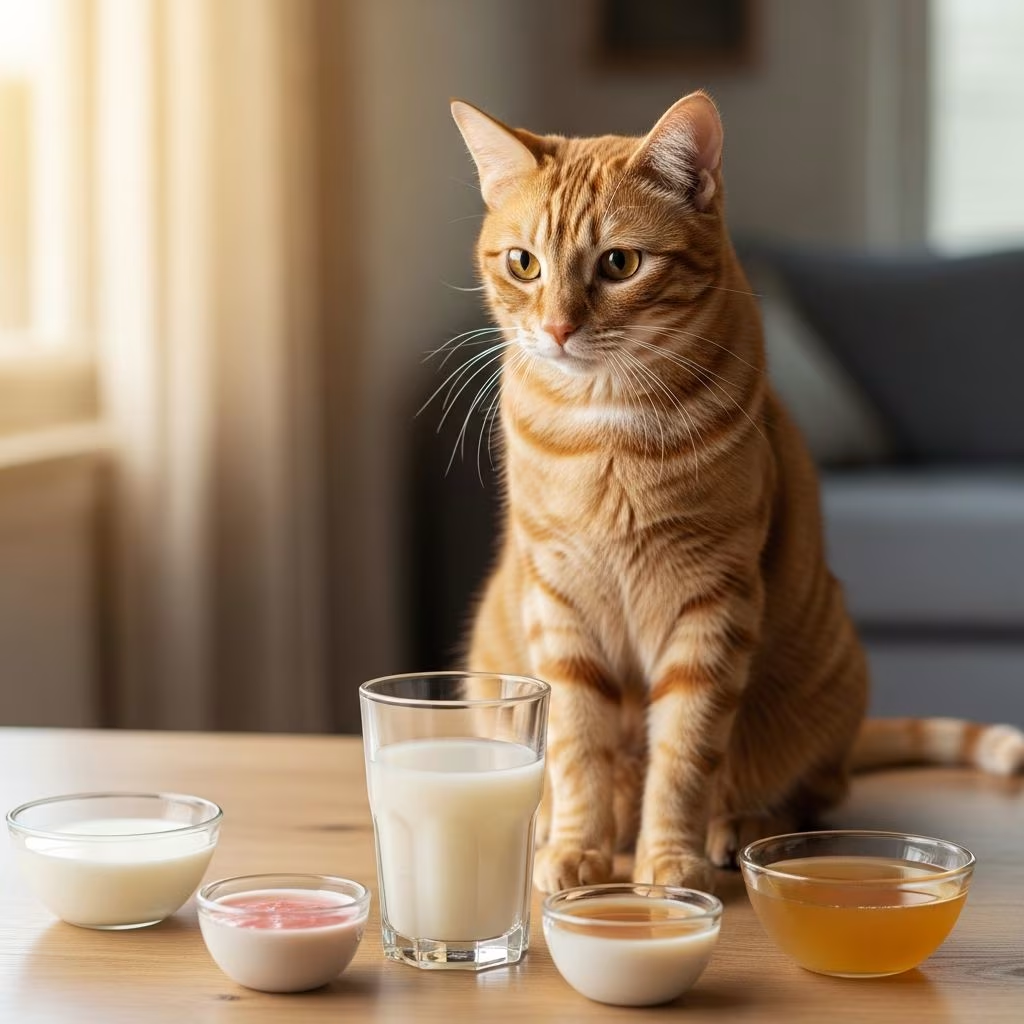
Cats are obligate carnivores with unique dietary needs, and while water remains the cornerstone of their hydration, certain alternatives can provide variety and encourage fluid intake, especially for picky drinkers or those with health issues. This guide covers the three vet-approved non-water drinks safe for cats in moderation: goat’s milk, cantaloupe water, and broth. We’ll also explore drinks to avoid and tips for keeping your cat hydrated.
The 3 Non-Water Drinks That Are Safe for Cats
Due to cats’ sensitive digestive systems, which lack the enzymes to process many human foods and beverages, water is the only completely safe daily option. However, in small amounts and occasionally, the following three drinks are vet-recommended as treats to boost hydration without harm. These options are low in lactose, sugar, and additives that could upset a cat’s stomach or exacerbate conditions like diabetes or urinary tract issues.
1. Goat’s Milk
Popular culture often depicts cats lapping up milk, but cow’s milk is problematic for most adult cats due to lactose intolerance. They produce insufficient lactase enzyme to break down lactose, leading to diarrhea, vomiting, and gas. Goat’s milk offers a safer alternative with lower lactose content—about 30% less than cow’s milk—making it easier to digest.
Goat’s milk is rich in protein, calcium, potassium, and prebiotics that support gut health and reduce intestinal inflammation. It’s particularly beneficial for kittens, seniors, or cats recovering from illness, as it provides hydration plus nutrients without overwhelming their system. Offer it plain, unpasteurized if possible (check for cat-safe brands), and in small quantities: 1-2 tablespoons per day for an average adult cat, diluted with water if needed.
Benefits of Goat’s Milk for Cats:
- Lower lactose levels reduce digestive upset risk.
- High in electrolytes for rehydration.
- Supports bone health with natural calcium.
- Probiotic properties aid digestion.
Always introduce gradually and monitor for allergies. Consult your vet, especially for cats with dairy sensitivities.
2. Cantaloupe Water
Cantaloupe appeals to many cats with its mild, sweet flavor and high water content—89% water—making it an excellent hydrator during hot weather or for finicky drinkers. This melon provides vitamins A, C, and potassium, plus fiber for gentle digestion, without the high sugar load of other fruits.
To prepare cantaloupe water, scoop out the flesh, squeeze the juice into your cat’s water bowl, or mash small chunks (seedless and rind-free) as a treat. Limit to 1-2 small pieces or a splash of juice daily to avoid excess sugar, which could contribute to obesity or diabetes. It’s a refreshing summer snack that encourages voluntary drinking, addressing the common issue of cats not consuming enough fluids, which leads to chronic urinary problems.
Preparation Tips:
- Wash thoroughly and remove skin, seeds, and rind.
- Squeeze fresh juice over water for infusion.
- Store in fridge; use within 24 hours to prevent spoilage.
Avoid other fruits like grapes or citrus, which are toxic or overly acidic.
3. Broth
Low-sodium, cat-safe broth is a flavorful way to increase fluid intake, especially for cats with low appetite due to illness or stress. Chicken, beef, or bone broth made from plain meat (no onions, garlic, salt, or spices) mimics the taste of prey, enticing even reluctant drinkers.
Bone broth stands out for its collagen, glucosamine, and protein, benefiting joint health, digestion, and immunity. Dilute commercial low-sodium versions 50/50 with water, or make homemade by simmering bones for hours and straining. Tuna water from water-packed cans (no salt or oil) is another variant—use sparingly as an occasional treat to avoid mercury buildup.
Serve warm (not hot) in a bowl or poured over food. Start with 1-2 teaspoons daily, scaling up based on your cat’s response. It’s ideal for multi-cat homes or dehydrated seniors.
Other Safe Hydration Boosters
Beyond the top three, consider these vet-supported options in moderation:
- Unsweetened Coconut Water: Electrolyte-rich for rehydration, but limit to 5ml per kg body weight due to potassium content; avoid in kidney disease cases.
- Cat-Specific Milk: Lactose-free formulas designed for felines, safe as treats.
- Water-Rich Veggies: Cucumber or watermelon slices (small amounts) for crunch and moisture.
These should supplement, not replace, fresh water.
Drinks That Are Dangerous for Cats
Many human beverages are toxic or harmful to cats. Keep these strictly out of reach:
Cow’s Milk and Dairy
Most cats over 12 weeks lose lactase production, causing GI distress from undigested lactose.
Alcohol
Even tiny amounts cause intoxication, coma, or death by depressing the central nervous system.
Coffee, Tea, and Caffeine
Caffeine stimulates the heart and nervous system, leading to tremors, seizures, or fatality.
Fruit Juices
High sugar and acidity disrupt digestion; some fruits like grapes are nephrotoxic.
Soda, Energy Drinks, and Electrolyte Beverages
Sugar, salt, caffeine, and artificial additives overload kidneys and cause upset.
Anything Sweetened with Xylitol
Gum, candies, or diet drinks cause hypoglycemia and liver failure.
Vegetable Broth with Onions/Garlic
These Allium plants damage red blood cells.
Toxicity Signs: Vomiting, lethargy, tremors—seek vet care immediately.
How to Encourage Your Cat to Drink More
Cats evolved as desert hunters, sipping sparingly from prey moisture, leading to under-hydration risks like crystals or stones. Tips:
- Fountains: Moving water attracts via instinct.
- Multiple Stations: Clean bowls in quiet spots.
- Wet Food: 70-80% moisture content.
- Flavor Add-Ins: Safe broth or tuna water in bowls.
- Room Temp: Stale or cold water deters.
| Method | Benefits | Hydration Boost |
|---|---|---|
| Running Fountain | Aerates, entices | High |
| Wet Food | Nutritious moisture | Medium-High |
| Broth Topper | Flavorful | Medium |
| Flavored Water | Variety | Low-Medium |
Frequently Asked Questions (FAQs)
What is the best drink for cats?
Fresh water is essential. Supplements like broth or goat’s milk aid picky drinkers.
Can cats drink milk?
Cow’s milk often causes issues; opt for goat’s or cat milk sparingly.
Is coconut water safe for cats?
Yes, unsweetened in tiny amounts for electrolytes, but vet-check for kidneys.
How much broth can I give my cat?
1-2 tbsp diluted daily; monitor intake.
Why won’t my cat drink water?
Use fountains, flavors, or wet food to stimulate.
Can kittens have these drinks?
Goat’s milk yes in moderation; others after weaning. Mother’s milk primary.
References
- What Can Cats Drink Besides Water: A Comprehensive Guide — UAH Pet. 2024. https://www.uahpet.com/blogs/hydration-health/what-can-cats-drink-besides-water-a-comprehensive-guide
- Top 4 Healthy Drinks to Offer Your Cat — Trappy Bites. 2024. https://trappybites.com/en/blog/Drinks%20cats%20love/a-1528424727
- What Can Cats Drink Besides Water? 3 Vet-Approved Options — Catster. 2024. https://www.catster.com/nutrition/drinks-a-cat-can-have-besides-water/
- 7 Yum Drinks For The Cat Mum — Wiggles. 2024. https://www.wiggles.in/blogs/betterpetparenting/7-yum-drinks-for-the-cat-mum
- Cats and Drinking — Cats Protection (official UK cat welfare charity). 2025-01-10. https://www.cats.org.uk/help-and-advice/diet/cats-and-drinking



