

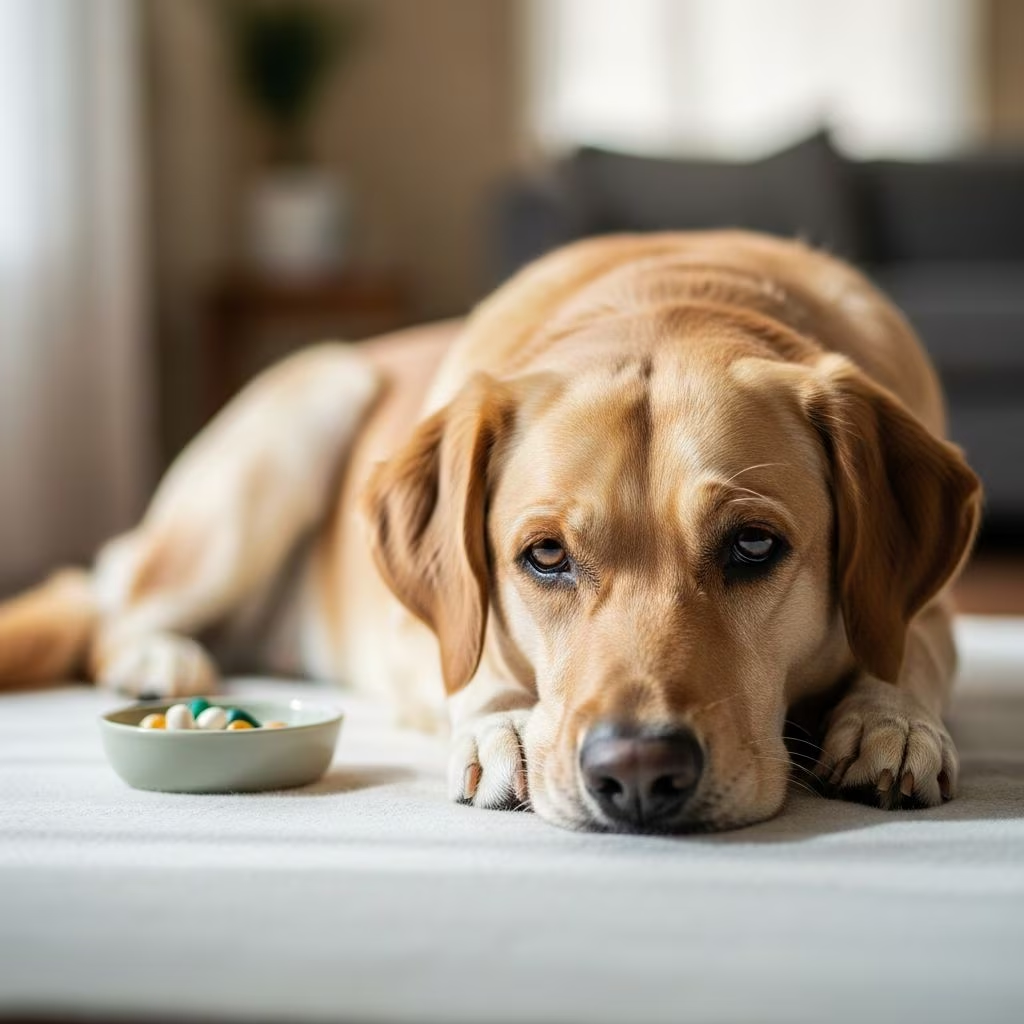
Doxycycline is a widely prescribed tetracycline antibiotic for dogs, effective against bacterial infections, tick-borne diseases, and respiratory issues. While generally well-tolerated, it can cause various side effects ranging from mild digestive upset to severe complications. Understanding these effects helps pet owners administer it safely and recognize when veterinary intervention is needed.
Understanding Doxycycline’s Role in Canine Health
This broad-spectrum antibiotic targets infections like Lyme disease, ehrlichiosis, and urinary tract infections by inhibiting bacterial protein synthesis. Vets often choose it for its oral bioavailability and ability to penetrate tissues effectively. Typical dosages range from 5-10 mg/kg once or twice daily, depending on the condition’s severity. Always follow your vet’s prescription precisely to avoid under- or overdosing.
Dogs metabolize doxycycline primarily through the liver, with excretion via bile and urine. This process influences potential side effects, particularly in animals with pre-existing organ issues. Monitoring is key during treatment courses, which can last 7-30 days or longer for chronic conditions.
Common Gastrointestinal Reactions
The most frequently reported side effects involve the digestive system, affecting up to 18% of treated dogs with vomiting, around 7% with diarrhea, and 2.5% with reduced appetite. These occur because doxycycline irritates the stomach lining, especially when given on an empty stomach.
- Vomiting: Often occurs shortly after dosing; can be mitigated by administering with food.
- Diarrhea: Loose stools may develop due to gut flora disruption; persists if untreated.
- Anorexia: Dogs may refuse food, leading to weight loss if prolonged.
To minimize these, give the medication with a small meal or treat. Oral antacids can further soothe irritation, but consult your vet first. If symptoms intensify, it may signal overdose—contact a vet or pet poison hotline immediately.
Skin and Sunlight Sensitivity Issues
Doxycycline increases photosensitivity, making dogs prone to sunburn on exposed areas like the nose, ears, and eyelids. Light-coated or hairless breeds are at higher risk. Symptoms include redness, blistering, or peeling skin after sun exposure.
Prevention strategies include:
- Limiting outdoor time during peak sun hours (10 AM-4 PM).
- Applying pet-safe sunscreen to vulnerable spots.
- Using protective clothing like dog shirts or hats.
This effect stems from the drug’s interference with skin cell repair under UV light, resolving post-treatment.
Liver Enzyme Elevations and Hepatotoxicity
Blood tests often reveal temporary rises in liver enzymes: 39.4% of dogs show increased ALT and 36.4% elevated ALP during therapy. Older dogs face higher odds of ALT spikes (OR=1.23). While usually reversible, severe cases can progress to jaundice (yellowing of gums, eyes, skin).
| Enzyme | Increase Prevalence | Risk Factors |
|---|---|---|
| ALT | 39.4% | Older age |
| ALP | 36.4% | Higher dose (OR=1.27) |
Vets recommend baseline and follow-up bloodwork for at-risk dogs, such as those with liver disease history. Discontinue if jaundice appears.
Esophageal Complications and Swallowing Difficulties
Pills lodged in the esophagus can cause inflammation, ulcers, scarring, or strictures, leading to swallowing pain or regurgitation. This “dry pilling” risk is higher without water or food chasers.
Best practices:
- Dissolve tablets in food or use liquid formulations.
- Follow each dose with plenty of water via syringe.
- Observe for drooling, gagging, or extended neck post-dose.
If trouble swallowing persists, seek urgent care to prevent permanent damage.
Rare but Serious Adverse Reactions
Less common effects include seizures, bleeding tendencies, behavioral shifts like lethargy or aggression, and ongoing gastric issues.These warrant immediate vet attention, as they may indicate toxicity or interactions with other drugs.
Antibiotic use disrupts the canine microbiome, fostering dysbiosis—imbalanced gut bacteria leading to chronic diarrhea, cramps, or leaky gut. Probiotics can help restore flora during and after treatment.
Dosage, Administration, and Overdose Risks
Standard dosing is weight-based: 5 mg/kg for maintenance, up to 10 mg/kg for acute infections. Overdoses are rare due to the drug’s safety margin but manifest as severe GI distress. Poison control numbers: Pet Poison Helpline (855-764-7661) or ASPCA (888-426-4435).
Allergic reactions, though infrequent, are possible in tetracycline-sensitive dogs—watch for hives, swelling, or breathing issues.
Special Considerations for At-Risk Dogs
Puppies, seniors, and those with liver/kidney impairment need adjusted protocols. Dose-related ALP risks highlight caution with high mg/kg regimens. Pregnant or lactating dogs should avoid it due to potential fetal harm.
- Breeds prone to sensitivity: Those with thin coats (e.g., Whippets) for photosensitivity; brachycephalics for swallowing issues.
- Concurrent meds: Avoid antacids, iron supplements within 2 hours, as they reduce absorption.
Monitoring Your Dog During Treatment
Track daily: appetite, stool consistency, energy, skin condition. Improvement typically shows in 1-2 days; no change or worsening after 48 hours means vet follow-up. Routine bloodwork monitors liver function.
Complete the full course to prevent resistance, even if symptoms resolve early.
Strategies to Minimize Side Effects
- Administer with food/water.
- Supplement with probiotics (e.g., FortiFlora).
- Protect from sun.
- Schedule vet check-ins mid-treatment.
- Use compounded liquids for picky eaters or esophageal risks.
Alternatives to Doxycycline
For intolerant dogs, vets may switch to:
| Alternative | Uses | Pros |
|---|---|---|
| Amoxicillin | UTIs, skin infections | Fewer GI effects |
| Enrofloxacin | Respiratory, urinary | Broad-spectrum |
| Clindamycin | Bone, dental infections | Anaerobe coverage |
Choice depends on culture/sensitivity tests.
Frequently Asked Questions (FAQs)
Can I give doxycycline without food?
No—always pair with meals to reduce nausea and esophageal injury.
How long do side effects last?
Mild GI issues often resolve in 24-48 hours; liver changes normalize post-treatment.
Is doxycycline safe for puppies?
Use caution under 6 months; prefer alternatives if possible due to developing systems.
What if my dog vomits the pill?
Redose only if entire pill seen; otherwise, skip and consult vet.
Does it interact with heartworm preventives?
Generally no, but inform vet of all meds.
When to Seek Emergency Care
Rush to the vet for: blood in vomit/stool, seizures, jaundice, severe lethargy, or breathing distress. Early action prevents complications.
References
- Doxycycline for Dogs: Uses, Side Effects, and Alternatives — American Kennel Club (AKC). 2023. https://www.akc.org/expert-advice/health/doxycycline-for-dogs/
- Doxycycline For Dogs — Dogs Naturally Magazine. 2024. https://www.dogsnaturallymagazine.com/doxycycline-for-dogs/
- Doxycycline – Antibiotic for pets — VCA Animal Hospitals. 2024. https://vcahospitals.com/know-your-pet/doxycycline
- Suspected side effects of doxycycline use in dogs — PubMed (Peer-reviewed). 2011-07-23. https://pubmed.ncbi.nlm.nih.gov/21791480/
- Doxycycline – For Your Dog or Cat — Wedgewood Pharmacy. 2024. https://www.wedgewood.com/medications/doxycycline/
- Doxycycline for Dogs — PetMD. 2024. https://www.petmd.com/pet-medication/doxycycline-for-dogs



