
Doxycycline Shortage and Its Impact on Humans and Pets
Understanding the causes of the doxycycline shortage and exploring treatment alternatives.
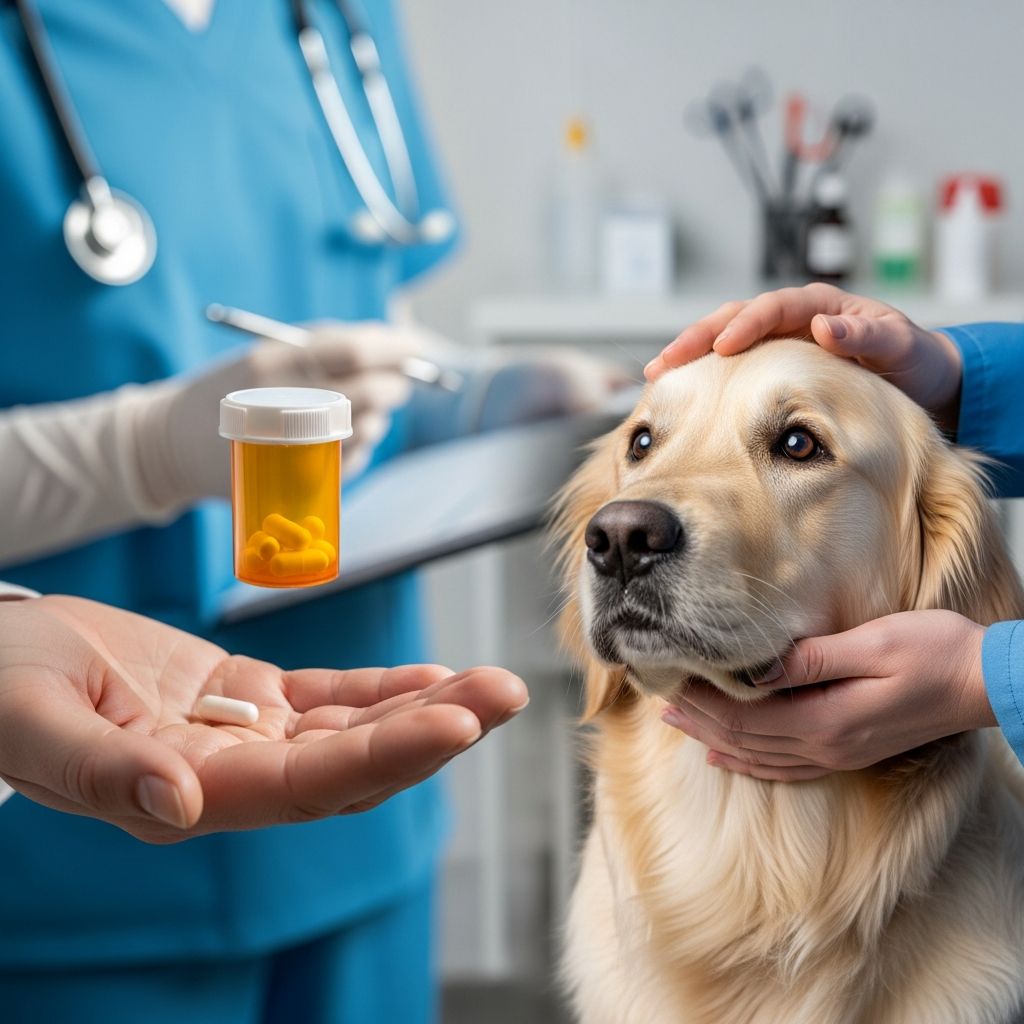
The antibiotic doxycycline has long been a cornerstone of infectious disease management, effectively treating a wide range of conditions from tick-borne illnesses such as Lyme disease to respiratory infections, sexually transmitted diseases, and certain forms of acne. In recent years, however, a nationwide shortage of this medication has created significant hurdles for both humans and their companion animals, prompting clinicians, veterinarians, patients, and pet owners to reexamine how they approach treatment and long-term care.
What Doxycycline Treats and Why Shortages Matter
Doxycycline belongs to the tetracycline class of antibiotics and is prized for its broad spectrum of activity, oral bioavailability, and relatively low cost—when available. It is commonly prescribed for:
- Lyme disease and other tick-borne infections in dogs, humans, and sometimes horses
- Respiratory tract infections such as pneumonia and bronchitis
- Sexually transmitted infections like chlamydia
- Acne and certain skin conditions
- Prophylaxis and treatment for malaria in travelers
Because of its versatility, disruptions in the doxycycline supply chain do not merely inconvenience patients; they can delay or alter treatment plans, increase out-of-pocket costs, and, in some cases, worsen outcomes.
Causes Behind the Doxycycline Shortage
Drug shortages in the United States and other countries often stem from a combination of factors, and the doxycycline crisis is no exception. According to the U.S. Food and Drug Administration (FDA), disruptions can arise from:
- Manufacturing issues, including production delays and quality control problems at facilities
- Supply chain interruptions in raw materials or active pharmaceutical ingredients
- Unexpected increases in demand, especially in regions with outbreaks of tick-borne diseases
- Business decisions by manufacturers, such as discontinuation or consolidation of product lines
For doxycycline, heightened demand—driven in part by rising Lyme disease incidence and broader use in outpatient and hospital settings—has collided with production bottlenecks. When several manufacturers experience capacity limits or compliance issues, the market can quickly move from balanced supply to acute scarcity.
The FDA maintains a Drug Shortages database, where it tracks and updates the status of medications in short supply. When doxycycline appears on this list, it signals that the agency is actively coordinating with manufacturers to mitigate the impact, but it does not guarantee an immediate fix.
Price Surges and Economic Pressure
As supply dwindles and demand remains steady or grows, prices inevitably rise. Pharmacoeconomic analyses have shown that doxycycline generics have experienced some of the steepest price increases among commonly used antibiotics over the past several years. Reports from industry and consumer sources indicate that:
- The price of 100 mg capsules has increased by thousands of percent over a year at certain points in the crisis.
- Lower-dose formulations intended for pediatric or sensitive patients have also seen substantial markups.
- In some veterinary settings, the cost of a single bottle has increased from tens of dollars to hundreds.
For human patients, higher prices can translate into skipped doses, incomplete courses of therapy, or delays in starting treatment. For pet owners, especially those caring for large animals like horses that require significantly larger cumulative doses, the cost spike can be prohibitive. Without insurance coverage for many veterinary medications, these price jumps are often borne directly by the client.
Impact on Human Patients
For individuals facing diagnoses such as Lyme disease, chlamydia, or certain respiratory infections, the absence of affordable doxycycline can be medically and emotionally taxing. Consider a scenario where:
- A patient accustomed to paying a few dollars for a 60-day supply suddenly faces a triple-digit out-of-pocket cost at the pharmacy.
- Patients in rural or low-income areas may have to travel long distances or switch pharmacies repeatedly in search of stock.
- Individuals without insurance may forego or cut short their prescriptions, increasing the risk of incomplete eradication of the infection and potential complications.
These dynamics are not merely theoretical; patient advocacy groups and public health organizations have documented cases where patients struggled to access necessary treatment during the shortage, in some instances leading to prolonged or recurrent symptoms.
Effects on Pets and Veterinary Practice
The impact extends beyond human medicine. Veterinarians frequently rely on human formulations of doxycycline to treat pets, especially dogs and horses, because no separate veterinary version is required for many indications. When shortages hit, veterinary practices scramble to adapt.
Challenges include:
- Difficulty securing sufficient quantities for multi-week courses, particularly for large animals.
- Increased reliance on alternative antibiotics, which may be more expensive or less convenient (for example, injectable vs. oral formulations).
- Trouble finding palatable or appropriately dosed forms for cats and small dogs, leading some clinicians to turn to compounding pharmacies.
Unfortunately, compounding is not without risk. Studies have shown that some compounded antimicrobial formulations, including doxycycline, can lose potency within weeks of preparation, dropping below the levels required for therapeutic effect. This raises concerns about underdosing and the potential for antimicrobial resistance or treatment failure.
Alternatives and Workarounds
When doxycycline is unavailable or unaffordable, clinicians and veterinarians must consider alternatives while balancing efficacy, safety, and cost. Common options include:
- Minocycline and other tetracycline-class antibiotics, which may be effective but are often more expensive and carry distinct side effect profiles.
- Macrolides (e.g., azithromycin) for certain infections, though they are not interchangeable with doxycycline for all indications.
- Beta-lactam antibiotics (e.g., amoxicillin, cephalosporins) for some tick-borne infections, especially in early-stage Lyme disease.
- Other antibiotic classes tailored to specific organisms based on culture and sensitivity or local guidelines.
In animals, veterinarians may also adjust dosing strategies, prolong treatment intervals, or combine newer diagnostics with more targeted therapies. For example, in some Lyme-endemic regions, veterinarians may pair serological testing with more selective antibiotic use to minimize unnecessary exposure while still protecting at-risk dogs.
Regulatory and Industry Responses
Regulatory agencies and manufacturers play a critical role in addressing shortages. The FDA:
- Monitors and publicizes shortage information through its Drug Shortages database.
- Works with manufacturers to resolve quality issues and resume production.
- Facilitates importation or alternative sourcing when appropriate, within regulatory limits.
Manufacturers that continue to supply doxycycline during a shortage may see increased sales and margins, but this can also attract scrutiny regarding pricing practices. In the past, some companies have faced public criticism for dramatically raising prices during periods of scarcity, prompting calls for greater transparency and policy interventions.
At the same time, the shortage has accelerated interest in diversifying supply chains and investing in domestic manufacturing capacity to reduce dependence on a small number of global producers.
Practical Steps for Patients and Pet Owners
During a shortage, proactive planning can make a meaningful difference. Patients and pet owners can:
- Ask their healthcare or veterinary provider about alternative medications that are currently available.
- Discuss the availability of generic or different brand formulations, which may vary by pharmacy.
- Inquire about manufacturer or pharmacy assistance programs that may reduce out-of-pocket costs.
- Verify the total number of days’ supply needed and avoid stockpiling, which can exacerbate shortages for others.
- Ensure timely refills and communication with clinicians if a different antibiotic is proposed, especially if there are concerns about allergies, side effects, or drug interactions.
For pet owners, it can also be helpful to:
- Explore whether a lower-cost alternative can be used under close veterinary supervision.
- Consider splitting larger tablets or using liquid formulations when appropriate and available.
- Ask about compounding only from reputable pharmacies that test potency and comply with regulatory standards.
FAQs on the Doxycycline Shortage
What is doxycycline used for?
Doxycycline is an antibiotic used to treat bacterial infections such as Lyme disease, respiratory tract infections, sexually transmitted infections, and certain skin conditions. It is also used to prevent malaria in travelers.
Why is there a shortage of doxycycline?
The shortage is due to a combination of increased demand, manufacturing and quality issues at some facilities, and supply chain disruptions. When several manufacturers face production problems simultaneously, the market can quickly become tight.
Is doxycycline currently on the FDA shortage list?
The status changes over time. The FDA maintains an updated list on its Drug Shortages page. Patients and prescribers should check this database for the most current information.
Are there safe alternatives to doxycycline?
Yes. Depending on the diagnosis, alternatives such as minocycline, other tetracyclines, macrolides, or beta-lactam antibiotics may be used. A healthcare or veterinary professional should decide which option is appropriate.
Can I use human doxycycline for my pet?
Human formulations are sometimes used in veterinary medicine, but only under a veterinarian’s guidance. Dosing and safety must be tailored to the species, weight, and underlying health conditions.
What should I do if I can’t afford doxycycline?
Talk to your clinician or pharmacist. They may know of lower-cost generics, alternative medications, or assistance programs. Avoid stopping or altering doses without medical advice, as incomplete treatment can lead to complications.
Looking Ahead: Resilience in the Face of Disruptions
While shortages of essential medications like doxycycline are distressing, they also highlight the need for resilient healthcare and veterinary systems. Policymakers, regulators, manufacturers, and clinicians are increasingly focused on:
- Improving visibility into supply chains and early warning systems for shortages.
- Strengthening quality control and diversifying manufacturing sites.
- Supporting research into alternative therapies and stewardship programs that reduce unnecessary antibiotic use.
- Enhancing communication between providers, patients, and the public during crises.
For patients and pet owners, staying informed, communicating openly with healthcare and veterinary teams, and understanding the available options are key steps in navigating these challenges. The doxycycline shortage is a reminder that even common, relatively inexpensive medications can become scarce—and that preparedness and flexibility are essential parts of modern medical care.
References
- FDA Drug Shortages — U.S. Food and Drug Administration. Updated regularly. https://www.fda.gov/drugs/drug-safety-and-availability/drug-shortages
- Doxycycline: Loss of Potency During Storage — Journal of the American Veterinary Medical Association, published via CABI News. 2020. https://www.cabidigitallibrary.org/do/10.5555/collection-news-64991/full/
- Cost spike of doxycycline has created sticker shock for pet owners — FiercePharma (citing Drug Channel Institute and Poughkeepsie Journal). 2014. https://www.fiercepharma.com/financials/cost-spike-of-doxycycline-has-created-sticker-shock-for-pet-owners
Similar Articles








Read full bio of Sneha Tete


