

Understanding Kennel Cough and When Antibiotics Become Necessary
Kennel cough, formally known as canine infectious respiratory disease complex (CIRDC), represents one of the most common respiratory conditions affecting dogs across all age groups and breeds. This highly contagious condition can develop rapidly in dogs exposed to crowded environments such as boarding facilities, shelters, dog parks, and grooming salons. While many cases of kennel cough are caused by viral agents and may resolve without pharmaceutical intervention, certain situations demand antibiotic therapy to prevent complications and accelerate recovery.
The decision to prescribe antibiotics, particularly doxycycline, depends largely on several clinical factors. Veterinarians typically consider the severity of symptoms, the dog’s overall health status, age, and immune function when determining whether antibiotic therapy is warranted. Dogs exhibiting signs of secondary bacterial infection—such as green-yellow nasal discharge, lethargy, decreased appetite, or fever—are prime candidates for antibiotic treatment. Similarly, dogs showing signs of progression toward pneumonia or other serious complications receive antibiotic intervention more readily than those with mild, uncomplicated cases.
What Makes Doxycycline an Effective Choice for Respiratory Infections
Doxycycline belongs to a class of antibiotics called tetracyclines and has become one of the most frequently prescribed medications for treating bacterial components of kennel cough in dogs. This broad-spectrum antibiotic demonstrates excellent efficacy against Bordetella bronchiseptica, the primary bacterial pathogen responsible for many cases of kennel cough. The antibiotic’s effectiveness extends to other bacteria commonly involved in respiratory infections, making it a versatile option for veterinarians treating complicated cases.
The particular advantage of doxycycline lies in its ability to penetrate lung tissue effectively, achieving therapeutic concentrations in the respiratory tract where infection occurs. This characteristic allows the medication to reach bacteria embedded in the airways and alveoli, providing superior treatment outcomes compared to some alternative antibiotics. Additionally, doxycycline demonstrates activity against atypical organisms such as Mycoplasma species, which can contribute to prolonged respiratory disease in dogs.
The pharmacokinetic profile of doxycycline also contributes to its popularity among veterinarians. The antibiotic exhibits a relatively long half-life in canine patients, allowing for convenient once-daily or twice-daily dosing schedules that improve compliance and reduce the burden on pet owners managing their dog’s medication regimen.
Dosage Protocols and Administration Guidelines
Standard doxycycline dosing for treating kennel cough in dogs typically follows a protocol of 5 milligrams per kilogram of body weight, administered orally every 24 hours. This dosage has been established through clinical experience and demonstrates effectiveness in combating bacterial respiratory infections without causing undue adverse effects in most canine patients. For example, a 20-kilogram dog would receive approximately 100 milligrams of doxycycline daily.
The typical treatment duration spans 5 to 10 days, depending on the severity of infection and the individual dog’s response to therapy. Some veterinarians may extend treatment beyond this timeframe in cases involving severe respiratory compromise or secondary complications such as pneumonia. Shorter courses—sometimes as brief as 5 days—have been employed in prophylactic settings within high-risk environments such as animal shelters experiencing outbreak conditions.
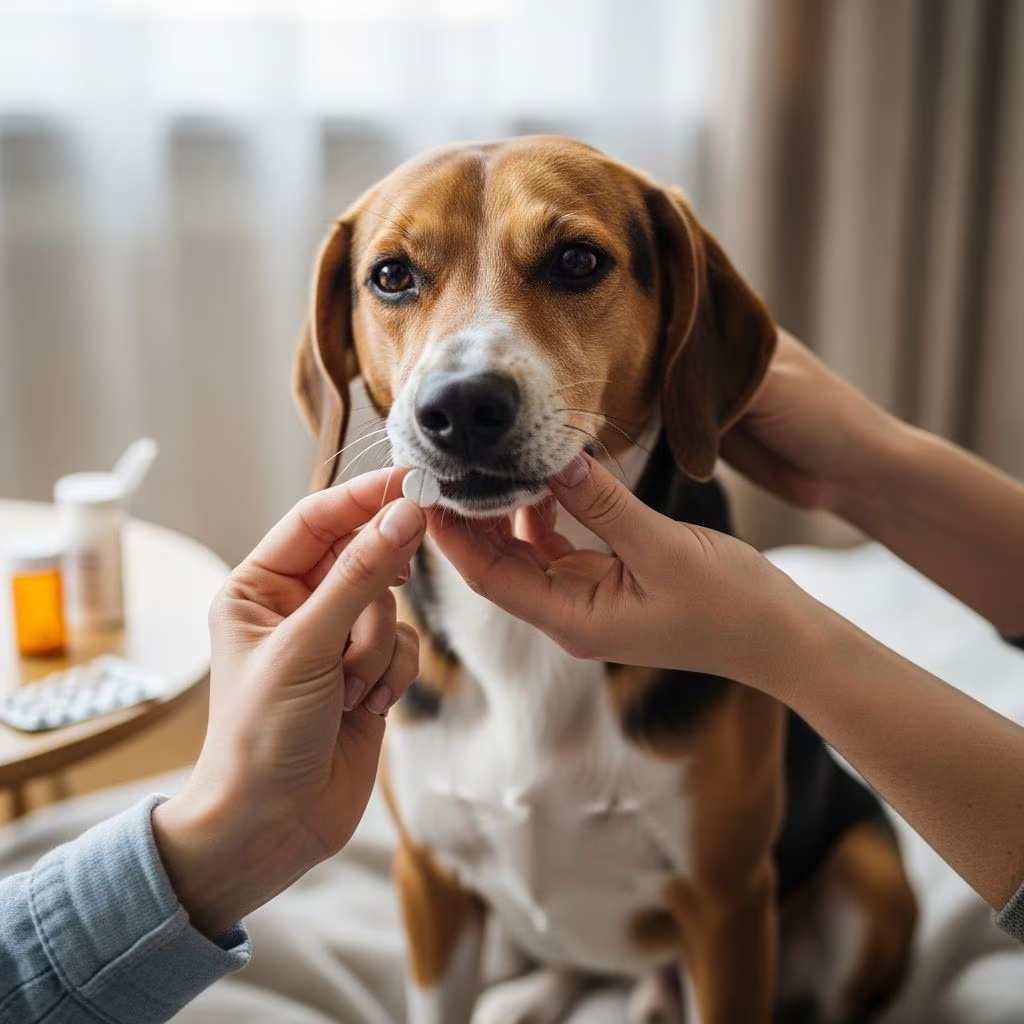
Proper administration technique significantly impacts the medication’s effectiveness and tolerability. Doxycycline should be administered with food or immediately after meals, as this practice reduces gastrointestinal upset and improves absorption. Pet owners should ensure their dog receives adequate water following doxycycline administration, as the medication can potentially cause esophageal irritation if insufficient moisture is present. Additionally, doxycycline should not be given within two hours of administering calcium-containing supplements, iron supplements, or antacids, as these substances interfere with the antibiotic’s absorption.
Identifying Candidates for Doxycycline Therapy
Not every dog experiencing kennel cough symptoms requires antibiotic intervention. Veterinarians employ clinical judgment to distinguish cases that would benefit from doxycycline therapy from those that will resolve through supportive care alone. Several key indicators suggest that antibiotic treatment would be appropriate:
- Presence of purulent (pus-containing) nasal or ocular discharge with green or yellow coloration
- Clinical signs of lethargy, depression, or marked behavioral changes
- Reduced appetite or difficulty eating due to throat discomfort
- Elevated body temperature or fever
- Evidence of secondary bacterial infection on physical examination or diagnostic imaging
- Risk factors including advanced age, immunocompromised status, or concurrent health conditions
- Progression of symptoms beyond the initial week of illness
- Clinical signs suggesting pneumonia, including increased respiratory effort or abnormal lung sounds
Conversely, dogs presenting with mild, nonproductive coughs and normal appetite and energy levels often recover without antibiotics, as their immune systems successfully clear the viral agents responsible for most kennel cough cases. In these situations, doxycycline and other antibiotics provide no benefit and unnecessarily expose the dog to potential adverse effects and contribute to antibiotic resistance patterns in microbial populations.
Potential Side Effects and Contraindications
While doxycycline is generally well-tolerated in dogs, pet owners and veterinarians should remain vigilant for potential adverse effects. Gastrointestinal upset represents the most commonly reported side effect, manifesting as nausea, vomiting, or diarrhea. These effects typically occur when doxycycline is administered without food or when dosages exceed recommended levels.
Esophageal irritation and stricture formation, though rare, represent more serious potential complications. This risk increases substantially when doxycycline tablets lodge in the esophagus without adequate fluid intake. Pet owners should always ensure their dog drinks water after receiving doxycycline and should consider crushing tablets or using liquid formulations in dogs with difficulty swallowing.
Photosensitivity reactions, characterized by severe sunburn-like skin reactions, can occur in dogs exposed to intense sunlight while taking doxycycline. Dogs receiving this medication should have their sun exposure limited during treatment periods.
Certain dogs should not receive doxycycline therapy. These contraindications include dogs with known hypersensitivity to tetracycline antibiotics, puppies with incomplete skeletal development (as tetracyclines can affect bone and tooth development), and pregnant or nursing females. Dogs with severe hepatic or renal dysfunction may require dose adjustments or alternative medications entirely.
Combining Doxycycline with Supportive Care Measures
While doxycycline addresses the bacterial component of kennel cough infections, comprehensive treatment extends beyond antibiotic therapy alone. Supportive care measures work synergistically with doxycycline to enhance recovery and improve the dog’s comfort during the illness period.
Environmental Modifications: Maintaining appropriate humidity levels through steam therapy or humidifiers significantly alleviates respiratory tract irritation. Pet owners can facilitate steam inhalation by running hot showers and allowing their dogs to breathe the warm, moist air for 10 to 15 minutes. This practice helps clear mucus from airways and soothes inflamed tissues.
Activity Restrictions: Limiting strenuous exercise during the acute illness phase reduces coughing episodes and allows the dog’s immune system to focus on combating infection. Shorter, gentler walks on a harness (rather than a collar) accommodate the dog’s reduced exercise tolerance while minimizing tracheal irritation from collar pressure.
Nutritional Support: Maintaining adequate nutritional intake supports immune function during recovery. Dogs may require enticement to eat when experiencing throat discomfort or systemic malaise. Offering high-quality, palatable foods or warming meals slightly can encourage consumption. Probiotics, such as Purina FortiFlora or Nutramax Proviable, may help maintain gastrointestinal and immune system health during antibiotic therapy and recovery.
Hydration Maintenance: Ensuring consistent water intake prevents dehydration, which can compromise the immune response. Dogs recovering from kennel cough should have constant access to fresh water.
Cough Suppressants and Additional Medications
Cough suppressants, while not universally prescribed for kennel cough, may be recommended in specific circumstances where persistent coughing prevents adequate rest or significantly impacts quality of life. Medications containing dextromethorphan or hydrocodone suppress the cough reflex, allowing dogs to sleep and recover more effectively. However, these medications should only be administered under veterinary guidance, as they may mask progression of more serious conditions or delay appropriate escalation of care.
In severe cases progressing toward pneumonia, veterinarians may prescribe bronchodilators to improve airway patency and reduce respiratory effort. Anti-inflammatory medications help reduce swelling in the respiratory tract and alleviate discomfort. Intravenous or subcutaneous fluid therapy becomes necessary in cases involving severe dehydration or systemic illness.
Timeline for Recovery and When to Seek Additional Veterinary Care
Most dogs receiving appropriate doxycycline therapy in conjunction with supportive care measures demonstrate noticeable improvement within 3 to 5 days of initiating treatment. Complete resolution of symptoms typically occurs within 10 to 14 days, though mild residual coughing may persist slightly longer as the airways fully heal.
Pet owners should contact their veterinarian if their dog does not show improvement within one week of starting treatment, or if symptoms worsen despite medication compliance. Red flag symptoms warranting immediate veterinary attention include severe respiratory distress, inability to sleep due to uncontrollable coughing, refusal to eat or drink, vomiting, or signs of systemic illness such as high fever or collapse.
Prevention Strategies to Reduce Kennel Cough Risk
While doxycycline effectively treats bacterial kennel cough infections, preventing the condition entirely remains the ideal approach. Vaccination against Bordetella bronchiseptica provides protection against the primary bacterial pathogen involved in many kennel cough cases. Available in intranasal, injectable, and oral formulations, these vaccines prime the immune system to recognize and rapidly respond to Bordetella exposure.
Additionally, minimizing exposure to high-risk environments when possible, ensuring good ventilation in shared spaces, and maintaining general hygiene practices all contribute to reducing kennel cough transmission. Dogs in close contact with many other dogs—such as those frequenting dog parks, boarding facilities, or grooming salons—benefit most from regular Bordetella vaccination to maintain protective immunity.
Frequently Asked Questions About Doxycycline for Kennel Cough
Can doxycycline cure kennel cough?
Doxycycline effectively eliminates the bacterial component of kennel cough infections caused by Bordetella bronchiseptica and other susceptible organisms. However, since many kennel cough cases involve viral pathogens, doxycycline alone cannot cure all cases. The antibiotic works best when combined with supportive care measures.
How long does doxycycline take to work for kennel cough?
Most dogs show initial improvement within 3 to 5 days of starting doxycycline therapy. Complete symptom resolution typically occurs within 10 to 14 days, though this timeline may extend in severe cases or those involving complications.
Are there alternative antibiotics if doxycycline cannot be used?
Yes, alternative antibiotics such as trimethoprim-sulfamethoxazole combinations or fluoroquinolones may be prescribed when doxycycline is contraindicated or ineffective. Your veterinarian will select the most appropriate alternative based on your dog’s specific condition and medical history.
Can I give my dog doxycycline left over from a previous prescription?
No. Leftover medications should never be administered without explicit veterinary approval. Dosages vary based on the dog’s weight and the specific condition being treated. Always consult your veterinarian before giving any medication to your dog.
Is doxycycline safe for puppies with kennel cough?
Doxycycline is generally avoided in puppies with incomplete skeletal development due to potential effects on bone and tooth development. Puppies suspected of having kennel cough should be evaluated by a veterinarian who can recommend age-appropriate treatment options.
References
- Merck Veterinary Manual – Kennel Cough — Merck & Co., Inc. 2024. https://www.merckvetmanual.com/respiratory-system/respiratory-diseases-of-small-animals/kennel-cough
- Canine Infectious Respiratory Disease Complex (Kennel Cough) — American Veterinary Medical Association. 2024. https://www.avma.org/resources-tools/pet-owners/petcare/canine-infectious-respiratory-disease-complex-kennel-cough
- The Risks of Kennel Cough — Cornell University College of Veterinary Medicine, Riney Canine Health Center. 2024. https://www.vet.cornell.edu/departments-centers-and-institutes/riney-canine-health-center/canine-health-topics/risks-kennel-cough
- Kennel Cough in Dogs: Symptoms, Causes, and Treatment — PetMD. 2025. https://www.petmd.com/dog/conditions/respiratory/kennel-cough-dogs-what-are-symptoms-and-how-kennel-cough-treated
- Kennel Cough Revisited — Today’s Veterinary Practice. 2024. https://todaysveterinarypractice.com/preventive-medicine/vital-vaccination-series-kennel-cough-revisited/
- What Dog Owners Should Expect When It Comes to Kennel Cough Treatment — Pierz Veterinary Clinic. 2024. https://www.pierzvetclinic.com/services/blog/what-dog-owners-should-expect-when-it-comes-kennel-cough-treatment



