

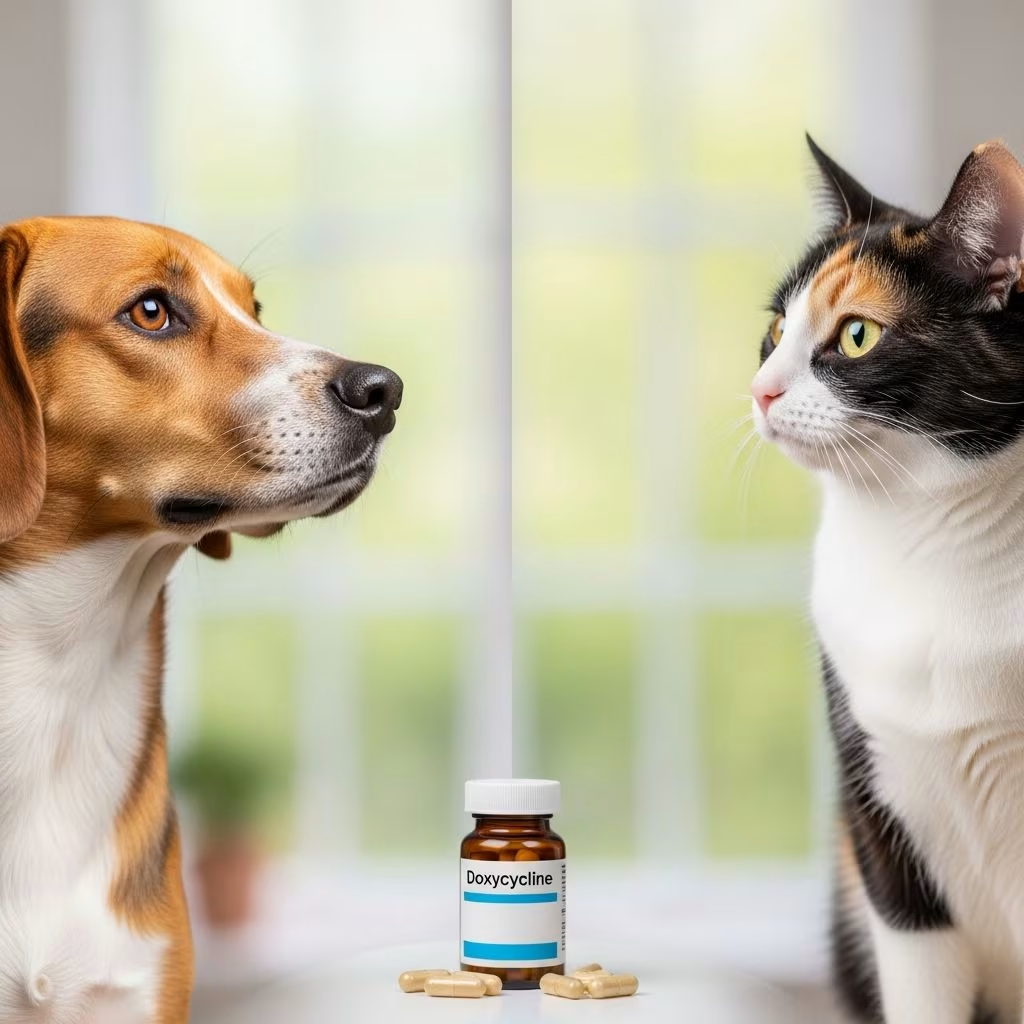
Doxycycline serves as a broad-spectrum antibiotic commonly prescribed for dogs and cats to combat various bacterial infections. Belonging to the tetracycline class, it targets issues like tick-borne diseases, respiratory problems, and periodontal conditions effectively when administered under veterinary guidance.
Understanding Doxycycline in Veterinary Care
This medication works by inhibiting bacterial protein synthesis, preventing the growth and spread of harmful bacteria in pets. Unlike some antibiotics, doxycycline penetrates tissues well, making it suitable for hard-to-reach infections. Veterinarians often select it for its efficacy against atypical bacteria and its relative safety profile in animals with kidney concerns.
Available in forms such as tablets, capsules, oral liquids, and specialized gels, doxycycline accommodates different pet needs. For instance, Doxirobe Gel is FDA-approved specifically for managing periodontal disease in dogs, applied directly to affected gums. Off-label uses extend to a range of conditions, always requiring professional oversight.
Common Conditions Treated with Doxycycline
Doxycycline addresses numerous health challenges in pets. Key applications include:
- Tick-borne illnesses: Such as Lyme disease, Rocky Mountain spotted fever, ehrlichiosis, and anaplasma, where it eliminates bacteria transmitted by ticks.
- Respiratory infections: Including kennel cough caused by Bordetella bronchiseptica, pneumonia, and upper respiratory tract issues in cats.
- Urinary tract infections (UTIs): As a secondary option when primary antibiotics fail, targeting various UTI-causing bacteria.
- Skin and soft tissue infections: Effective against wounds, abscesses, and related bacterial invasions.
- Periodontal disease: Reduces gum bacteria and inflammation, particularly via gel formulations in dogs.
- Heartworm prevention: Targets Wolbachia bacteria essential for heartworm larvae development, used adjunctively.
- Other infections: Like leptospirosis, feline infectious anemia from Mycoplasma hemofelis, chlamydia, and toxoplasmosis.
For eye infections such as conjunctivitis or corneal ulcers, veterinarians may prescribe it as ointments or drops. It also shows utility in secondary bacterial complications from canine parvovirus.
Appropriate Dosages for Dogs and Cats
Dosage varies by species, weight, condition severity, and infection type. General guidelines include:
| Pet Type | Condition | Typical Dosage | Frequency |
|---|---|---|---|
| Dogs | General bacterial infections | 5-10 mg/kg | Every 12-24 hours |
| Dogs | Tick-borne diseases | 10 mg/kg | Every 24 hours |
| Cats | General infections | 5-10 mg/kg | Every 12-24 hours |
| Cats | Chlamydiosis | 5 mg/kg | Every 12 hours for 3 weeks |
These are approximate; always adhere to vet-prescribed amounts. For heartworm prevention, lower doses over extended periods may apply. Weigh your pet accurately and use provided syringes for liquids to ensure precision.
Safe Administration Practices
Administer doxycycline orally with food or treats to minimize stomach upset, avoiding dairy like milk or cheese which impairs absorption. For cats, crush tablets into wet food or use liquid forms—never give dry pills, as they can cause esophageal irritation or strictures.
- Shake liquid suspensions thoroughly before use.
- Give injections or gels only as vet-directed.
- Maintain consistent timing; missing doses risks treatment failure and resistance.
- Complete the full course, even if symptoms resolve early.
Store at room temperature, away from moisture and light. Inform your vet of concurrent medications, as interactions occur with antacids, iron supplements, kaolin/pectin, or calcium-containing products—space doses 1-2 hours apart.
Potential Side Effects and Monitoring
Most pets tolerate doxycycline well, with effects appearing within hours and symptom improvement in days. Common mild reactions include:
- Vomiting or nausea
- Diarrhea
- Loss of appetite
- Increased salivation in cats
Rare serious effects: allergic reactions (hives, swelling, breathing difficulty), photosensitivity (sunburn-like skin), or esophageal damage in cats from improper dosing. Pets with liver disease, very young animals, or pregnant/lactating females require caution. Monitor for dehydration or persistent GI issues; contact your vet promptly.
Special Considerations for Use
Pregnant pets: Avoid unless benefits outweigh risks, as it may affect fetal development. Kidney-compromised animals: Safer than other tetracyclines due to minimal renal excretion. FeLV-positive cats: Extra vigilance needed due to weakened immunity.
For arthritis or joint issues, low-dose doxycycline acts anti-inflammatory, aiding chronic management. It lacks efficacy against viral or fungal infections alone but combats secondary bacteria.
When to Consult a Veterinarian
Never self-medicate; human doxycycline formulations differ and can harm pets. Seek immediate care if your pet shows worsening symptoms, severe lethargy, bloody stool, or allergic signs post-dose. Regular check-ups ensure proper response and prevent resistance.
Frequently Asked Questions (FAQs)
Can doxycycline treat eye infections in pets?
Yes, as topical ointments or drops for bacterial conjunctivitis or ulcers.
Is doxycycline safe for kittens or puppies?
Use cautiously in very young pets; vet approval essential due to developing systems.
How long does doxycycline take to work?
Effects start in hours, but full improvement may take days.
Can I use doxycycline for UTI prevention?
Not primary; consult vet for tailored preventives.
Does doxycycline prevent heartworms?
Yes, by targeting symbiotic bacteria, often combined with other protocols.
Preventive Strategies Beyond Medication
Complement doxycycline with tick preventives, dental hygiene, vaccinations, and routine wellness exams to reduce infection risks. A balanced diet bolsters immunity, minimizing antibiotic needs.
References
- Doxycycline for Dogs and Cats, Antibiotic Tablet — PetCareRx. Accessed 2026. https://www.petcarerx.com/doxycycline/10353
- Doxycycline for Dogs and Cats — WebMD Pets. Accessed 2026. https://www.webmd.com/pets/pet-meds/doxycycline-for-dogs-and-cats
- Doxycycline 101: What to Know if Your Veterinarian Prescribes — Wedgewood Pharmacy. Accessed 2026. https://www.wedgewood.com/medications/doxycycline/
- Doxycycline For Dogs and Cats — Avrio Pharmacy. Accessed 2026. https://avriorx.com/doxycycline-for-dogs-and-cats/
- Treating Your Cat or Dog – Using Doxycycline — Wisconsin DHS. 2023. https://www.dhs.wisconsin.gov/publications/p03601g.pdf
- Doxycycline — VCA Animal Hospitals. Accessed 2026. https://vcahospitals.com/know-your-pet/doxycycline



