

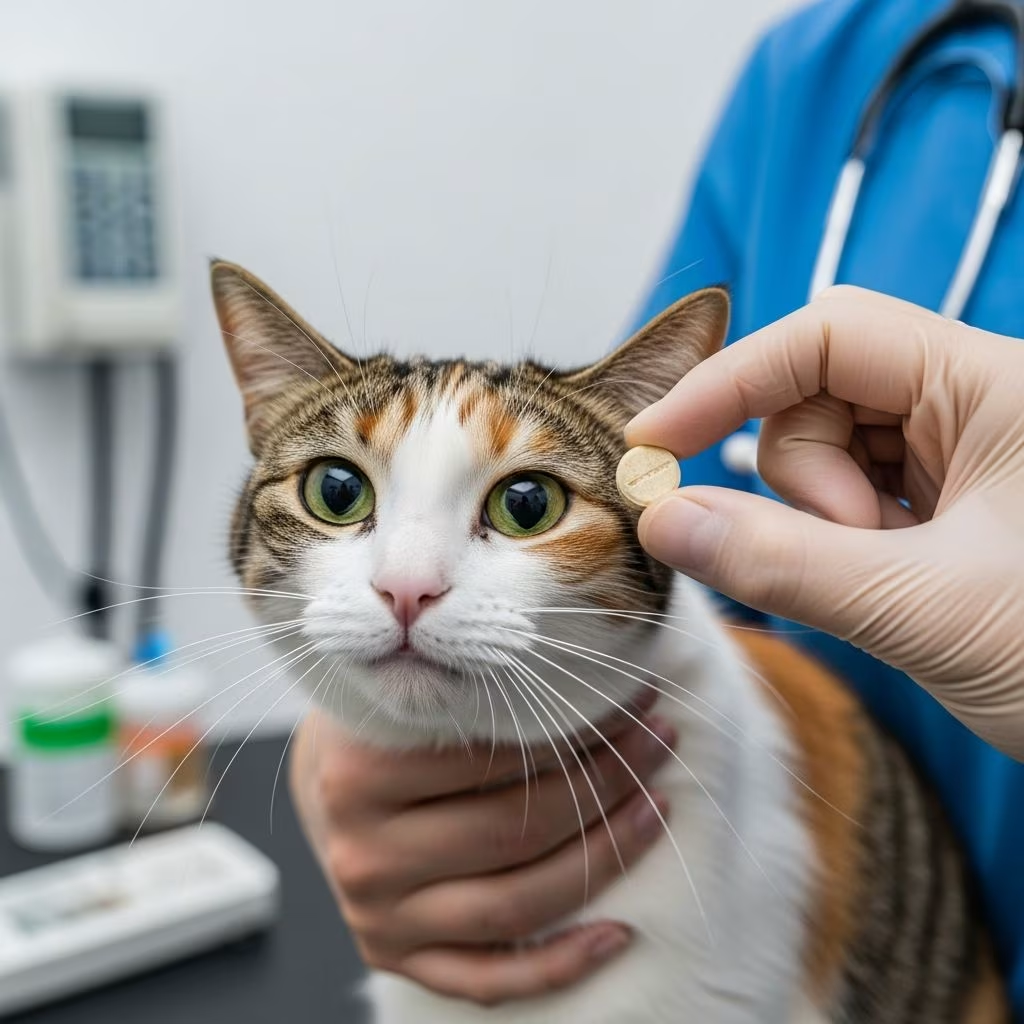
Feline bartonellosis represents one of the most significant infectious diseases affecting domestic cats worldwide, caused primarily by Bartonella henselae and Bartonella clarridgeiae. These intracellular pathogens establish chronic bacteremia in infected cats, often transmitted through flea vectors and direct contact. While many infected cats remain asymptomatic, some develop severe clinical manifestations requiring aggressive antimicrobial intervention. Doxycycline has emerged as a cornerstone therapeutic agent for managing this challenging infection, particularly when administered as part of a comprehensive treatment strategy.
Understanding Bartonella Infection in Feline Populations
Bartonella species establish persistent infections within the bloodstream and tissues of affected cats, creating a chronic carrier state that can persist for months or years despite the cat’s apparent clinical health. The organism demonstrates remarkable adaptability to the feline host, evading immune mechanisms through intracellular residence and antigenic variation. This characteristic behavior explains why standard antibiotic courses often prove insufficient for complete bacterial eradication.
Clinical manifestations of bartonellosis vary considerably, ranging from subclinical bacteremia to severe systemic disease. Some cats experience fever, lymphadenitis, and generalized lymphadenopathy, while others develop ocular inflammation, neurological complications, or bone and joint involvement. The variable presentation reflects differences in individual immune function, bacterial strain virulence, and concurrent health conditions.
Pharmacological Profile and Mechanism of Action
Doxycycline functions as a broad-spectrum tetracycline antibiotic that inhibits bacterial protein synthesis by binding to the 30S ribosomal subunit. This mechanism provides activity against many gram-positive and gram-negative organisms, including bartonella species. The drug demonstrates excellent tissue penetration, achieving therapeutic concentrations in plasma, bones, lymphoid tissues, and intracellular compartments—a critical advantage given bartonella’s intracellular lifestyle.
The antibiotic’s lipophilic properties enable it to cross cell membranes effectively, penetrating infected cells and reaching sequestered bacteria. This characteristic distinguishes doxycycline from many other antibiotics and contributes significantly to its clinical efficacy against intracellular pathogens like bartonella.
Dosing Protocols and Administration Guidelines
Veterinary practitioners employ doxycycline in several established dosing regimens for treating feline bartonellosis. The primary therapeutic approach utilizes high-dose protocols designed to maximize intracellular concentrations and overcome the organism’s protected location within host cells.
| Dosing Regimen | Dose | Frequency | Clinical Context |
|---|---|---|---|
| Standard Treatment | 10-15 mg/kg | Every 12 hours (PO) | First-line therapy for uncomplicated bartonellosis |
| Extended Therapy | 10-15 mg/kg | Every 12 hours (PO) | Complicated disease or osteomyelitis requiring 6+ weeks |
| Combination Protocol | 10-15 mg/kg | Every 12 hours (PO) | Used with fluoroquinolones or amoxicillin (staggered start) |
Oral administration remains the standard delivery method for feline patients, as doxycycline formulations are readily available in capsule, tablet, and liquid preparations. Pet owners should administer the medication with food or a small amount of water to minimize gastrointestinal irritation, though food may slightly reduce absorption rates. Ensuring adequate water consumption following administration helps prevent esophageal irritation.
Treatment duration represents a critical consideration in bartonella management. Most clinical protocols recommend minimum six-week courses, with some cases requiring extended therapy lasting eight weeks or longer, depending on disease severity and clinical response. The extended duration reflects the organism’s ability to persist despite initial therapeutic intervention and the need for sustained intracellular drug concentrations.
Combination Therapy Approaches and Synergistic Strategies
Modern bartonellosis management often incorporates combination antibiotic regimens to enhance therapeutic efficacy. Research and clinical experience have demonstrated superior outcomes when doxycycline is combined with fluoroquinolone antibiotics, particularly pradofloxacin, which displays excellent activity against bartonella species.
When implementing combination therapy, veterinarians typically initiate treatment with doxycycline, then introduce the second antibiotic five days later. This staggered approach prevents the sudden release of massive quantities of bacterial endotoxins and antigens that could provoke shock-like reactions in sensitive patients. The sequential introduction allows the cat’s immune system to handle the initial bacterial die-off before introducing additional antimicrobial pressure.
Fluoroquinolone partners for doxycycline include:
- Pradofloxacin (5-7.5 mg/kg every 12 hours) – most commonly recommended for bartonella
- Enrofloxacin (22.7 mg orally every 12 hours) – well-established historical use
- Ciprofloxacin – alternative option when others are unavailable
Some protocols incorporate a three-drug approach, adding amoxicillin to the doxycycline-quinolone combination, further broadening antimicrobial coverage. These complex regimens are reserved for severe, refractory cases or when secondary bacterial infections complicate the clinical picture.
Clinical Efficacy and Treatment Outcomes
Clinical investigations examining doxycycline efficacy against feline bartonellosis reveal variable results depending on assessment methodology and treatment duration. In vitro susceptibility testing demonstrates that both doxycycline and fluoroquinolones inhibit bartonella growth effectively. However, translation of laboratory susceptibility to clinical cure proves more challenging due to the organism’s intracellular sequestration and the insensitivity of blood culture as a success marker.
Research examining experimentally infected cats treated with 14 to 28 days of doxycycline showed that prolonged therapy (28 days) yielded superior bacteremia clearance compared to shorter courses. However, even extended treatment failed to achieve complete eradication in all cats, with some animals experiencing relapsing bacteremia weeks after completing therapy. These findings emphasize that bartonella elimination requires individualized assessment and potentially extended treatment protocols exceeding standard recommendations.
Clinical improvement typically becomes apparent within 2-3 weeks of initiating treatment, with resolution of fever and gradual reduction in lymph node enlargement. However, some cats continue manifesting lymphadenopathy for weeks despite appropriate antimicrobial therapy, reflecting the slow tissue response to infection control rather than treatment failure.
Adverse Effects and Safety Considerations
Doxycycline generally demonstrates favorable safety profiles in feline patients when appropriate precautions are observed. The most common side effects include gastrointestinal disturbances such as nausea, vomiting, and diarrhea, particularly when administered without food. Esophageal irritation can occur if cats do not swallow tablets completely or if insufficient water accompanies administration.
Photosensitivity represents a documented concern with doxycycline therapy. Cats receiving this medication may develop skin reactions upon sun exposure. This effect remains less problematic in cats than in other species due to their typically limited outdoor exposure during intensive treatment phases, but owners should be informed of this possibility.
Long-term doxycycline therapy has been associated with esophageal strictures in some animal species, though this complication appears rare in cats when proper administration techniques are followed. Ensuring adequate water consumption and administering medication at appropriate intervals helps minimize this risk.
Unlike some antibiotics, doxycycline does not require avoidance in kittens or young cats when treating bartonella, making it suitable across various age groups. However, the drug should be administered with water or food to optimize tolerance.
Diagnostic Confirmation and Monitoring Strategies
Before initiating doxycycline therapy, diagnostic confirmation of bartonella infection improves treatment outcomes and rules out alternative diagnoses. Veterinarians employ multiple diagnostic approaches:
- Blood culture: Gold standard for detection but limited sensitivity and requires specialized handling
- PCR assays: Real-time polymerase chain reaction of blood or tissue samples provides excellent sensitivity and allows species identification
- Serology: Antibody detection indicates exposure but cannot distinguish between active and past infection
- Tissue sampling: Lymph node or tissue PCR provides direct evidence of infection in affected organs
During treatment, monitoring typically involves clinical assessment rather than repeated culture confirmation. Veterinarians evaluate lymph node regression, resolution of fever, and general clinical improvement over the initial 2-4 weeks. Some practitioners perform post-treatment serology to document immune response, though persistent antibodies do not necessarily indicate ongoing infection.
Special Populations and Complicating Factors
Immunocompromised cats, including those positive for feline immunodeficiency virus (FIV) or feline leukemia virus (FeLV), may require more aggressive treatment protocols or extended therapy durations. These patients demonstrate higher bacterial loads and increased susceptibility to severe manifestations, warranting individualized treatment planning.
Cats presenting with complicated bartonellosis involving bone, joints, or neurological tissues typically require six to eight weeks of combination therapy rather than standard regimens. Cases involving osteomyelitis, polyarthritis, or ocular inflammation often necessitate the doxycycline-fluoroquinolone combination approach with careful monitoring for response.
Concurrent flea infestations complicate bartonella management by maintaining transmission pathways. Comprehensive flea control using topical or oral preventatives is essential alongside antibiotic therapy to prevent reinfection and minimize ongoing bacteremia perpetuation.
Comparing Treatment Alternatives and Integration into Clinical Practice
While doxycycline serves as a primary therapeutic agent, other antimicrobials demonstrate activity against bartonella species. Enrofloxacin and other fluoroquinolones have historical use and established efficacy. Amoxicillin-clavulanate provides coverage for secondary infections and synergistic effects when combined with doxycycline. Azithromycin and trimethoprim-sulfadiazine represent alternative options when doxycycline proves problematic.
Selection of specific therapeutic regimens depends on individual patient factors, disease severity, bacterial load, and prior antibiotic exposure. Practitioners should consider local bacterial resistance patterns and institutional experience when designing treatment protocols.
Frequently Asked Questions About Doxycycline Treatment
How long does doxycycline take to work against bartonella infection?
Clinical improvement typically becomes evident within 2-3 weeks of initiating therapy, with fever resolution often occurring within the first week. However, lymph node reduction progresses more gradually over 4-6 weeks. Complete bacterial eradication may require the full 6-week treatment course or longer.
Can doxycycline completely cure bartonella infection in cats?
Complete elimination of bartonella remains challenging despite appropriate antibiotic therapy. Some cats achieve sustained clearance following extended treatment, while others experience relapsing bacteremia. Treatment goals typically focus on clinical improvement and disease management rather than absolute eradication.
What should owners do if their cat vomits after receiving doxycycline?
Gastrointestinal upset can be minimized by administering doxycycline with a small amount of food or ensuring adequate water intake. If vomiting persists, veterinarians may adjust the dose, change the formulation, or consider alternative medications.
Is doxycycline safe for cats with kidney disease?
Doxycycline undergoes minimal renal elimination and is generally safer than many antibiotics in cats with compromised kidney function. However, individual patient assessment and dose adjustment may be necessary in severe renal disease cases.
How frequently should cats be monitored during doxycycline treatment?
Initial assessment at 2-3 weeks helps determine early treatment response. Follow-up evaluation at treatment completion allows documentation of clinical improvement and planning for potential extended therapy. Some cats may benefit from post-treatment assessment 4-6 weeks after completing medication.
Integrating Doxycycline Therapy into Comprehensive Care Plans
Successful management of feline bartonellosis extends beyond antimicrobial selection. Comprehensive care incorporates aggressive flea control, appropriate nutritional support for immunocompromised patients, and consideration of concurrent health conditions. Veterinarians should educate cat owners about the chronic nature of bartonella infection, the potential for relapse despite treatment, and the importance of adhering to prescribed protocols.
Regular communication between veterinarian and owner throughout the treatment course ensures early recognition of adverse effects or inadequate response, allowing for protocol adjustments. Some cats may require extended therapy, alternative medications, or different combination approaches based on individual response patterns.
Understanding the complex interplay between doxycycline pharmacology, bartonella biology, and individual patient factors enables veterinarians to optimize therapeutic outcomes and improve the health and quality of life for cats affected by this significant infectious disease.
References
- Guideline for Feline bartonellosis — ABCD Cats & Vets. 2024. https://www.abcdcatsvets.org/guideline-for-feline-bartonellosis/
- Efficacy of enrofloxacin or doxycycline for treatment of Bartonella henselae or Bartonella clarridgeiae infection in cats — Kordick DL, et al. Antimicrobial Agents and Chemotherapy. 1997. https://journals.asm.org/doi/10.1128/aac.41.11.2448
- Treatment of a cat with presumed Bartonella henselae-associated lymphadenitis and immune-mediated hemolytic anemia — Hui et al. PubMed. 2022. https://pubmed.ncbi.nlm.nih.gov/35385154/
- Doxycycline for Cat Scratch Disease — Dr. Oracle. 2024. https://www.droracle.ai/articles/364567/what-is-the-effectiveness-of-doxycycline-doxycycline-for-treating
- Cat Scratch Fever in Cats: What Is It and How Is It Treated? — PetMD. 2024. https://www.petmd.com/cat/conditions/infectious-parasitic/cat-scratch-fever-cats-what-it-and-how-it-treated
- Feline bartonella infection: epidemiology, diagnosis, and management — Academic Veterinary Medicine Resources (peer-reviewed veterinary literature). 2024. Accessed via veterinary diagnostic protocols.



