

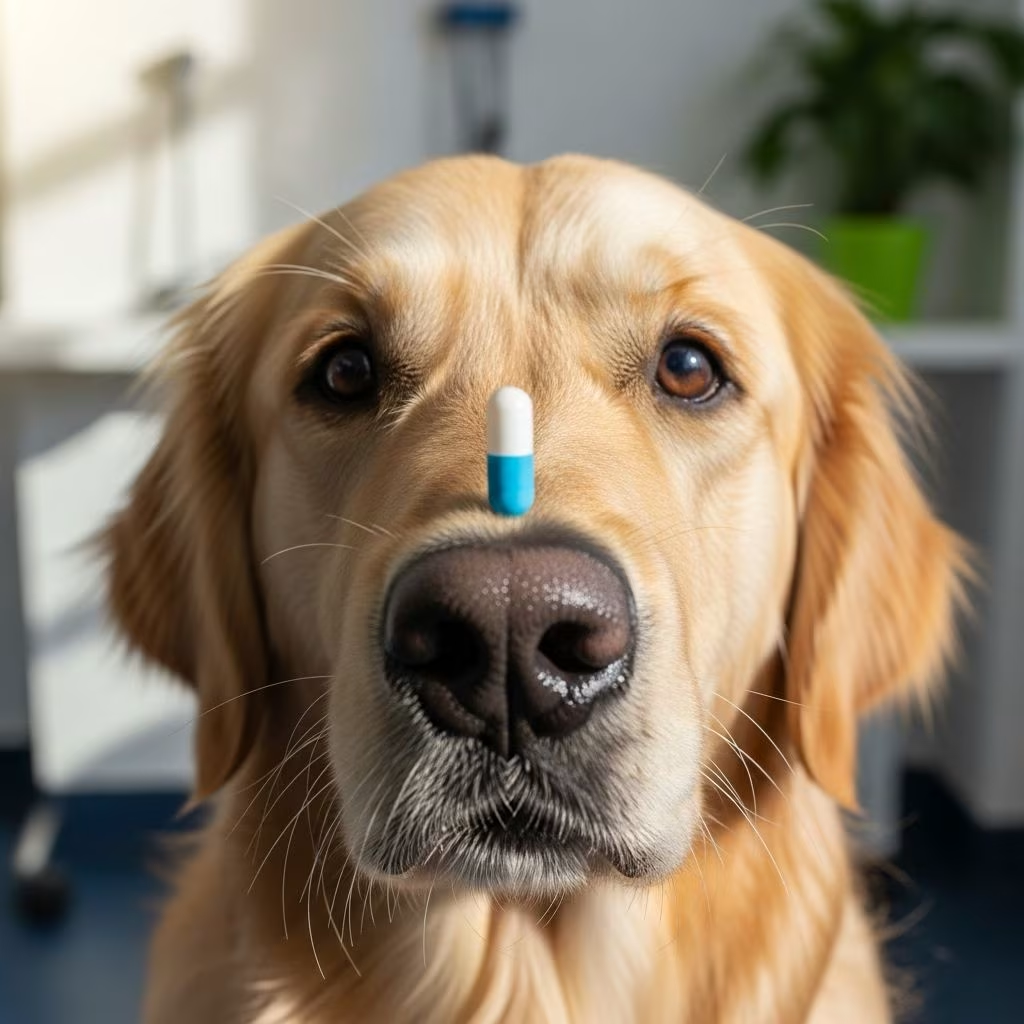
When your veterinarian prescribes doxycycline for your dog, understanding what this medication does and how to administer it properly becomes essential for your pet’s recovery. Doxycycline represents one of the most frequently prescribed antibiotics in veterinary medicine, yet many dog owners lack detailed knowledge about its mechanisms, applications, and proper use. This guide provides comprehensive information to help you make informed decisions about your dog’s treatment plan while working alongside your veterinary professional.
The Fundamentals: What Doxycycline Actually Is
Doxycycline belongs to the tetracycline class of antibiotics, which work by inhibiting bacterial protein synthesis. Rather than killing bacteria outright, doxycycline functions as a bacteriostatic agent, meaning it prevents bacteria from multiplying and allows your dog’s immune system to eliminate the existing infection. This mechanism makes it particularly effective for various conditions where controlling bacterial growth becomes critical.
The medication demonstrates exceptional bioavailability in dogs, indicating that their bodies absorb and utilize the drug effectively. Veterinarians appreciate doxycycline because it distributes well throughout body tissues, reaching areas where some other antibiotics struggle to penetrate. This characteristic makes it valuable for treating infections in diverse locations throughout your dog’s body.
Understanding that doxycycline is not FDA-approved specifically for veterinary use represents an important distinction. However, veterinarians can legally prescribe FDA-approved human medications for animals under what’s called “off-label” or “extra-label” use, which is a standard and accepted practice in veterinary medicine. The only exception is Doxirobe Gel, which carries FDA approval for veterinary dental applications.
Primary Applications in Canine Medicine
Veterinarians prescribe doxycycline for an impressively broad spectrum of conditions affecting dogs. The following represents the most common medical situations where this antibiotic becomes the preferred treatment choice:
Tick-Borne Disease Management
Among the most significant applications, doxycycline excels at treating infections transmitted by tick parasites. Dogs in areas with significant tick populations face particular vulnerability to these conditions, making doxycycline a crucial therapeutic option.
- Lyme disease — caused by spirochetes transmitted through tick bites, this condition can cause joint pain and systemic effects
- Rocky Mountain Spotted Fever — a rickettsial infection that can produce severe symptoms if left untreated
- Ehrlichiosis and Anaplasmosis — bacterial infections affecting blood cells and immune function
- Leptospirosis — a serious bacterial infection that can impact kidney and liver function
Respiratory and Systemic Infections
Dogs frequently develop respiratory infections, particularly those exposed to crowded environments or those with compromised immune systems. Doxycycline provides effective treatment for these conditions, including kennel cough caused by bordetella bacteria. Additionally, veterinarians employ this medication for general respiratory tract infections where bacterial pathogens are identified or suspected.
Urinary Tract and Wound Infections
Bacterial urinary tract infections affect many dogs throughout their lives, and doxycycline represents a reliable therapeutic option. For dogs with infected wounds or bite injuries, this antibiotic helps prevent secondary bacterial infections from developing and compromising healing.
Specialized Conditions and Off-Label Uses
Beyond traditional bacterial infection treatment, veterinarians utilize doxycycline in several specialized applications:
- Low-dose formulations for inflammatory joint disease and arthritis management
- Heartworm disease treatment as an adjunctive therapy
- Periodontal disease management, particularly through gel formulations
- Prevention of secondary bacterial infections following viral infections like parvovirus
Determining Appropriate Dosing Protocols
Proper dosing represents one of the most critical aspects of doxycycline therapy. The standard dosing range for dogs typically falls between 2-5 mg per pound of body weight, administered every 12-24 hours, though the Merck Veterinary Manual recommends 5-10 mg/kg daily for most infections. However, these represent general guidelines only — your veterinarian will determine the specific dose for your individual dog based on multiple factors:
| Factor Influencing Dosage | Impact on Treatment |
|---|---|
| Dog’s weight | Primary determinant of absolute drug quantity |
| Specific infection being treated | Different conditions may require adjusted dosing strategies |
| Overall health status | Liver or kidney disease may necessitate dose modifications |
| Other medications | Drug interactions may require dosage adjustments |
| Severity of infection | More serious infections might warrant higher doses |
Never attempt to adjust your dog’s doxycycline dosage without explicit veterinary guidance. Self-adjusting medication could contribute to antibiotic resistance, a growing concern in both human and veterinary medicine, potentially making future infections more difficult to treat and extending your dog’s recovery period.
Administration Methods and Practical Considerations
Doxycycline comes in multiple formulations, providing flexibility in how veterinarians and owners can administer treatment:
- Oral capsules — traditional tablets requiring swallowing
- Tablets — sometimes easier for dogs to accept than capsules
- Oral suspension — liquid formulation beneficial for dogs having difficulty with solid forms
- Gel preparations — used topically for dental and periodontal applications
The specific formulation your veterinarian prescribes depends on your dog’s ability to take medication, the severity of their condition, and whether specialized delivery to particular body areas is necessary. For dogs resistant to taking pills, your veterinarian might recommend compounded formulations customized for your pet’s specific needs.
Following your veterinarian’s instructions precisely ensures optimal therapeutic benefit. Administering doxycycline with food can minimize gastrointestinal upset in some dogs, though your vet should confirm this approach for your specific situation. Consistency in timing helps maintain therapeutic drug levels throughout treatment.
Understanding Potential Side Effects
While dogs generally tolerate doxycycline well and it’s considered safe for both cats and dogs, recognizing potential adverse effects remains important for responsible pet ownership. Understanding what constitutes normal versus concerning responses helps you identify when veterinary attention becomes necessary.
Common Gastrointestinal Effects
The most frequently reported side effects involve the digestive system, including vomiting, diarrhea, and decreased appetite. These mild gastrointestinal symptoms often resolve as your dog’s system adjusts to the medication. However, distinguishing between mild digestive upset and more serious reactions is crucial.
Serious Adverse Reactions
While uncommon, severe gastrointestinal symptoms could indicate doxycycline overdose or serious adverse reaction requiring immediate veterinary attention. Contact your veterinarian or animal poison control immediately if your dog experiences:
- Severe or persistent vomiting
- Bloody or black stools
- Severe abdominal pain
- Signs of allergic reaction (facial swelling, difficulty breathing)
- Lethargy or unusual behavioral changes
Breed and Age Considerations
Certain dogs may demonstrate increased sensitivity to doxycycline. Dogs with hepatic (liver) or renal (kidney) disease require careful monitoring and potentially adjusted dosing. Pregnant dogs present special considerations, as doxycycline can affect fetal development and nursing puppies through breast milk.
Drug Interactions and Medication Compatibility
Doxycycline may interact with various other medications your dog might be taking. Certain supplements, particularly those containing iron or calcium, can reduce doxycycline absorption. Inform your veterinarian about all medications, supplements, and treatments your dog receives to identify potential interactions before they cause problems.
When Compounded Formulations Become Necessary
Occasionally, standard doxycycline formulations don’t meet your dog’s specific needs. Your veterinarian may recommend compounded doxycycline in situations such as:
- Your dog experiences allergies to ingredients in commercially available formulations
- Your dog struggles to swallow pills or capsules
- The required dosage strength isn’t commercially available
- Your dog’s condition requires specialized delivery methods
Compounded medications are prepared individually by licensed pharmacists or veterinarians specifically for your dog. While not FDA-approved, compounded medications represent an accepted practice in veterinary medicine when standard formulations prove inadequate.
Special Considerations for Specific Patient Populations
Different dog populations may require modified approaches to doxycycline therapy. Senior dogs, those with underlying health conditions, and puppies may need adjusted treatment strategies. Dogs with immune system disorders, digestive issues, or chronic health conditions warrant special consideration when initiating doxycycline therapy.
Always inform your veterinarian about your dog’s complete medical history, including previous medication reactions, chronic conditions, and current treatment regimens. This comprehensive information allows your vet to prescribe doxycycline safely and effectively while minimizing potential complications.
Frequently Asked Questions
- How quickly does doxycycline begin working in dogs?
- Doxycycline begins working within hours of administration, though visible symptom improvement typically requires several days as the immune system eliminates the bacterial infection.
- Can I give my dog human doxycycline formulations?
- While doxycycline is approved for human use, you should only administer formulations specifically prescribed by your veterinarian for your dog. Never give human medications without explicit veterinary approval.
- What should I do if I miss a dose?
- Contact your veterinarian for specific guidance on missed doses, which may depend on how long until the next scheduled dose. Generally, if considerable time has passed, it’s better to skip the missed dose and resume the regular schedule rather than double-dosing.
- How long will my dog need to take doxycycline?
- Treatment duration varies based on the specific infection being treated. Some conditions require only brief courses, while others demand extended therapy. Always complete the full course prescribed, even if your dog appears improved, to prevent treatment failure and antibiotic resistance.
- Can doxycycline treat viral infections?
- Doxycycline primarily treats bacterial infections and is ineffective against viruses. However, veterinarians sometimes prescribe it to prevent secondary bacterial infections in dogs with viral illnesses like parvovirus.
Moving Forward: Supporting Your Dog’s Recovery
Doxycycline represents an important therapeutic tool in your veterinarian’s arsenal for treating bacterial infections and related conditions in dogs. By understanding how this medication works, recognizing appropriate applications, maintaining awareness of potential side effects, and following your veterinarian’s guidance precisely, you enable the most favorable outcomes for your canine companion.
Successful antibiotic therapy requires partnership between you and your veterinary team. Maintain open communication about your dog’s response to treatment, report any concerning symptoms promptly, and never hesitate to ask questions about your dog’s medication or care plan. Your active involvement in your dog’s treatment significantly contributes to successful infection management and swift recovery.
References
- Doxycycline for Dogs: Uses, Side Effects, and Alternatives — American Kennel Club. https://www.akc.org/expert-advice/health/doxycycline-for-dogs/
- Doxycycline for Dogs — PetMD. https://www.petmd.com/pet-medication/doxycycline-for-dogs
- Doxycycline 101: What to Know if Your Veterinarian Prescribes It — Wedgewood Pharmacy. https://www.wedgewood.com/medications/doxycycline/
- Doxycycline — JAM Veterinary Services. https://www.jamdvm.com/doxycycline
- Doxycycline — Seattle Humane Society. https://www.seattlehumane.org/resource-library/veterinary-care-handouts/doxycycline/
- Doxycycline — VCA Animal Hospitals. https://vcahospitals.com/know-your-pet/doxycycline



