

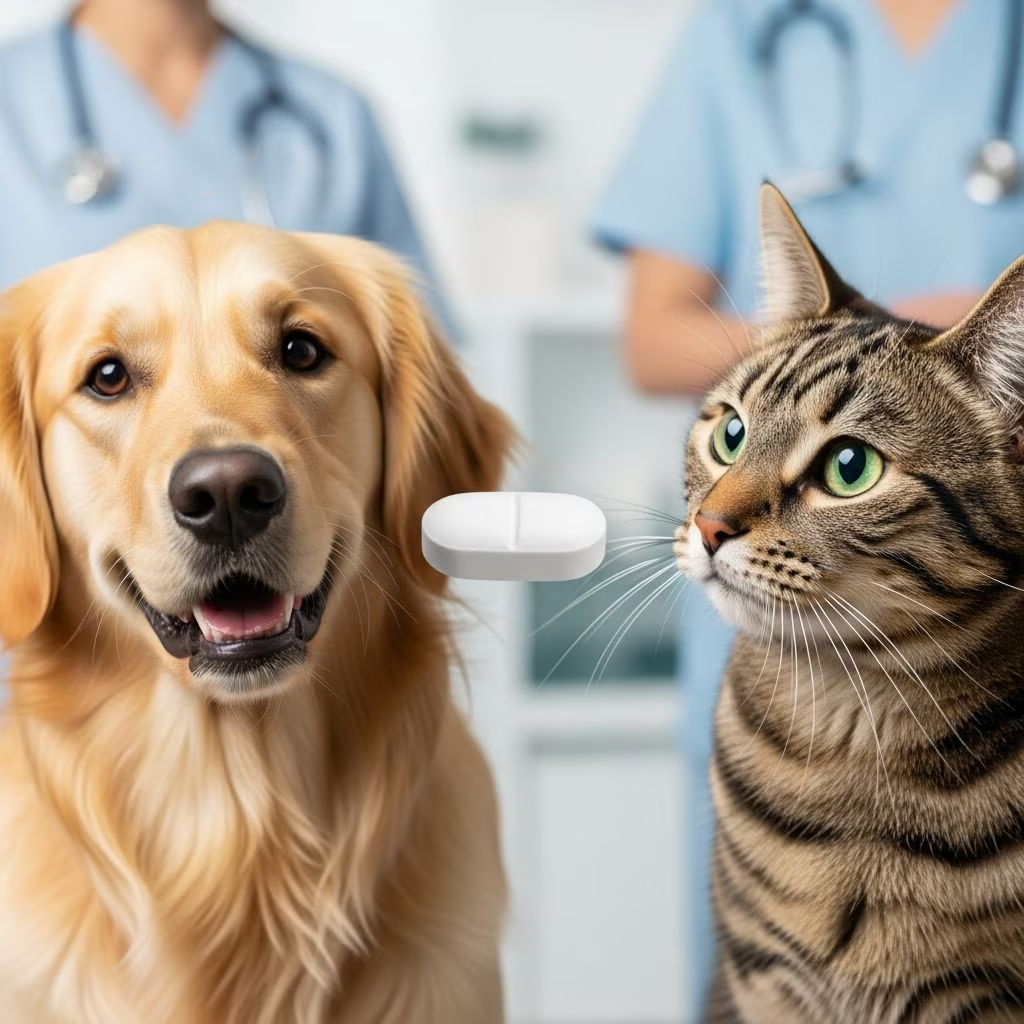
What is Doxycycline?
Doxycycline is a broad-spectrum antibiotic belonging to the tetracycline family of antibiotics. It is commonly prescribed by veterinarians to treat various bacterial infections in dogs and cats. This medication works by inhibiting bacterial protein synthesis, effectively stopping the growth and reproduction of susceptible bacteria. Doxycycline is available in multiple formulations, including tablets, capsules, and liquid solutions, making it adaptable to different administration needs and patient preferences.
The versatility of doxycycline makes it one of the most frequently prescribed antibiotics in veterinary medicine. Its wide spectrum of activity means it can address numerous types of bacterial infections, making it particularly valuable when the specific causative organism has not yet been identified or when treating mixed bacterial infections.
Common Uses of Doxycycline in Dogs and Cats
Veterinarians prescribe doxycycline for a diverse range of bacterial infections affecting pets. The following are among the most common indications:
- Respiratory tract infections, including kennel cough
- Urinary tract infections
- Skin and soft tissue infections, including infected wounds
- Gastrointestinal infections and enteritis
- Blood-borne infections and septicemia
- Tick-borne diseases such as Lyme disease and Rocky Mountain Spotted Fever
- Ehrlichiosis (a protozoal disease transmitted by ticks)
- Leptospirosis (a bacterial infection affecting kidneys and liver)
- Bartonellosis (cat scratch fever)
- Chlamydial infections, particularly in cats
- Brucellosis (an infectious disease affecting reproduction)
Additionally, doxycycline plays an important role in heartworm disease management. When treating heartworm-infected dogs, veterinarians often prescribe doxycycline to eliminate Wolbachia bacteria that live inside heartworms. These bacteria contribute significantly to the inflammation and complications associated with heartworm disease. By killing Wolbachia, doxycycline reduces clinical signs and makes the heartworm adulticide treatment safer and more effective.
Dosage Guidelines for Dogs
The dosage of doxycycline for dogs varies depending on the specific infection being treated, the severity of the condition, and the individual dog’s health status. Proper dosing is critical to ensure therapeutic efficacy while minimizing the risk of adverse effects and antibiotic resistance.
Standard Dosing Recommendations
For most bacterial infections in dogs, the standard oral dosage recommended by veterinary authorities is 5-10 mg/kg administered once daily, or alternatively, 5 mg/kg administered twice daily (every 12 hours). When doxycycline is given as a single daily dose, the typical recommendation is 10 mg/kg. For heartworm treatment specifically, dogs are often given 10 mg/kg orally twice daily for 30 days.
Condition-Specific Dosing
For certain infections, particularly ehrlichiosis, extended treatment periods with consistent dosing are required. Dogs with acute Ehrlichia canis infections typically receive 10 mg/kg daily for 14-16 days. For chronic ehrlichiosis, treatment duration extends to 28-42 days depending on the severity and the veterinarian’s assessment.
Respiratory, genitourinary, and intestinal infections typically require 5-10 mg/kg daily for 10-15 days. Most routine bacterial infections respond well within 5-7 days of therapy, though treatment should continue for 2-3 days beyond clinical cure to prevent relapse.
Dosage Guidelines for Cats
Cats generally tolerate doxycycline well, though dosing recommendations differ slightly from those for dogs. The standard oral dosage for cats is 5-10 mg/kg once daily.
Special Considerations for Feline Chlamydiosis
For cats with chlamydial infections, a typical treatment regimen involves 5 mg/kg administered orally every 12 hours for 3 weeks. This extended duration is necessary due to the intracellular nature of chlamydia and the need to achieve adequate tissue concentrations.
For systemic infections such as bartonellosis, ehrlichiosis, leptospirosis, and brucellosis, cats require extended treatment periods similar to dogs, typically 30 days or longer at dosages of 5-10 mg/kg daily, determined by the veterinarian’s clinical judgment.
Administration Methods and Best Practices
Proper administration technique is essential to maximize the effectiveness of doxycycline and minimize gastrointestinal adverse effects. The medication is available in multiple formulations, allowing flexibility in how it is administered to your pet.
Oral Administration
Doxycycline is primarily administered orally as tablets or liquid formulations. An important consideration for both dogs and cats is that doxycycline tablets should be given with food to reduce the risk of gastrointestinal irritation and esophageal erosions. This is particularly important in cats, where solid dosage forms can cause esophageal damage if not followed by food or liquid.
Tablets may be administered whole, crushed, or dissolved in liquid formulations. However, if tablets are crushed and dissolved, the preparation should be ingested immediately to maintain stability. Some veterinarians may prescribe flavored doxycycline tablets designed to improve palatability and compliance, particularly in cats and difficult-to-medicate animals.
Injectable Formulations
For animals unable to tolerate oral administration, doxycycline is available in injectable forms. Intravenous and intramuscular formulations allow treatment of patients with severe illness, vomiting, or inability to swallow. The standard injectable dosage is typically 3-5 mg/kg every 12 hours via slow intravenous or intramuscular administration, depending on the specific formulation and indication.
Potential Side Effects and Adverse Reactions
While doxycycline is generally well-tolerated in dogs and cats, certain side effects may occur, particularly with prolonged use or at excessive doses.
Common Side Effects
- Gastrointestinal upset, including nausea and vomiting
- Loss of appetite
- Diarrhea or constipation
- Photosensitivity reactions (increased sensitivity to sunlight)
Serious Adverse Effects
At doses significantly exceeding the recommended therapeutic range, hepatotoxicity (liver damage) has been documented in dogs. Administration of doxycycline at 30-50 mg/kg for five consecutive days resulted in hepatic cytolysis and cholestasis, marked by elevated liver enzymes including ALT and GGT, along with increased total bilirubin. Fortunately, cats appear to tolerate much higher doses without observable adverse hepatic effects, suggesting species-specific differences in metabolism and tolerance.
Administering doxycycline at five times the recommended dosage in dogs has resulted in vomiting. These findings underscore the importance of adhering strictly to veterinarian-prescribed dosages and monitoring for signs of drug toxicity during prolonged treatment courses.
Important Precautions and Contraindications
Certain situations warrant caution or contraindicate the use of doxycycline altogether. Pregnant dogs should not receive doxycycline due to potential adverse effects on fetal development. Tetracyclines, including doxycycline, can accumulate in developing bone and tooth tissue, potentially causing discoloration and weakening of the enamel in offspring.
Cats require careful administration of solid doxycycline dosage forms to prevent esophageal erosions; tablets should always be followed by food or at least 6 mL of liquid to ensure passage into the stomach. Animals with known hypersensitivity or allergy to tetracyclines should not receive doxycycline.
Storage and Handling
Proper storage of doxycycline is necessary to maintain its potency and safety. Doxycycline tablets should be stored at room temperature, protected from excessive heat and direct light. Liquid formulations must be refrigerated and should not be frozen. Always follow the specific storage instructions provided with your medication, and discard any expired medication rather than attempting to use it, as degraded doxycycline can become toxic.
Drug Interactions and Considerations
Doxycycline may interact with certain other medications. Calcium, magnesium, iron supplements, and antacids can reduce doxycycline absorption and should ideally be administered separately from the antibiotic. Discuss all concurrent medications with your veterinarian to identify potential interactions. Additionally, the use of doxycycline in dogs receiving other medications should be monitored, particularly those affecting liver or kidney function.
Antibiotic Resistance and Responsible Use
The emergence of antibiotic-resistant bacteria represents a significant global health challenge affecting both human and veterinary medicine. Inappropriate dosing, incomplete treatment courses, or unnecessary use of doxycycline can accelerate the development of resistant bacterial strains. It is essential to follow your veterinarian’s dosage recommendations precisely and to complete the full prescribed course of treatment, even if clinical signs resolve earlier. Do not adjust your pet’s doxycycline dosage without explicit guidance from your veterinarian, as such changes can contribute to antibiotic resistance and compromise future treatment options.
Monitoring During Treatment
Regular monitoring is advisable, particularly for prolonged treatment courses exceeding 14 days or in animals with pre-existing liver or kidney disease. Your veterinarian may recommend baseline and follow-up bloodwork to assess liver and kidney function, particularly in geriatric animals or those receiving concurrent medications that affect these organs. Animals being treated for chronic infections such as ehrlichiosis should be monitored regularly even after clinical signs resolve and after completing the prescribed treatment course.
Frequently Asked Questions (FAQs)
Q: Can I give my pet doxycycline without food?
A: It is recommended to give doxycycline with food to minimize gastrointestinal irritation and reduce the risk of esophageal erosions, particularly in cats. However, food does not significantly reduce the absorption of doxycycline in most cases.
Q: How long does doxycycline take to work in dogs and cats?
A: Most routine bacterial infections show clinical improvement within 5-7 days of starting doxycycline therapy. However, the complete treatment course should be continued as prescribed by your veterinarian, typically for 10-14 days for acute infections, and up to 28-42 days for chronic conditions like ehrlichiosis.
Q: What should I do if I miss a dose?
A: If you miss a dose, administer it as soon as you remember unless it is nearly time for the next scheduled dose. Do not double-dose to make up for a missed dose. Contact your veterinarian for specific guidance if you have concerns about missed doses.
Q: Can doxycycline be used in pregnant or nursing dogs?
A: Doxycycline should not be given to pregnant dogs due to potential adverse effects on fetal development. Consult with your veterinarian regarding the safety of doxycycline in nursing animals, as tetracyclines can be excreted in milk.
Q: Are there any natural alternatives to doxycycline?
A: While certain supplements and herbs have antimicrobial properties, they are not substitutes for prescription antibiotics in treating bacterial infections. Always consult your veterinarian before using alternative treatments, and never discontinue prescribed doxycycline without veterinary guidance.
Q: What if my pet experiences vomiting or diarrhea while on doxycycline?
A: Mild gastrointestinal upset may occur. Ensure the medication is given with food. If vomiting or severe diarrhea develops, contact your veterinarian immediately, as the dosage may need adjustment or an alternative medication may be necessary.
References
- Dosages of Tetracyclines — Merck Veterinary Manual. 2024. https://www.merckvetmanual.com/multimedia/table/dosages-of-tetracyclines
- Doxycycline For Dogs: Uses and Side Effects — American Kennel Club Expert Advice. 2024. https://www.akc.org/expert-advice/health/doxycycline-for-dogs/
- Use of Doxycycline in Cats and Dogs — Vets & Clinics. 2024. https://vetsandclinics.com/en/use-of-doxycycline-in-cats-and-dogs
- Clinical Particulars – Doxycare Flavour Tablets for Cats and Dogs — NOAH Compendium. 2024. https://www.noahcompendium.co.uk/?id=-476937
- Doxycycline for Dogs: Uses, Dosage, Side Effects — GoodRx Pet Health. 2024. https://www.goodrx.com/pet-health/dog/doxycycline-for-dogs
- DOXIN – Antibiotic Solution for Veterinary Use — Zoovet Veterinary Products. 2024. https://www.zoovet.com.ar/en/companion-animals/item/76-doxin
- Doxytab Vet. 50 mg Tablets for Dogs and Cats — Irish Medicines Board (HPRA). January 26, 2024. https://assets.hpra.ie/products/Animal/36070/VPA10810-020-002-CRN00DWLM-26-01-2024-nationalspc_29012024101045.pdf



