
Doxycycline for Dogs and Cats: Uses, Dosage, and Safety
Complete guide to doxycycline for pets: uses, dosing, side effects, and administration tips.
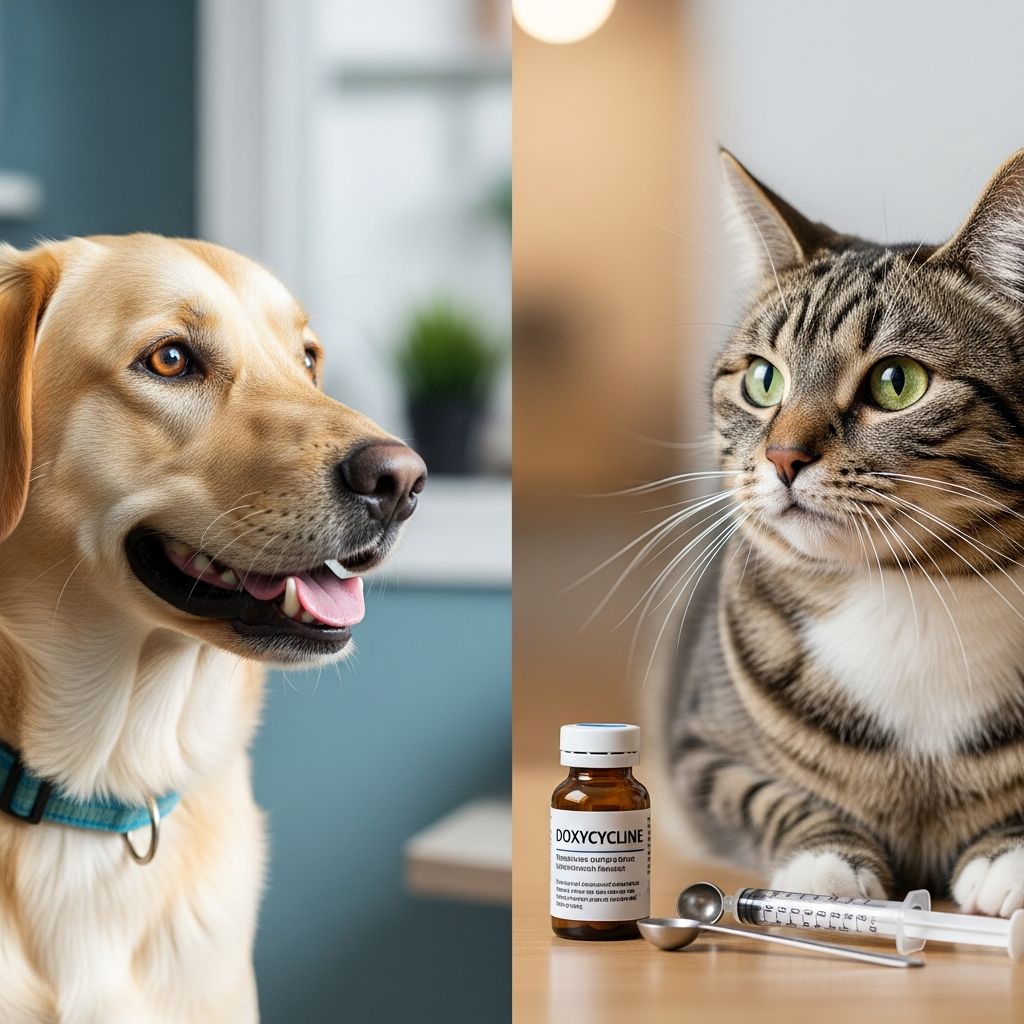
Understanding Doxycycline for Dogs and Cats
Doxycycline is a broad-spectrum antibiotic belonging to the tetracycline family of medications. It is widely prescribed by veterinarians to treat various bacterial infections and microorganisms in both dogs and cats. Unlike many other antibiotics, doxycycline has a high bioavailability, meaning it is readily absorbed by the animal body and reaches therapeutic levels quickly. This makes it an effective choice for treating numerous conditions that affect pets, from respiratory infections to tick-borne diseases. Understanding how doxycycline works, when it should be used, and how to administer it properly is essential for pet owners who need to manage their pet’s health effectively.
Common Uses of Doxycycline in Pets
Doxycycline is prescribed for a variety of bacterial infections and conditions in both dogs and cats. Its broad-spectrum nature makes it suitable for treating multiple types of infections, though it is not effective against viral or fungal infections. Veterinarians may prescribe doxycycline to treat existing infections or as a preventative measure against secondary bacterial infections that can develop following viral infections such as canine parvovirus.
Primary Conditions Treated
Doxycycline is commonly used to treat the following conditions in pets:
- Tick-borne diseases: Including Lyme disease, Rocky Mountain spotted fever, and ehrlichiosis
- Respiratory infections: Such as kennel cough and other upper respiratory bacterial infections
- Urinary tract infections: Bacterial UTIs in both dogs and cats
- Infected wounds: Traumatic or surgical wounds with bacterial contamination
- Blood-borne infections: Various bacterial infections affecting the bloodstream
- Leptospirosis: A serious bacterial infection affecting the kidneys and liver
- Periodontal disease: Gum infections and dental disease in dogs
- Heartworm-associated infections: Treatment with doxycycline to eliminate Wolbachia bacteria in heartworms
- Feline infectious anemia: In cats infected with Mycoplasma hemofelis
- Other bacterial infections: Various other infections caused by susceptible microorganisms
Dosage Guidelines for Doxycycline
The correct dosage of doxycycline for your pet depends on several factors, including the pet’s weight, the specific condition being treated, the severity of the infection, and the pet’s overall health status. Veterinarians calculate doses based on the pet’s body weight in kilograms, and the dosing can vary significantly depending on the indication.
Standard Dosing Recommendations
For both dogs and cats, the standard oral dosage of doxycycline typically ranges from 5 to 10 mg/kg of body weight. The frequency and duration of administration may vary based on the condition being treated.
| Dosage Type | Dogs | Cats | Frequency | Duration |
|---|---|---|---|---|
| Standard bacterial infections | 5-10 mg/kg | 5-10 mg/kg | Once daily (q24h) | 10-15 days |
| More severe infections | 10 mg/kg | 5-10 mg/kg | Twice daily (q12h) | 14-28 days |
| Tick-borne diseases | 10 mg/kg | N/A | Twice daily (q12h) | 30+ days |
| Heartworm treatment | 10 mg/kg | N/A | Twice daily (q12h) | 30 days |
| Periodontal disease | <5 mg/kg | N/A | Varies | As directed |
Lower doses (less than 5 mg/kg per day) have been recommended for certain conditions such as gum infections and preventative measures. Higher doses or longer treatment courses may be necessary for more severe infections or persistent conditions. It is absolutely critical that pet owners follow their veterinarian’s specific instructions regarding dosage, frequency, and duration of treatment, as improper dosing can lead to antibiotic resistance and treatment failure.
Administration Methods and Practical Tips
Doxycycline is available in multiple formulations to accommodate different preferences and situations. Pet owners should understand the different ways doxycycline can be administered and follow proper administration techniques to ensure their pet receives the medication effectively.
Available Formulations
Doxycycline is available in several different forms to suit various pets and situations:
- Tablets: The most common form, available in various strengths
- Capsules: An alternative solid dosage form
- Liquid suspension: Useful for pets that cannot swallow tablets or for precise dosing
- Gel: A topical formulation that can be applied directly to the gums for dental disease
- Injectable: Available as a veterinary-administered injection in certain circumstances
How to Give Doxycycline
Unlike some other tetracycline antibiotics, doxycycline has high bioavailability that is not significantly affected by food. This means doxycycline can be given with or without food, provided the pet has access to fresh water. However, giving doxycycline with a small amount of food can help reduce gastrointestinal side effects in some pets. Pet owners should avoid giving doxycycline with milk or cheese, as these dairy products can interfere with absorption.
For tablet administration in dogs, the tablet can be given whole with food. In cats, tablets should never be given as a dry pill, as they can become lodged in the throat and cause esophageal erosions or blockages. Instead, tablets should be crushed and mixed with food, or followed by water or food. If tablets are crushed and dissolved in liquid, the mixture must be administered immediately to maintain effectiveness.
When administering liquid doxycycline, pet owners should shake the medication well before each use and measure it accurately using a dosing dropper or syringe provided with the medication. The liquid should be given slowly to ensure the pet receives the correct dose. Liquid formulations must be stored in the refrigerator to maintain potency, while tablets should be stored at room temperature away from direct light.
Important Storage and Handling Information
Proper storage of doxycycline is essential to maintain its effectiveness. Tablet formulations should be kept at room temperature in a dry location, protected from direct sunlight and excessive heat. Liquid formulations must be refrigerated and should not be frozen. Pet owners should always check the expiration date before administering the medication and should not use expired doxycycline. Medications should be stored safely out of reach of children and other pets.
Potential Side Effects and Adverse Reactions
While doxycycline is generally well-tolerated in most dogs and cats, some pets may experience side effects. Common side effects include loss of appetite, vomiting, and diarrhea. These gastrointestinal effects can often be minimized by administering the medication with food. More serious side effects are rare but can include allergic reactions, severe gastrointestinal upset, or photosensitivity reactions in some pets. If a pet experiences any unusual symptoms or adverse reactions while taking doxycycline, pet owners should contact their veterinarian immediately.
Contraindications and Safety Considerations
Doxycycline should not be given to pregnant dogs or cats, as it can cause adverse effects on fetal development and may discolor developing teeth. Pets with known allergies to tetracycline antibiotics should not receive doxycycline. Additionally, certain drug interactions may occur if doxycycline is given concurrently with other medications. Pet owners should inform their veterinarian about all medications and supplements their pet is currently taking before starting doxycycline therapy.
Compliance and Duration of Treatment
One of the most critical aspects of doxycycline therapy is ensuring that pets receive the complete course of medication as prescribed. Pet owners must give the medication exactly as directed by their veterinarian, including the correct dosage, frequency, and duration. Even if a pet appears to be feeling better before the treatment course is complete, the medication should not be stopped early without veterinary guidance. Stopping antibiotics prematurely can result in incomplete treatment of the infection, development of antibiotic-resistant bacteria, and potential relapse of the condition. Pet owners should set reminders to ensure consistent administration and should communicate with their veterinarian if they have any difficulty administering the medication or if they notice any concerning symptoms.
Special Considerations for Cats
Cats require special attention when receiving doxycycline, particularly with tablet administration. Tablets should never be given as a dry pill to cats, as they can cause severe esophageal damage. Instead, tablets should be crushed and mixed with food or liquid, or the medication should be given in liquid form. After administration of any doxycycline formulation to cats, it is important to ensure they have adequate water intake to prevent esophageal irritation. For conditions like chlamydiosis in cats, doxycycline is typically dosed at 5-10 mg/kg per day for up to three weeks as determined by the veterinarian.
Frequently Asked Questions About Doxycycline
Q: Can doxycycline be given to both dogs and cats?
A: Yes, doxycycline is prescribed to both dogs and cats, though administration methods and specific dosing may differ between species. Cats require special precautions with tablet administration to prevent esophageal damage.
Q: How long does doxycycline take to work?
A: Doxycycline begins working relatively quickly due to its high bioavailability, but the time to visible improvement varies depending on the condition being treated. Most owners notice improvement within several days to a week of starting treatment.
Q: Can doxycycline be given with food?
A: Yes, unlike some other tetracyclines, doxycycline can be given with or without food. Giving it with a small amount of food may help reduce gastrointestinal side effects, but avoid dairy products like milk and cheese.
Q: What should I do if I miss a dose?
A: If you miss a dose, give it as soon as you remember unless it is almost time for the next scheduled dose. Do not double up on doses. Contact your veterinarian if you are unsure about missed doses.
Q: Are there any drug interactions with doxycycline?
A: Yes, doxycycline can interact with certain medications. Always inform your veterinarian about all medications and supplements your pet is taking before starting doxycycline therapy.
Q: Is doxycycline safe for pregnant or nursing pets?
A: Doxycycline should not be given to pregnant animals as it can affect fetal development. Consult your veterinarian regarding use in nursing animals.
Q: Can I adjust the dosage myself?
A: No, you should never adjust your pet’s doxycycline dosage without veterinary guidance. Improper dosing can lead to treatment failure and antibiotic resistance.
References
- Dosages of Tetracyclines — Merck Veterinary Manual. https://www.merckvetmanual.com/multimedia/table/dosages-of-tetracyclines
- Doxycycline for Dogs — NomNomNow Pet Health. https://www.nomnomnow.com/learn/article/doxycycline-for-dogs
- Doxycycline for Dogs: Uses, Side Effects, and Alternatives — American Kennel Club. https://www.akc.org/expert-advice/health/doxycycline-for-dogs/
- Use of Doxycycline in Cats and Dogs — Vets & Clinics. https://vetsandclinics.com/en/use-of-doxycycline-in-cats-and-dogs
- Doxycycline for Dogs and Cats — WebMD Pets. https://www.webmd.com/pets/pet-meds/doxycycline-for-dogs-and-cats
- Doxycycline for Dogs: Uses, Dosage, Side Effects — GoodRx Pet Health. https://www.goodrx.com/pet-health/dog/doxycycline-for-dogs
Similar Articles








Read full bio of Sneha Tete


