

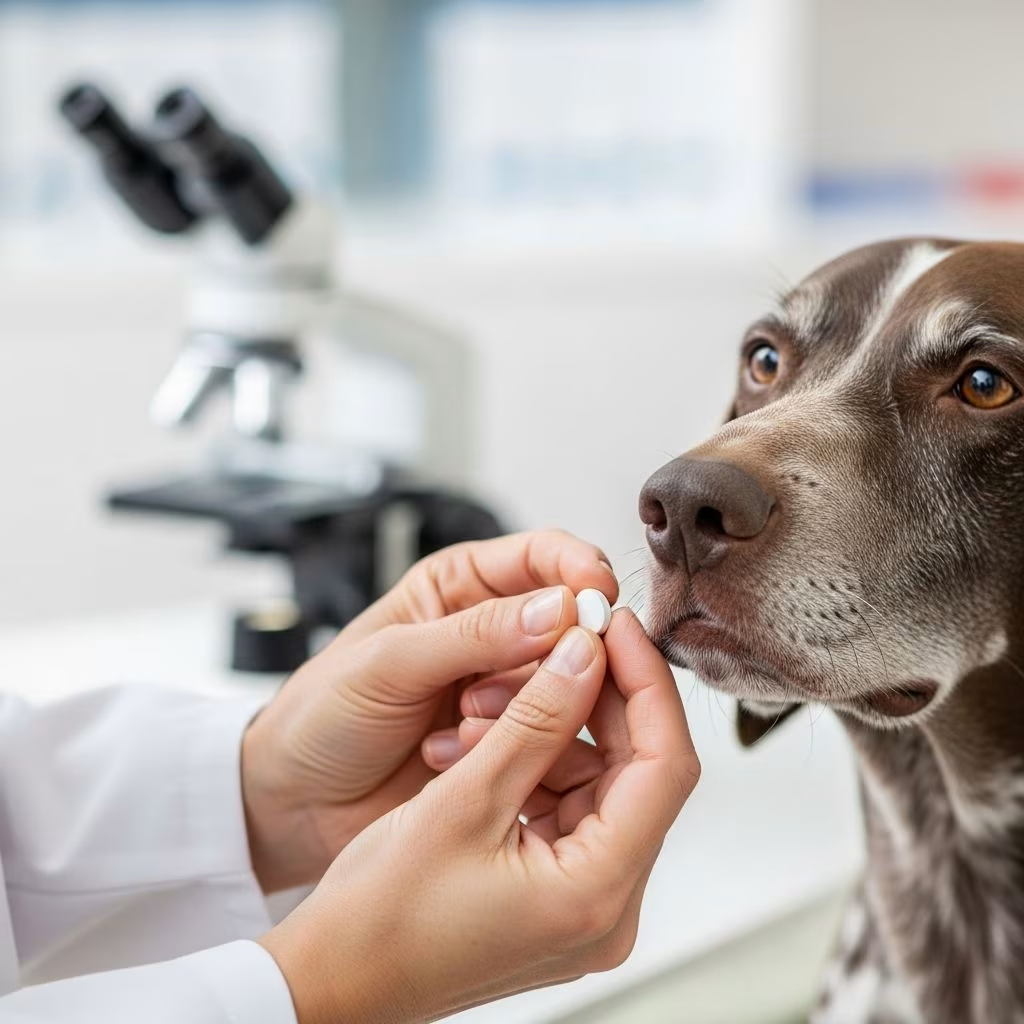
Canine ehrlichiosis is a serious tick-borne illness primarily caused by Ehrlichia canis, affecting dogs worldwide and transmitted through bites from the brown dog tick. Doxycycline stands as the cornerstone antibiotic for treatment, typically administered for four weeks to eradicate the bacteria and alleviate symptoms. Early intervention dramatically improves outcomes, with most dogs showing rapid improvement within 24-48 hours of starting therapy.
Understanding the Nature of Canine Ehrlichiosis
This bacterial infection targets white blood cells, leading to phases of acute illness, subclinical persistence, and potentially chronic damage if untreated. Dogs in endemic areas or those exposed to ticks face higher risks, with symptoms ranging from fever and lethargy to severe bleeding disorders. Recognizing the disease early hinges on understanding its progression and the pivotal role of prompt doxycycline administration.
Recognizing Symptoms Across Disease Phases
- Acute Phase: High fever, swollen lymph nodes, loss of appetite, and petechial hemorrhages appear suddenly, often 7-14 days post-infection.
- Subclinical Phase: Dogs may appear healthy but harbor the bacteria, serving as carriers that can progress or reinfect.
- Chronic Phase: Weight loss, anemia, neurological issues, and organ failure emerge, complicating recovery even with doxycycline.
Veterinarians rely on blood tests like PCR and serology to confirm infection, as symptoms overlap with other tick diseases such as Lyme or anaplasmosis.
Why Doxycycline is the Preferred Treatment
Doxycycline, a tetracycline antibiotic, excels against intracellular bacteria like E. canis due to its ability to penetrate cells and inhibit protein synthesis. Standard dosing is 5-10 mg/kg once or twice daily for 28 days, ensuring complete bacterial clearance in most cases. Shorter courses risk persistent infection and carrier states.
| Pathogen | Doxycycline Dose | Duration |
|---|---|---|
| Ehrlichia canis | 5 mg/kg BID or 10 mg/kg SID | 4 weeks |
| Anaplasma phagocytophilum | 5-10 mg/kg BID | 2-3 weeks |
| Anaplasma platys | 5-10 mg/kg BID | 8-10 days |
This table summarizes protocols from veterinary guidelines, highlighting doxycycline’s versatility against related tick-borne pathogens.
Supportive Care Alongside Doxycycline
While doxycycline targets the infection, supportive measures address complications. Intravenous fluids combat dehydration, blood transfusions manage severe anemia (PCV <20%), and analgesics like tramadol ease pain. In chronic cases, glucocorticoids such as prednisone (0.5-2 mg/kg/day) mitigate immune-mediated damage, though evidence for growth factors remains limited.
- Monitor blood counts weekly to track recovery.
- Hospitalization for pancytopenia or hemorrhage.
- Nutritional support with appetite stimulants.
Treatment Outcomes and Prognosis
Dogs treated in the acute phase recover fully within weeks, with lab values normalizing in 10-15 days. Chronic infections carry guarded prognoses, with possible relapses despite doxycycline. Co-infections with Babesia or Bartonella necessitate broader testing and adjusted therapies. Reinfection remains possible without prevention.
Potential Side Effects of Doxycycline in Dogs
Generally well-tolerated, doxycycline may cause gastrointestinal upset, vomiting, or esophageal irritation if not followed by water. Rare hypersensitivity or tooth discoloration occurs in puppies under six months. Administer with food and ample water to minimize issues.
Prevention Strategies to Avoid Ehrlichiosis
Tick preventives are paramount. Monthly topicals (e.g., Frontline Plus, Vectra 3D), orals (Nexgard, Simparica), and collars (Seresto) kill ticks before transmission. Environmental control via yard treatments and tick checks after outdoor activities further reduces risk. No vaccine exists, making vigilance essential.
Common Co-Infections and Their Management
Ehrlichiosis often pairs with anaplasmosis, Lyme disease, or Rocky Mountain spotted fever, detected via comprehensive panels. Doxycycline covers most, but Babesia requires imidocarb. Tailored plans improve success rates.
Monitoring Recovery Post-Treatment
Follow-up bloodwork at 2, 4, and 8 weeks post-doxycycline verifies clearance. Persistent PCR positivity warrants extended therapy or rifampin alternatives, per stewardship guidelines.
Frequently Asked Questions (FAQs)
Can ehrlichiosis resolve without doxycycline?
Rare spontaneous recovery occurs, but treatment is essential to prevent chronicity.
How quickly does doxycycline work?
Clinical improvement typically begins in 24-48 hours for acute cases.
Is doxycycline safe for puppies?
Use caution under 6 months; alternatives like chloramphenicol may be considered.
Can my dog get ehrlichiosis again?
Yes, prevention is ongoing as immunity is not lifelong.
What if doxycycline fails?
Rifampin or extended courses may be tried under veterinary guidance.
Long-Term Management for At-Risk Dogs
In tick-endemic regions, annual screening and year-round preventives are advised. Owners should report subtle changes like lethargy promptly, as subclinical carriers can flare.
By integrating doxycycline with vigilant prevention, dog owners can effectively manage and prevent canine ehrlichiosis, ensuring healthier lives for their pets. Consult your veterinarian for personalized protocols based on local prevalence and your dog’s health status.
References
- The Treatment of Ehrlichiosis in Dogs — Snellville Animal Hospital. 2024-05-15. https://www.snellvilleanimalhospital.org/site/blog/2024/05/15/treatment-ehrlichiosis-dogs
- Guideline for veterinary practitioners on canine ehrlichiosis and anaplasmosis in Europe — PMC (PubMed Central). 2015-02-27. https://pmc.ncbi.nlm.nih.gov/articles/PMC4324656/
- Stages & Treatment for Ehrlichiosis in Dogs — Dockery & Mobley Veterinary Clinic. 2022-01-06. https://www.dockerymobleyvets.com/site/blog/2022/01/06/ehrlichiosis-stages-dogs
- Ehrlichiosis in Dogs — VCA Animal Hospitals. N/A. https://vcahospitals.com/know-your-pet/ehrlichiosis-in-dogs
- Ehrlichiosis in Dogs: What It Is, Symptoms, and Treatment — PetMD. N/A. https://www.petmd.com/dog/conditions/infectious-parasitic/c_dg_ehrlichiosis
- Ehrlichiosis: additional veterinary guidelines for managing CME in Australia — Australian Government Department of Agriculture. N/A. https://www.agriculture.gov.au/biosecurity-trade/pests-diseases-weeds/animal/ehrlichiosis-in-dogs/veterinarians
- Canine Ehrlichiosis Fact Sheet — Ohio State University College of Veterinary Medicine. N/A. https://vet.osu.edu/sites/default/files/documents/Canine%20Ehrlichiosis%20Fact%20Sheet.pdf



