

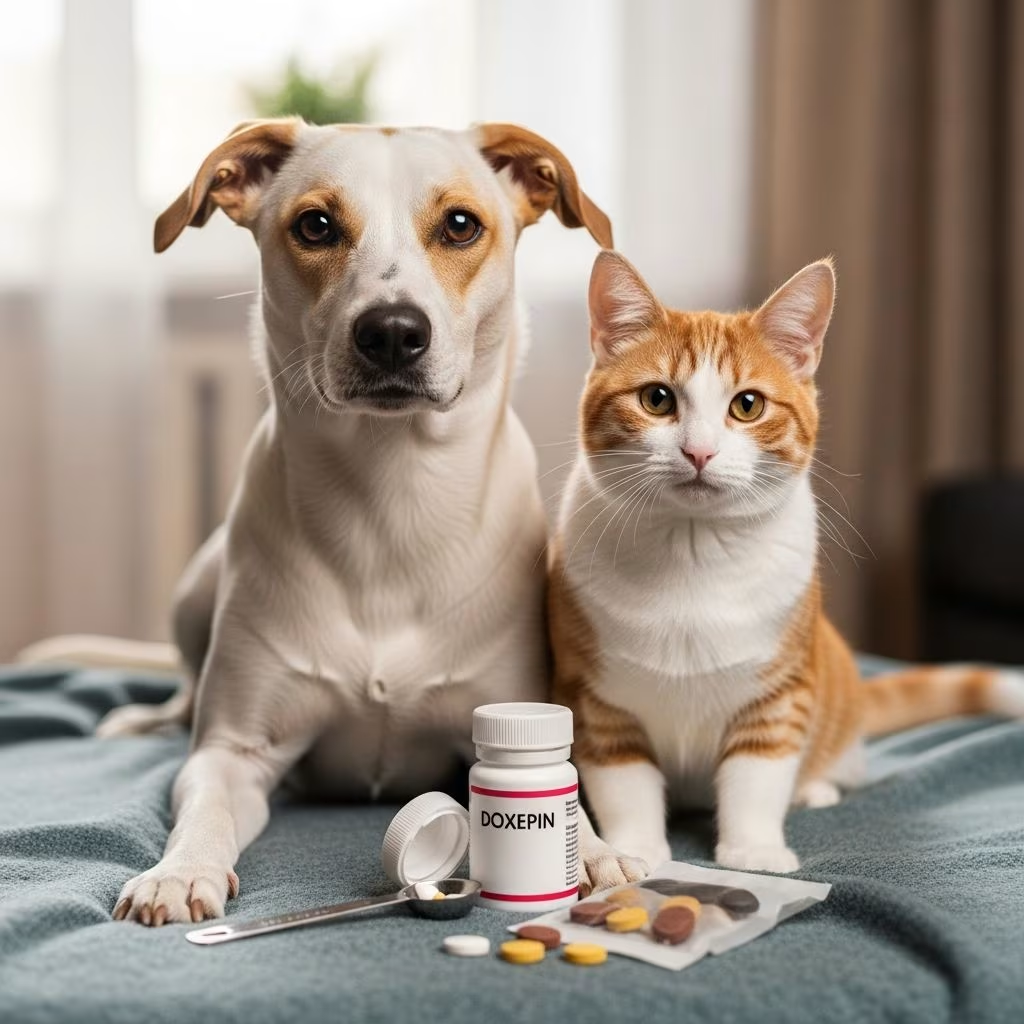
Understanding Doxepin for Pets
Doxepin is a tricyclic antidepressant medication that veterinarians prescribe to treat various conditions in dogs and cats. While many pet owners are familiar with antidepressants used in human medicine, doxepin has become increasingly valuable in veterinary practice for managing anxiety-related skin conditions and behavioral issues in companion animals. This medication works by affecting neurotransmitter levels in the brain, helping to alleviate symptoms associated with anxiety and depression in pets.
The use of doxepin in veterinary medicine represents an important advancement in treating conditions that were previously difficult to manage. By understanding how this medication works and what to expect during treatment, pet owners can make informed decisions about their animal’s healthcare and ensure proper monitoring during therapy.
What Is Doxepin?
Doxepin is a tricyclic antidepressant and antihistamine medication available under multiple brand names, including Sinequan, Silenor, Prudoxin, Doxepine, Adapin, Anten, Aponal, Deptran, and several others. In veterinary medicine, doxepin is primarily used to treat psychogenic dermatoses—skin conditions caused or worsened by psychological factors such as stress and anxiety. These conditions often manifest as excessive licking, chewing, scratching, or hair loss in areas that have no underlying physical cause.
The medication’s dual action as both an antidepressant and antihistamine makes it particularly effective for treating anxiety-induced skin problems in pets. The antihistamine properties help reduce itching and skin inflammation, while the antidepressant effects address the underlying anxiety that may be driving the destructive behavior. This combination approach often provides better results than treating either component alone.
How Is Doxepin Administered?
Doxepin is given orally to pets in several convenient forms, making it easy for owners to administer the medication at home. The medication is available as tablets, capsules, or oral liquid solutions, allowing veterinarians to choose the most appropriate formulation for each patient based on their size, age, and ability to take oral medications.
Dosing Guidelines
Pet owners should follow their veterinarian’s specific dosing instructions carefully. Doxepin may be given with or without food, but if your pet experiences vomiting when given on an empty stomach, subsequent doses should be administered with food to minimize gastrointestinal upset.
Important Administration Considerations
When giving doxepin to your pet, keep these important points in mind:
- Always ensure your pet has access to clean, fresh water throughout the day
- Do not administer doxepin with aged cheeses, as certain compounds in these foods can interact with the medication
- Avoid giving doxepin while using certain flea and tick collars that may contain incompatible ingredients
- Discontinue this medication at least two weeks before your pet undergoes skin allergy testing, as doxepin can interfere with test results
Missed Dose Protocol
If you miss giving your pet a dose of doxepin, administer it as soon as you remember and then continue with the regular dosing schedule. However, if it is almost time for the next scheduled dose, skip the missed dose and resume your normal schedule. Never give your pet two doses at once to compensate for a missed dose, as this could lead to overdosing.
Timeline for Effectiveness
Pet owners should understand that doxepin is not a medication that produces immediate results. While side effects may occur immediately upon administration, the therapeutic benefits typically develop gradually over time. Most pets begin to show noticeable improvements within a few days of starting treatment, but full effects may not be apparent for several weeks. This gradual response means that patience and consistent administration are essential for successful treatment outcomes.
Potential Side Effects
Like all medications, doxepin can cause side effects in some pets. Understanding the difference between common, manageable side effects and serious adverse reactions is crucial for responsible pet care.
Common Side Effects
The following side effects are relatively common and may occur in pets taking doxepin:
- Sleepiness (the most frequently reported side effect)
- Dry mouth
- Straining to urinate or difficulty urinating
- Decreased appetite
- Vomiting
- Diarrhea
- Constipation
Most of these common side effects are mild and may diminish as your pet’s body adjusts to the medication. However, if any side effect persists or worsens, contact your veterinarian for guidance.
Serious Adverse Reactions
Serious adverse reactions may occur with doxepin, especially when high doses are administered. If your pet develops any of the following signs, stop giving doxepin immediately and contact your veterinarian:
- Excitability or unusual hyperactivity
- Abnormal heart rhythms or palpitations
- Collapse or loss of consciousness
- Coma
- Abnormal bleeding
- Fever
- Seizures
These serious side effects require immediate veterinary attention and may indicate a medical emergency.
Medication Duration and Clearance
Doxepin is classified as a moderate-acting medication that typically stops working within a few days of discontinuation. However, the duration of effects can be extended in pets with liver or kidney disease, as these organs are responsible for metabolizing and eliminating the medication from the body. If your pet has compromised liver or kidney function, your veterinarian may recommend a longer waiting period after discontinuing doxepin before starting alternative treatments.
Risk Factors and Contraindications
Certain conditions and situations make doxepin unsuitable or risky for some pets. Understanding these risk factors helps ensure the safest possible treatment approach.
Do Not Use Doxepin In:
- Pets with known allergies to doxepin or other tricyclic antidepressants
- Pets currently using monoamine oxidase inhibitors (MAOIs), including certain flea and tick collars containing these compounds
- Pets scheduled for skin allergy testing within the next two weeks
Use With Caution In:
Doxepin should be used with careful veterinary supervision in pets with the following conditions:
- Heart disease or cardiac abnormalities
- Glaucoma
- Dry eye (keratoconjunctivitis sicca/KCS)
- Difficulty urinating or urinary retention
- Prostate enlargement
- Thyroid disease
- Adrenal tumors
- Gastrointestinal blockages
- Epilepsy or history of seizures
- Very young or very old age
- Pregnancy or nursing status
Drug Interactions
Doxepin can interact with various medications, potentially reducing effectiveness or increasing the risk of adverse effects. Pet owners must inform their veterinarian about all medications, supplements, and herbal therapies their pet is taking before starting doxepin. Medications that require caution when used with doxepin include:
- Anticholinergic agents
- Antihistamines
- Drugs that prolong the QTC interval
- Monoamine oxidase inhibitors (MAOIs)
- Nonsteroidal anti-inflammatory drugs (NSAIDs)
- Selective serotonin reuptake inhibitors (SSRIs)
- Tramadol
Additionally, doxepin may affect blood glucose levels and can interfere with intradermal allergy testing. If your pet requires skin allergy testing, discontinue doxepin at least two weeks prior to the procedure.
Monitoring Your Pet on Doxepin
Regular monitoring is essential to ensure doxepin is working effectively and not causing harmful side effects. Your veterinarian will establish a monitoring schedule and let you know what signs to watch for at home. Pet owners should observe their pet daily for any side effects and report changes to their veterinarian.
Keep a brief log of your pet’s behavior, appetite, energy levels, and any adverse reactions. This information can help your veterinarian assess whether doxepin is the right treatment and whether dosage adjustments are needed. Regular veterinary check-ups during treatment allow your veterinarian to evaluate your pet’s response to the medication and make any necessary changes.
Storage and Safety Precautions
Proper storage and handling of doxepin ensures medication safety and effectiveness:
- Store doxepin at room temperature, protected from light
- Keep the medication container out of reach of children and pets
- Do not store in bathrooms or other humid environments
- Check expiration dates and dispose of expired medication properly
Emergency Information
In case of suspected overdose or severe adverse reaction, contact your veterinary office immediately. If your regular veterinarian is unavailable, follow their emergency instructions or contact an emergency veterinary facility. When calling, be prepared to provide information about the medication product name, your pet’s weight, and detailed descriptions of symptoms.
Frequently Asked Questions About Doxepin for Pets
Q: How long does it take for doxepin to work in pets?
A: While side effects may occur immediately, therapeutic benefits typically develop gradually over several days to weeks. Full effects are usually noted within a few weeks of starting treatment at consistent dosing.
Q: Can doxepin be used for all types of skin problems in pets?
A: No, doxepin is specifically designed for psychogenic dermatoses—skin conditions caused or worsened by anxiety and psychological stress. It is not effective for skin problems caused by infections, parasites, or allergies alone.
Q: What should I do if my pet misses a dose?
A: Give the missed dose as soon as you remember, unless it is almost time for the next dose. Never double-dose your pet to make up for a missed administration.
Q: Are there any foods I should avoid giving my pet while on doxepin?
A: Yes, avoid giving aged cheeses to your pet while on doxepin, as certain compounds in these foods can interact with the medication.
Q: Can doxepin be stopped abruptly?
A: Consult your veterinarian about the appropriate way to discontinue doxepin. While it is a moderate-acting medication that clears relatively quickly, your veterinarian may recommend a gradual dose reduction depending on your pet’s specific situation.
Q: Is doxepin safe for puppies and kittens?
A: Doxepin should be used with caution in very young pets. Consult your veterinarian about whether doxepin is appropriate for your young pet and what dosage adjustments may be necessary.
Q: What happens if my pet overdoses on doxepin?
A: Contact your veterinarian or emergency veterinary facility immediately if you suspect an overdose. Serious adverse reactions are typically associated with high doses and require prompt medical attention.
References
- Doxepin’s effects on chronic pain and depression: a controlled study — National Center for Biotechnology Information (NCBI)/PubMed. 2024. https://pubmed.ncbi.nlm.nih.gov/6321454/
- Doxepin (oral route) – Description, Side Effects & Dosage — Mayo Clinic. 2024. https://www.mayoclinic.org/drugs-supplements/doxepin-oral-route/description/drg-20072083
- Veterinary Drug Information: Tricyclic Antidepressants in Companion Animals — VCA Animal Hospitals. 2024. https://vcahospitals.com/know-your-pet/doxepin



