
Dove Personality, Food & Care – Pet Birds
Complete guide to dove care, personality, and housing for bird enthusiasts.
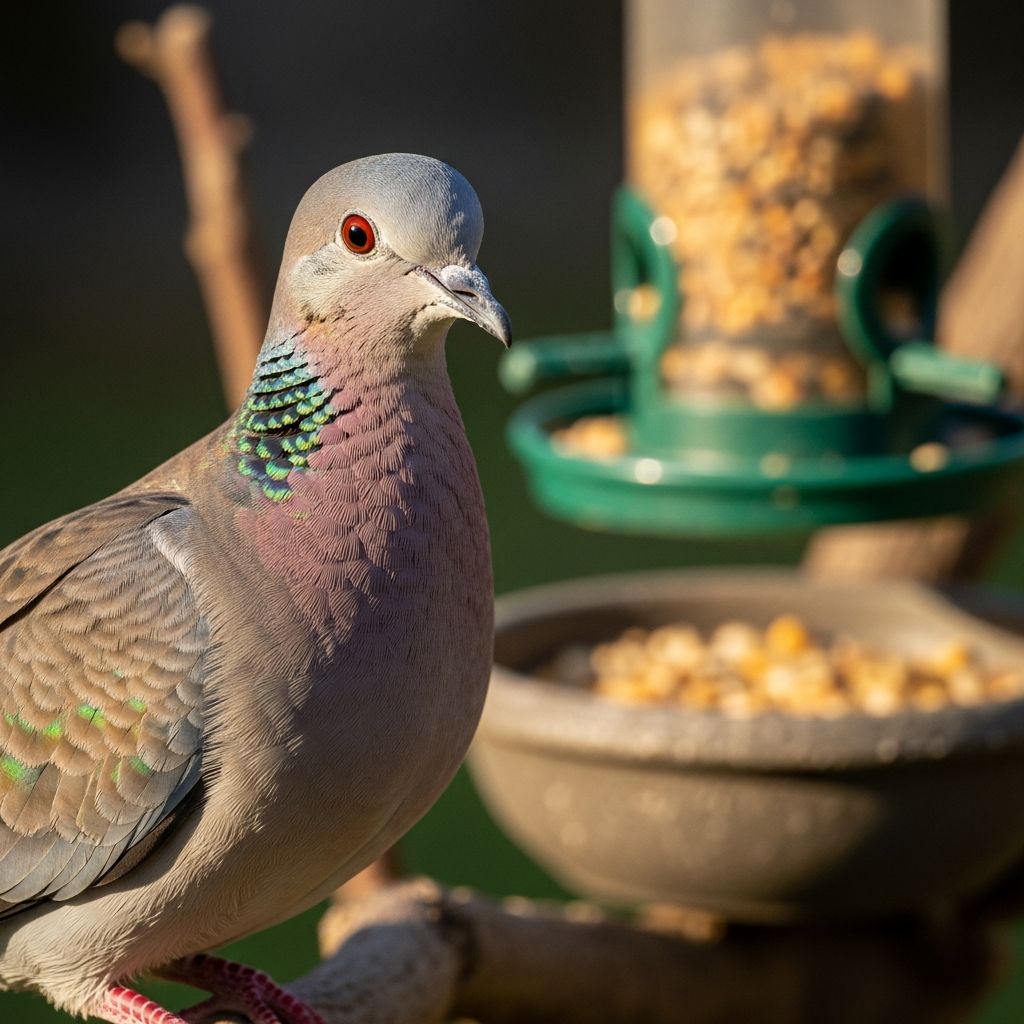
What Is A Dove?
Doves are found in almost every part of the world, and there are hundreds of dove species in existence. However, only a handful of doves are commonly available as pets, with the diamond dove and the ring-necked dove standing out as the most popular pet dove species. These gentle birds offer a unique alternative for those seeking avian companionship without the demanding requirements associated with larger parrots.
Doves are particularly ideal for someone who wants a bird but cannot accommodate the needs of a parrot, such as managing noise levels and providing one-on-one social interaction. Their interactions are fun to watch, and many people consider their soft cooing a pleasant sound. Unlike the loud screeches and demanding nature of parrots, doves provide a more peaceful and low-maintenance pet experience.
Native Region and Natural Habitat
Different dove species originate from various parts of the world. The diamond dove, one of the most popular pet species, is native to Australia, where they are found in the dry deserts of the northern and central regions. Ring-necked doves, another common pet species, have different geographical origins. Understanding a dove’s native habitat helps bird enthusiasts replicate appropriate environmental conditions in captivity, promoting better health and natural behaviors.
Housing and Environmental Needs
Doves have distinctly different housing needs compared to parrots. While parrots can climb up cage bars using their beaks and feet, doves are unable to do so. Instead, they move about by flying back and forth, making a wide cage an essential feature for proper housing. This flying behavior means that horizontal space is more important than vertical height.
When setting up your dove’s living space, consider the following housing requirements:
- Provide a cage that is as wide and spacious as possible to accommodate flying
- Ensure adequate floor space, as many dove species spend considerable time on the ground
- Offer a variety of perch styles and varying diameters to promote good foot health
- Create opportunities for regular bathing, which doves require for feather and skin health
- Consider aviary settings where doves can fly freely and interact with nature
- Keep larger or aggressive birds separate, as doves cannot defend themselves effectively
Diamond doves particularly spend a good portion of their day on the ground, so providing plenty of walking space is crucial. If you cannot provide a large cage due to space constraints, doves may never leave it, making adequate exercise space essential for preventing health issues like egg binding in females.
Care and Feeding Guidelines
Proper nutrition is fundamental to dove health and longevity. Doves have different dietary requirements than parrots, primarily because they eat seeds whole rather than crushing them with their beaks.
Dietary Requirements
Doves require specific nutritional components to thrive:
- A high-quality seed mixture as the foundation of their diet
- Grit to help them digest seeds they consume whole
- Multiple types of grit for optimal digestive health
- Calcium supplements, especially important during breeding periods
- Plenty of fresh greens and soft fruits for vitamins and minerals
- Hard-boiled eggs and specialized egg food during breeding season
When breeding doves, provide well-cooked hard-boiled eggs and egg food to support the breeding pair’s nutritional needs. However, it’s tempting to breed these birds year-round, doing so will leave the birds in an exhausted and weakened state. Most aviculturists recommend resting birds for a few months after every two or three clutches to maintain their health and longevity.
Breeding Considerations
Doves breed readily and will breed well in an open nest slightly larger than a canary’s nest, with a liner and nesting material added. The key to sustainable breeding is implementing proper rest periods. Without adequate rest between breeding cycles, doves become exhausted, their lifespan decreases, and they may develop serious health problems. When well cared for and given proper rest periods, ring-necked doves can live for more than ten years.
Personality and Behavior
Understanding dove personality is essential for setting realistic expectations about pet ownership. Doves are generally hands-off pets compared to many other bird species. This characteristic makes them suitable for people who appreciate observing bird behavior rather than requiring constant interactive play.
Doves are quite social with other members of their kind and can be accustomed to taking food from your hand with patience. Some doves can be hand-tamed, particularly if they are hand-fed from a young age. However, forcing interaction can result in terrifying the bird or causing injury, such as a broken wing. Diamond doves particularly will not necessarily want to interact with you unless you purchase a hand-fed bird or hand-feed their babies yourself.
One advantage of keeping doves over parrots is that you don’t have to worry about “the big, bad bite” a parrot might be capable of. Doves are gentle birds that will not bite when handled, making them safer for families with children, though they are not ideal pets for young children who may want a bird they can hold and pet constantly.
Speech and Sound Characteristics
If you’re considering keeping doves, you should be prepared for constant cooing. While they cannot screech like a parrot, their cooing is fairly constant and fairly low in volume. Some people enjoy the dove’s coo and find it relaxing and soothing; others, however, might not enjoy the constant cooing sound, especially in apartment settings.
Doves are generally not loud birds compared to parrots, making them excellent choices for apartment dwellers or older persons who want to own birds but may not want the noise that typically accompanies them. Remember that as with all birds, the more you have, the louder they will be. This is especially important to remember with doves, as they will breed you out of house and home if you let them breed unchecked!
Health and Common Conditions
While doves are generally healthy birds, they are susceptible to several health issues that owners should monitor:
Parasitic Issues
Doves are susceptible to red mites, which hide during the day and come out at night to feed on the bird’s blood. Doves housed outdoors are particularly vulnerable to roundworms, tapeworms, and other worm species. Regular cage cleaning and monitoring help prevent these infestations.
Infectious Diseases
Canker is a respiratory disease that shows as a swelling in the dove’s throat and a cheesy-looking growth around the mouth. This condition can be fatal if not treated promptly. Those who keep doves should wash their hands after handling, feeding, or cleaning the dove’s housing because doves can transfer Chlamydia and Salmonella (bacterial infections) to people. Practicing good hygiene when working with doves protects both the birds and human caretakers.
Dove Populations in the Wild
While many dove varieties exist in nature, only a handful are commonly kept as pets. Diamond doves and ring-necked doves are the two dove species most likely to be offered for sale in large pet stores, as well as avian-specialty stores and from bird breeders. Bird breeders are more likely to offer more diverse dove species than commercial pet stores, making them valuable resources for people seeking specific varieties.
Frequently Asked Questions About Doves
Q: Are doves suitable for apartment living?
A: Yes, doves are excellent apartment pets. They are much quieter than parrots and their soft cooing is generally considered pleasant. Their calm demeanor and low noise levels make them ideal for apartment dwellers.
Q: How long do pet doves live?
A: When properly cared for, ring-necked doves and diamond doves can live for more than ten years. Providing adequate rest periods between breeding cycles, proper nutrition, and appropriate housing significantly impacts their lifespan.
Q: Can doves be hand-tamed?
A: Some doves can be hand-tamed, particularly hand-fed birds from a young age. However, doves are generally hands-off pets compared to parrots, and forcing interaction can frighten them or cause injury.
Q: What is the difference between diamond doves and ring-necked doves?
A: Diamond doves are smaller, with a body about the size of a lovebird and a long, slender tail. They are native to Australia and are particularly suitable for beginners. Ring-necked doves are larger and may have different origin regions. Both make good pets but have distinct characteristics.
Q: Do doves need companions?
A: Doves are social birds and do best when kept with other doves. If doves are not bonded to people, they will need a dove companion. They are content to breed and interact with other doves rather than with humans.
Q: What health issues should I watch for in my dove?
A: Monitor for red mites, canker (a respiratory disease with throat swelling), and parasites like roundworms and tapeworms in outdoor-housed birds. Maintain good hygiene practices and watch for any signs of illness or unusual behavior.
References
- Dove Personality, Food & Care – Pet Birds by Lafeber Co. — Lafeber Company. 2024. https://lafeber.com/pet-birds/species/dove/
- Diamond Dove Personality, Food & Care – Pet Birds by Lafeber Co. — Lafeber Company. 2024. https://lafeber.com/pet-birds/species/diamond-dove/
- Discouraging Breeding Behavior In Pet Birds — For The Birds DVM. 2024. https://www.forthebirdsdvm.com/pages/discouraging-breeding-behavior-in-pet-birds
Similar Articles








Read full bio of medha deb


