
Dove Nutrition: Complete Guide to Feeding Your Pet Dove
Master dove nutrition with expert feeding guidelines, diet recommendations, and care tips.
Understanding Dove Nutrition Basics
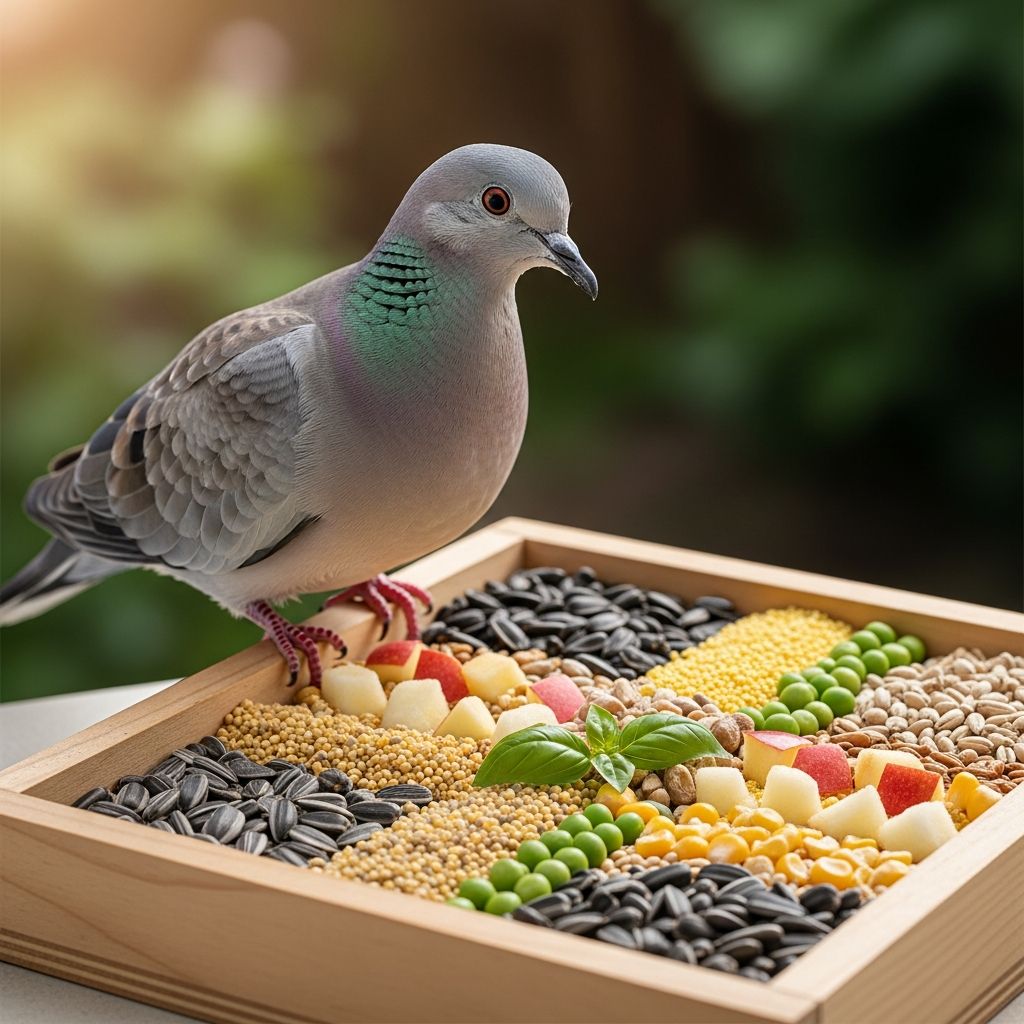
Doves are granivores, meaning their natural diet consists of mostly seeds and grains. This fundamental characteristic shapes how we should approach feeding our pet doves. Unlike parrots, doves swallow their food whole rather than cracking and hulling seeds with their beaks. This unique feeding behavior has significant implications for their nutritional needs and the types of food we should provide them.
Doves also enjoy a variety of foods beyond seeds in their natural habitat. In the wild, they eat dark leafy greens, various vegetables, chopped fruits, cooked brown rice, and multi-grain bread. Additionally, they consume berries and insects, which provide important micronutrients and protein sources. Understanding this natural diet helps pet owners create a more balanced and enriching feeding program for their captive doves.
The Role of Seeds in a Dove’s Diet
Seeds form the foundation of a dove’s diet and should remain a primary component of their nutrition. However, it’s important to recognize that traditional seed-based diets alone may not provide all necessary nutrients for optimal health. Seeds are naturally high in fat and may be deficient in certain vitamins and minerals when fed exclusively.
A good seed mixture should be the primary food offered to doves, but it should be supplemented with other nutritious options. When seeds are fortified with vitamins and minerals, they become more nutritionally complete since doves swallow their seeds whole and don’t lose the outer hull where vitamins are often applied, unlike parrots. This is an important distinction that makes fortified seeds a viable option for doves.
Pellets and Formulated Products
While doves don’t have species-specific pellets widely available, they can successfully eat pellets formulated for other small bird species. Research shows that the optimal diet is high in a complete and balanced formulated product, with little human food and a limited amount of seed. This principle applies to doves as well, though their natural preference for whole seeds makes complete pellet conversion challenging.
Recommended pellet options for doves include finch granules, canary pellets, parakeet pellets, or cockatiel pellets. Since doves do not chew, they can handle these smaller-sized pellets without difficulty. When introducing pellets to a seed-eating dove, start by offering them as a small amount mixed with seeds rather than attempting a complete dietary overhaul. This gradual transition respects the dove’s natural feeding preferences while improving nutritional intake.
Vegetable and Fruit Supplementation
Beyond seeds and pellets, fresh vegetables and fruits should form an important part of a dove’s diet. Dark leafy greens such as spinach, kale, and Swiss chard are particularly beneficial and should be offered regularly. Chopped vegetables like carrots, broccoli, bell peppers, and zucchini provide essential vitamins and minerals that support overall health.
Fruits should also be included but in moderation due to their natural sugar content. Chopped fruits like apples, berries, melons, and grapes can be offered as nutritional supplements and enrichment. These plant-based additions help prevent nutritional deficiencies and provide the variety that doves experience in their natural diet. Vegetables and fruits should be offered in a separate dish to ensure your dove consumes them and prevent spoilage.
Additional Food Options
Several other food options can enhance your dove’s nutritional intake and provide enrichment. Cooked brown rice and multi-grain bread are healthy carbohydrate sources that doves enjoy. During breeding season, a well-cooked hard-boiled egg and specialized egg food are appreciated and help support reproductive health.
Nutri-Berries specifically designed for small birds can be offered to doves, though they may need to be crumbled for easier consumption depending on the dove species. Popcorn Nutri-Berries are a healthy treat that doesn’t require crumbling. These formulated treats provide nutritional balance along with behavioral enrichment through the natural foraging activity of eating them.
The Importance of Grit in a Dove’s Diet
Unlike parrots, doves require grit in their diet to aid digestion. Since doves eat their seeds whole without cracking them, the grit in their gizzard helps grind the seeds for proper digestion. Provide several types of grit to ensure your dove has adequate digestive support. Calcium supplements should also be offered, particularly during breeding season when calcium demands increase significantly.
Age Considerations in Dove Nutrition
The age of your dove influences nutritional recommendations. For older doves that have thrived on a seed diet for many years, major dietary changes may not be necessary or advisable. If a dove has reached an advanced age on its current diet and remains healthy, consistency becomes important. However, even for older birds, gradually introducing formulated products in small amounts can improve overall nutritional status.
Younger doves and newly acquired doves benefit from being started on a more diverse diet that includes pellets, seeds, vegetables, and fruits from the beginning. This early dietary education makes it easier to maintain balanced nutrition throughout their lives. Doves can live well into their twenties or even thirties with proper care, making long-term nutritional planning essential.
Species-Specific Dietary Considerations
Ring-Necked Doves
Ring-necked doves are the most common pet dove species. They thrive on the seed-based diet supplemented with pellets, vegetables, and fruits as outlined above. These birds can successfully be maintained on a combination of fortified seeds and quality small-bird pellets. Their relatively large size compared to diamond doves means they can handle standard finch or canary-sized pellets comfortably.
Diamond Doves
Diamond doves are significantly smaller than ring-necked doves, measuring only about seven inches from head to tail. Due to their diminutive size, they benefit from parakeet or cockatiel-sized Nutri-Berries or pellets, which contain mainly small seeds and pieces appropriate for their beak size. When offering crushed Nutri-Berries to diamond doves, mixing them with finely mashed pellets can reduce waste and ensure more complete consumption of the nutritional content.
Diamond doves, like all doves, eat mostly seed and greens in the wild and should not be fed a high-fat, high-protein diet. Foods like suet cakes, which are high in fat and protein, are inappropriate for captive doves and can lead to obesity and heart disease.
Avoiding Inappropriate Foods
While doves are adaptable birds, certain foods should be avoided. High-fat, high-protein diets are inappropriate for captive doves, as their activity level is much lower than wild birds. Suet cakes designed for wild birds during winter should never be fed to pet doves, as the excess fat and protein can cause serious health problems including obesity and cardiovascular disease.
Foods high in salt, chocolate, avocado, and caffeine should also be avoided, as they are toxic or unhealthy for birds. Human foods that are processed or high in sugars should be minimized, as they provide little nutritional benefit while potentially contributing to obesity and metabolic disease.
Nutritional Deficiency Risks
Research on pet bird diets has revealed important information about nutritional deficiencies. Birds that consume less than 50% of their diet as formulated products are at risk of becoming deficient in several nutrients, including vitamin A, vitamin D3, and calcium. Diets high in human food are particularly low in protein, energy, vitamins, and minerals. These findings underscore the importance of incorporating quality pellets or fortified seeds into your dove’s diet.
Seed-only diets are deficient in many nutrients, including vitamin A, vitamin D3, several B vitamins, and several minerals including calcium. Most seed diets are also high in fat. Supplementation becomes crucial when feeding a seed-based diet, and even fortified seeds may not provide complete nutrition over the long term.
Creating a Balanced Feeding Program
The ideal dove diet should include multiple components working together to provide complete nutrition. Start with a quality seed mixture as the foundation—preferably fortified with vitamins and minerals. Add small amounts of pellets appropriate for small birds, mixed with or offered separately from seeds. Provide fresh vegetables and fruits daily in a separate dish. Offer grit and calcium supplements, particularly during breeding season.
For older doves that have thrived on seed diets, continue current feeding practices if the bird is healthy, but consider adding small amounts of pellets or other nutritional supplements as the bird ages. Monitor your dove’s weight, feather condition, activity level, and overall health as indicators of dietary adequacy.
Special Considerations for Breeding Doves
During breeding season, doves have increased nutritional requirements. Hard-boiled eggs and egg food become particularly important during this time, providing essential proteins and nutrients needed for egg production and chick-rearing. Calcium supplements are especially important during breeding, as females require additional calcium for eggshell production.
Most aviculturists recommend resting breeding doves for a few months after every two or three clutches to prevent exhaustion and nutritional depletion. Continuous breeding without rest leaves birds in a weakened state and can shorten their lifespan.
Frequently Asked Questions About Dove Nutrition
Q: Do doves require pellets or can they eat seeds only?
A: While doves naturally eat seeds, research shows that seeds alone are often nutritionally deficient. Incorporating pellets, vegetables, and fruits creates a more balanced diet. However, older doves that have thrived on seeds may not need major dietary changes if they remain healthy.
Q: What size pellets should I feed my dove?
A: For ring-necked doves, finch, canary, parakeet, or cockatiel-sized pellets work well. For smaller diamond doves, parakeet or cockatiel-sized pellets are recommended as they contain mainly small seeds and pieces appropriate for their beak size.
Q: How often should I offer vegetables and fruits?
A: Fresh vegetables should be offered daily as part of your dove’s diet. Fruits can be offered several times per week but should be given in moderation due to their natural sugar content.
Q: Is grit necessary for doves?
A: Yes, grit is essential for doves because they swallow seeds whole and rely on grit in their gizzard to grind the food for digestion. Provide several types of grit and ensure it’s always available.
Q: How long can pet doves live with proper nutrition?
A: Ring-necked doves can live more than ten years with proper care, and some have been known to live into their thirties. Proper nutrition is a key factor in achieving these extended lifespans.
Q: Can I feed my dove Nutri-Berries?
A: Yes, Nutri-Berries can be fed to doves. Gourmet Nutri-Berries containing fruits and vegetables are formulated to be nutritionally complete. Popcorn Nutri-Berries are a healthy treat. Smaller birds may need them crumbled for easier consumption.
Q: Should I avoid any foods for my pet dove?
A: Yes, avoid high-fat, high-protein foods like suet cakes, which can cause obesity and heart disease in captive doves. Also avoid salt, chocolate, avocado, caffeine, and processed human foods with added sugars.
References
- The Nutritional Content of Pet Bird Diets — LafeberVet. 2025. https://lafeber.com/vet/the-nutritional-content-of-pet-bird-diets/
- Dove Food Nutrition Guide — Lafeber Pet Birds. 2025. https://lafeber.com/pet-birds/questions/dove-food/
- Dove Nutrition and Dietary Requirements — Lafeber Pet Birds. 2025. https://lafeber.com/pet-birds/questions/dove-nutrition/
- Diamond Dove Nutrition and Care — Lafeber Pet Birds. 2025. https://lafeber.com/pet-birds/questions/diamond-doves-and-nutri-berries/
- Diamond Dove Food and Diet — Lafeber Pet Birds. 2025. https://lafeber.com/pet-birds/questions/food-for-diamond-dove/
- Diamond Dove Species Guide — Lafeber Pet Birds. 2025. https://lafeber.com/pet-birds/species/diamond-dove/
- Dove Species Care and Nutrition — Lafeber Pet Birds. 2025. https://lafeber.com/pet-birds/species/dove/
Similar Articles








Read full bio of Sneha Tete


