

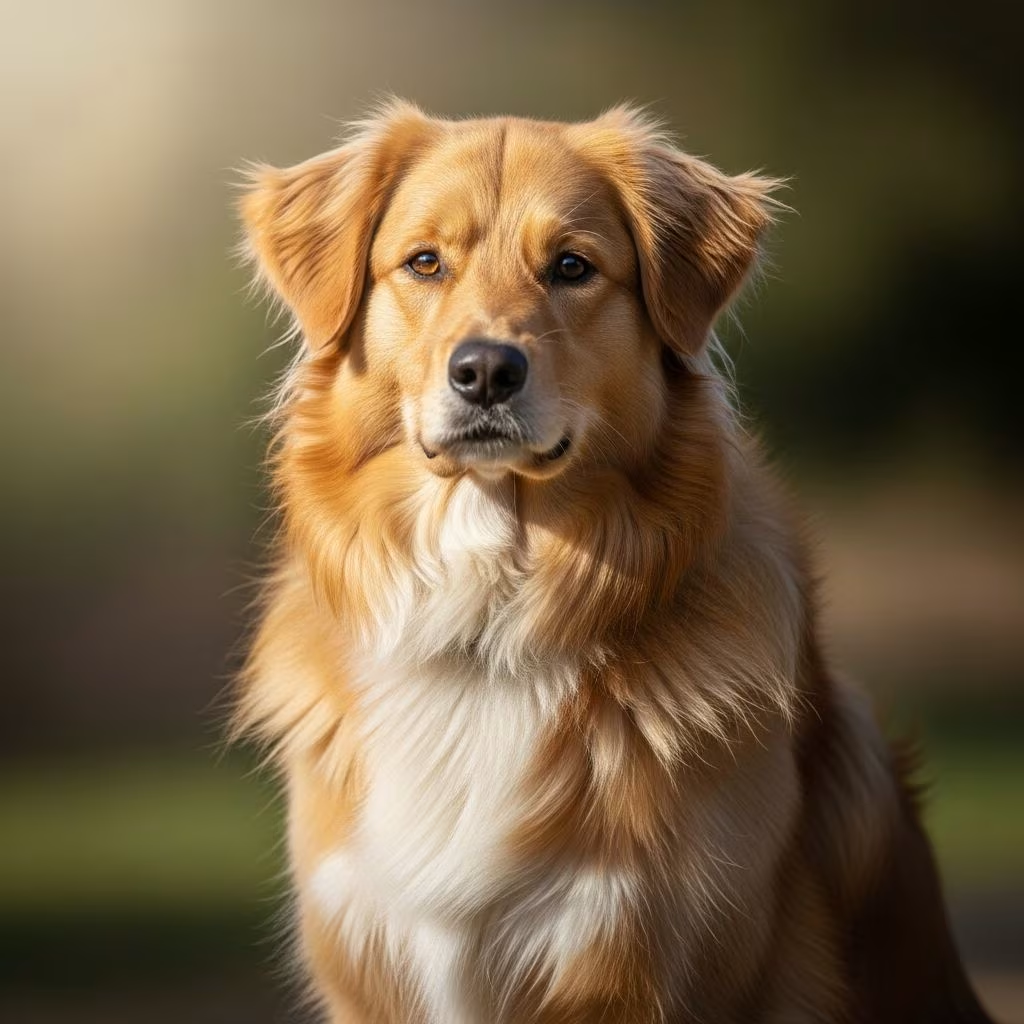
The Anatomy of a Dual-Layer Coat System
Dogs with double coats possess a sophisticated two-layer fur system that serves multiple biological functions. This distinctive coat structure represents thousands of years of evolutionary refinement, allowing certain breeds to thrive in demanding environmental conditions. Unlike single-coated dogs that feature one continuous layer of hair similar to human hair growth patterns, double-coated canines have developed two entirely separate coat layers with independent growth cycles and different physical characteristics.
The outer layer, commonly referred to as the topcoat or guard coat, consists of longer, coarser hairs that provide the primary protective barrier against external environmental stressors. These guard hairs are typically quite robust and resilient, featuring a smooth appearance that gives many double-coated breeds their distinctive polished look. The topcoat’s primary responsibilities include repelling water, blocking harmful ultraviolet rays, and shielding the dog’s skin from wind, dirt, and other environmental contaminants.
Beneath this protective outer layer lies the undercoat, a dense, soft layer composed of shorter hairs that form an insulating blanket close to the skin. Often described as woolly or plush in texture, the undercoat traps air pockets against the body, creating an effective insulation system that regulates body temperature across varying climates. This dual-layer arrangement represents an ingenious natural solution to thermal regulation, allowing dogs to remain comfortable whether facing Arctic conditions or moderately warm weather.
Evolutionary Advantages and Breed Development
The development of double coats reflects specific environmental pressures and working requirements that shaped different canine populations. Arctic and subarctic breeds such as the Samoyed, Alaskan Malamute, and American Eskimo Dog developed exceptionally thick double coats as essential survival mechanisms in frigid climates. These breeds historically depended on an extra layer of undercoat density to maintain body heat and facilitate reproduction in extremely cold temperatures.
Water-retrieval specialists including Labrador Retrievers and similar sporting breeds evolved their distinctive water-resistant double coats specifically for cold-water work. The topcoat repels moisture while the undercoat maintains insulation even when wet, allowing these dogs to enter frigid water repeatedly without experiencing dangerous heat loss.
Herding dog breeds developed double coats to withstand extended periods working outdoors in variable weather conditions. These working dogs needed protection from sun exposure, rain, and wind while maintaining freedom of movement and vision during livestock management tasks. Smaller breed groups such as Pomeranians retained double coats as genetic remnants of their spitz-type heritage from northern European regions.
Identifying Double-Coated Dogs: Physical Indicators
Determining whether a dog possesses a double coat requires careful observation of specific physical characteristics. Not all dogs that appear fluffy or thick-haired necessarily have true double coats, making proper identification important for appropriate grooming and care planning.
Key identifying features include:
- Noticeably thick fur accumulation around the neck, chest, and tail base, creating a fuller appearance in these regions
- Seasonal shedding patterns that occur cyclically, typically producing substantial volumes of loose hair during specific times of year
- A distinct two-texture feel when running fingers through the coat, with coarser guard hairs overlaying a soft, dense undercoat
- A puffy, voluminous appearance, particularly when the undercoat reaches peak density
- Evidence of shedding that reveals shorter, finer hair beneath longer outer hairs when the coat is parted
These observable traits collectively distinguish true double-coated breeds from dogs with single coats or those with exceptionally thick single-layer coats that may initially appear similar.
Popular Double-Coated Breeds Across Size Categories
Double-coated dogs exist across an impressive range of sizes, temperaments, and working backgrounds. While numerous breeds share this coat structure, several have achieved widespread popularity as family companions and working partners.
Widely recognized double-coated breeds include:
- Corgis – small herding dogs with characteristic short legs and alert temperaments
- Border Collies – highly intelligent herding specialists renowned for working drive
- Golden Retrievers – friendly sporting dogs suited for families and service work
- German Shepherds – versatile working dogs used in police and military roles
- Bernese Mountain Dogs – large, gentle giants with Swiss working heritage
- Labrador Retrievers – energetic retrievers known for water work and service roles
- Greater Swiss Mountain Dogs – powerful working dogs adapted to alpine conditions
- Alaskan Malamutes – large Arctic breeds requiring substantial space and exercise
- Pomeranians – small Arctic descendants maintaining thick coat density
- Samoyeds – arctic spitz-type breeds with white double coats
- American Eskimo Dogs – compact northern spitz breeds
Despite variations in size, temperament, and historical function, all these breeds share the common characteristic of universal shedding that requires dedicated grooming attention.
The Seasonal Shedding Cycle: Coat Blowing
One of the most significant characteristics of double-coated dogs involves their predictable, cyclical shedding patterns. Double-coated breeds shed substantially more than single-coated dogs, particularly during seasonal transitions when they undergo a process colloquially known as “blowing the coat”.
This natural shedding process typically occurs twice yearly – in spring and fall – as dogs prepare for seasonal temperature changes. During coat-blowing periods, dogs release their undercoat en masse, producing impressive volumes of shed hair that can seem to create entirely new dogs. This is not a grooming problem or health concern but rather an essential biological process that helps dogs regulate body temperature as they adapt to shifting seasonal conditions.
The undercoat sheds more frequently and substantially than the topcoat because the undercoat’s hairs are not as structurally strong and are designed to cycle through growth and shedding more regularly. The undercoat is also released twice yearly, while topcoats grow more slowly and shed less frequently.
Understanding this natural cycle helps owners prepare for peak shedding periods and implement appropriate grooming interventions to manage loose hair effectively. Rather than viewing shedding as problematic, owners should recognize it as a normal, healthy biological process essential to their dog’s wellbeing.
Grooming Requirements and Maintenance Strategies
The dual-layer coat structure of these breeds necessitates regular, purposeful grooming to maintain skin health, reduce excessive shedding, and prevent matting. Proper grooming practices become even more critical during seasonal coat-blowing periods when undercoat shedding reaches peak levels.
Essential grooming practices include:
- Weekly combing to remove loose hair, particularly important for dogs shedding their undercoat
- Regular brushing with tools designed to penetrate both coat layers and extract loose undercoat hair
- Increased grooming frequency during spring and fall coat-blowing seasons to manage massive shedding volumes
- Avoiding shaving or trimming double-coated breeds, as these practices can damage the natural coat structure and compromise its protective functions
- Using appropriate grooming implements designed for double coats, such as slicker brushes, undercoat rakes, or high-velocity dryers
Short double-coated breeds such as Labrador Retrievers, Greater Swiss Mountain Dogs, and both Cardigan and Pembroke Welsh Corgis require dense outer coat brushing to remove shed undercoat, though they don’t need trimming. These breeds benefit from consistent weekly maintenance to prevent undercoat buildup and matting.
Comparing Double-Coated and Single-Coated Dogs
| Characteristic | Double-Coated Dogs | Single-Coated Dogs |
|---|---|---|
| Coat Structure | Two distinct layers with independent growth cycles | One continuous layer similar to human hair |
| Shedding Volume | Substantial, especially during seasonal transitions | Moderate, more consistent year-round |
| Grooming Frequency | Weekly or more during shedding seasons | Less frequent maintenance typically sufficient |
| Temperature Regulation | Superior insulation for cold and variable climates | Limited thermal regulation capabilities |
| Water Resistance | Excellent natural water repellence | Varies by breed; generally less water-resistant |
| Typical Breeds | Retrievers, Huskies, Corgis, Shepherds | Poodles, Maltese, Schnauzers |
Arctic and Triple-Coat Variations
Certain breeds native to Arctic and extreme northern climates developed even more substantial coat systems than standard double coats. These dogs feature what researchers sometimes classify as “triple coats” or “Arctic coats” – essentially double coats with exceptional undercoat density that exceeds typical double-coated breeds.
Breeds with Arctic coat variations include Pomeranians, Samoyeds, American Eskimo Dogs, and Alaskan Malamutes. These dogs represent the extreme end of double-coat development, with undercoat density so pronounced that brushing during shedding season can remove seemingly endless quantities of hair. The extra undercoat layer in these breeds reflects their historical dependence on maximum insulation for survival in arctic environments.
Coat Care During Different Life Stages
Double-coated dogs’ grooming needs evolve throughout different life stages. Puppies are developing their adult coat structure and benefit from early grooming introduction and consistent brushing habits. Senior dogs may experience coat changes including texture alterations and potential skin sensitivity requiring adjusted grooming approaches.
Establishing grooming routines during puppyhood helps dogs acclimate to regular maintenance and makes adult grooming sessions significantly less stressful. Proper grooming introduces puppies to brushing, combing, and the sensations associated with coat care, creating positive associations that persist throughout their lives.
Older dogs may develop skin conditions or coat quality changes that necessitate gentler grooming approaches and possibly increased attention to skin health. Senior dogs sometimes experience reduced coat density or texture changes that require adjusted grooming tool selection and frequency.
Practical Grooming Tools and Equipment
Effective double-coat grooming requires appropriate tool selection. Different tools serve distinct purposes in maintaining double-coated dogs’ coat health and managing shedding.
Essential grooming tools include:
- Slicker brushes – designed to penetrate both coat layers and remove loose undercoat hair
- Undercoat rakes – specialized tools that target the undercoat specifically while minimizing topcoat damage
- Metal combs – useful for identifying mats and working through areas of coat density
- High-velocity dryers – professional tools that blast loose hair from the coat efficiently, particularly useful during shedding seasons
- Dematting combs – helpful for addressing minor matting before it becomes problematic
Investing in quality grooming equipment specifically designed for double-coated breeds proves far more effective than attempting to use general pet grooming tools. Proper tools make grooming sessions more efficient and less uncomfortable for dogs.
Preventing Common Double-Coat Problems
Neglecting double-coat grooming creates multiple problems including excessive matting, skin conditions from trapped moisture and debris, and reduced coat quality. The dense undercoat can trap dirt, moisture, and parasites if not regularly maintained.
Consistent grooming prevents matting that can become painful and require professional de-matting services. Regular brushing removes debris, reduces parasite exposure, and allows owners to identify potential skin issues early. Proper grooming also distributes natural skin oils throughout the coat, promoting healthy skin and lustrous fur appearance.
Frequently Asked Questions
Can you shave double-coated dogs?
Shaving double-coated dogs is generally not recommended. The topcoat serves protective functions including water repellence and UV protection, and shaving compromises these natural defenses. Additionally, shaving can damage the coat structure, potentially resulting in improper regrowth patterns and texture changes.
How often should double-coated dogs be groomed?
Weekly grooming during normal seasons maintains coat health, while daily or every-other-day grooming becomes necessary during spring and fall shedding seasons. During peak coat-blowing periods, more frequent grooming helps manage the substantial undercoat shedding.
Why do double-coated dogs shed so much?
The undercoat naturally cycles through growth and shedding phases, particularly during seasonal transitions. This process helps dogs regulate body temperature as they prepare for seasonal weather changes. Shedding represents a normal, healthy biological process rather than a sign of problems.
Do all fluffy dogs have double coats?
Not necessarily. Some dogs may have single coats that are simply exceptionally thick or fluffy. True double-coated dogs feature distinct two-layer structures with independent growth cycles and different hair types.
What’s the difference between undercoat and topcoat shedding?
The undercoat sheds more frequently and substantially than the topcoat because undercoat hairs are structurally weaker and designed to cycle through growth and shedding more regularly. Topcoats grow more slowly and shed less often, but they still require regular maintenance.
References
- Double-Coated Dog Breeds: Characteristics, Care, and a Comprehensive List — Clean Club Grooming. 2024. https://cleanclubgrooming.com/double-coated-dog-breeds-characteristics-care-and-a-comprehensive-list/
- What Is a Double Coat, and What Dog Breeds Are Double-Coated? — American Kennel Club. 2024. https://www.akc.org/expert-advice/dog-breeds/double-coated-dog-breeds/
- Double Coats in Dogs: What They Are, Breeds That Have Them, and How to Care for Them — Pupford. 2024. https://pupford.com/blogs/all/double-coats-in-dogs-what-they-are-breeds-that-have-them-and-how-to-care-for-them-pupford
- Understanding the Double Coat in Dogs: What It Means for Your Pet — Superior Care. 2024. https://www.superiorcare.pet/blogs/news/double-coated-dogs-grooming-care-guide
- Grooming Double-Coated Dogs — BloomingPaws Clinic, Resort, and Spa. 2024. https://bloomingpaws.net/grooming-double-coated-dogs/



