

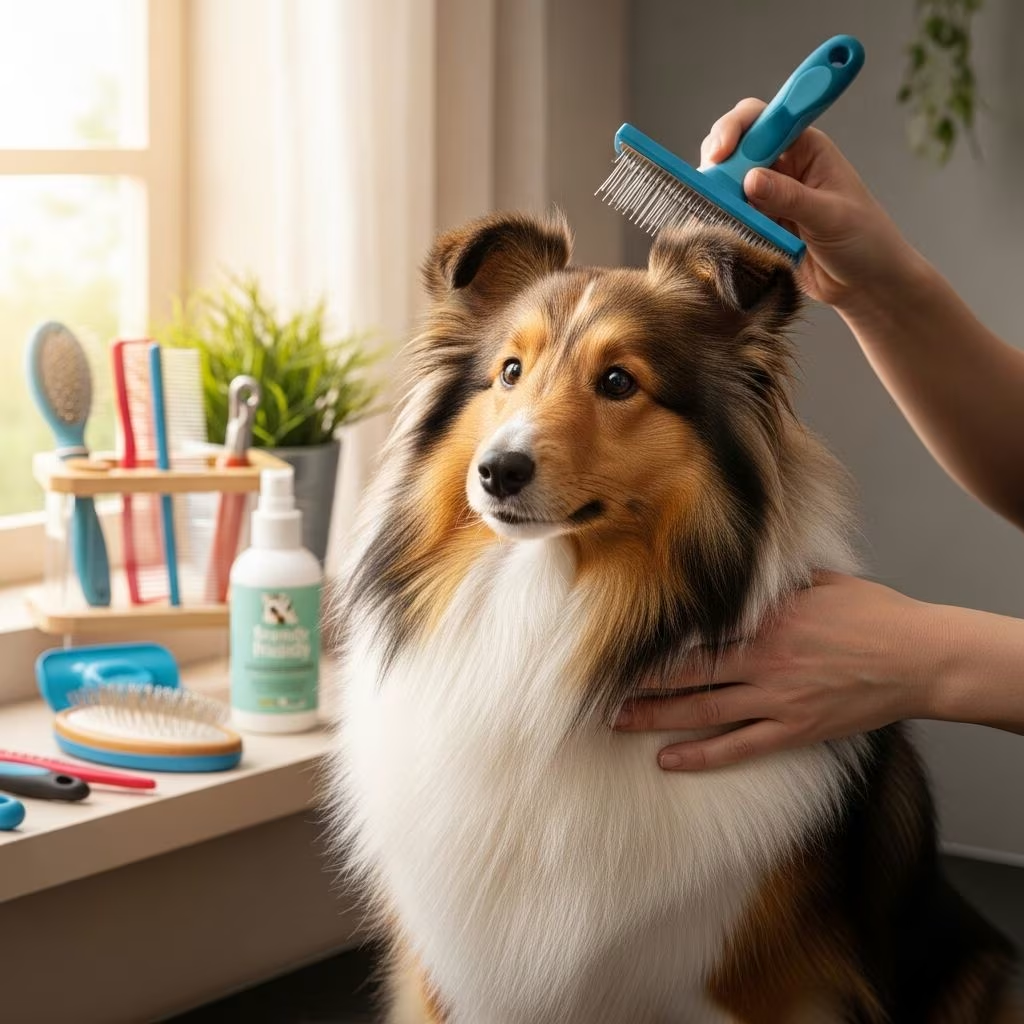
Understanding Double Coats in Dogs
A double coat consists of two distinct layers: a dense undercoat and a longer protective topcoat. The undercoat serves as an insulating layer, while the topcoat acts as a protective barrier against environmental elements. Double-coated breeds include Siberian Huskies, Golden Retrievers, German Shepherds, Border Collies, Newfoundlands, and Chow Chows.
The structure of a double coat is specially designed to protect dogs in varying weather conditions. As a general rule, the fluffier your dog appears on the outside, the denser their undercoat is, and consequently, the more grooming attention they require to prevent matting and tangles from forming.
Why Double Coats Matter: Benefits and Drawbacks
The Functional Benefits
Double coats offer significant protective advantages for dogs. The topcoat effectively repels dirt and moisture, while the undercoat provides essential protection from both hot and cold weather. This is particularly valuable for working dogs such as herding dogs, who depend on this natural coat structure to maintain insulation during inclement weather conditions.
Understanding Shedding Patterns
Double-coated breeds shed considerably more than single-coated dogs. The undercoat typically sheds twice a year, while the topcoat sheds once annually. These natural shedding cycles align with temperature changes and the dog’s biological seasons. If proper grooming routines are not maintained, loose undercoat hairs become trapped in the topcoat, leading to matting and tangles that become uncomfortable for your dog and increasingly difficult to remove.
The Critical Rule: Never Shave a Double Coat
One of the most important grooming principles for double-coated breeds is to never shave the coat. Many owners mistakenly believe that shaving their dog will help them stay cooler in warm weather. However, this approach causes more harm than good. The double coat is an integral part of a dog’s natural cooling system and protects the skin from sun damage. Shaving or drastically cutting the coat disrupts these essential functions and can expose dogs to heatstroke and skin damage.
While clipping should be avoided as a standard practice, it may only be considered as a last resort for severe matting cases or following veterinary advice.
Professional Grooming for Double-Coated Dogs
Recommended Grooming Schedule
Professional grooming appointments for double-coated dogs should occur every 6 to 8 weeks to maintain optimal coat condition. During these visits, groomers employ specialised techniques and tools specifically designed for double coats.
The Professional Grooming Process
Shampooing and Conditioning
Professional grooming begins with deep conditioning shampoo and conditioner specifically formulated for double-coated breeds. This preparation is essential before the de-shedding phase of the appointment. A conditioning spray is applied to loosen the undercoat, making it easier to comb through and adding a healthy shine to your dog’s coat.
Brushing and Undercoat Removal
The brushing phase is particularly beneficial for removing dead hairs and distributing natural oils throughout the coat, which helps prevent itching. Professional groomers select the most suitable brushes for each dog, typically using a slicker brush to work through the soft undercoat and remove loose hairs. An undercoat rake is then used to remove hairs that are ready to shed.
High-velocity blast dryers are employed following the bath to pull out loose undercoat effectively without damaging the coat’s structure. This technology allows removal of bulk undercoat material while enabling the dog’s skin to breathe and maintain proper temperature regulation.
Trimming Guidelines
Trimming approaches vary by breed. Some double-coated dogs, such as Huskies and Malamutes, require minimal to no trimming, whereas long-haired German Shepherds may benefit from feathering and paw trimming. Light trimming around paws, sanitary areas, ears, and feathering on legs and tails is acceptable and sometimes necessary. However, cutting the topcoat and undercoat can damage the hair and result in a condition known as coat funk.
Instead of traditional clipping, groomers use de-shedding tools such as the Furminator and Coat King to remove bulk undercoat safely and allow proper skin breathing and cooling.
Health Checks During Grooming
Professional grooming appointments include thorough health examinations:
- Body assessment: Checking for any lumps or bumps during grooming
- Dental examination: Checking teeth and gums for tartar or inflammation
- Ear inspection: Folding back overhanging ears and checking for wax buildup
- Eye care: Checking eyes and cleaning any sticky deposits with warm water on cotton pads
Professional Recommendations
When visiting a groomer, request specific services tailored to double coats:
- Ask about monthly de-shedding treatments to prevent undercoat impaction
- Request light-trimming rather than full-body shaving to tidy feathery topcoats and minimise knots
- Consult with groomers about suitable products for your dog’s specific coat needs
Home Grooming: Building a Consistent Routine
Brushing Frequency and Technique
To maintain your double-coated dog’s coat between professional appointments, establish a strict home grooming routine. Brush your dog at least two or three times per week to prevent matting and tangles. However, proper technique is essential for effectiveness.
The correct approach involves working from the undercoat upward. Start by thoroughly brushing the undercoat with either a slicker brush for shorter undercoats or a grooming rake for larger dogs. Follow by checking through with a wide-toothed comb to remove dead undercoat and ensure a healthy, tangle-free base layer.
Once the undercoat is managed, brush the topcoat with either a slicker or pin brush to separate hairs and remove loose dirt and debris. This two-stage approach prevents the common mistake of brushing only the outer coat and allowing the base to matt.
Bathing Your Double-Coated Dog
When bathing your dog at home, follow this sequence:
- Wet the coat thoroughly with warm water, ensuring water penetrates through to the undercoat
- Apply shampoo according to product directions
- Use products specifically suitable for double-coated dogs
- Rinse thoroughly to ensure complete product removal
Additional Home Care Benefits
Regular home grooming provides benefits beyond coat maintenance. It helps you build a stronger bond with your dog and creates opportunities to check for skin conditions or parasites. Consistent brushing also distributes natural oils across the coat, improving shine and resilience.
Essential Grooming Tools for Double Coats
Proper tools make home grooming significantly more effective. Recommended equipment includes:
- Slicker brushes: Effective for removing loose fur from the undercoat
- De-matting combs: Essential for addressing tangles before they become severe mats
- Coat rakes: Specifically designed to remove shed undercoat without damaging healthy hair
- Wide-toothed combs: Useful for final checks and ensuring mat-free coats
- Pin brushes: Suitable for working through the topcoat
Trimming Areas: What Can and Cannot Be Cut
Safe Trimming Areas
While shaving the entire coat should be avoided, certain areas can be safely trimmed:
- Foot pads and paw edges to prevent matting and slipping
- Sanitary areas for hygiene purposes
- Light feathering on legs and tail to maintain tidiness
- Stray hairs around ears and eyes for better visibility
Areas to Protect
The following areas should never be shaved or drastically cut:
- The main body, including back, sides, and belly
- The neck ruff and shoulders
- The undercoat in general, unless using appropriate de-shedding tools
- The outer guard hairs that help repel moisture
Respecting these boundaries ensures the coat functions properly while keeping your dog clean and well-groomed.
Common Grooming Mistakes to Avoid
Several mistakes commonly compromise double coat health. The most critical error is assuming that shaving or drastically cutting the coat helps dogs stay cooler in warm weather. This misconception can lead to serious consequences including heatstroke risk and skin damage.
Another common mistake is only brushing the outer topcoat and neglecting the undercoat. If only half the coat is brushed, the base is likely to mat, making regular brushing from the undercoat upward essential.
Irregular grooming schedules also contribute to coat problems. Inconsistent routines allow dead hair accumulation, increasing matting risk significantly.
Seasonal Considerations for Double-Coated Breeds
Double-coated breeds undergo natural shedding cycles aligned with temperature changes. Understanding these seasonal patterns helps optimise grooming routines:
- During heavy shedding seasons, increase brushing frequency to manage loose undercoat
- Maintain consistent grooming year-round to prevent seasonal matting problems
- Adjust de-shedding intensity based on natural coat cycles
- Monitor for skin issues that may emerge during transitional seasons
Different Coat Types and Special Considerations
Wool Coats
Dogs with wool coats, originally bred as water dogs, have curly coats that allow water to bead off easily. However, this curliness makes frequent grooming essential because these coats become matted and tangled more easily than typical double coats. Regular professional grooming sessions combined with strict home routines are necessary for maintaining wool coat health.
Frequently Asked Questions
Q: How often should I brush my double-coated dog?
A: Brush your dog at least two or three times per week at home to prevent matting and maintain coat health. Schedule professional grooming every 6 to 8 weeks.
Q: What happens if I shave my double-coated dog?
A: Shaving removes the dog’s natural protection from heat and sun rays, disrupts the natural cooling system, and can result in coat funk or expose the dog to heatstroke and skin damage.
Q: Can I trim my double-coated dog’s coat?
A: Light trimming of paws, sanitary areas, ears, and feathering is acceptable and sometimes necessary. However, avoid cutting the main body, neck ruff, shoulders, or guard hairs.
Q: What tools do I need for home grooming?
A: Essential tools include slicker brushes, coat rakes, de-matting combs, wide-toothed combs, and pin brushes.
Q: How much do double-coated dogs shed?
A: Double-coated breeds shed significantly, with undercoats shedding twice yearly and topcoats shedding once annually. Proper grooming is essential to manage shedding and prevent matting.
Q: What is coat funk and how is it caused?
A: Coat funk is a condition resulting from cutting the topcoat and undercoat, which damages the hair structure and compromises the coat’s protective functions.
Q: Should I use de-shedding tools on my double-coated dog?
A: Yes, de-shedding tools such as Furminator and Coat King are beneficial for removing bulk undercoat without damaging coat structure, allowing proper skin breathing and cooling.
References
- Double Coat Grooming Guide — The Pet Retreat. Accessed 2026-01-14. https://thepetretreat.co.uk/double-coat-grooming-guide/
- Coat Care Guide for Double Coated Dogs – Huskies, Golden Retrievers, Chow Chows — WildWash. Accessed 2026-01-14. https://wildwash.co.uk/coat-care-guide-for-double-coated-dogs-huskies-golden-retrievers-chow-chows/
- Double Coated Dogs and How to Groom Them — WOW Grooming. Accessed 2026-01-14. https://www.wowgrooming.co.uk/blogs/wow-grooming-blogs/double-coated-dogs-and-how-to-groom-them
- Grooming Double-Coated Breeds: What to Cut and What Not To — Ostrovsky Alexander Grooming. Accessed 2026-01-14. https://ostrovskiy-alexander-gr.co.uk/blog/grooming-double-coated-breeds-what-to-cut-and-what-not-to/
- Should You Clip Your Double-Coated Dog? The Pros and Cons — Masterclip. Accessed 2026-01-14. https://masterclip.co.uk/blogs/news/should-i-clip-my-double-coated-dog
- Home Grooming Series – Caring for a Double Coated Dog — Naturediet. Accessed 2026-01-14. https://www.naturediet.co.uk/home-grooming-series-caring-for-a-double-coated-dog/
- 7 Double Coated Dog Breeds & How to Groom Them — Purina UK. Accessed 2026-01-14. https://www.purina.co.uk/find-a-pet/articles/dog-types/fur-type/double-coated-dogs



