

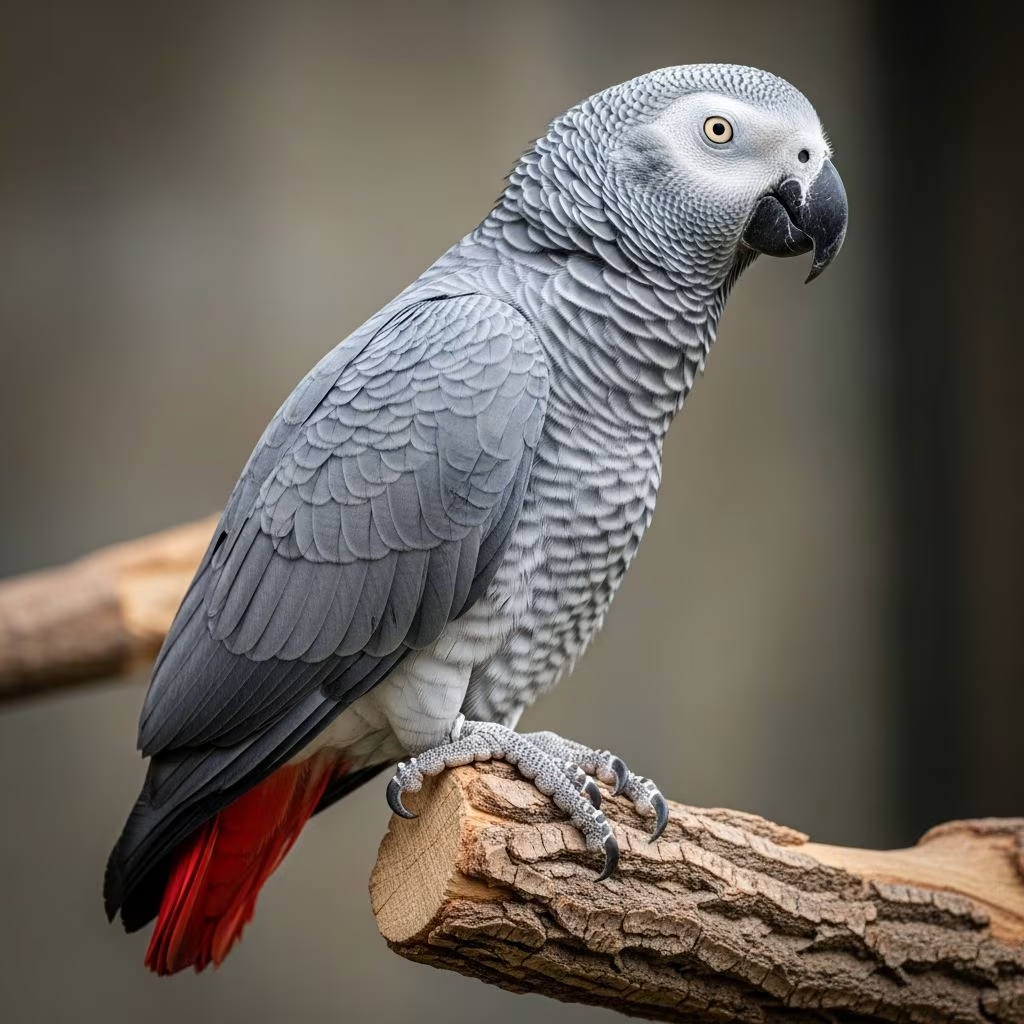
Dos and Don’ts for African Grey Parrots: A Complete Care Guide
African Grey parrots are among the most intelligent and complex bird species in the world, requiring specialized care, attention, and commitment from their owners. These magnificent birds can live for 40 to 60 years or even longer, making them a lifetime commitment for dedicated pet owners. Understanding the proper dos and don’ts of African Grey parrot care is essential for ensuring these remarkable creatures thrive in captivity. This comprehensive guide covers the critical aspects of care that every African Grey owner should know.
Do: Provide Adequate Space and Proper Housing
One of the most fundamental requirements for African Grey parrots is appropriate housing. These large birds need substantial space to move around comfortably and express natural behaviors. Your parrot’s cage should measure approximately 36 inches by 24 inches by 48 inches at minimum, though larger is always better for these active birds. The enclosure must be large enough for your African Grey to fully spread their wings without touching the sides and to move comfortably from perch to perch.
The cage should be constructed from durable, non-toxic materials and kept in a warm, safe location away from drafts and direct sunlight. Provide perches of varying widths, heights, and textures to prevent foot problems and encourage natural movement. Include a concrete perch to help maintain your bird’s toenails naturally. The cage bars should have a spacing of 0.75 to 1.0 inches with a perch diameter of approximately 1 inch. Place the cage in an area where your parrot can be part of family activities, as these social birds thrive on interaction and should not be isolated.
Don’t: Use Inadequate Cage Space or Toxic Materials
One of the most common mistakes African Grey owners make is providing insufficient cage space. Small, confining cages lead to behavioral problems, physical health issues, and psychological distress. Avoid cages with toxic materials such as lead-based paint, zinc, or other harmful substances that could poison your bird through ingestion or inhalation.
Never place perches directly over food or water bowls, as this causes contamination from droppings. Don’t use sandpaper floor covering or corn cob bedding, as corn cob can be ingested and cause dangerous obstructions. Instead, use newspaper to line the cage bottom, which allows you to monitor your bird’s feces daily for signs of health problems.
Do: Provide High-Quality Nutrition
Proper nutrition is fundamental to your African Grey’s health and longevity. A well-balanced diet should consist of approximately 75% high-quality formulated pellets in pellet or crumble form. These specially formulated foods prevent selective eating and provide complete nutritional balance that loose seeds cannot offer.
Fresh vegetables and dark leafy greens should comprise about 20-25% of your bird’s daily diet, providing essential vitamins and minerals. Include a variety of safe fruits in moderation, as treats should make up no more than 5% of the total diet. Always provide fresh, clean water that is changed multiple times daily. Since African Greys often bathe or dunk food in their water, frequent water changes prevent bacterial growth and maintain hygiene.
Don’t: Feed Unsafe Foods or Rely on Seeds Alone
Avoid feeding your African Grey foods that are toxic to birds, including chocolate, avocado, salt, caffeine, and foods containing artificial sweeteners. Never rely solely on seeds and nuts as a primary diet, as these lack essential minerals and nutrients vital to your bird’s health. Don’t feed anything that falls to the cage floor, as it likely contacted feces and could cause bacterial infections. Avoid offering foods contaminated by mold or spoilage, as African Greys are susceptible to fungal infections.
Do: Provide Extensive Enrichment and Mental Stimulation
African Grey parrots possess extraordinary intelligence comparable to a four-year-old human child, requiring substantial mental stimulation to prevent boredom, depression, and behavioral problems. These birds need a minimum of 5 hours of stimulation daily to maintain psychological well-being. This stimulation should include interactive games, puzzle toys, training sessions using positive reinforcement, and learning new tricks.
Rotate toys regularly to maintain interest and prevent boredom. Provide toys of different textures, sizes, and materials that encourage foraging, climbing, and problem-solving. Engage your parrot in social activities, teach them new words and commands, and provide opportunities to participate in family activities. African Greys are naturally curious and social birds that thrive on learning and interaction with their human companions.
Do: Ensure Adequate Exercise and Out-of-Cage Time
In addition to enrichment within the cage, African Greys require 2-3 hours of supervised out-of-cage exercise every day to build muscle strength, prevent obesity, and maintain physical fitness. This flight and movement time is critical for the bird’s overall health and well-being. When allowing your parrot out-of-cage time, ensure that the room is safe and bird-proofed to prevent accidents, injury, or escape.
Supervise your African Grey during out-of-cage time as these intelligent birds can get into mischief, eating things they shouldn’t, getting into fights with other pets, or knocking things over. Create a designated safe space where your bird can explore, fly, and play without danger.
Don’t: Neglect Exercise or Leave Your Parrot Unsupervised
Insufficient exercise leads to obesity, muscle weakness, and behavioral problems in African Greys. Never leave your parrot unsupervised outside the cage, as they can injure themselves, eat toxic substances, or escape. Don’t assume your bird is safe around all household members or pets, as African Greys can be aggressive if startled or threatened.
Do: Maintain Proper Grooming and Hygiene
African Grey parrots produce significant amounts of powder down that can affect air quality and the bird’s respiratory health. Offer daily baths or showers to help manage this dust production and maintain feather and skin health. Provide misting with a water spray bottle or access to a large bath bowl at least twice weekly.
Regular nail trimming is essential to prevent overgrowth and associated problems. Have your avian veterinarian trim nails regularly rather than attempting this yourself unless properly trained. Wing trimming may be recommended by your veterinarian to prevent escape and injury. Maintain impeccable cage hygiene by changing the cage paper every one to two days and wiping down perches and food cups daily to prevent bacterial growth and disease.
Don’t: Use Improper Bathing Methods or Neglect Grooming
Never use styptic powder on your bird’s skin, only on nails if bleeding occurs during trimming. Don’t use excessive water temperature that could shock or injure your bird; lukewarm water is ideal. Avoid neglecting cage cleanliness, as this leads to bacterial and fungal infections. Don’t attempt complex grooming procedures without proper training; always consult your avian veterinarian.
Do: Provide Appropriate Lighting and Environment
African Greys benefit from full-spectrum lighting that mimics natural sunlight, especially birds not exposed to natural outdoor lighting. Natural outdoor sunlight is ideal when possible, as it provides essential vitamin D and supports overall health. Ensure your bird receives 10-12 hours of sleep in a dark, quiet environment to maintain circadian rhythms and psychological well-being.
Introduce new objects and environmental changes slowly to reduce stress and anxiety. African Greys can be sensitive to sudden changes and loud noises, so maintain a calm, consistent environment with predictable routines.
Don’t: Expose Your Parrot to Harmful Conditions
Avoid placing your African Grey’s cage in direct sunlight for extended periods, as this can cause overheating and stress. Don’t expose your bird to drafts, extreme temperature fluctuations, or air quality problems. Never subject your parrot to secondhand smoke, as African Greys have sensitive respiratory systems. Don’t suddenly rearrange the cage or introduce too many new items at once, as this causes unnecessary stress.
Do: Schedule Regular Veterinary Care
African Grey parrots should be examined by a qualified avian veterinarian at least once or twice yearly for routine preventive care. Regular check-ups should include fecal examinations, blood tests, and vaccinations appropriate to your bird’s health status. An avian veterinarian with specialized training in exotic bird care can provide guidance on proper care and early detection of health problems.
Without proper veterinary care, African Greys are prone to feather picking, fearfulness, aggression, respiratory illnesses, hypocalcemia syndrome, circovirus (PBFD virus), nasal blockages, and proventricular dilatation disease (PDD). Regular veterinary supervision helps prevent and address these serious health conditions early.
Don’t: Ignore Signs of Illness or Delay Veterinary Care
Never ignore symptoms of illness such as lethargy, appetite loss, abnormal droppings, difficulty breathing, or behavioral changes. Don’t attempt to self-diagnose or treat serious health conditions without professional guidance. Avoid purchasing birds from questionable sources that may have health problems or inappropriate socialization. Don’t use home remedies instead of professional veterinary treatment for illness or injury.
Do: Train Using Positive Reinforcement
African Greys are intelligent and respond well to training using positive reinforcement and operant conditioning techniques. Use rewards, praise, and treats to encourage desired behaviors. Consistency and patience are essential when training these birds, as they can become frustrated or aggressive if forced into unwanted situations. Training provides mental stimulation, strengthens your bond with your bird, and allows you to teach your parrot to follow commands and appropriate behaviors.
Don’t: Use Punishment or Negative Reinforcement
Never use punishment, yelling, or physical discipline with African Greys, as these methods create fear, aggression, and behavioral problems. Don’t force your bird into situations they find stressful or frightening. Avoid neglecting training, as untrained African Greys often develop behavioral issues including screaming, biting, and aggression.
Comparison Table: Essential African Grey Care Requirements
| Care Aspect | Daily Requirements | Frequency |
|---|---|---|
| Mental Stimulation | 5+ hours | Daily |
| Exercise/Out-of-Cage Time | 2-3 hours | Daily |
| Water Changes | Fresh water | Multiple times daily |
| Cage Cleaning | Paper change | Every 1-2 days |
| Food/Perch Cleaning | Wipe down | Daily |
| Bathing/Misting | Spray/bath | Daily or 2x weekly |
| Sleep | Dark, quiet | 10-12 hours nightly |
| Veterinary Checkup | Full examination | 1-2 times yearly |
Frequently Asked Questions About African Grey Parrot Care
Q: How long do African Grey parrots live?
A: African Grey parrots typically live 40-60 years or longer in captivity with proper care, making them a lifetime commitment for owners.
Q: Can African Greys be kept alone, or do they need companions?
A: While African Greys don’t necessarily need other bird companions, they require extensive interaction with their human owners to prevent loneliness, depression, and behavioral problems.
Q: What should I do if my African Grey develops behavioral problems like screaming or biting?
A: Behavioral problems often stem from inadequate enrichment, improper training, or underlying health issues. Consult with an avian veterinarian and consider working with a bird behavior specialist to address the root cause.
Q: Are African Greys appropriate for first-time bird owners?
A: African Greys are recommended for experienced bird owners due to their complex care requirements, long lifespan, and need for specialized attention. First-time bird owners may find them challenging.
Q: How much does it cost to properly care for an African Grey parrot?
A: Initial setup costs including cage, toys, and supplies can range from $1,000-3,000+. Annual ongoing costs for food, veterinary care, toys, and supplies typically range from $1,500-3,000+, depending on your location and bird’s individual needs.
Q: What is the best diet for African Grey parrots?
A: A balanced diet consisting of 75% high-quality pellets, 20-25% fresh vegetables and greens, and limited treats (5% or less) provides optimal nutrition. Always ensure fresh water is available.
Q: How can I tell if my African Grey is healthy?
A: Healthy African Greys have bright, clear eyes; smooth feathers; active behavior; normal appetite; and regular droppings. Any changes in behavior, appearance, or appetite warrant veterinary evaluation.
References
- African Grey Parrot – Specialized Care for Avian & Exotic Pets — Parrot Society of Pennsylvania. 2023. https://www.buffalobirdnerd.com/storage/app/media/PSPAfricanGrey.pdf
- Basic Information Sheet: African Grey Parrot — LafeberVet. 2024. https://lafeber.com/vet/basic-information-sheet-for-the-african-grey-parrot/
- How to Care for an African Grey Parrot — Greeley Veterinary Clinic. 2022. https://www.greeleypetvet.com/site/blog/2022/06/15/african-grey-parrot-care



