
Dopamine In Veterinary Urology: Practical Clinical Guide
Exploring dopamine's role in enhancing renal function and urine output in dogs and cats facing urinary challenges.
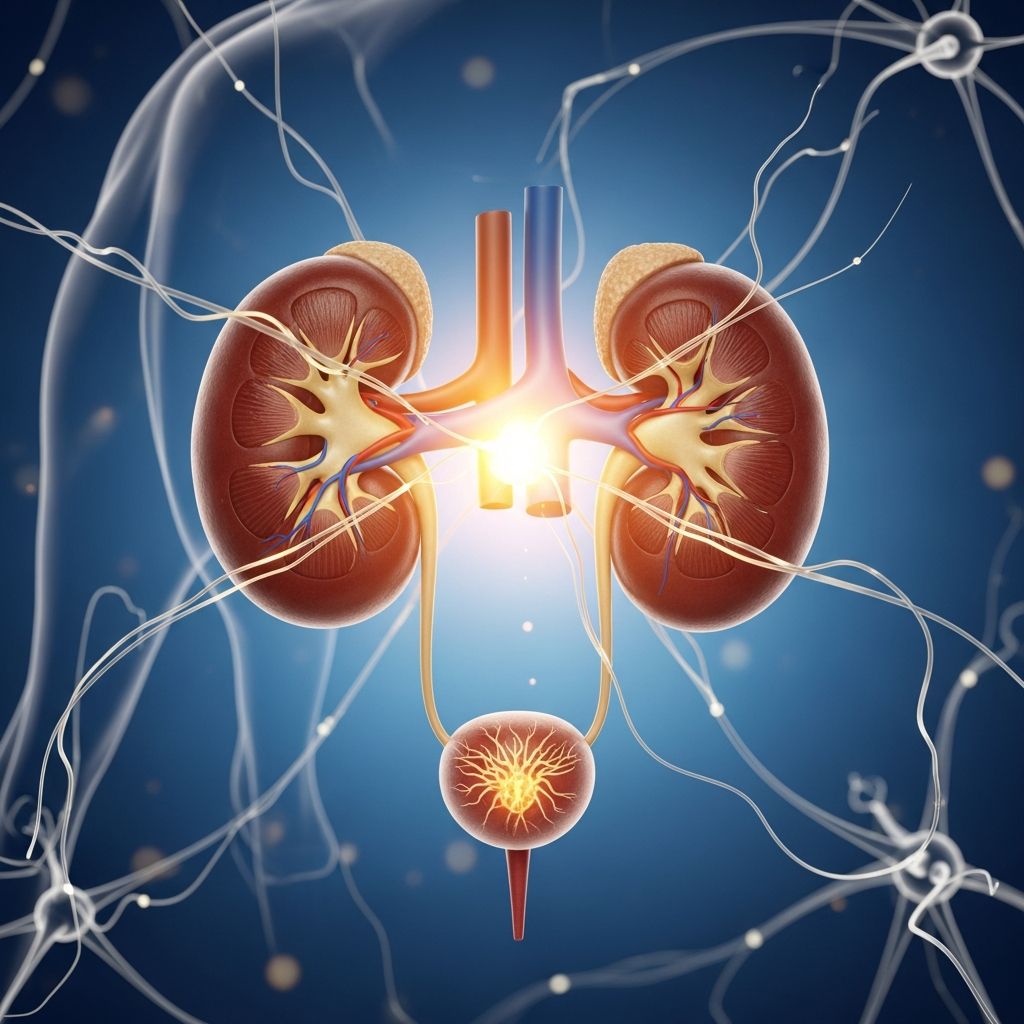
Dopamine serves as a key pharmacological agent in managing urinary tract conditions in animals, particularly by promoting urine production and supporting kidney perfusion during crises like acute renal failure.
Understanding Dopamine’s Pharmacological Profile
Dopamine functions as an endogenous catecholamine that interacts with multiple receptor types in the body, influencing cardiovascular and renal systems. At low doses, it primarily activates DA-1 and DA-2 receptors in the renal vasculature, leading to vasodilation and enhanced blood flow to the kidneys. As doses increase, it engages beta-adrenergic receptors to boost cardiac output and, at higher levels, alpha-adrenergic receptors that cause vasoconstriction.
In veterinary contexts, this dose-dependent action makes dopamine versatile for addressing oliguria or anuria, where urine output is critically low. For instance, in dogs, low-dose infusions have demonstrated increases in renal blood flow and glomerular filtration rate without necessarily altering overall hemodynamics dramatically.
Clinical Applications in Canine and Feline Patients
Veterinarians often turn to dopamine when animals present with acute kidney injury, especially in cases of reduced urine production. In dogs, infusions at 0.5-3 mcg/kg/min via intravenous route in isotonic fluids have shown potential to elevate renal blood flow and urine volume. Studies using colored microspheres in anesthetized mongrel dogs confirmed dose-related enhancements: at 3 mcg/kg/min, modest improvements occur, while 10 mcg/kg/min yields stable rises in both cardiac and renal flows.
Cats respond differently; urine production may increase due to indirect effects like elevated cardiac output and blood pressure from alpha-stimulation, even without direct changes in renal blood flow or filtration rates. Combining dopamine with diuretics like furosemide can amplify these effects, maintaining glomerular function and potentially mitigating renal insult severity when given preemptively.
Dose-Dependent Effects and Optimal Regimens
| Dose Range (mcg/kg/min) | Primary Effects | Species Notes | Potential Risks |
|---|---|---|---|
| 0.5-3 | Renal vasodilation, ↑ urine output, ↑ RBF | Dogs: GFR stable/increased; Cats: Natriuresis | Minimal |
| 3-10 | ↑ Cardiac output, stable RBF increase | Dogs: Optimal balance | Tachycardia possible |
| >10-20 | ↑ BP, vasoconstriction, arrhythmias | Dogs: Irregular RBF | High risk: Arrhythmias, ↑ myocardial O2 demand |
The table above summarizes findings from experimental models, highlighting how effects shift with infusion rates. Monitoring via electrocardiography is essential, particularly above 10 mcg/kg/min, where ventricular arrhythmias were noted in some dogs.
Evidence from Experimental and Clinical Studies
Research in healthy and experimentally induced renal failure models supports dopamine’s utility. In dogs with induced acute renal failure, low-dose dopamine increased urinary output when administered before the insult, though data on spontaneous cases remain sparse. A Japanese study on anesthetized dogs measured regional blood flows, revealing that 10 mcg/kg/min provided a favorable profile without excessive cardiac strain.
Human parallels inform veterinary caution: meta-analyses showed no mortality or dialysis benefits despite transient diuresis, leading to its decline in human acute renal failure protocols. Veterinary literature echoes this, with no robust trials in naturally occurring disease, urging further evaluation.
- Pre-insult administration enhances outcomes in models.
- Synergy with furosemide preserves renal parameters.
- Lack of feline clinical data limits confident use.
Administration Protocols and Practical Considerations
Dilute dopamine in compatible fluids, avoiding alkaline solutions that inactivate it. Continuous rate infusion post-loading diuretic doses proves superior to boluses for diuresis induction. Start low in oliguric patients unresponsive to fluids and diuretics, titrating based on urine output and vital signs.
Concurrent therapies include fluid resuscitation and monitoring central venous pressure. If oliguria persists, escalate to dialysis. Electrocardiographic oversight prevents tachyarrhythmias, especially in predisposed animals.
Potential Adverse Effects and Contraindications
While beneficial at renal doses, escalation risks alpha-mediated vasoconstriction, hypertension, and reduced organ perfusion. High rates (>20 mcg/kg/min) spike myocardial oxygen demand, risking ischemia or arrhythmias. Cats may require higher doses for effect, potentially tipping into adverse territory.
Contraindications encompass uncorrected hypovolemia, pheochromocytoma, or tachyarrhythmias. Extravasation causes tissue necrosis, necessitating central lines ideally.
Alternatives and Emerging Therapies
Fenoldopam, a selective DA-1 agonist, offers promise with fewer systemic effects. Preliminary feline studies showed delayed diuresis at 0.5 mcg/kg/min, but canine nephrotomy models found no GFR or volume superiority over saline. Clinical adoption awaits trials.
Other strategies prioritize fluid therapy, loop diuretics, and renal replacement options over catecholamines, reflecting human-derived skepticism.
Comparative Efficacy Across Species
Dogs generally tolerate and benefit more predictably than cats, where mechanisms lean on cardiac boosts rather than direct renal dilation. Breed or size variations lack documentation, but larger dogs may need adjusted volumes for dilution.
Future Directions in Veterinary Nephrology
Ongoing research must bridge gaps in spontaneous disease data, exploring biomarkers for responders and long-term impacts. Integrating dopamine selectively, perhaps with fenoldopam hybrids, could refine protocols.
Frequently Asked Questions (FAQs)
What is the standard starting dose of dopamine for oliguric dogs?
Begin at 0.5-3 mcg/kg/min IV infusion, monitoring urine output and ECG.
Is dopamine safe for cats with kidney issues?
Use cautiously; benefits are less clear due to reliance on higher doses with potential cardiac risks.
Can dopamine replace dialysis in renal failure?
No, it supports diuresis but persistent oliguria requires advanced interventions like dialysis.
How does furosemide interact with dopamine?
Synergistically, enhancing GFR, RBF, and urine flow in experimental settings.
Why has dopamine fallen out of favor in human medicine?
Large trials showed no survival or dialysis reduction benefits despite diuresis.
References
- Your guide to managing acute renal failure — DVM360. Accessed 2026. https://www.dvm360.com/view/your-guide-managing-acute-renal-failure
- Use of dopamine in acute renal failure — Sigrist, Wiley Online Library. 2007-01-01. https://onlinelibrary.wiley.com/doi/abs/10.1111/j.1476-4431.2007.00225.x
- Effects of Dopamine Infusion on Cardiac and Renal Blood Flows — J. Vet. Med. Sci. 2002-01-01. https://www.jstage.jst.go.jp/article/jvms/64/1/64_1_41/_pdf
- Dopamine HCl — Rood & Riddle Veterinary Pharmacy. Accessed 2026. https://www.rrvp.com/dopamine-hcl
Similar Articles








Read full bio of Sneha Tete


