

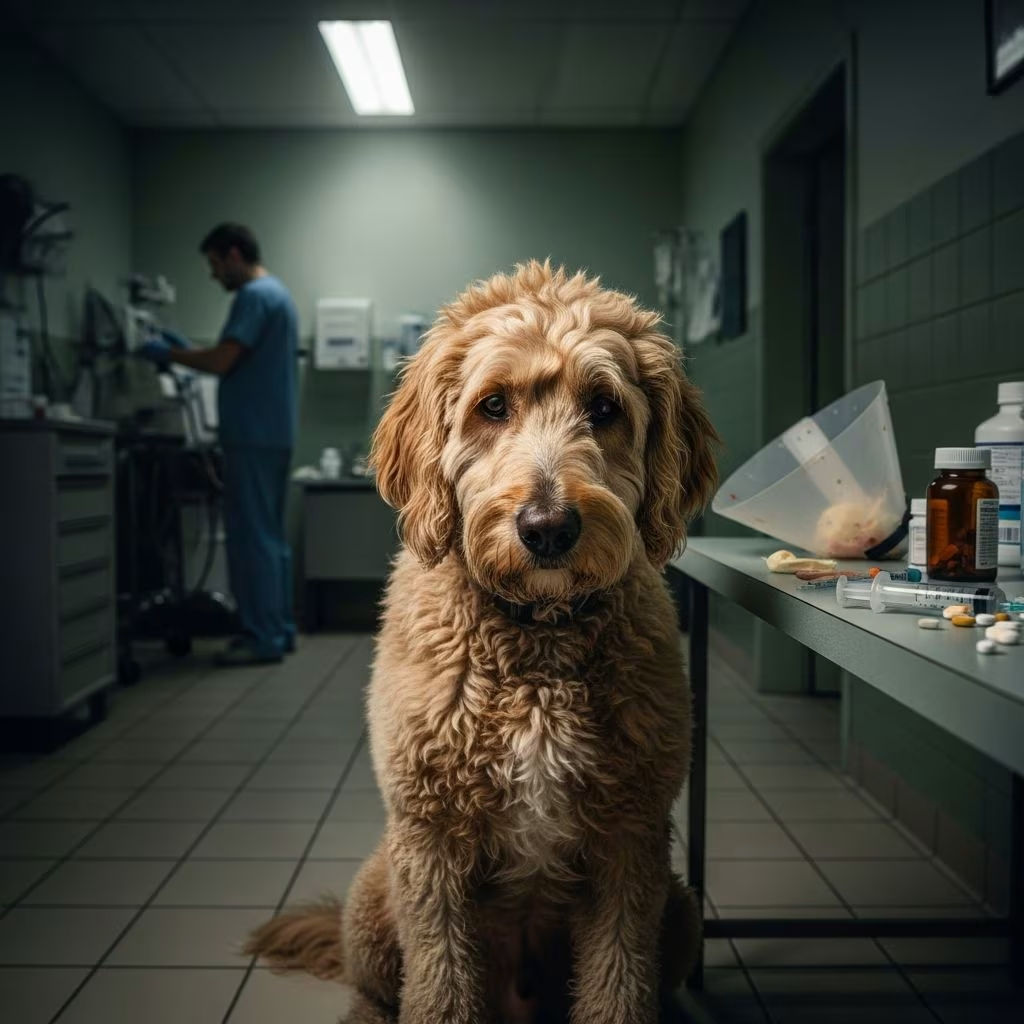
Designer dogs such as Labradoodles, Goldendoodles, and Bernedoodles have surged in popularity due to their appealing curly coats and friendly reputations. However, this trend masks significant ethical concerns in breeding practices that prioritize aesthetics over animal welfare.
The Rise of Hybrid Hype
The appeal of doodles stems from marketing promises of hypoallergenic fur, intelligence, and low-shedding traits. Yet, these hybrids often fail to deliver consistent results, leading to widespread disappointment for owners and perpetuating a cycle of irresponsible breeding.
Unlike purebred dogs with established breed standards, doodles lack genetic predictability. Each litter can vary dramatically in size, temperament, and coat type, making breed-specific health screenings unreliable. This unpredictability drives demand to backyard breeders and mills eager to capitalize on the fad.
Breeding Practices That Compromise Welfare
Many doodle producers operate as commercial entities focused on volume rather than quality. Dogs in these facilities endure cramped conditions, minimal socialization, and inadequate veterinary care, treating animals as profit generators instead of sentient beings.
- Breeding pairs are repeatedly mated without rest, leading to exhaustion and health decline.
- Puppies receive little human interaction, resulting in behavioral issues like fearfulness or aggression.
- Minimal genetic testing increases risks of inherited disorders passed to offspring.
Responsible breeding demands transparency, health clearances, and contracts outlining guarantees, practices absent in most doodle operations.
Health Nightmares in Non-Standard Mixes
Doodles inherit problems from parent breeds, amplified by selective pairing for appearance. Common issues include hip dysplasia, eye conditions, ear infections from floppy ears, and skin allergies.
| Common Doodle Health Issue | Parent Breed Contribution | Potential Consequences |
|---|---|---|
| Hip Dysplasia | Labs, Goldens, Poodles | Painful mobility loss, surgery needs |
| Progressive Retinal Atrophy | Poodles, Labradors | Blindness by middle age |
| Ear Infections | Floppy-eared mixes | Chronic pain, hearing damage |
| Addison’s Disease | Poodles | Life-threatening hormone imbalance |
| Bloat (GDV) | Deep-chested breeds | Sudden death without emergency care |
Without breed clubs enforcing standards, breeders skip screenings for heritable diseases, dooming generations to suffering.
Genetic Roulette: The Instability of Hybrids
Proponents tout hybrid vigor, but evidence shows doodles often regress to parental weaknesses. Inconsistent genetics mean no uniform health baseline, unlike purebreds with decades of data.
Inbreeding to replicate desirable traits—curly coats without shedding—exacerbates defects like epilepsy, heart murmurs, and patellar luxation. Veterinary costs for doodle owners skyrocket, with many surrendering dogs to shelters when bills mount.
Puppy Mills Fuel the Doodle Demand
High prices ($2,000–$5,000 per puppy) lure profit-driven mills into doodle production. These facilities confine breeding dogs to wire cages, denying exercise and companionship essential for pack animals.
Online sales hide squalid conditions, allowing buyers to purchase sight-unseen. Puppies arrive undersocialized, prone to parvo, parasites, and behavioral trauma. The ASPCA warns against such transactions, urging in-person verification.
Overpopulation Crisis Amplified
With 3.1 million dogs entering U.S. shelters yearly, breeding trendy mixes diverts attention from adoptable pets. Purebred rescues overflow with doodles abandoned for shedding, energy levels, or size mismatches.
Each doodle purchase sustains unethical chains, while mixed-breed shelter dogs—often healthier—wait for homes.
Spotting Irresponsible Doodle Sellers
- Refusal to show breeding facilities or parent dogs.
- No health certifications (OFA, PennHIP for hips/elbows).
- Guarantees only covering 48–72 hours post-sale.
- Multiple litters available year-round from one location.
- Shipping puppies without buyer visits.
True ethical breeders limit litters, prioritize placements, and spay/neuter non-breeding adults.
What True Responsible Breeding Entails
Ethical programs emphasize welfare over trends:
- Health testing parents for breed-specific issues.
- Socializing litters from birth with diverse stimuli.
- Matching puppies to experienced, screened homes.
- Providing lifelong support and return policies.
- Avoiding overbreeding to prevent burnout.
Even then, adoption remains preferable amid shelter crises.
The Emotional Toll on Dogs and Owners
Doodles marketed as perfect family pets often grow into high-energy giants needing extensive training. Unprepared owners face challenges, leading to relinquishment.
Breeding dogs suffer lifelong confinement, missing family bonds vital for their psychology.
Alternatives to Fueling the Trend
Opt for shelter adoption: Mixed breeds offer resilience without ethical baggage. Volunteer with rescues to find your match.
If purebreds appeal, seek breeders in national clubs with verified health protocols. Fostering provides trial runs without commitment.
Frequently Asked Questions
Are all doodles from unethical sources?
Most are, due to lax oversight, but rare responsible hybrids exist with full transparency.
Do doodles really not shed?
No guarantee; many shed like parents despite marketing.
Can doodles be healthy?
Possible with rigorous testing, but risks remain higher than average mutts.
Why not support breeders improving doodles?
Demand drives mills; reducing purchases curbs abuse.
What’s best for allergy sufferers?
No dog is fully hypoallergenic; grooming and air filters help more than breed.
Shifting Toward Ethical Pet Choices
The doodle craze exemplifies how consumer whims harm animals. Informed choices—adopting, researching, advocating—promote welfare. Shelters brim with loving mixes ready for forever homes, proving trends needn’t dictate compassion.
References
- Position Statement on Criteria for Responsible Breeding — ASPCA. 2023. https://www.aspca.org/about-us/aspca-policy-and-position-statements/position-statement-criteria-responsible-breeding
- Buyer Beware: The Problem with Puppy Mills and Backyard Breeders — PAWS. 2024. https://www.paws.org/resources/puppy-mills/
- Why No One Should Ever Support a Dog Breeder — PETA. 2025. https://www.peta.org/features/are-dog-breeders-bad/
- The Ethics of Dog Breeding — Knight Errant. 2025-10-14. https://bsmknighterrant.org/2025/10/14/the-ethics-of-dog-breeding/
- The Unethical Practices Behind Dog Breeding — Sacred Heart University Digital Commons. 2021. https://digitalcommons.sacredheart.edu/acadfest/2021/all/33/
- Ethical Breeding & The Economy — Honest Dog Breeder. 2023. https://honestdogbreeder.com/69-ethical-breeding-the-economyhow-are-they-related-and-unrelated/



